

PODCAST
WHAT MAKES A GOOD CONVERSATION? LOOK NO FURTHER THAN OUR ART OF THE CONVERSATION, FEATURING UNCONVENTIONAL STORIES AND PEOPLE WHO MOVE AND INSPIRE
LISTEN NOW


Tucked into the rolling hills of Speyside, where the River Spey winds through a landscape celebrated for its wild beauty and whisky-making heritage, is a newly reimagined retreat that redefines the luxury distillery experience. The Glenrothes, founded in 1879 and long known for its rare aged single malts, has unveiled a private 4,500-square-foot manor house nestled within 300 acres of undulating countryside. Designed in collaboration with London-based architecture and interior design firm Studio Indigo, the estate is not open to the general public; access is strictly invitation-only, offering a discerning glimpse into the distillery's world.
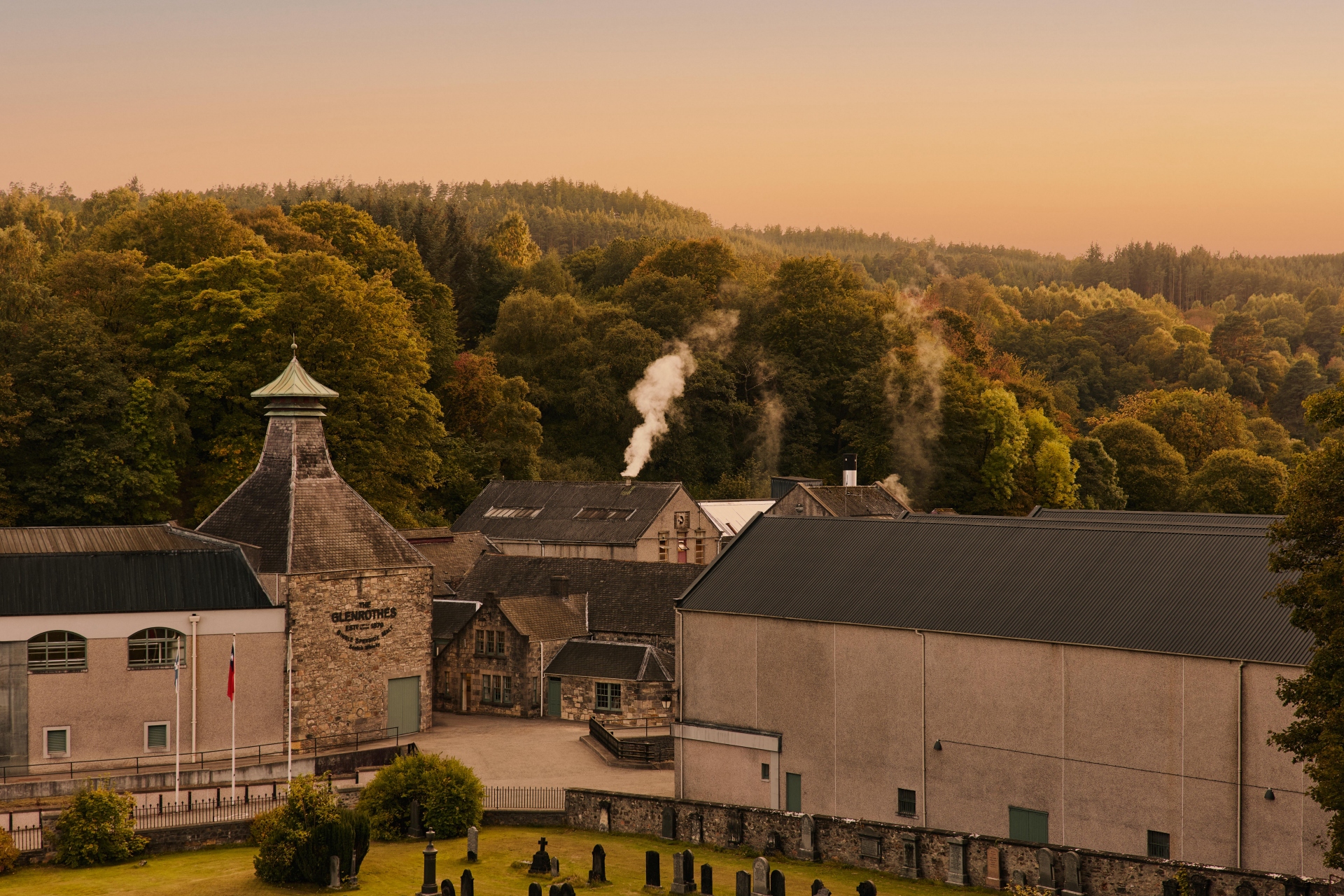
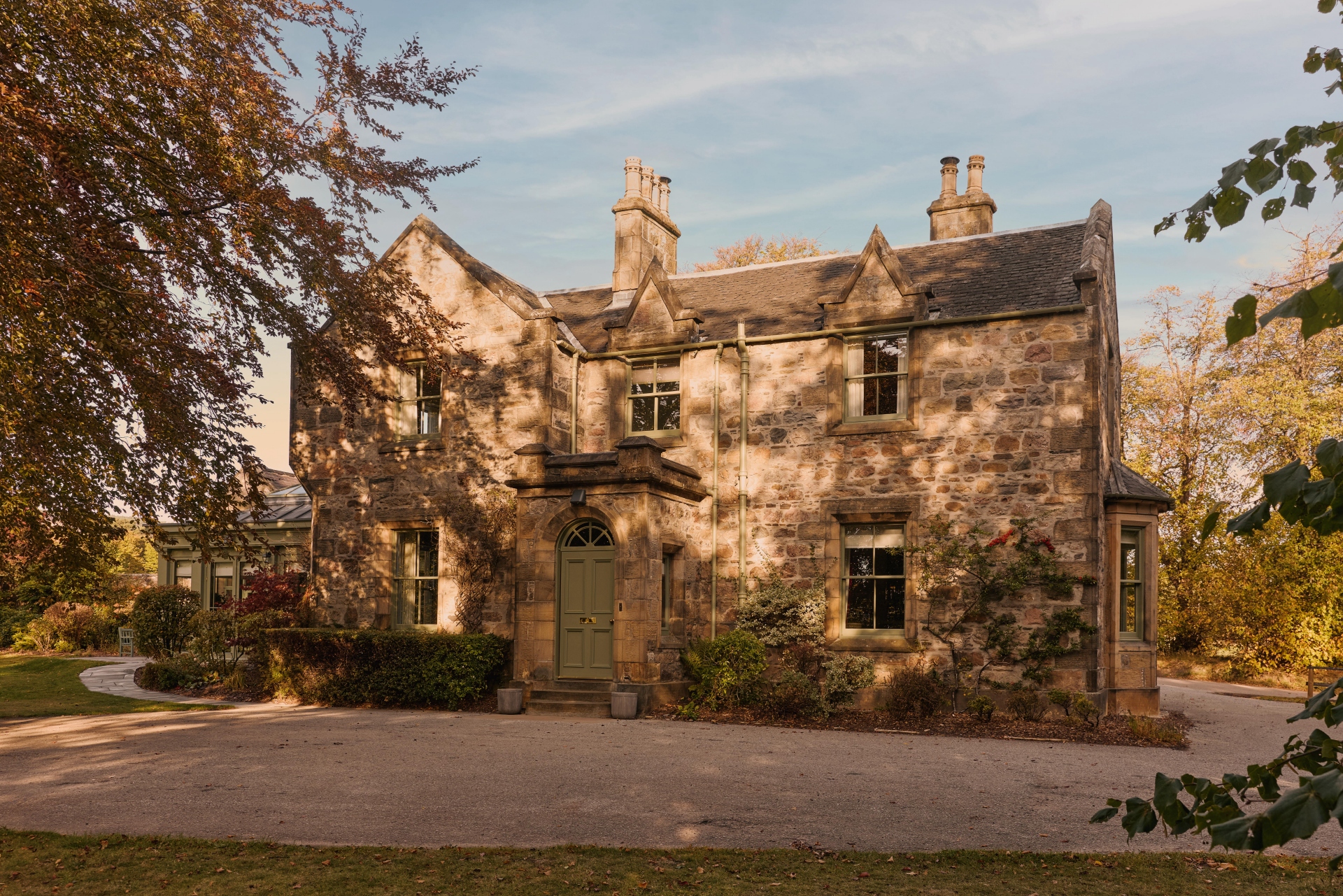
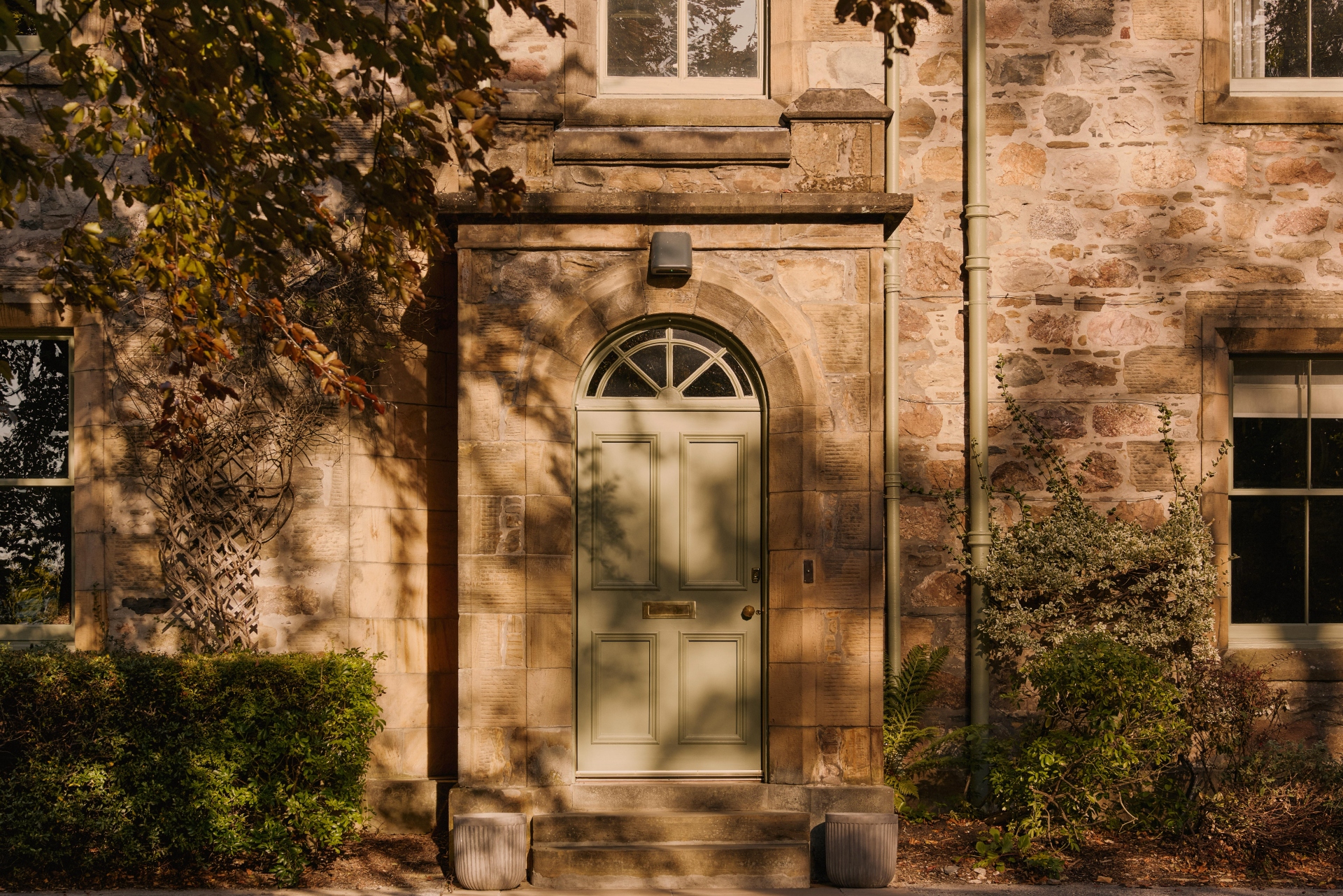
Rather than creating a conventional brand showcase, Studio Indigo focused on distilling the essence of the surrounding Scottish landscape and the slow, methodical artistry of whisky production into a physical, sensory environment. Central to this vision is water—the private spring water that forms the core of The Glenrothes’ spirit. Water informs both the conceptual framework and decorative details throughout the residence.
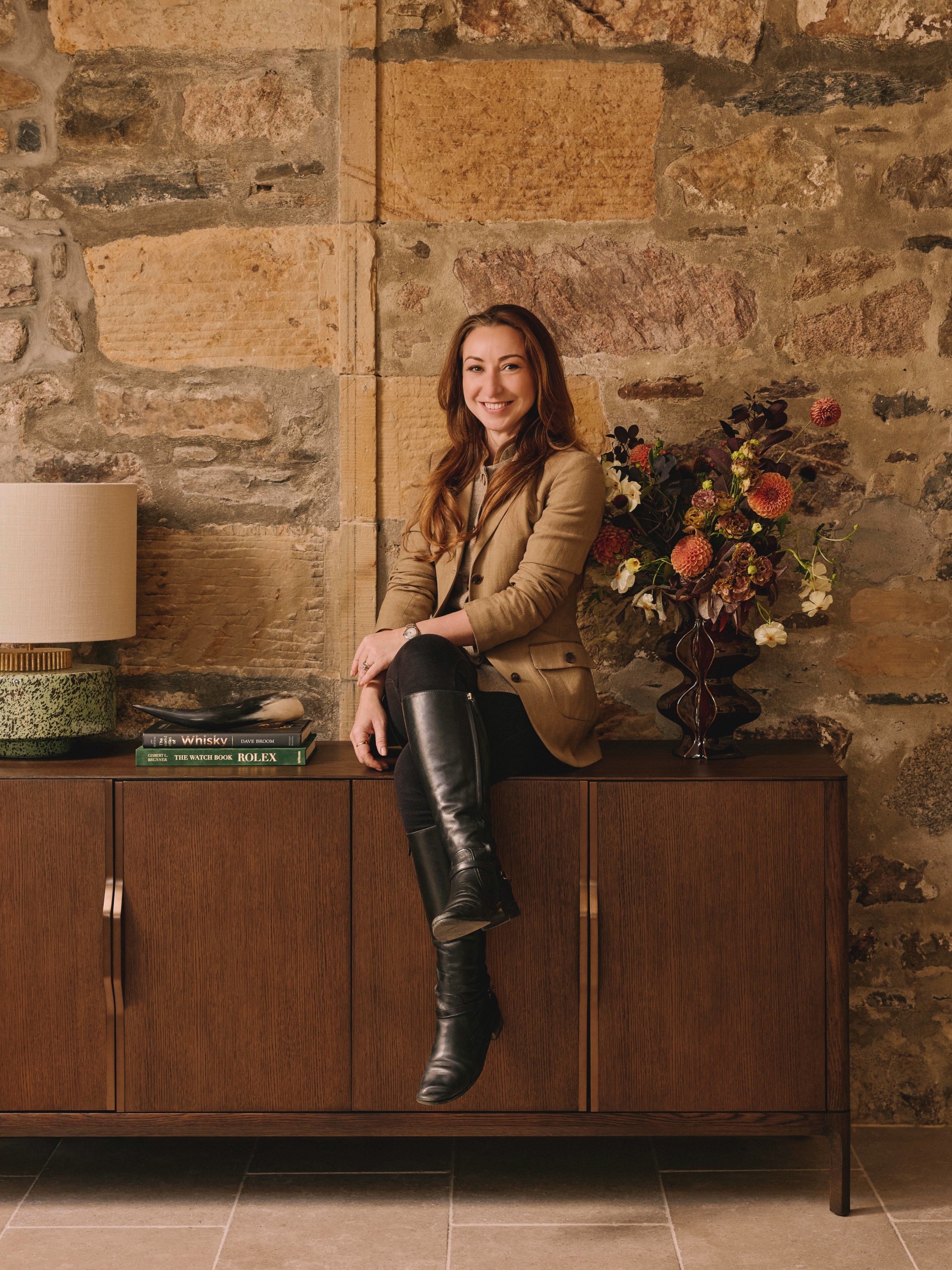
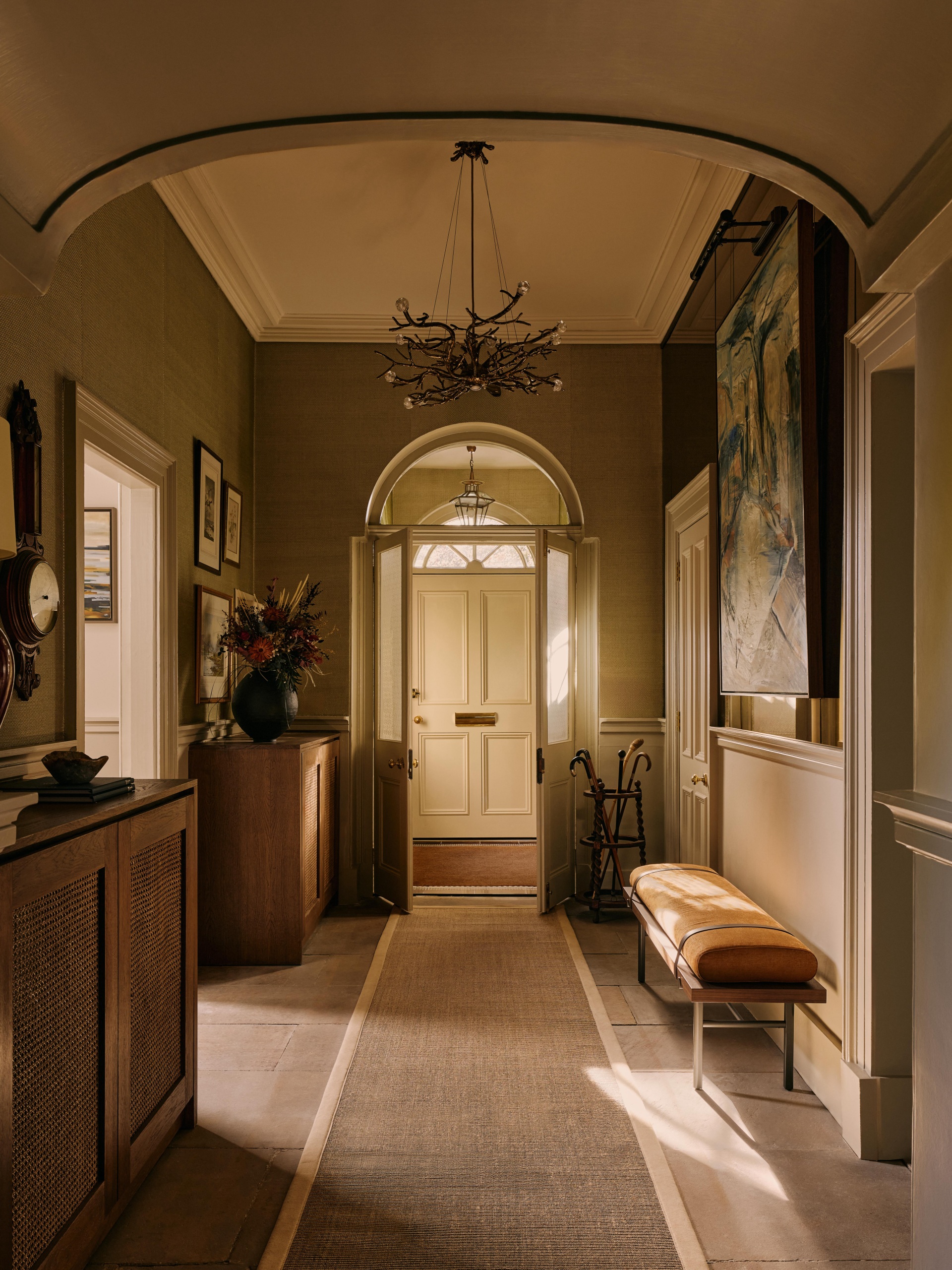
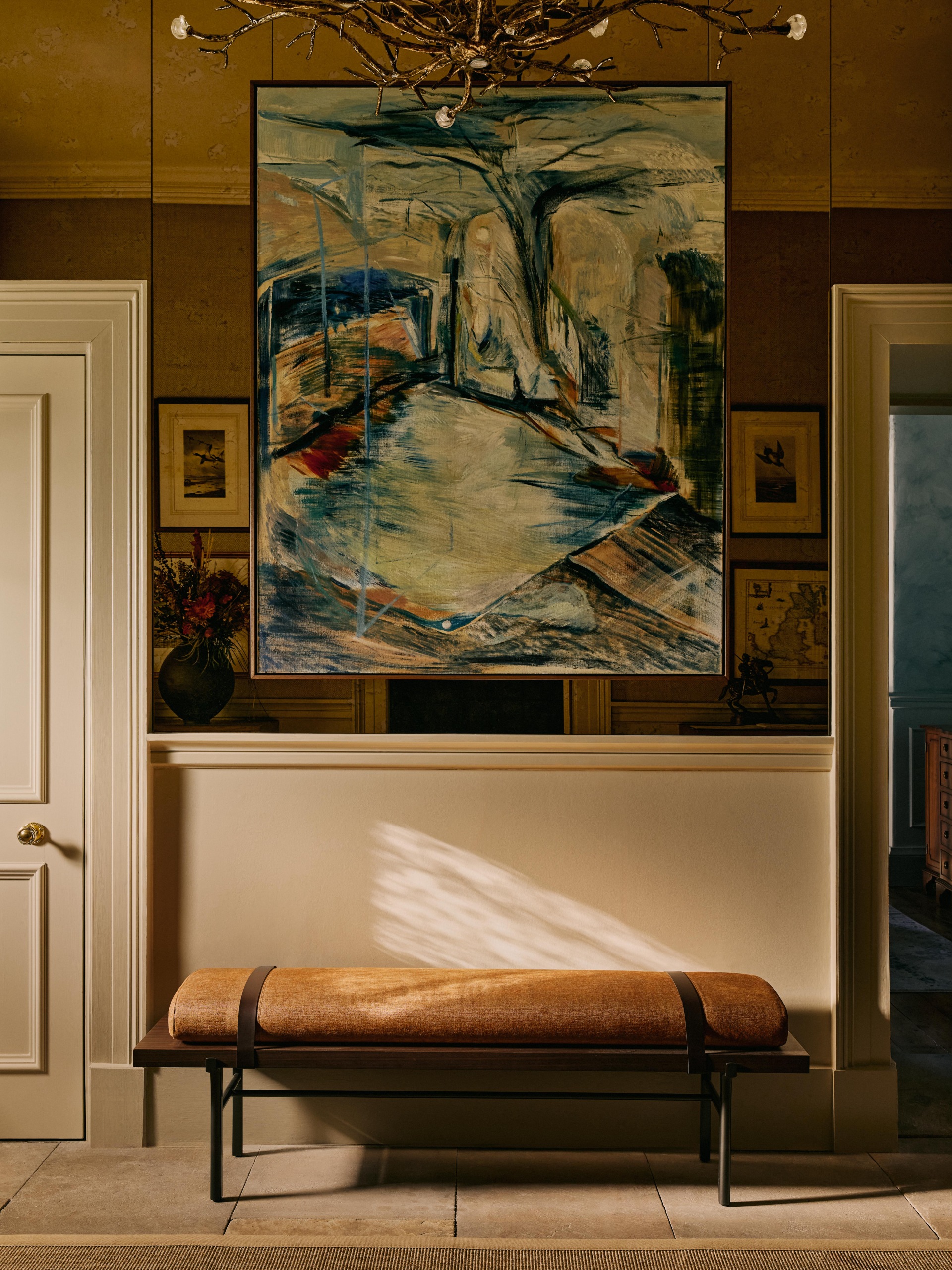
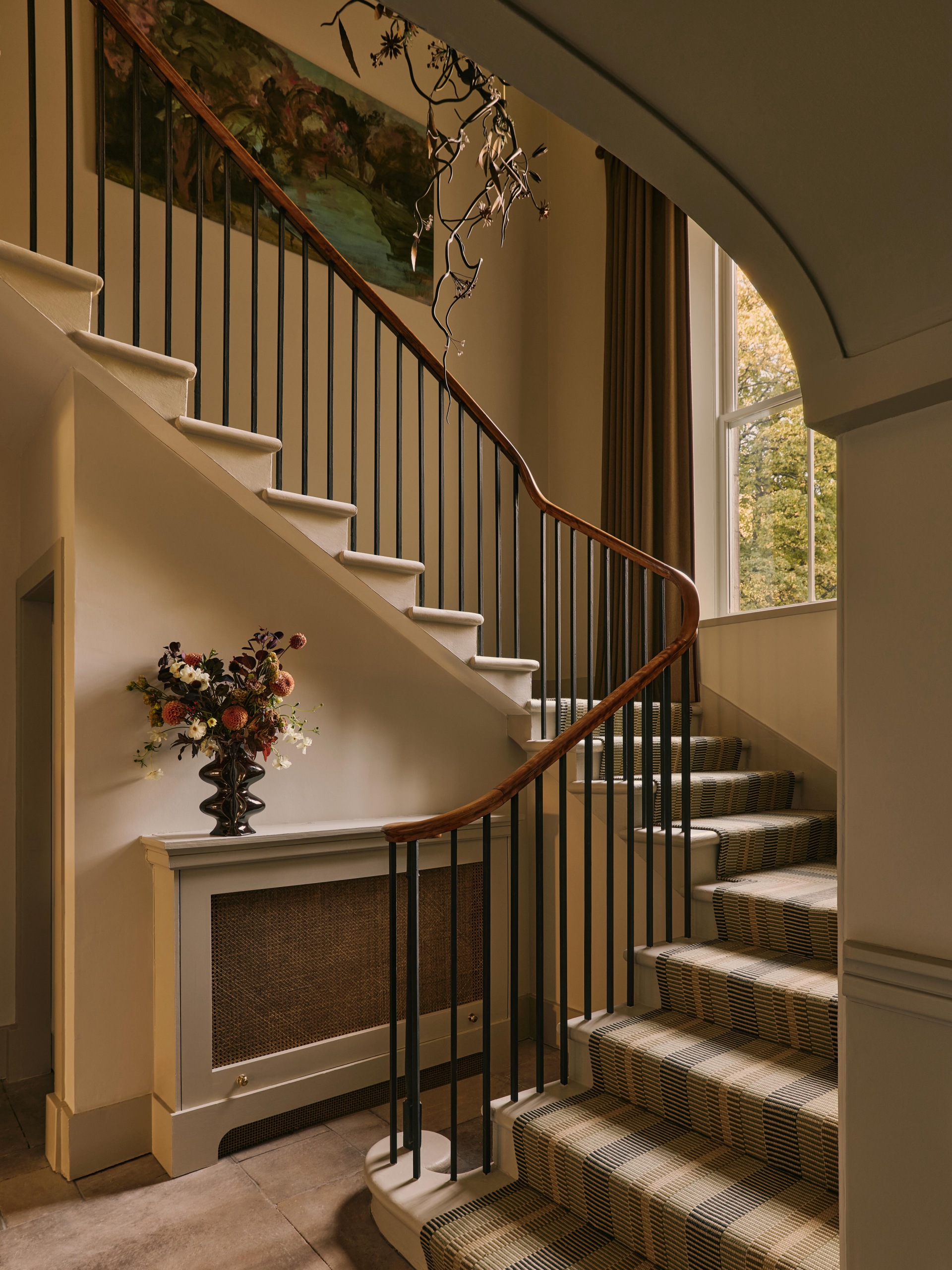
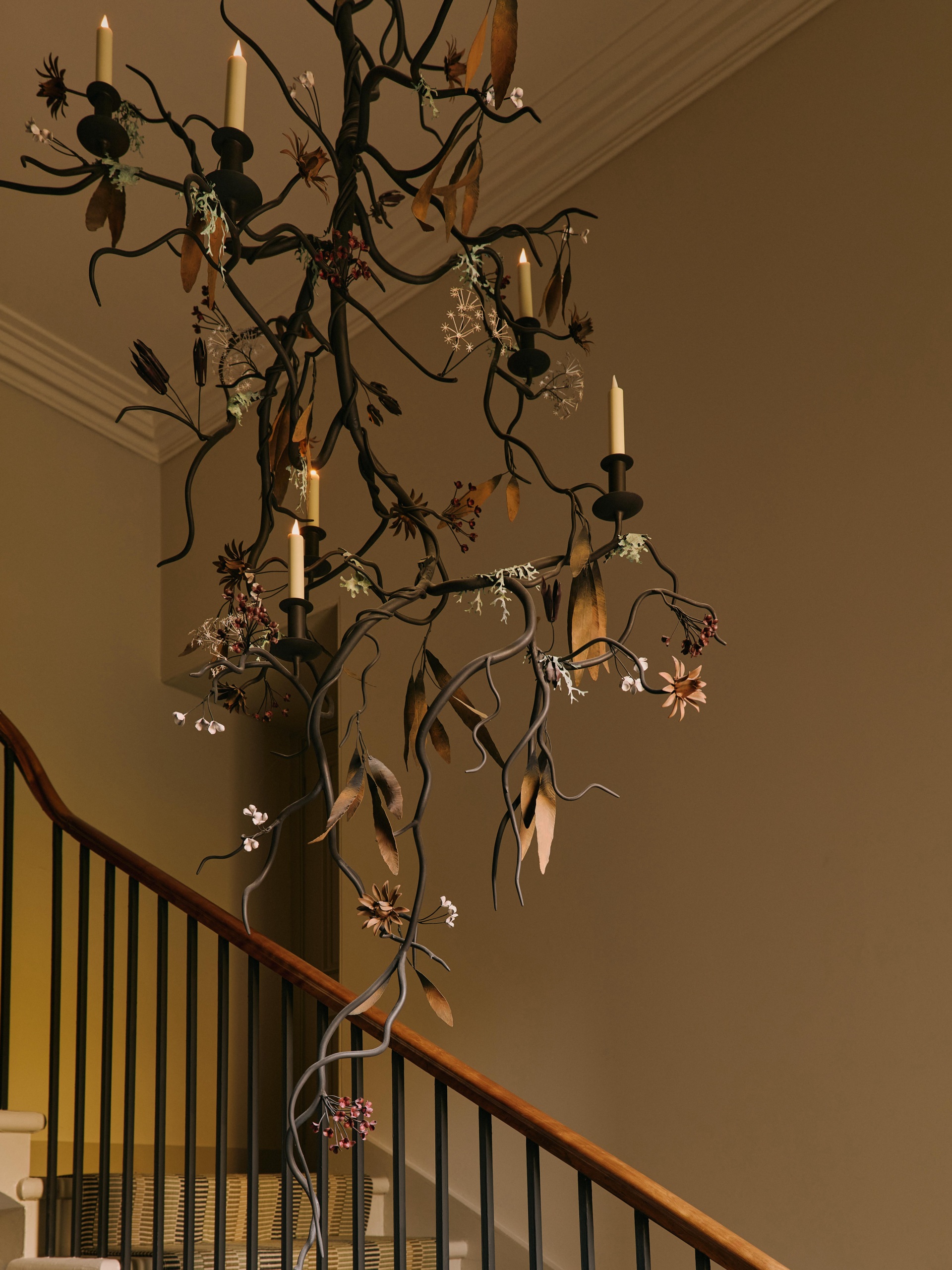
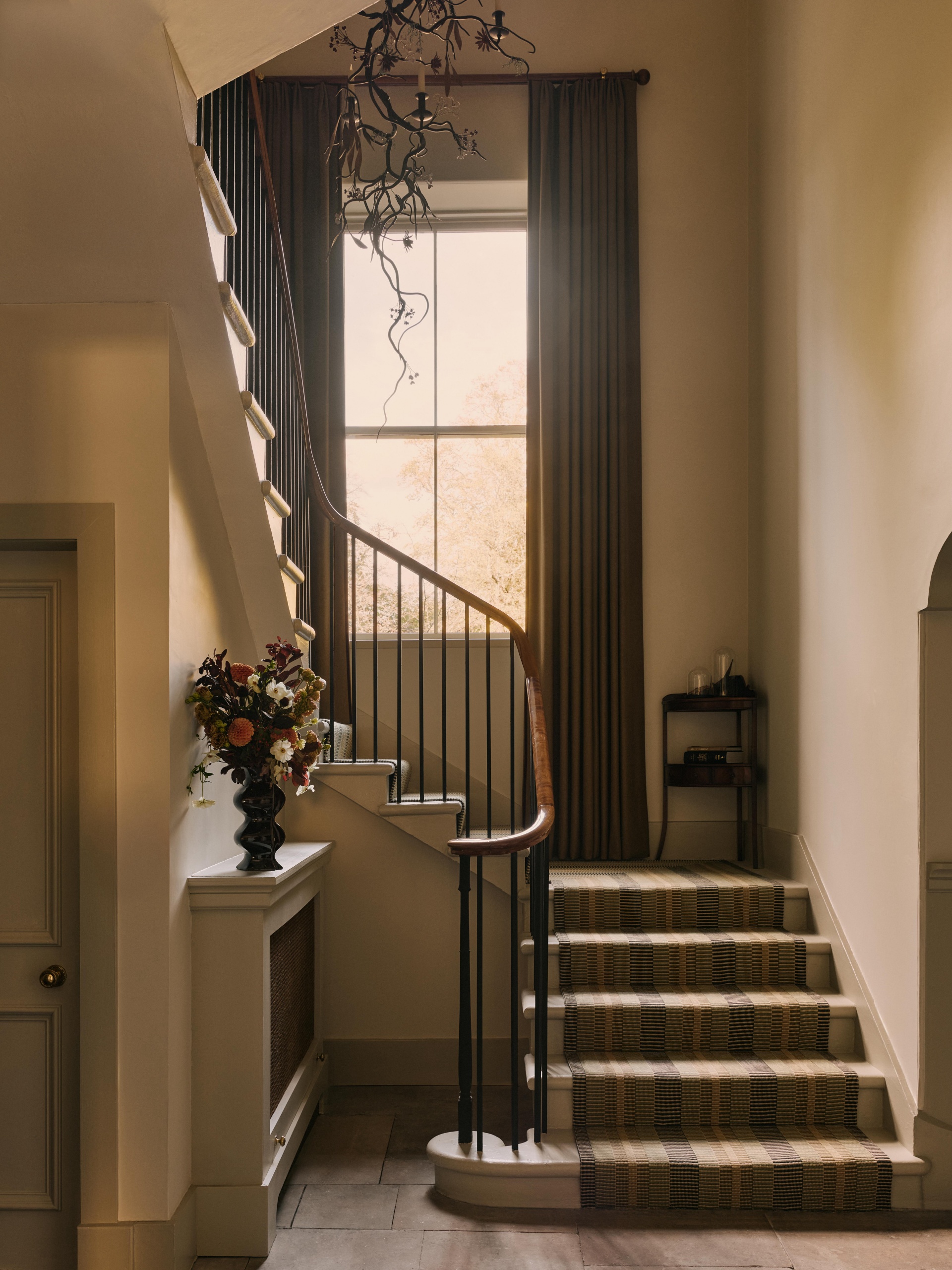
Guests arrive through a stone-clad entrance into an atmosphere of understated warmth. The interiors pair moody wallpapered walls, antique mirrors, and artwork on loan from the Royal Scottish Academy with contemporary illumination, including Pieter Adam’s branch-like Twiggy chandelier. At the heart of the residence hangs a bespoke Cox London chandelier inspired by their Queen of the Night model, its brass boughs delicate with native flora: Scotch Broom, Astrantia, Cows Parsley, wheatgrass, and Scottish Bracken.
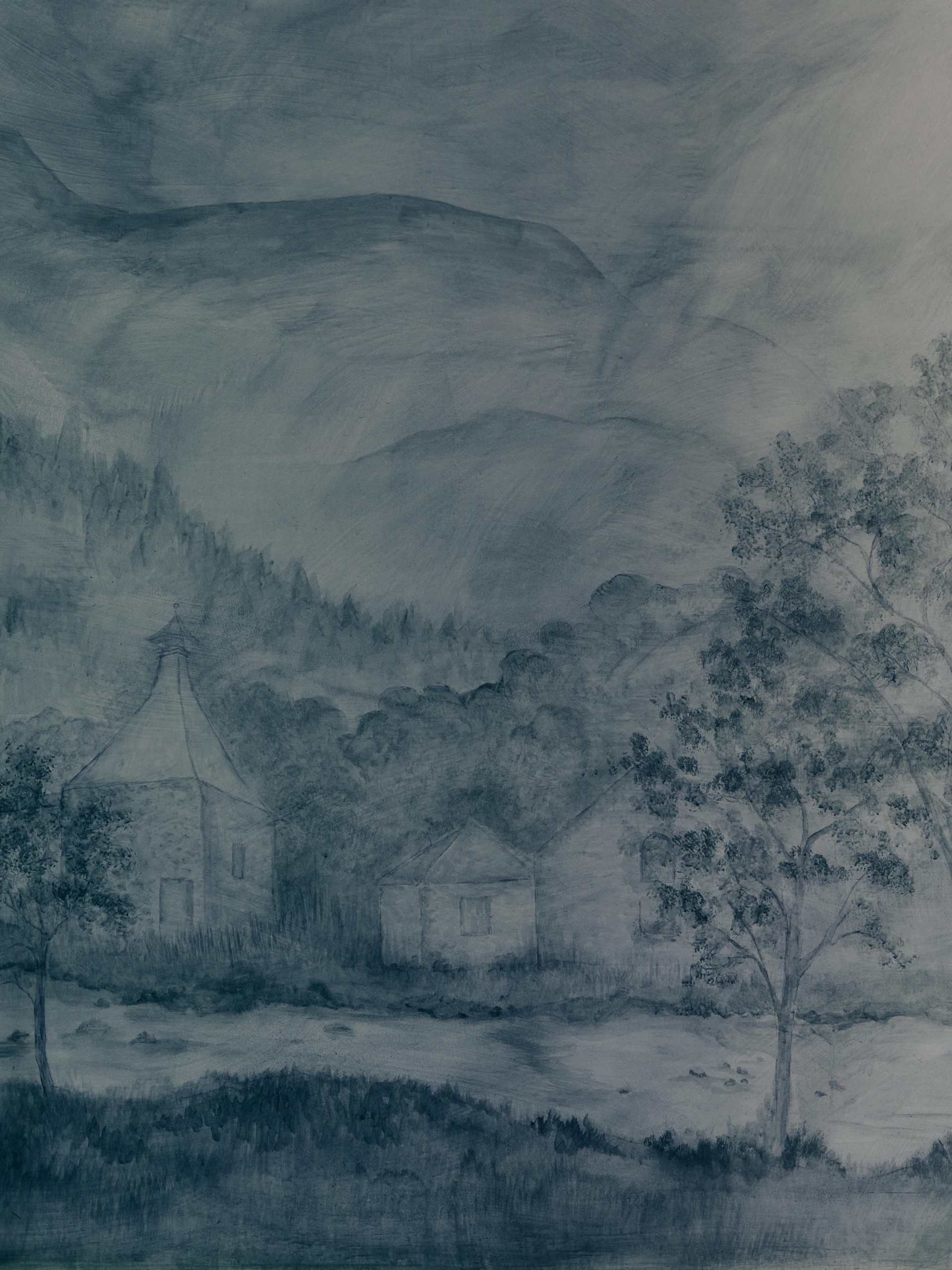
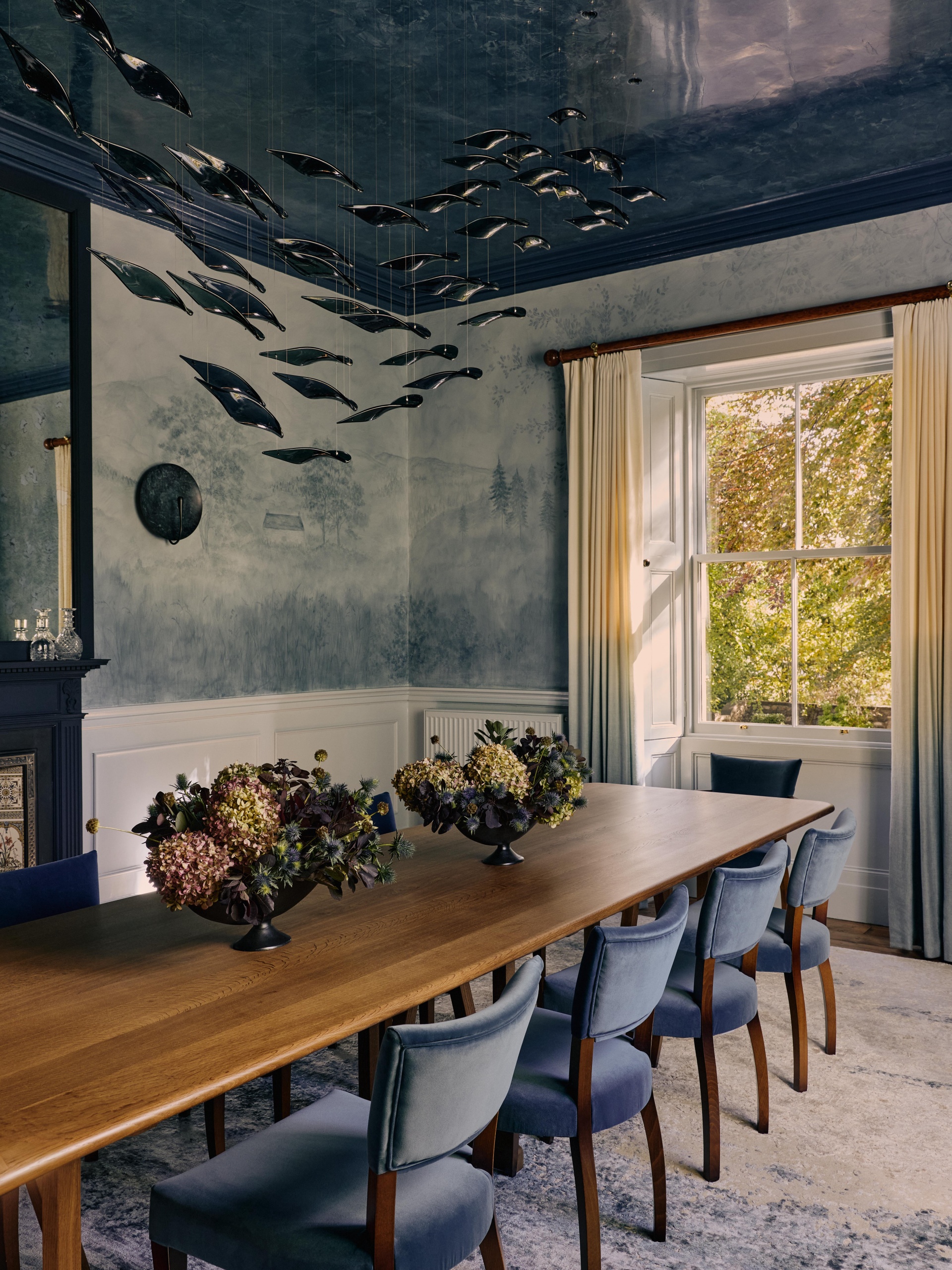
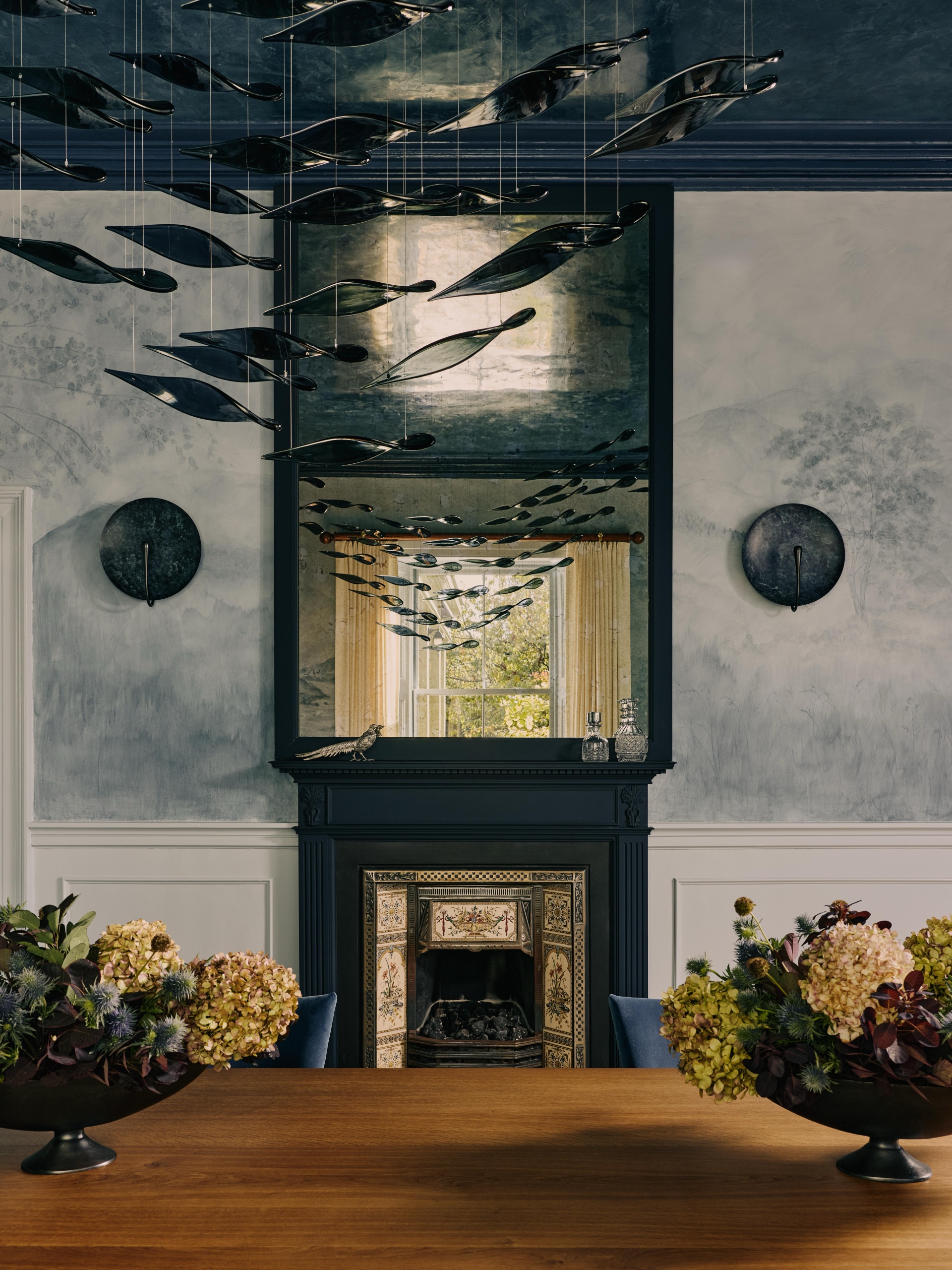
In the formal dining room, the tribute to water becomes explicit. Artist Tess Newall hand-painted a deep-blue mural depicting the distillery and its surrounding water sources, set beneath a lacquered high-gloss ceiling that mirrors light like a calm Highland loch. Above a twelve-seater Matthew Cox dining table, a suspended Sans Souci glass chandelier ripples with inky-blue leaves, casting subtle reflections across the room.
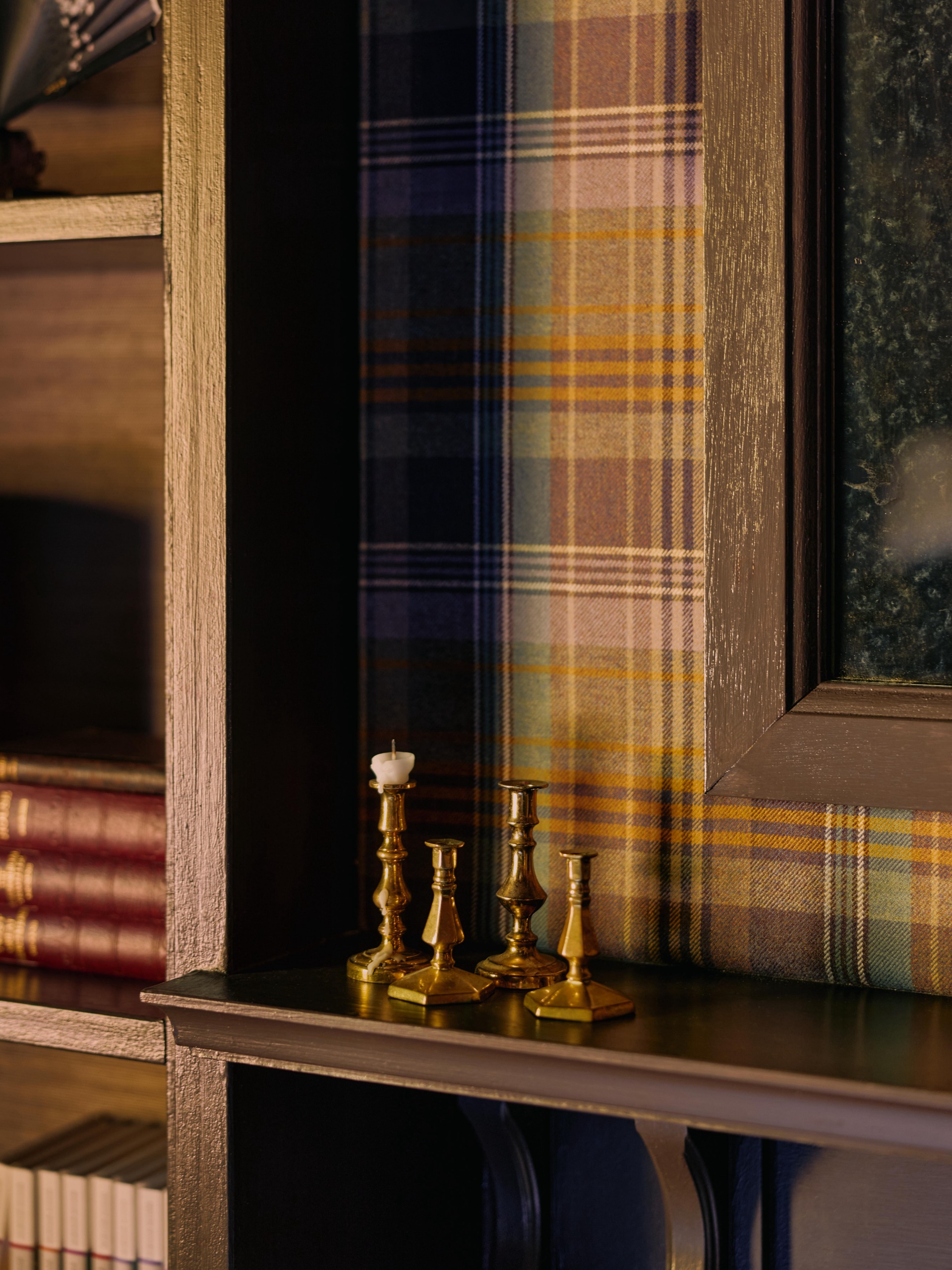
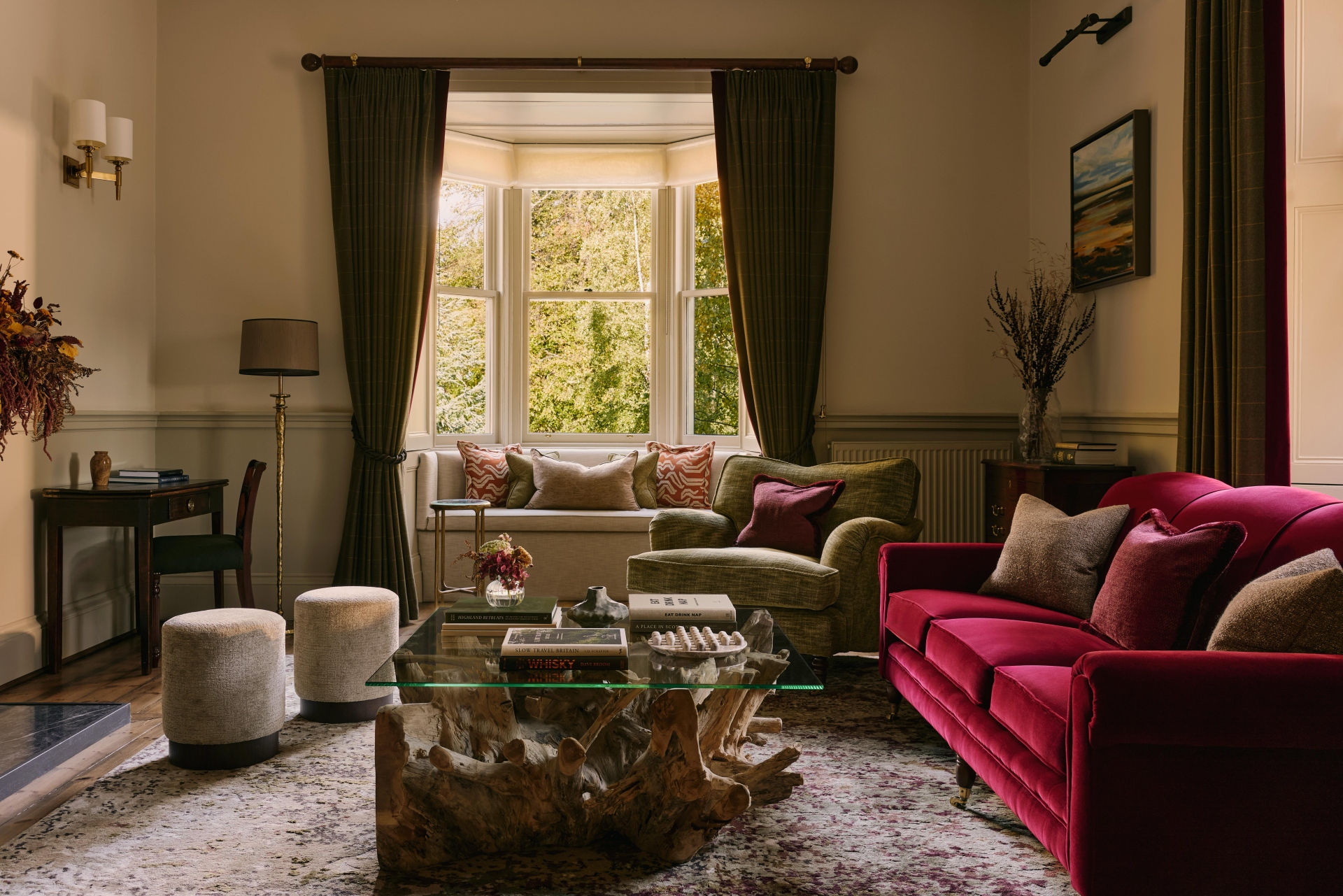
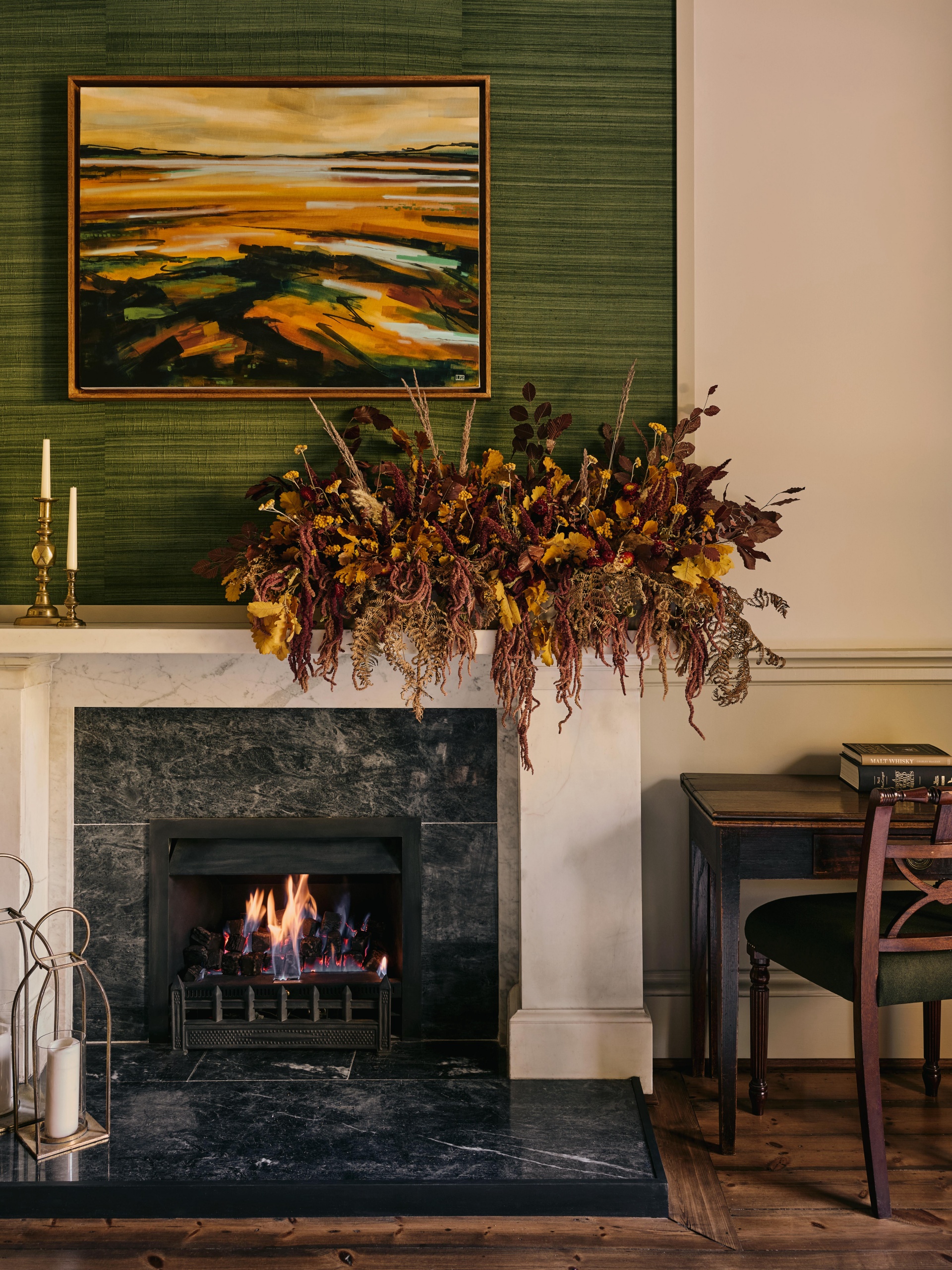
Adjacent to the dining space, the drawing room offers a refined take on classic Scottish country interiors. Here, original timber floors have been carefully restored and anchored by a custom Riviere rug. Traditional furnishings were revived using local textiles from historic Scottish mills, pairing regional tweeds and woollens with deep red velvets and clean-lined modern silhouettes, illuminated by a soft glow from a Vaughan Colombier chandelier.
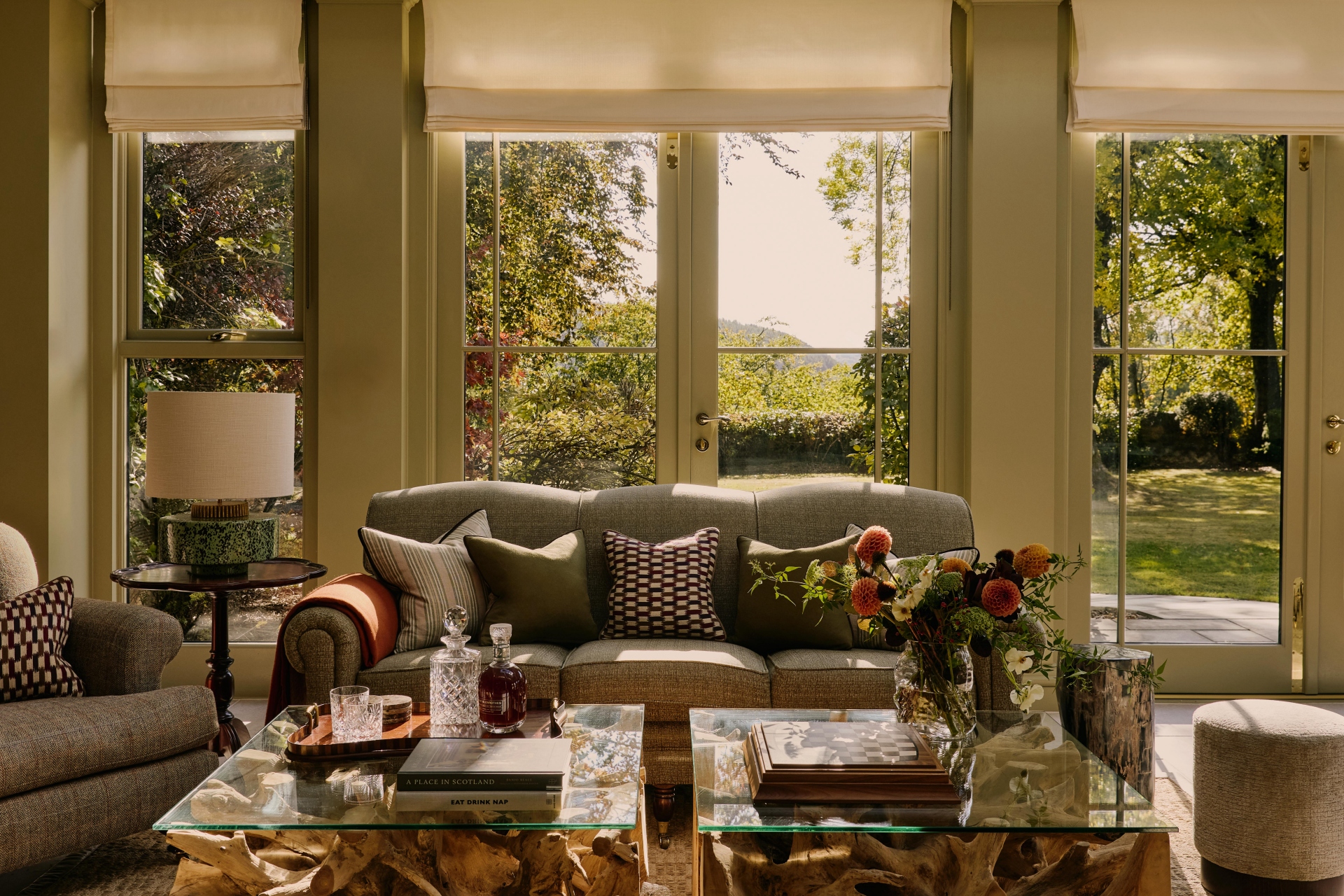
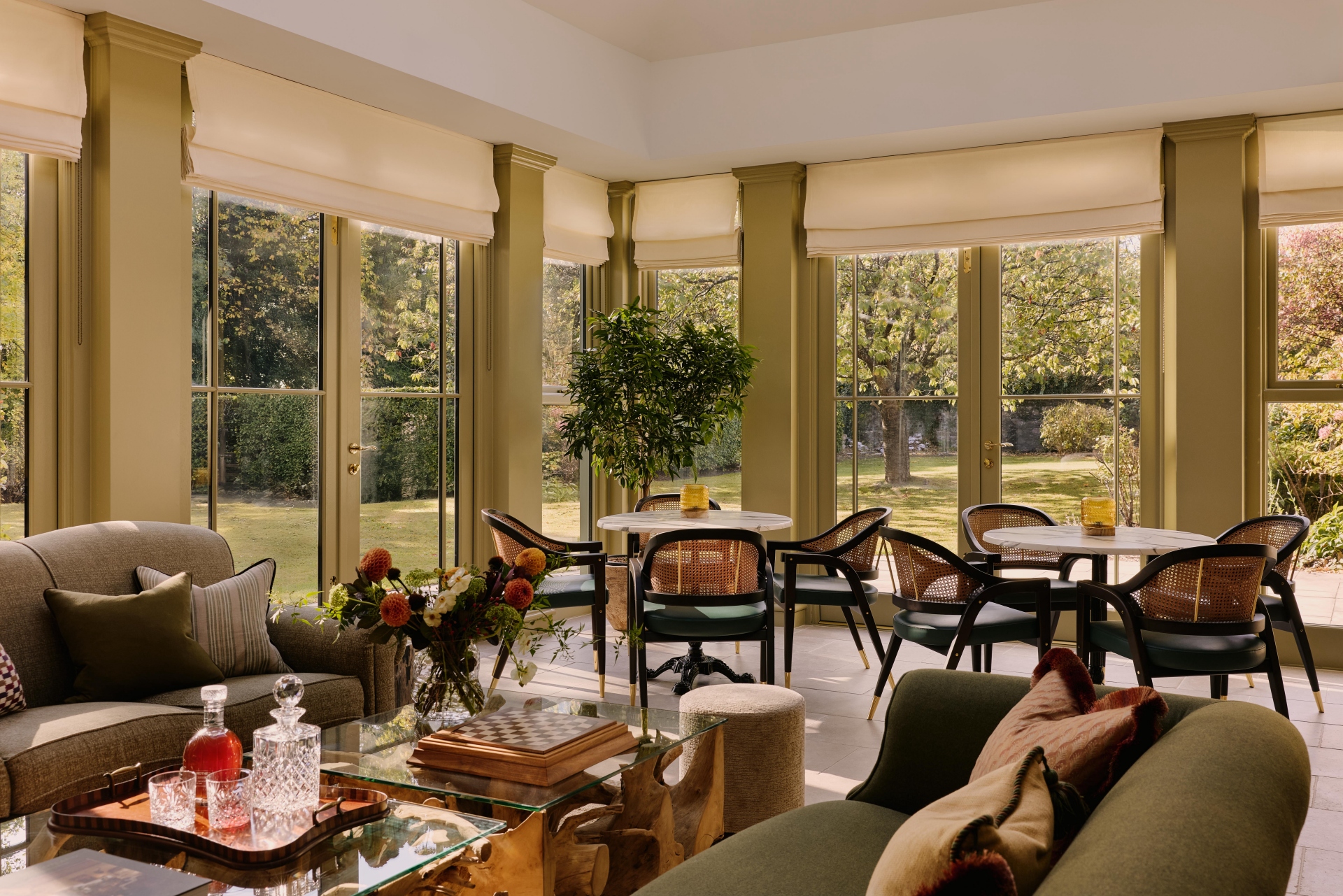
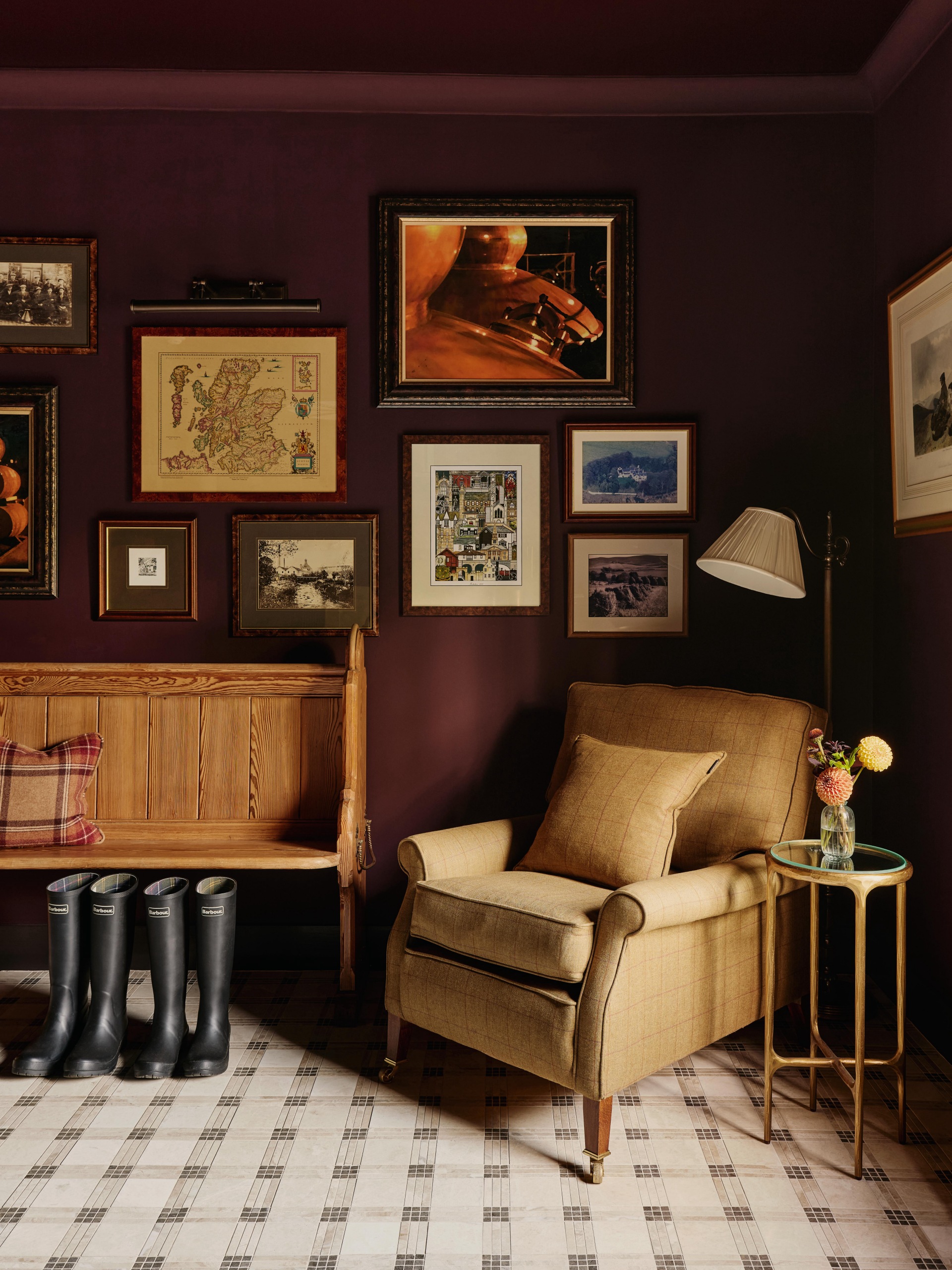
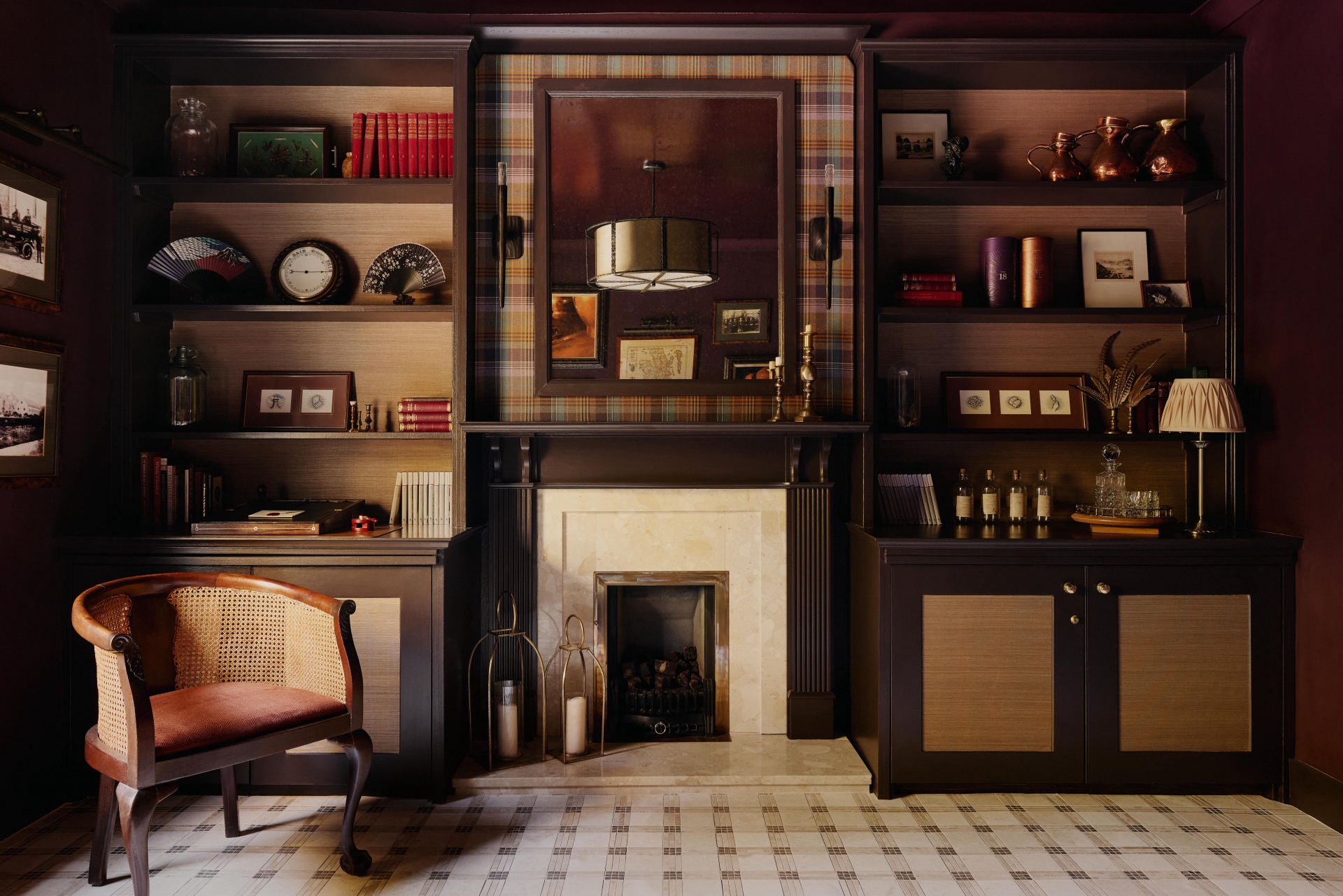
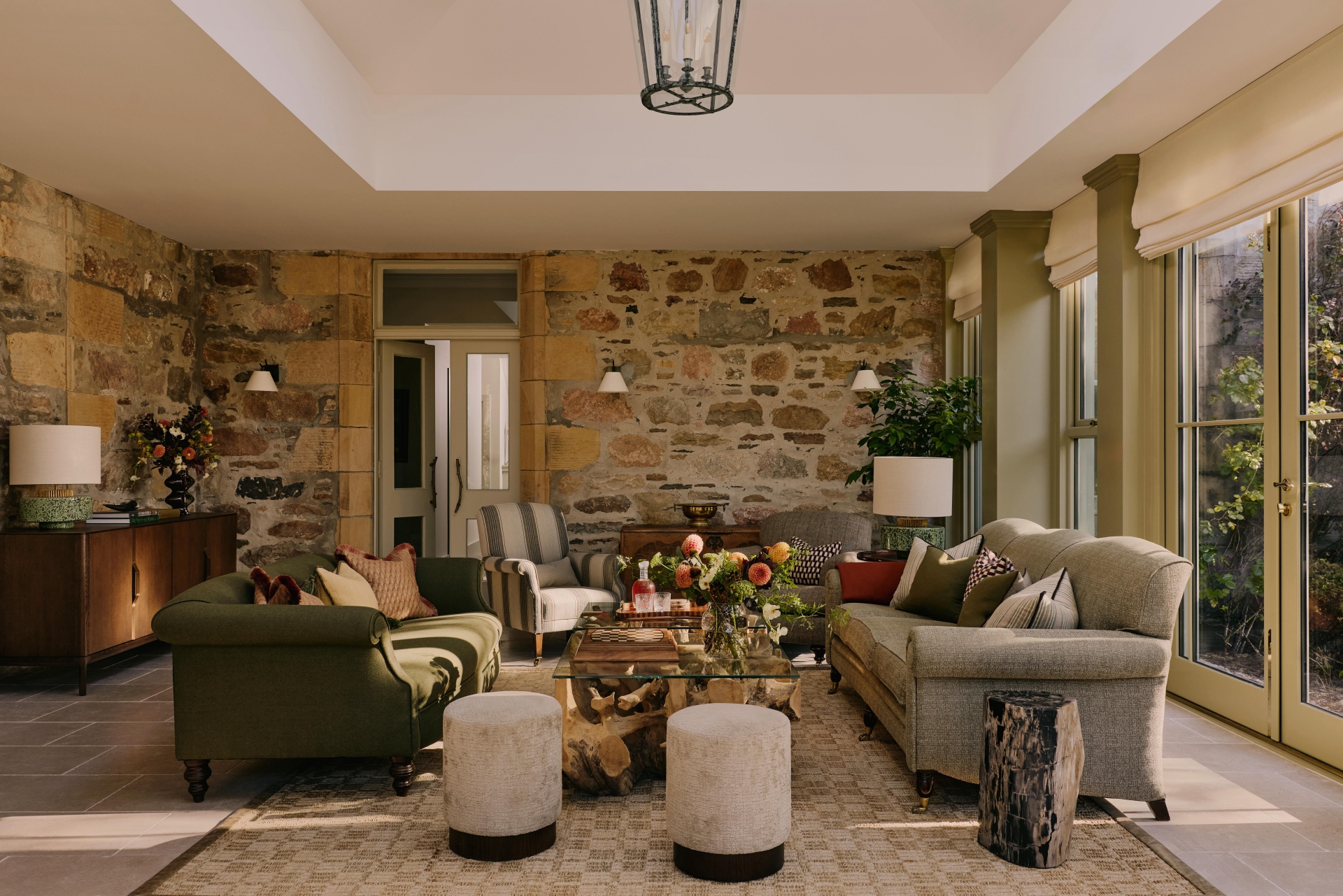
A newly added glass-clad orangery functions as a year-round winter garden, bridging the indoor spaces with the Highland scenery. Outfitted with layered tartans, wools, and a central sculptural driftwood coffee table, the space overlooks sweeping lawns stretching down to the river. Meanwhile, the Boot Room - finished in deep aubergine with high-gloss ceilings - serves as a practical yet evocative transitional space where guests gear up for estate walks among curated libraries and bespoke textiles.
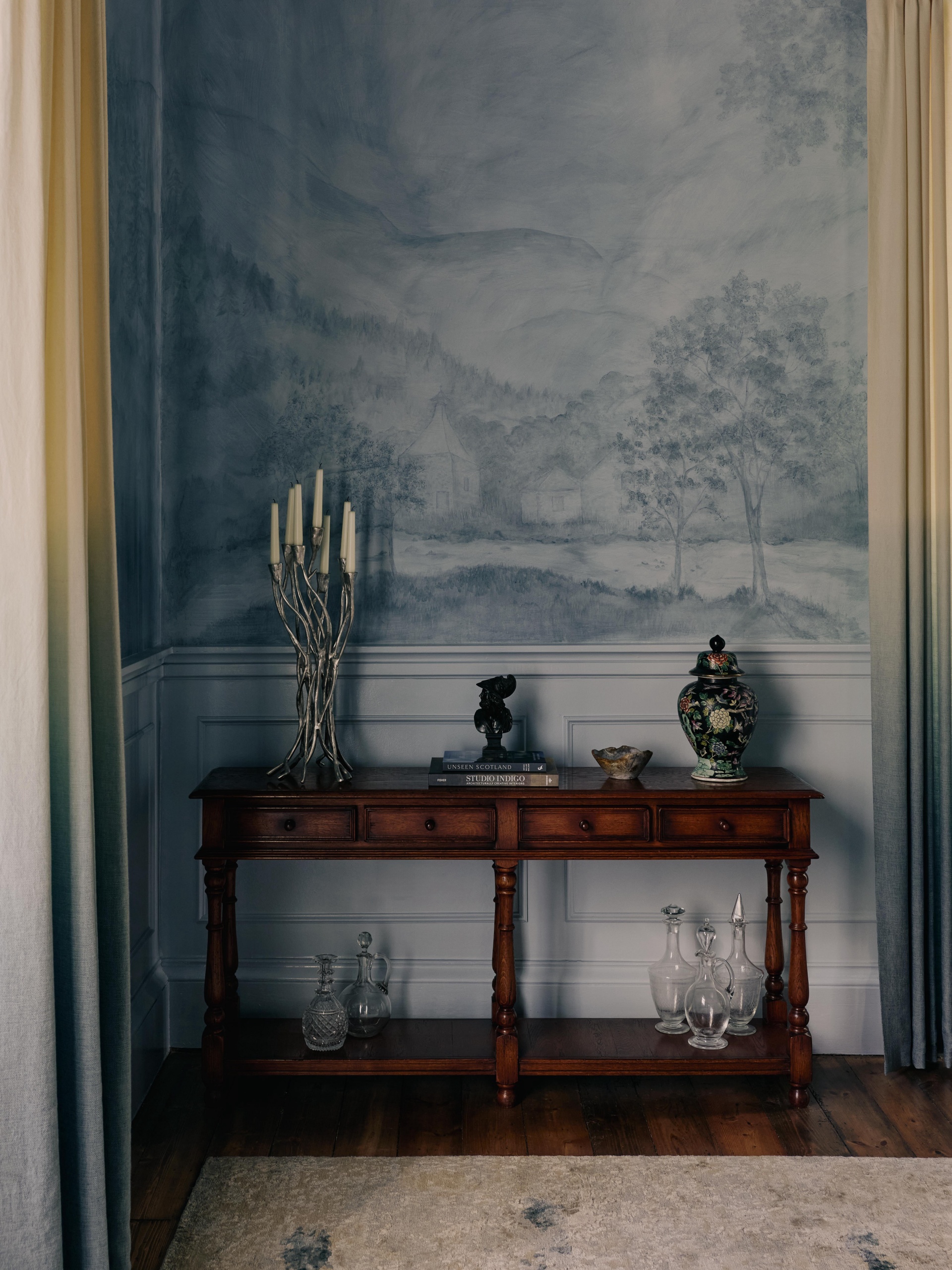
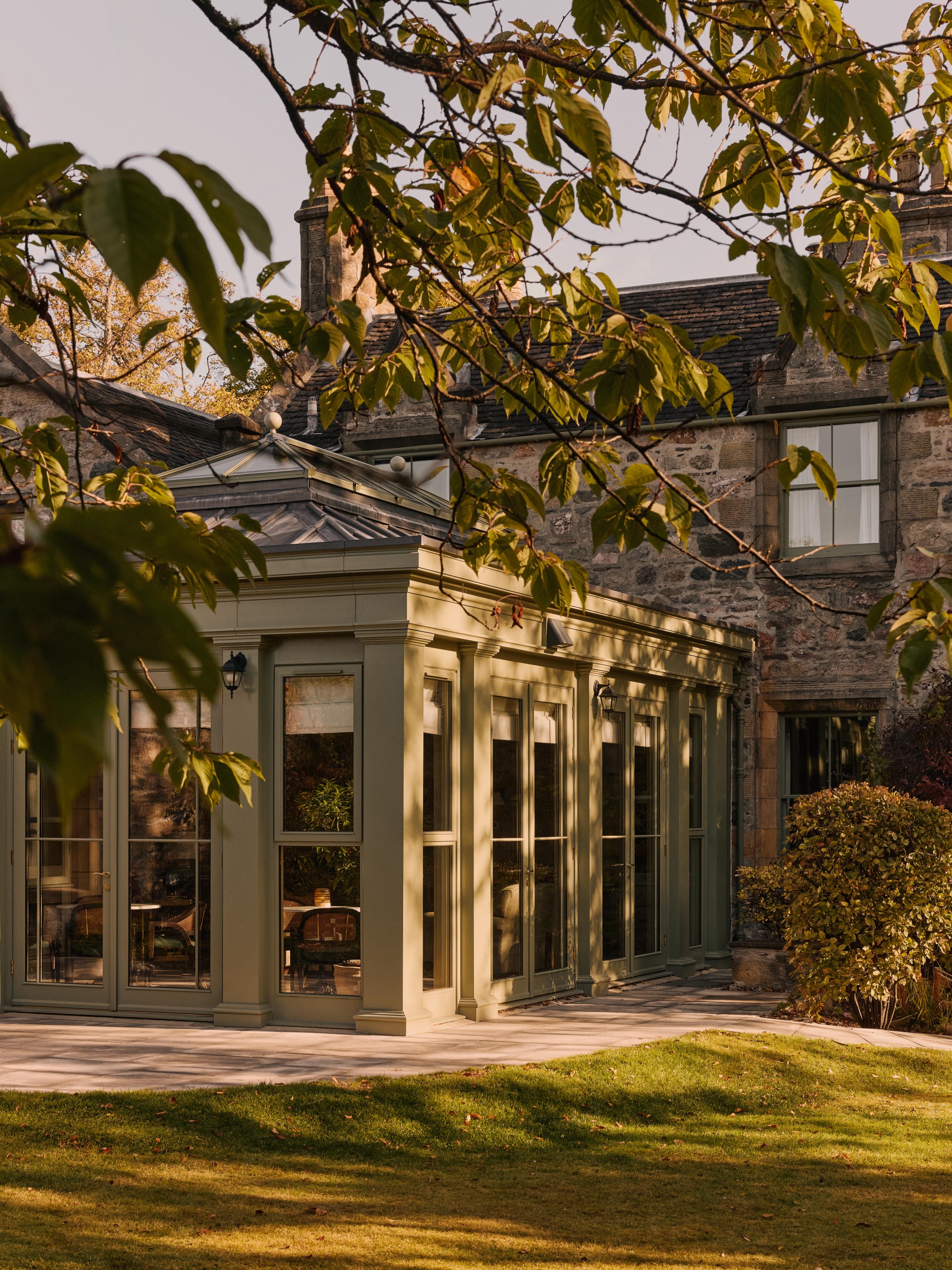
Every room highlights a commitment to local provenance and sustainable restoration. Much of the manor’s original furniture was salvaged and reupholstered, drawing on the expertise of regional artisans including Lochness Furniture. Interior fabrics were sourced directly from renowned Scottish producers, such as Johnstons of Elgin and Knockando Woolmill - one of Scotland’s oldest operating textile mills.
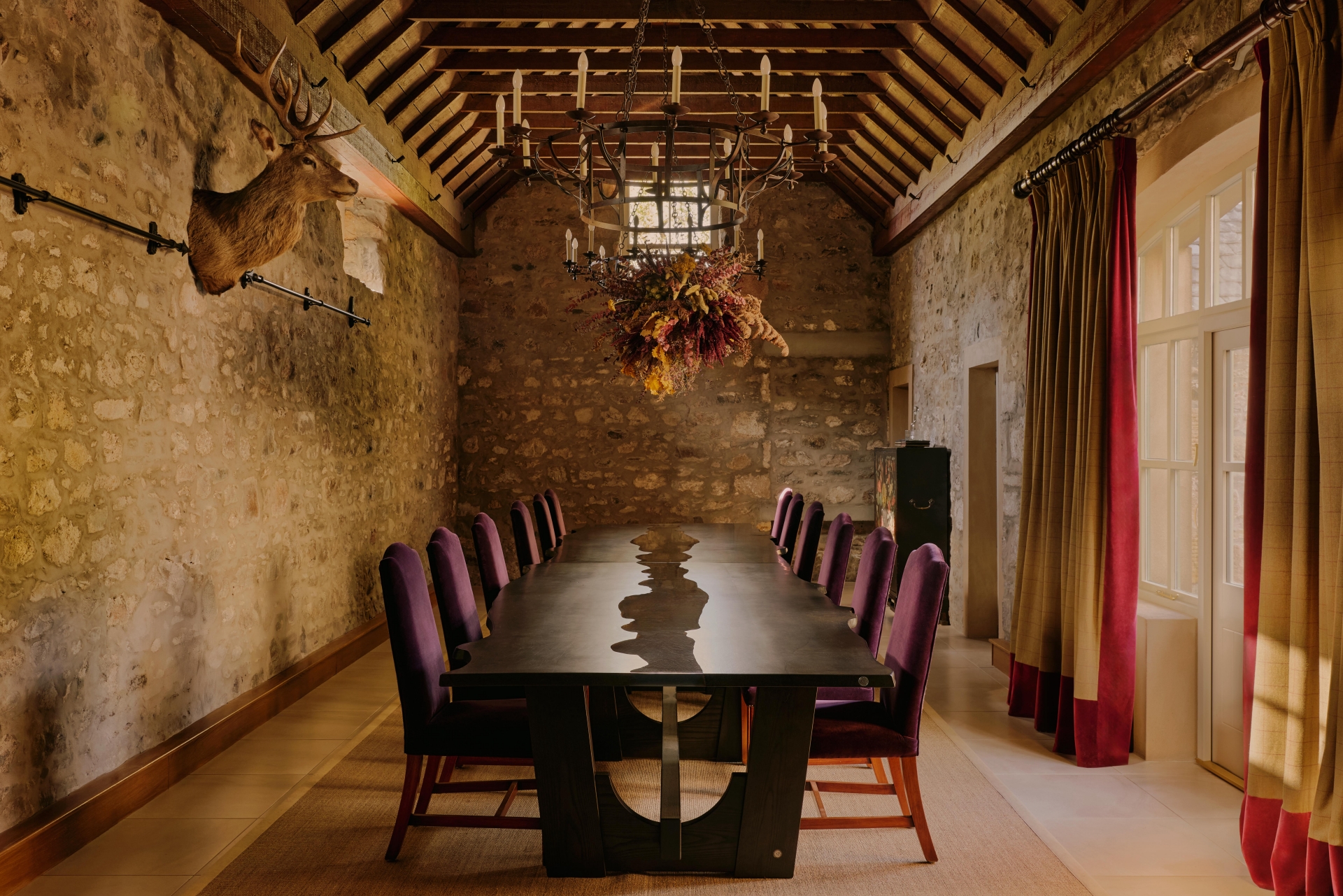
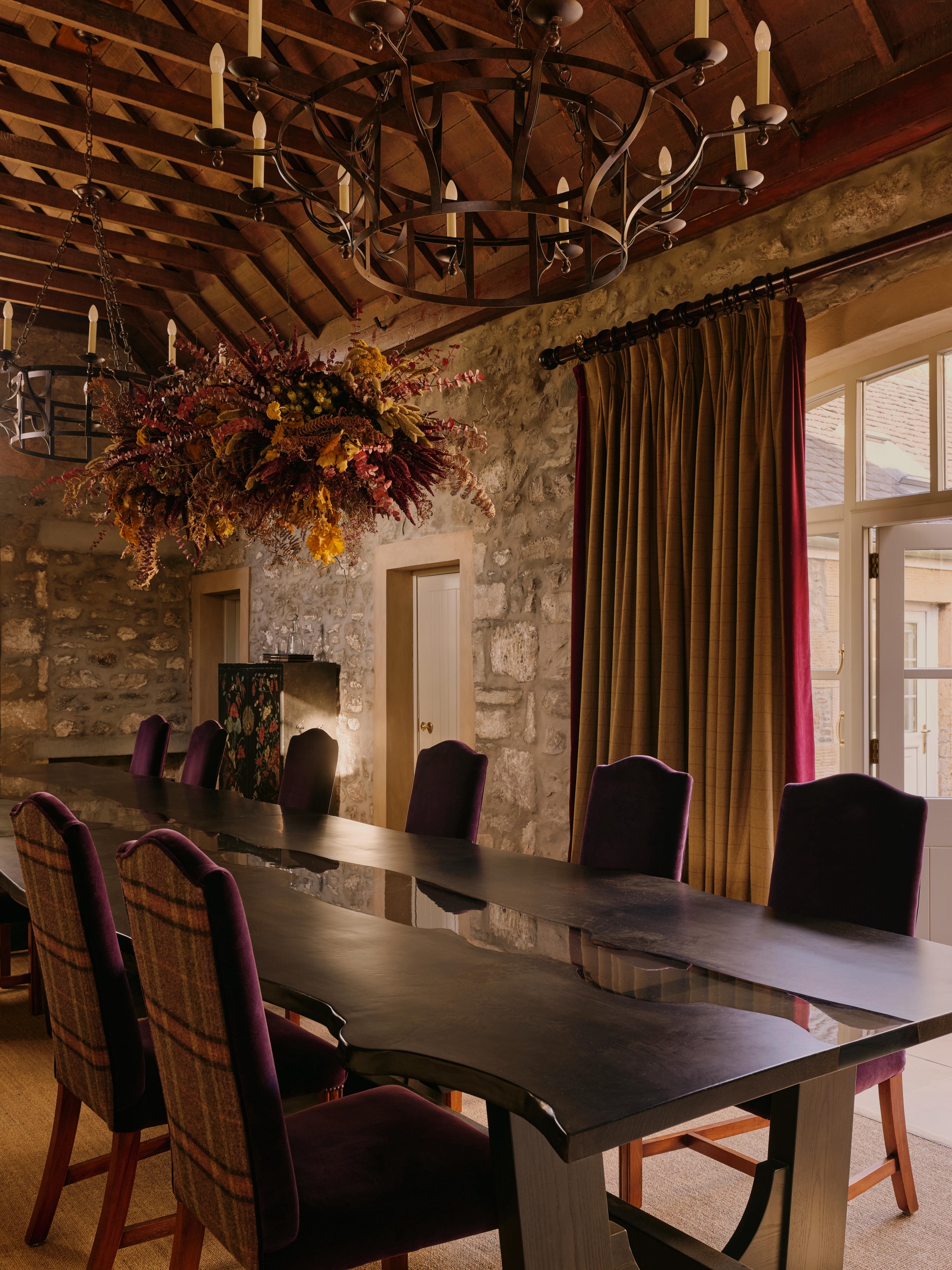
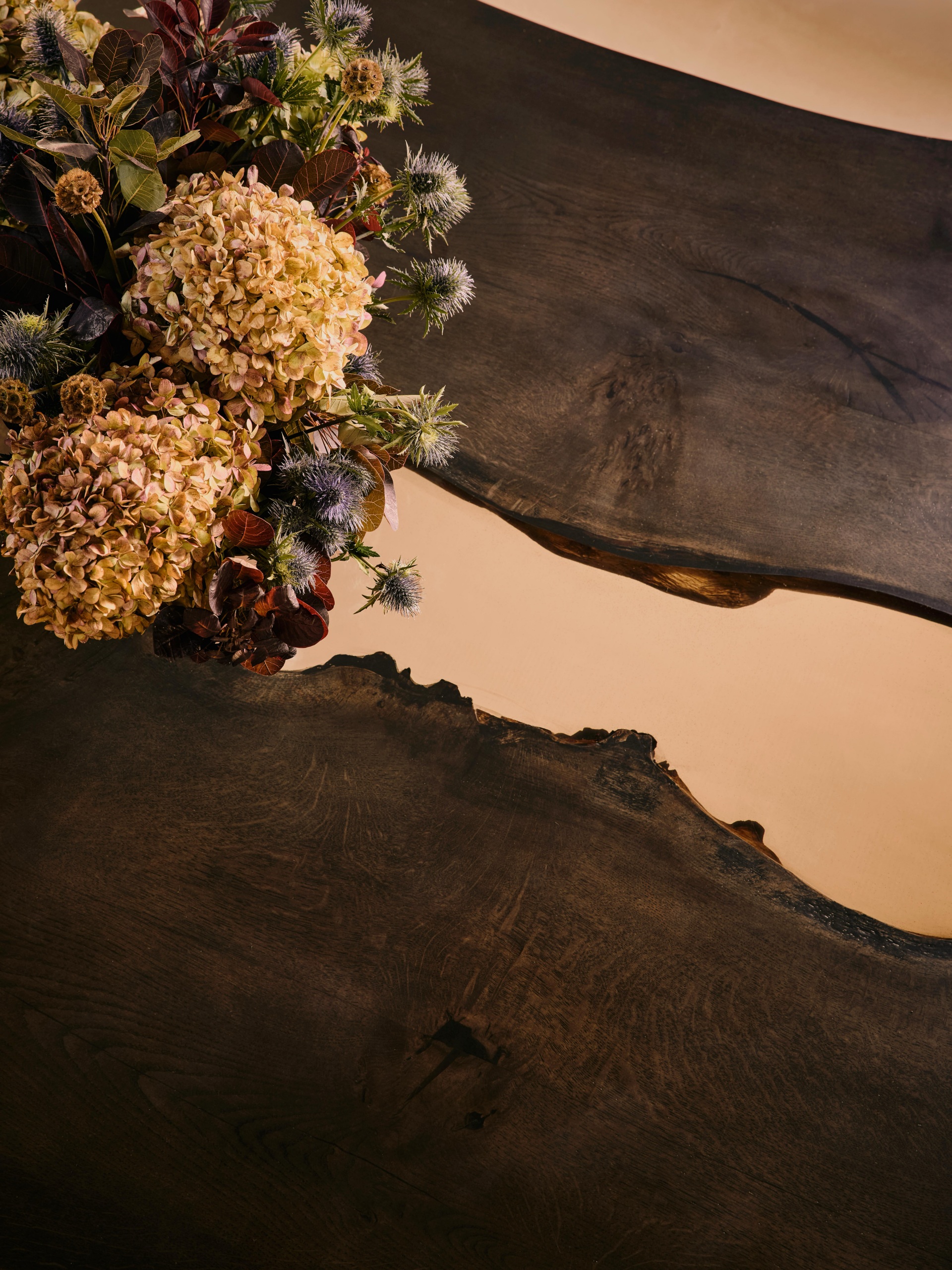
In the banqueting hall, medieval architectural bones - exposed timber beams and rugged stone walls - frame a striking 5.8-metre table crafted from native Scottish oak by local artisan Steven Burgess. Embedded along its center, a dark resin ribbon mimics the nearby Burn of Rothes, bringing the elemental narrative full circle.