PODCAST
WHAT MAKES A GOOD CONVERSATION? LOOK NO FURTHER THAN OUR ART OF THE CONVERSATION, FEATURING UNCONVENTIONAL STORIES AND PEOPLE WHO MOVE AND INSPIRE
LISTEN NOW


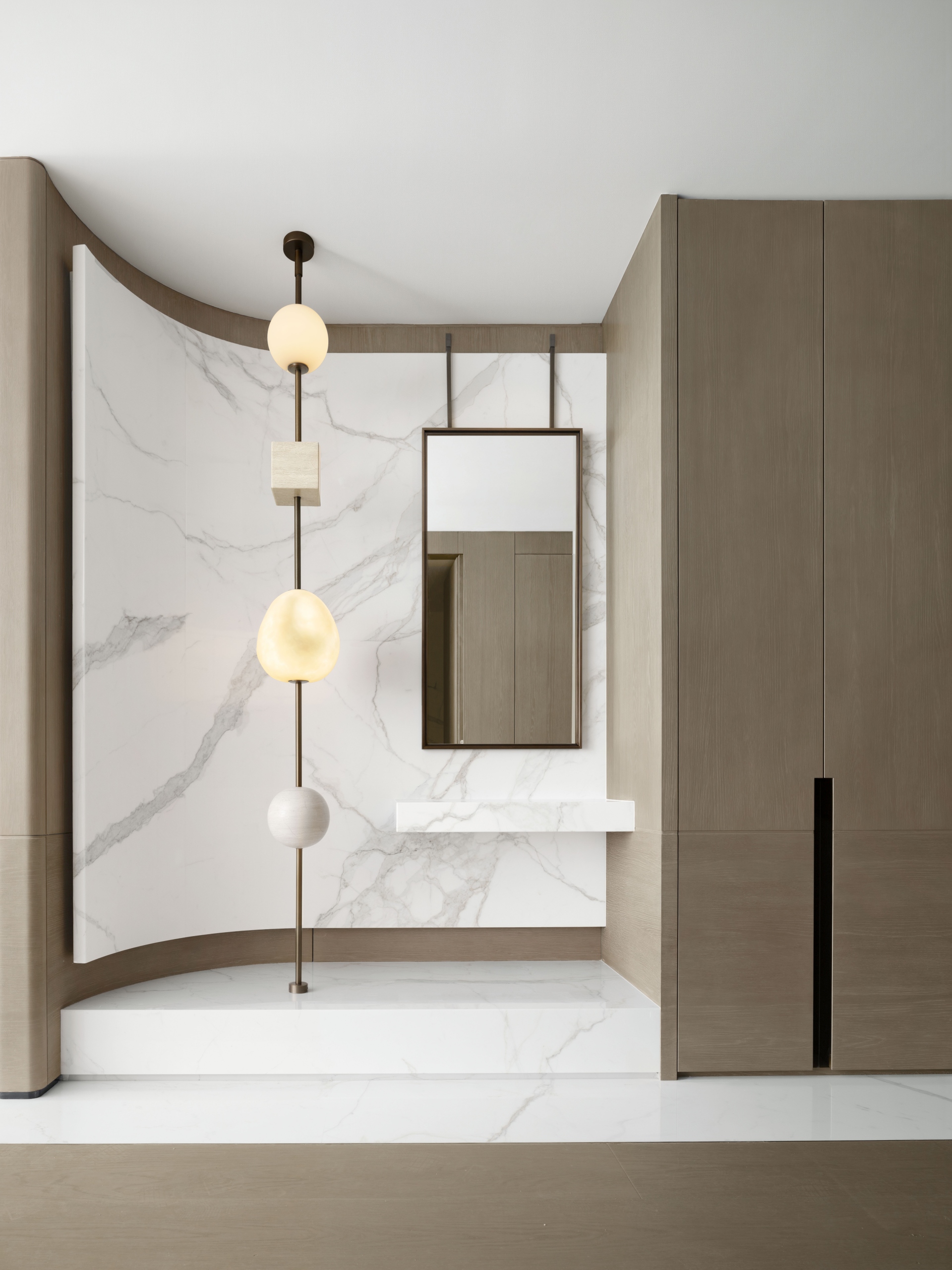
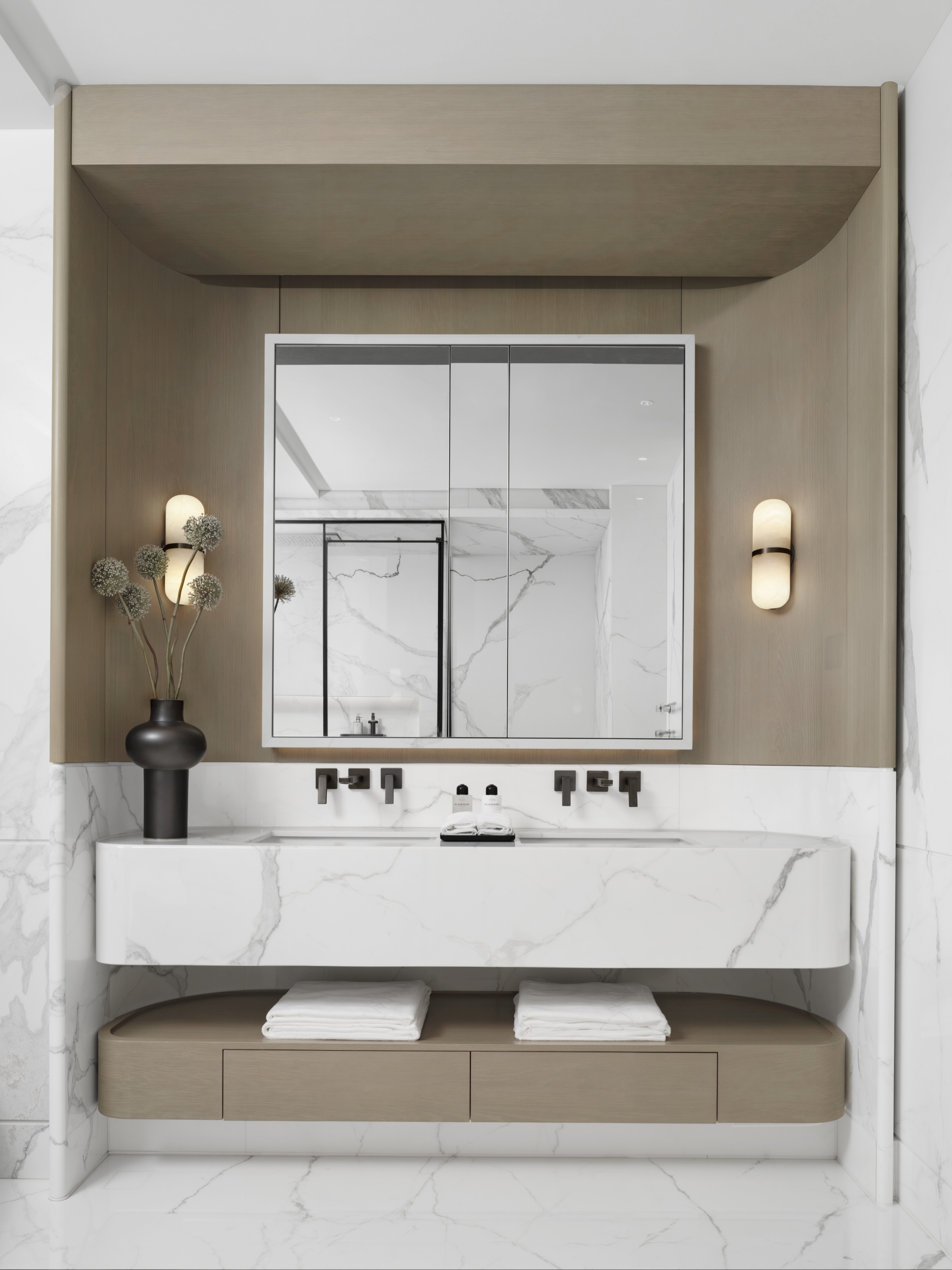
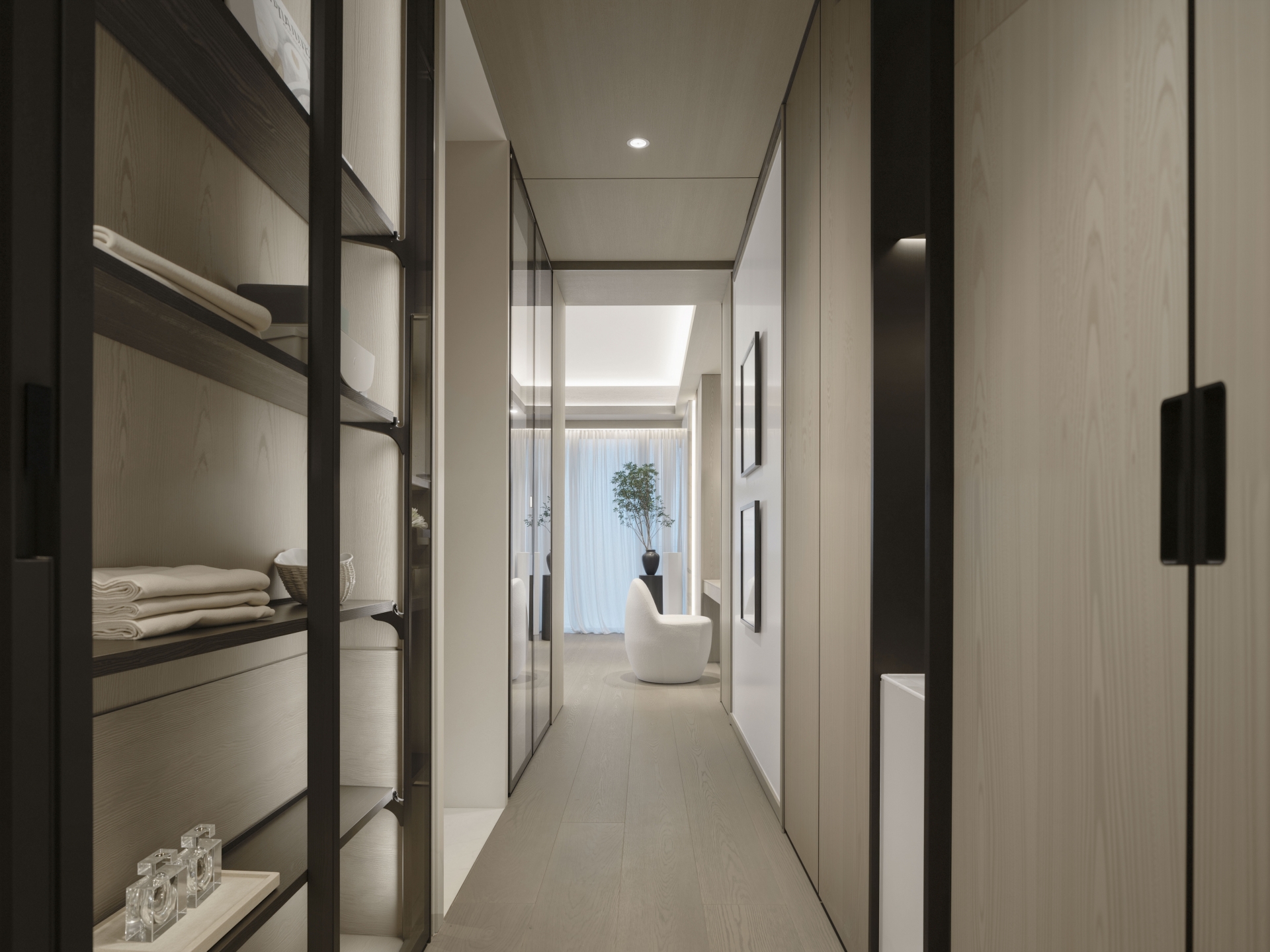
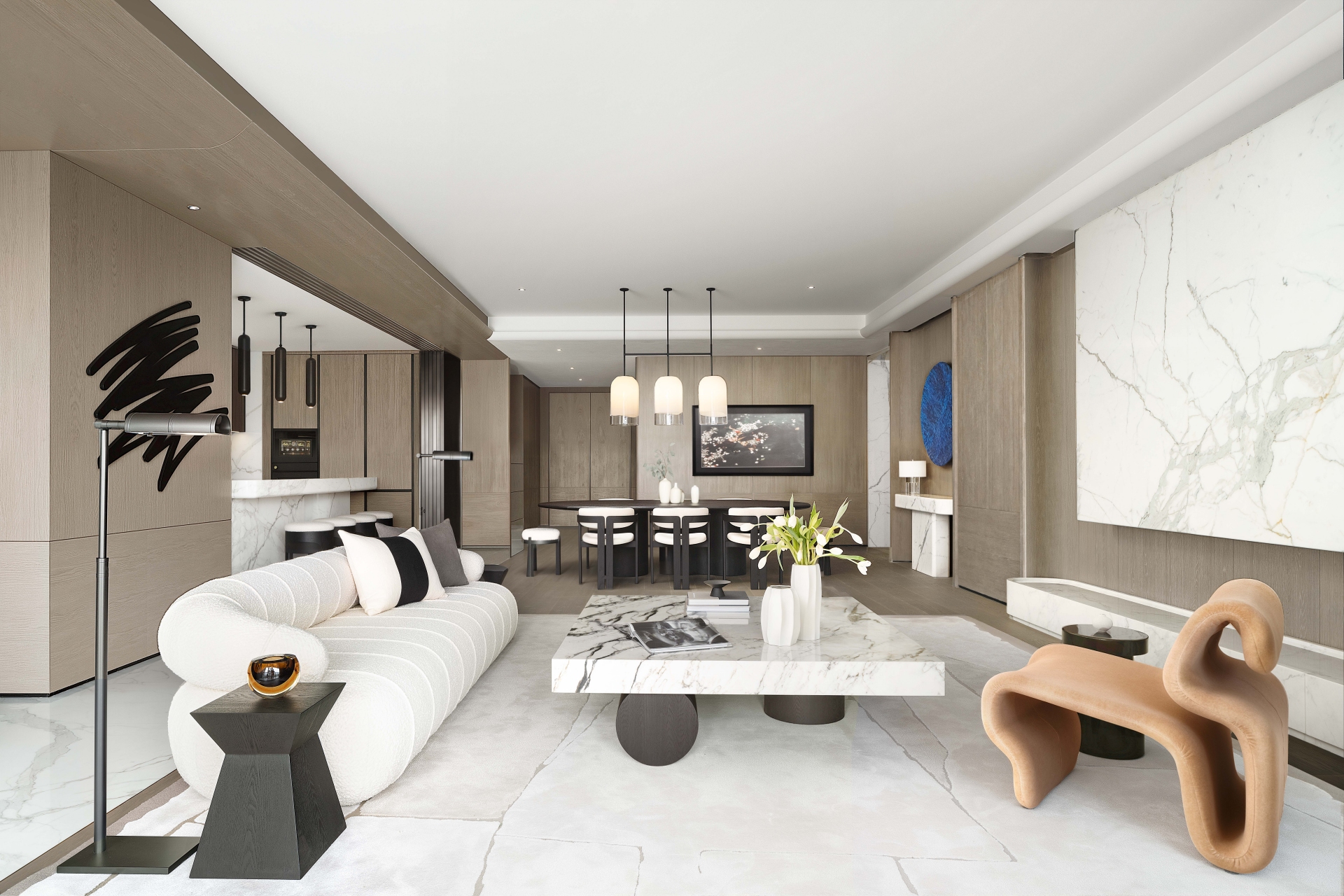
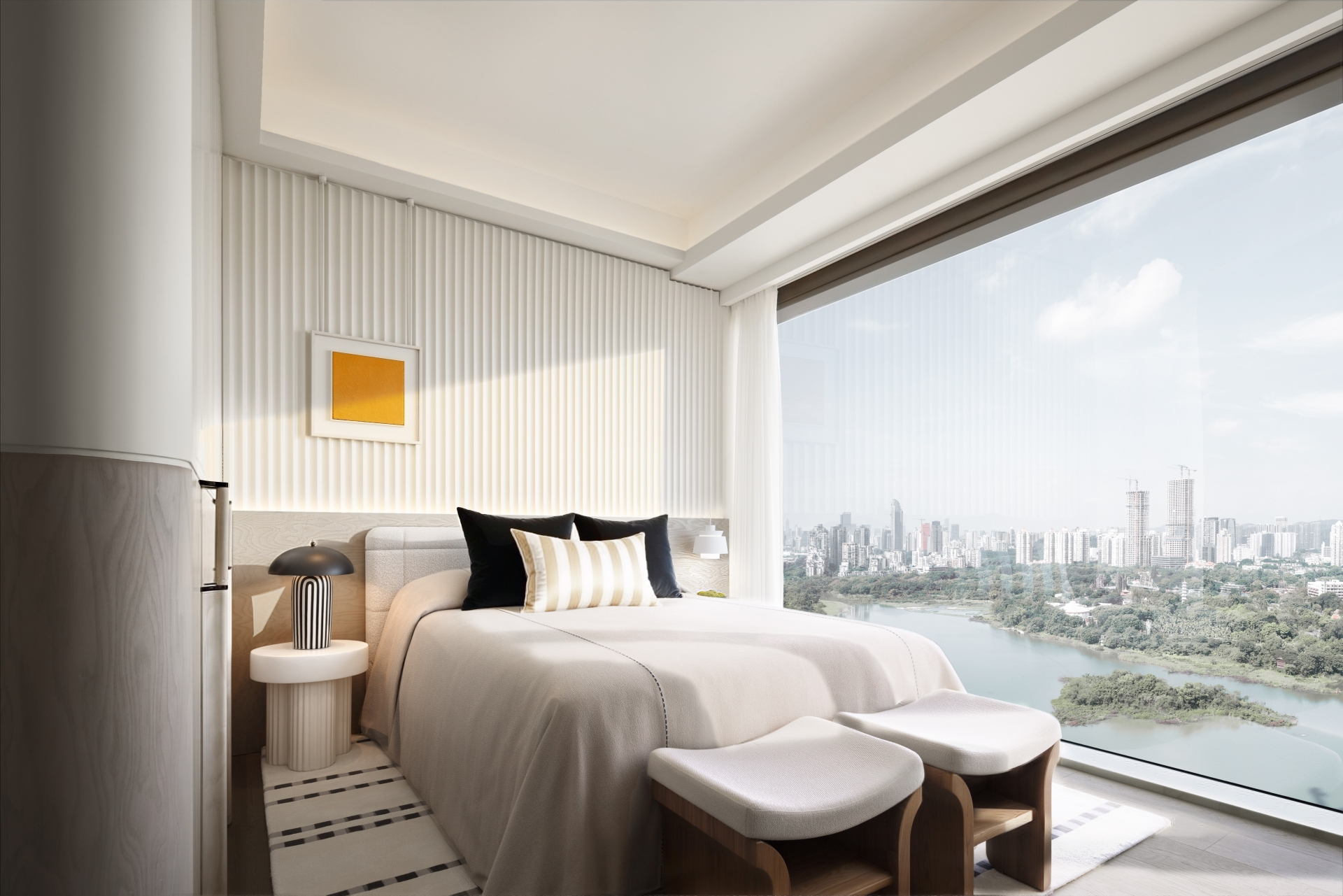
In the fast-paced, modern heartbeat of Shenzhen, Kelly Hoppen Design Studio has carved out a space of stillness. The Shenzhen GCC Liantai Super Bay project serves as a lesson in Hoppen’s philosophy: that luxury is defined not by excess, but by restraint, balance, and a deep understanding of the human experience. By blending natural textures, sculptural forms, and a soft, expansive design language, the London-based studio has transformed the residence into a “sculptural sanctuary”—a private space where physical comfort meets spiritual serenity. This project stands as a testament to the studio’s holistic approach, where every curve, ray of light, and tactile detail is meticulously sculpted to foster a timeless and restorative way of life. We speak to Kelly Hoppen about her vision, approach and journey on how she crafted these tranquil spaces.
The Shenzhen apartment has been described as a “sculptural sanctuary.” What was your starting point for shaping that vision, and how did you translate it into the final design?
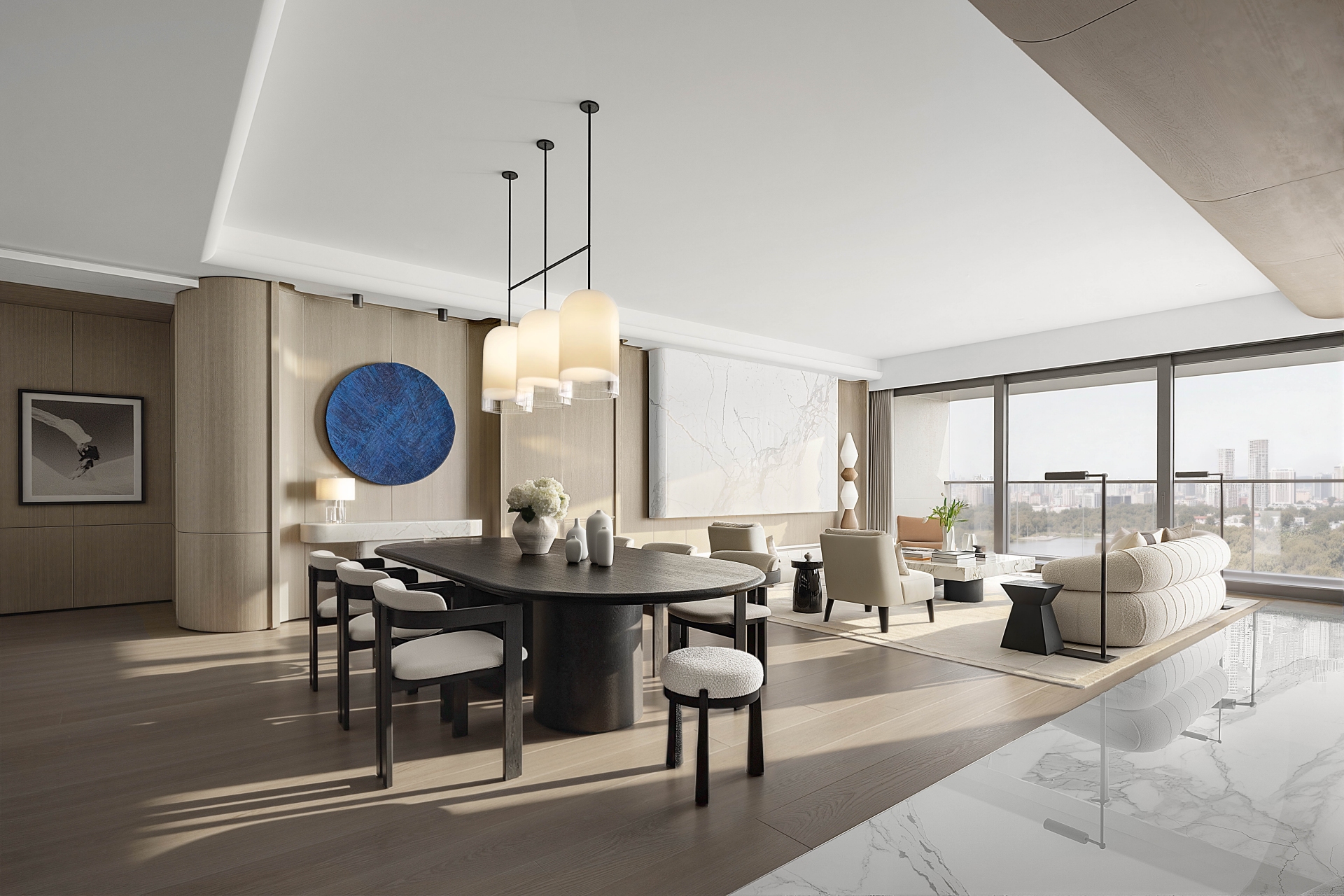
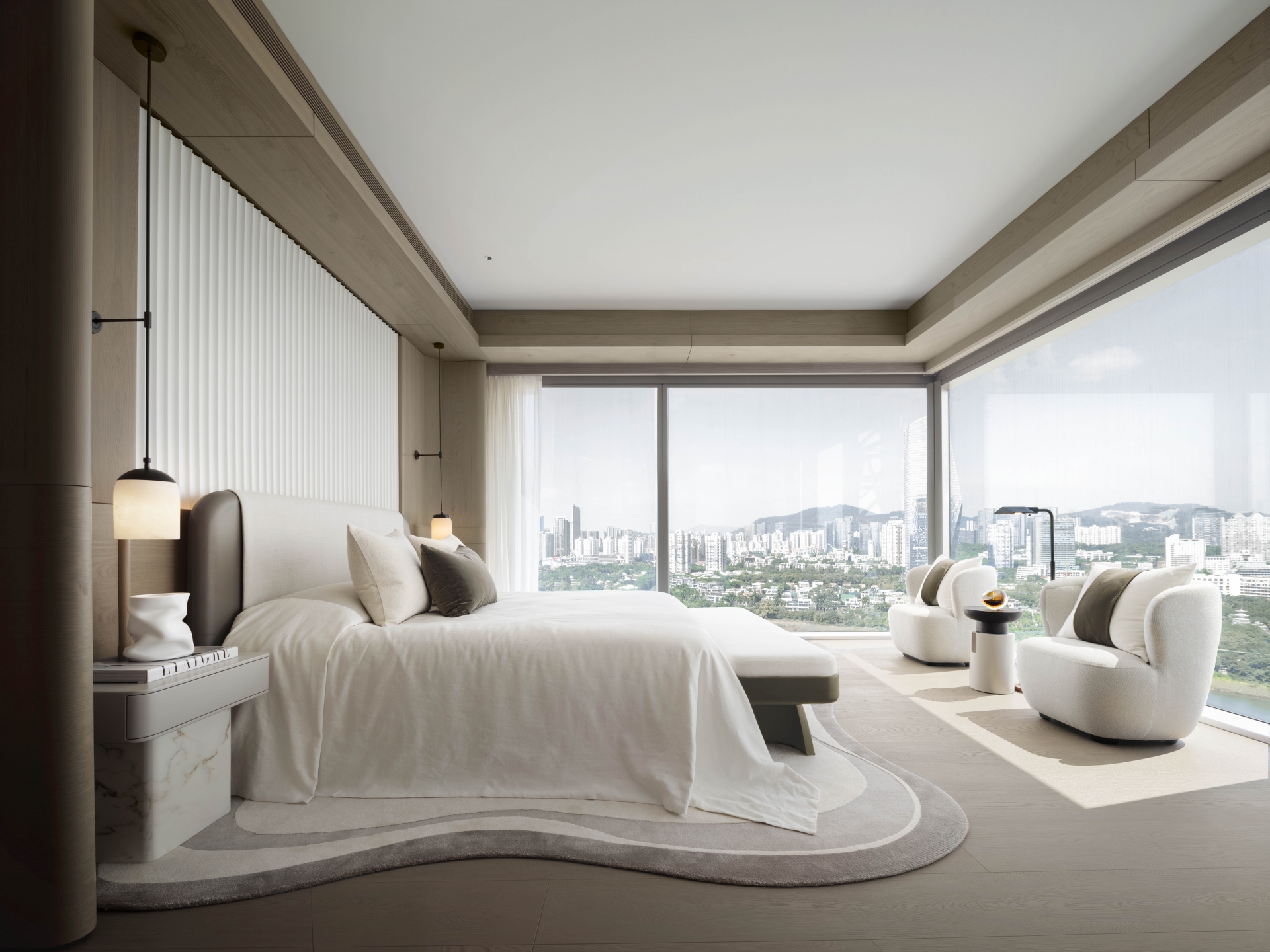
The Shenzhen apartment was conceived as a true “sculptural sanctuary” from the very beginning, with softness and fluidity guiding every design decision. We wanted the space to feel calm, cocooning and emotionally restorative, particularly within such a fast-paced and modern city. The starting point was the apartment’s exceptional natural light, which allowed us to work with a restrained neutral palette and layered textures to create depth without visual noise. Curved joinery, bespoke rugs with undulating silhouettes, and softened architectural lines were introduced throughout to break away from rigidity and create a more organic flow. The final design balances serenity with sophistication, allowing the interiors to feel luxurious yet deeply liveable.
Soft curves and bespoke stonework are central to this project. How do you balance organic forms with the precision required in high-end interiors?
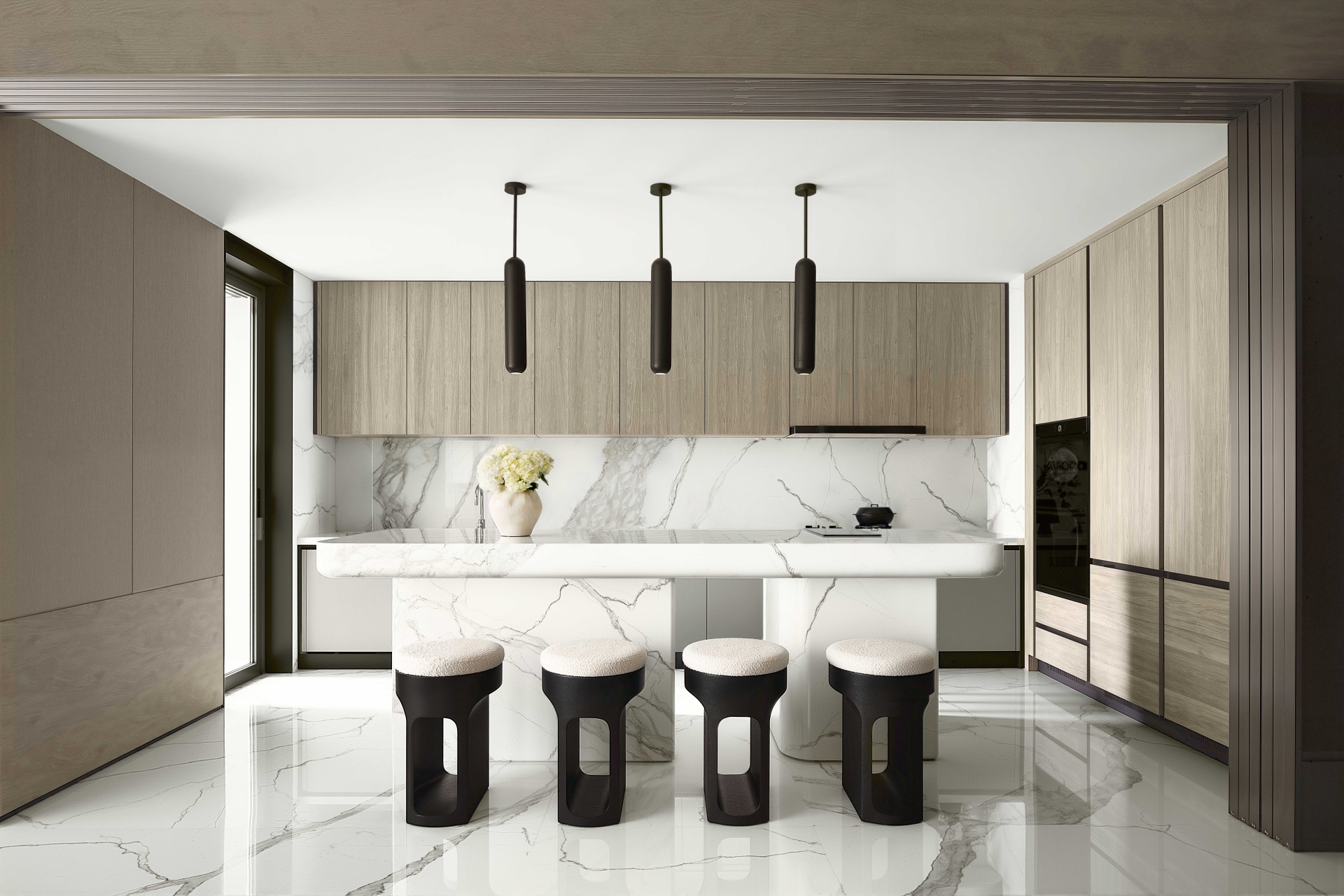
Organic forms are incredibly important to the emotional experience of a space, but they must always be executed with discipline and precision. In Shenzhen, the curves were carefully integrated through bespoke stonework, curved joinery and sculptural furnishings that softened the architecture without overwhelming it. The key is in the detailing and craftsmanship. Every curve has to feel intentional and refined. We worked very closely with artisans and suppliers to ensure that even the most fluid forms retained a sense of architectural clarity. That balance between softness and precision is what creates interiors that feel both elegant and timeless.

Gallery-style lighting plays a strong role here. How did you approach illumination as both a functional and artistic element?
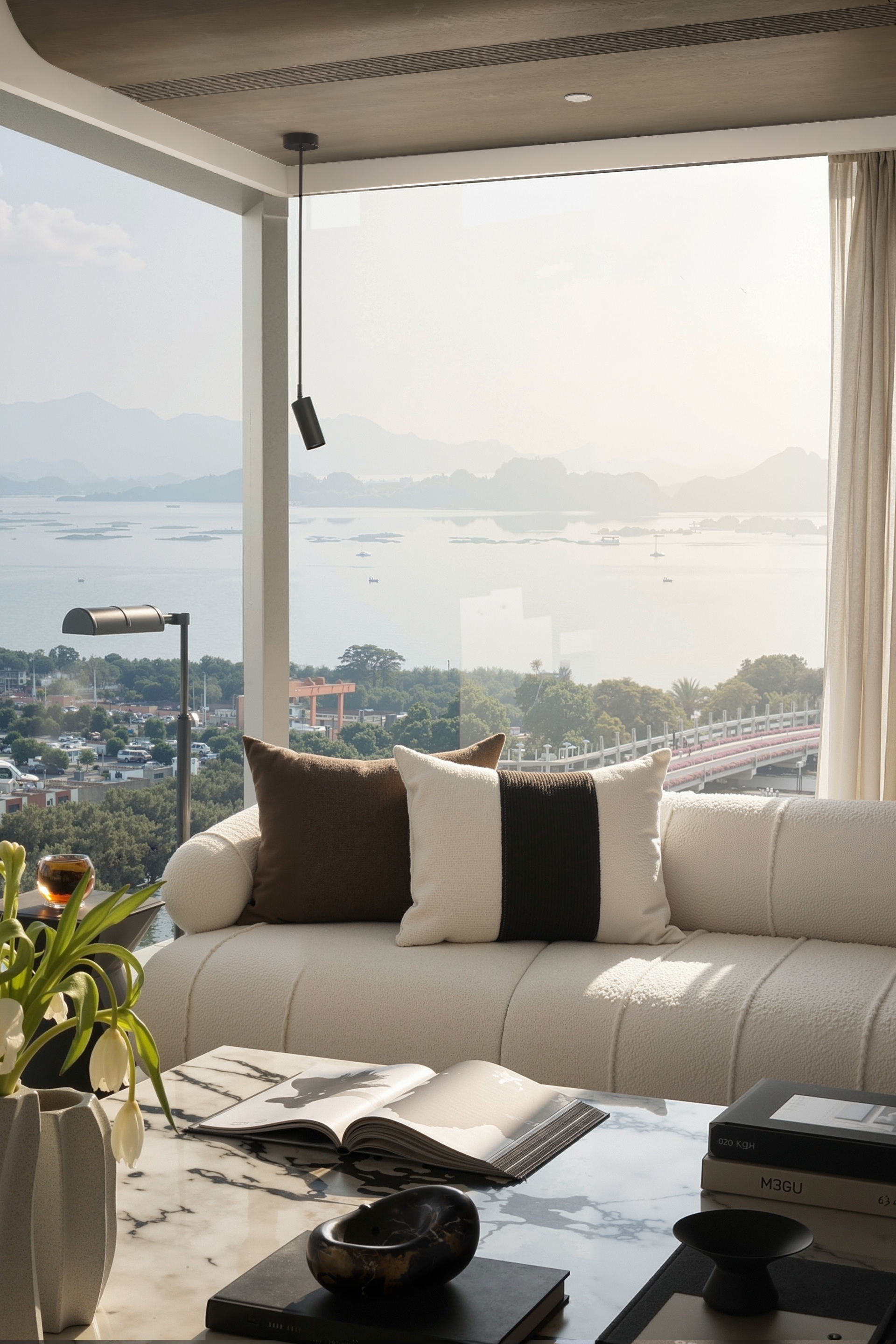
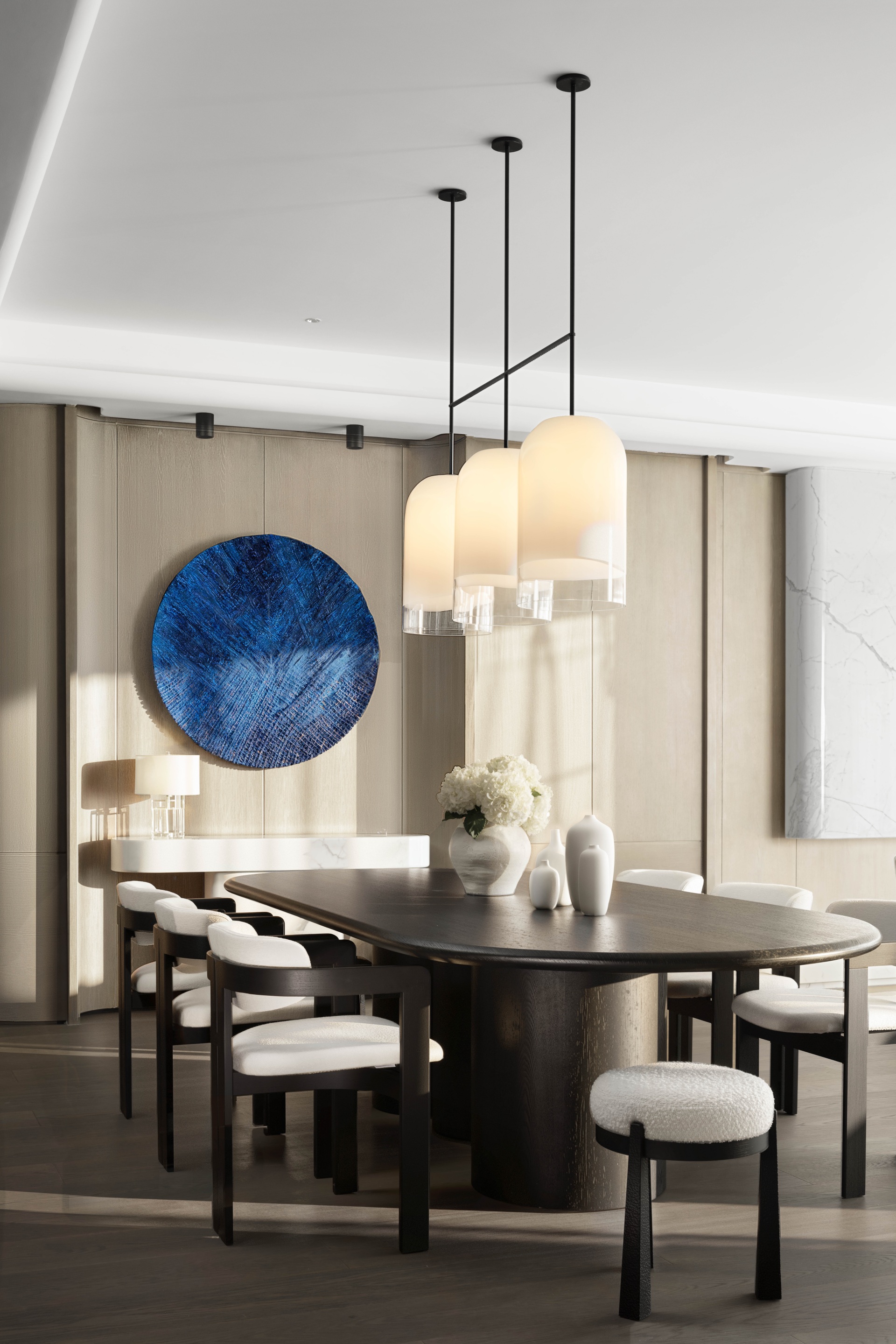
Lighting was approached almost as an art form within the project. We wanted the apartment to feel like a gallery in the way light interacts with texture, stone and form throughout the day. Rather than relying on purely decorative fixtures, illumination was layered carefully to create atmosphere and depth. Soft ambient lighting was used to highlight the sculptural qualities of the interiors, while more focused lighting enhanced artworks, material textures and architectural details. Exceptional lighting is essential in luxury interiors because it completely changes how materials are experienced emotionally and visually.
Layering materials is a hallmark of your work. In this project, what combinations felt most surprising or fresh to you?
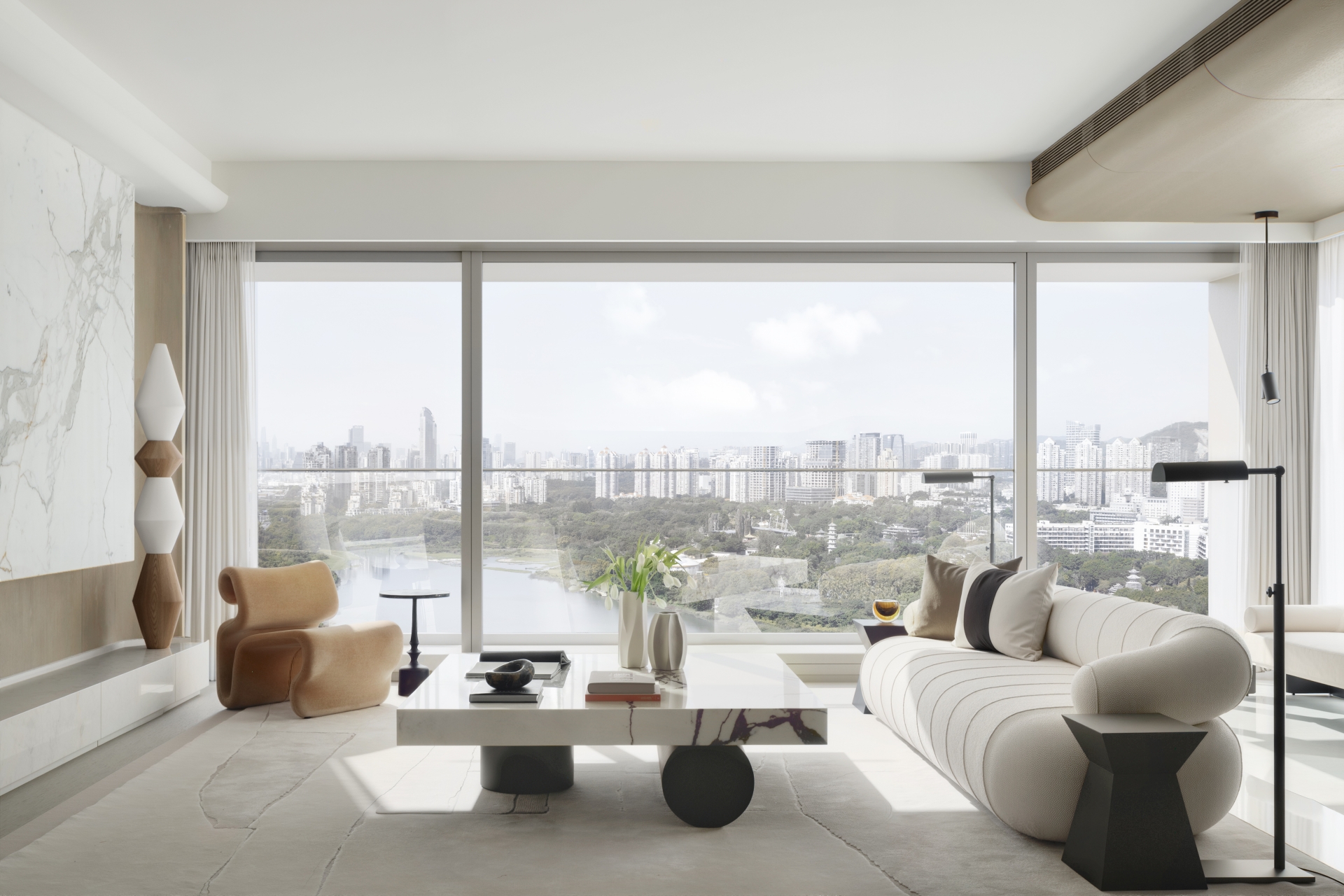
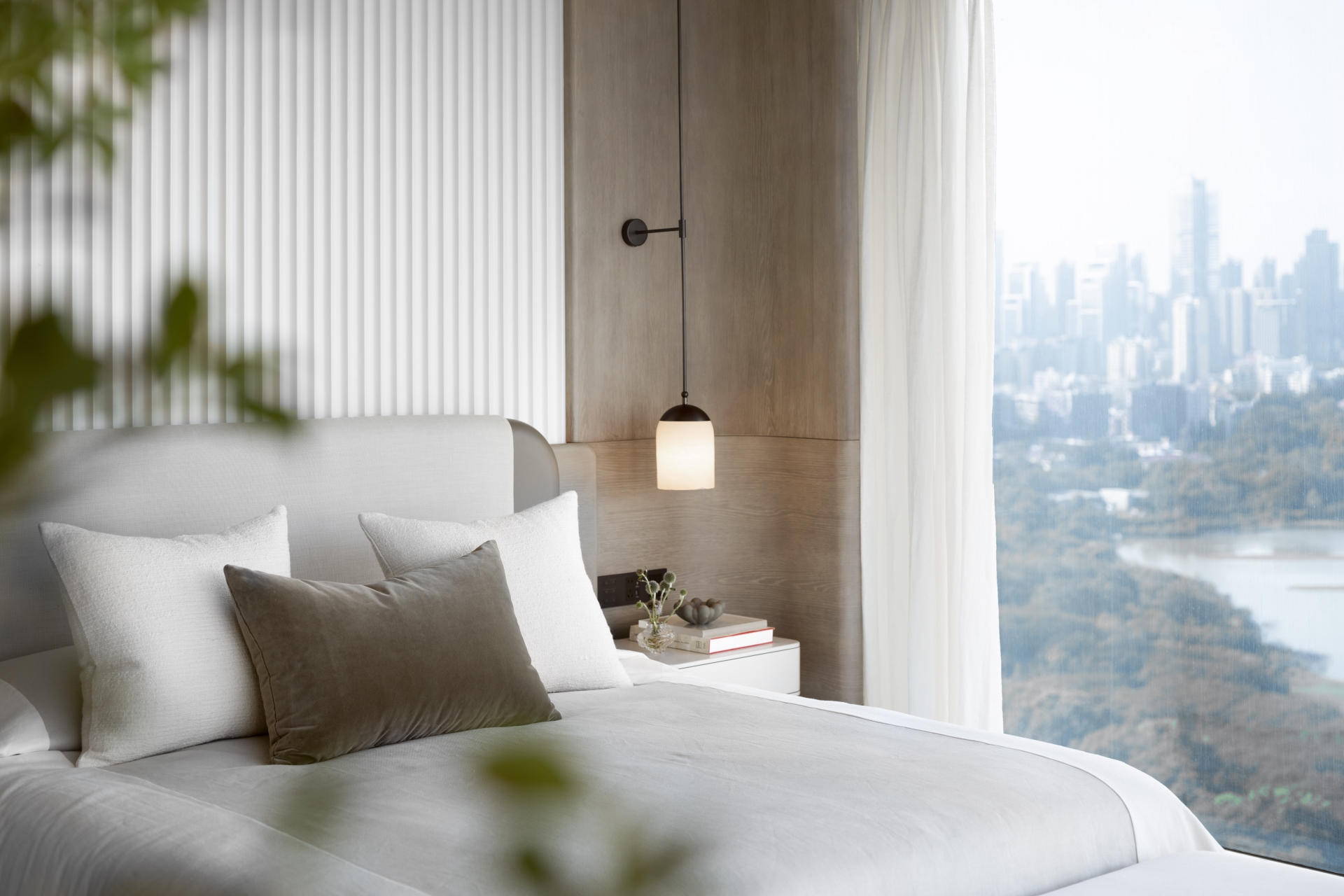
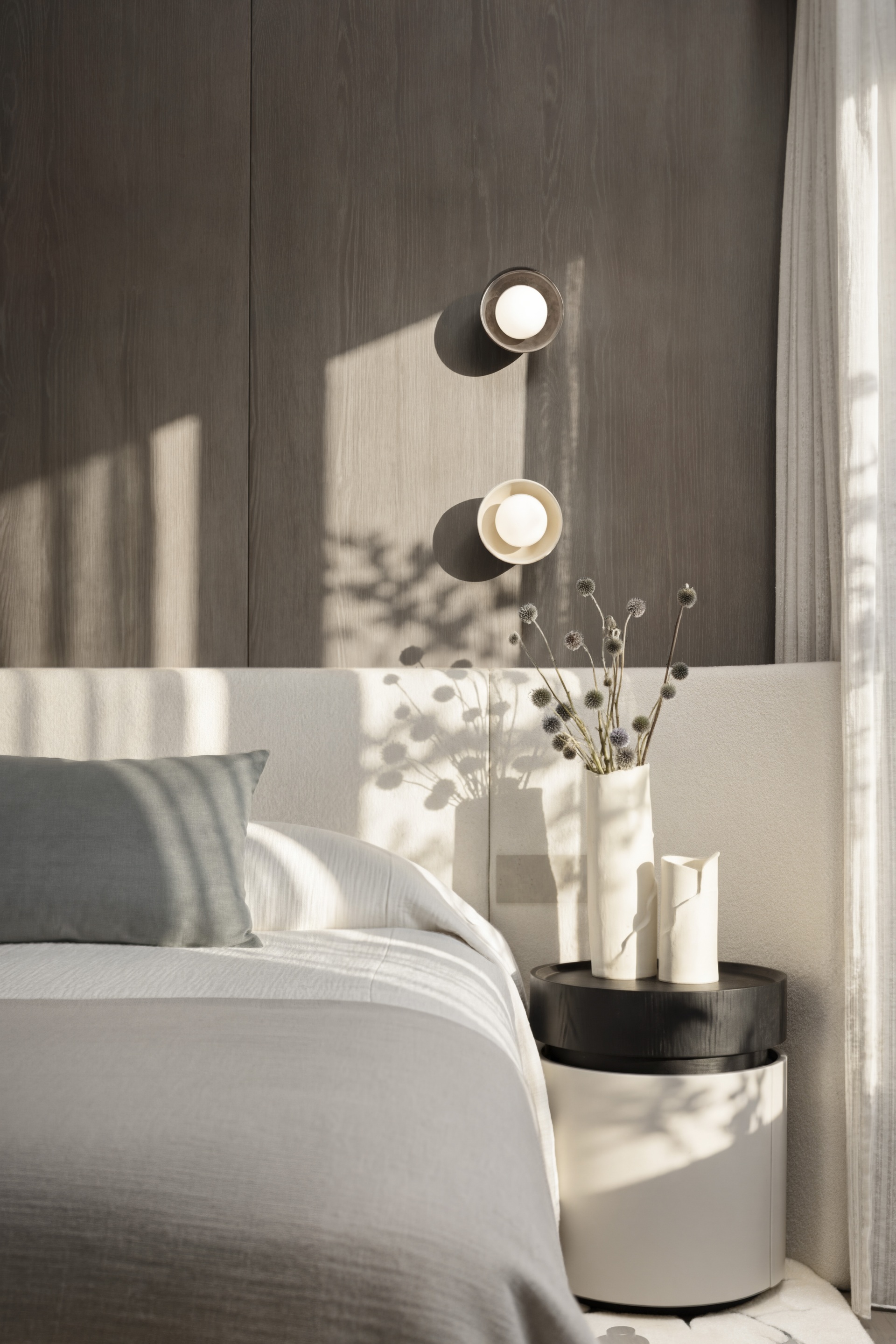
Layering materials is central to creating warmth and sophistication within a neutral palette. In this project, some of the most interesting combinations came from contrasting tactile finishes with more refined surfaces. For example, pairing raw linen and organic wool with the liquid lustre of botanical silk created a beautiful tension between softness and elegance. We also loved juxtaposing chunky bouclé fabrics with crisp linens and supple leather finishes. The bespoke rugs were another important element, combining hand-tufted silk and high-quality wool to create subtle shifts in texture and light. These layered material relationships give the apartment richness without relying on strong colour.
Shenzhen is a city known for speed and modernity. How did the local context influence your design choices for a private, contemplative space?
Shenzhen’s energy absolutely influenced the design approach. It is such a dynamic and rapidly evolving city that we wanted the apartment to feel like a retreat from that intensity. The interiors were designed to encourage calmness and stillness, almost as an antidote to the pace outside. The neutral palette, soft architectural gestures and emphasis on tactile comfort all contribute to that feeling of sanctuary. At the same time, the apartment still feels contemporary and internationally sophisticated, which reflects Shenzhen’s modern identity. It was important that the space felt emotionally grounding while still connected to the city’s progressive spirit.
As your work spans cultures and continents, how do you adapt your design language so it resonates internationally while still maintaining your signature style?
When designing internationally, the goal is always to create spaces that feel emotionally universal while remaining sensitive to local context and lifestyle. My signature aesthetic has always centred around balance, texture, harmony and understated luxury, and those principles translate across cultures because they focus on how a space makes people feel. What changes is the way materials, proportions and functionality are interpreted for each project and location. In Shenzhen, for example, we leaned into fluidity, softness and lightness to reflect both the architecture and the rhythm of contemporary urban living there. It is about evolving the language without losing the essence of the brand.
With clients increasingly focused on sustainability, longevity, and evolving lifestyles, how do you balance those priorities with the pursuit of luxury and innovation in your projects?
Luxury today is no longer just about aesthetics, it is about longevity, wellbeing and how a home supports everyday life. Clients are increasingly conscious of how their environments affect their nervous systems and overall sense of wellness. I have always believed that calm, balanced interiors contribute positively to wellbeing, and now there is real scientific evidence supporting that connection. In Shenzhen, sustainability and longevity came through timeless design choices, high-quality craftsmanship and materials selected for both beauty and durability. Rather than following trends, we focused on creating a home that would age gracefully and continue to feel relevant and restorative over time.