PODCAST
CHI WING LO: THE ARTIST WHO TEACHES US HOW TO LIVE AND ALLOWS US TO SELF REFLECT
LISTEN NOW


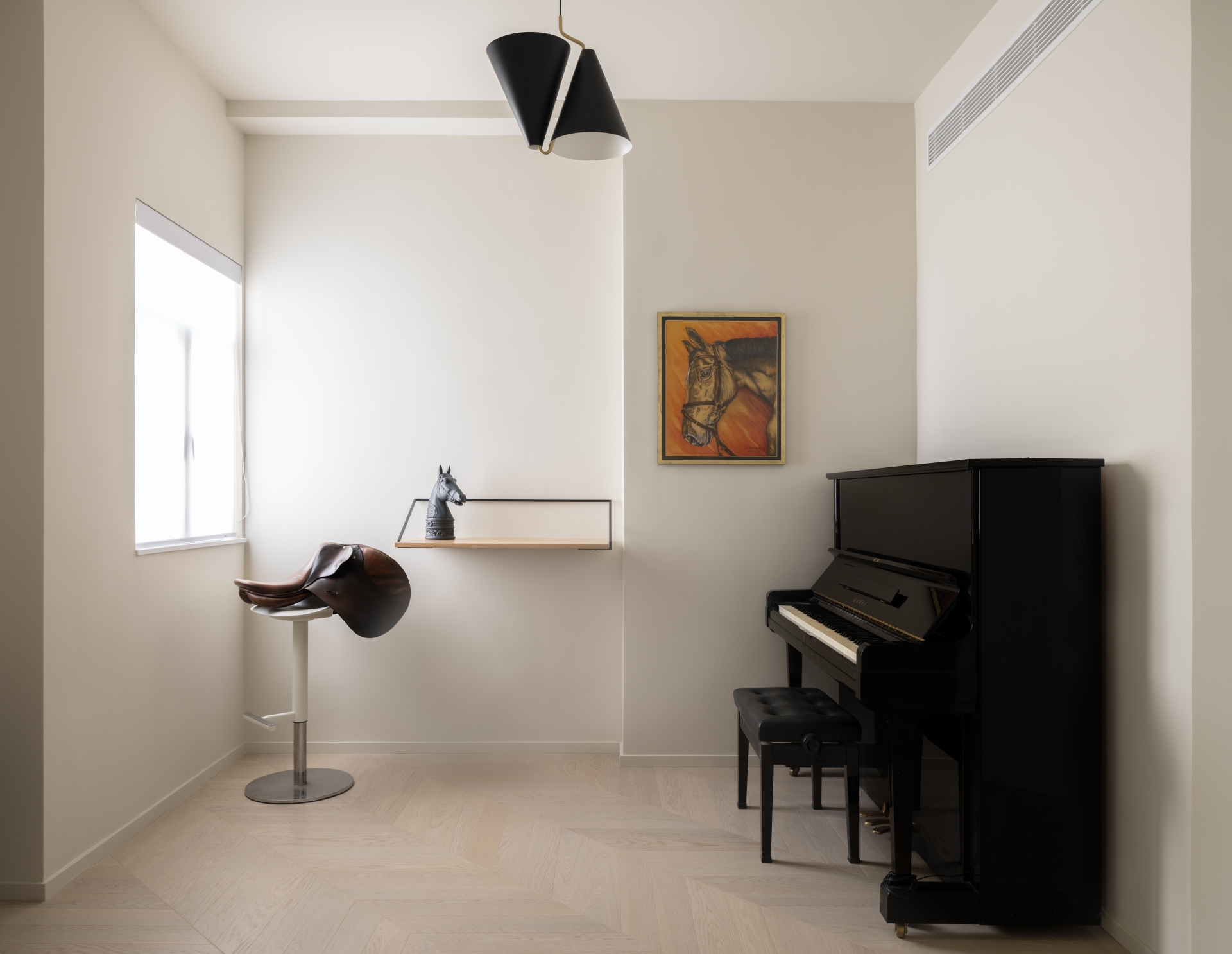
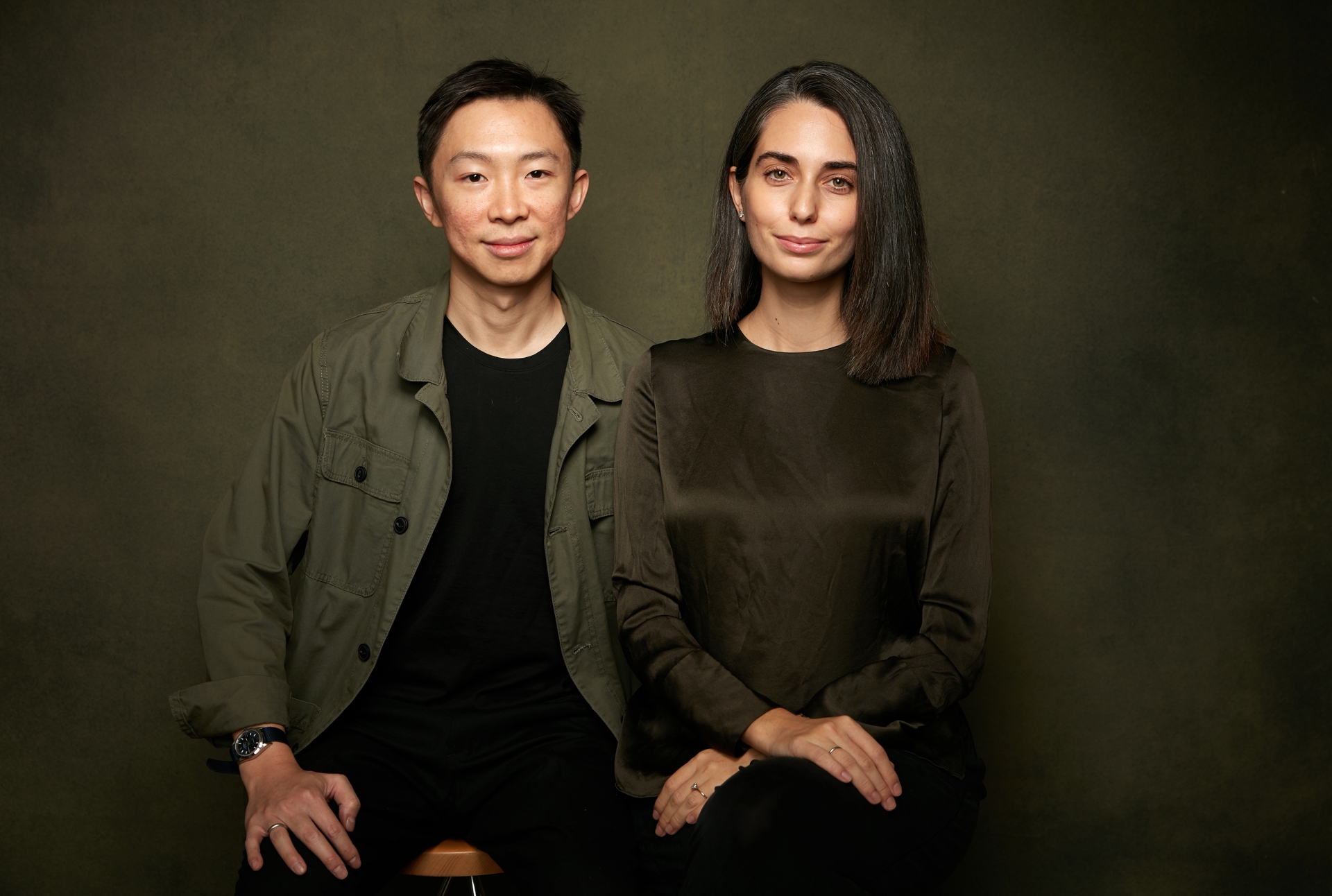
Kasawoo treats every project as an experiment in the creative and thoughtful coexistence of architectural layers. Their approach values lightness: light in touch, light in material use, and light on the environment. They view minimalism not as a fixed style, but as a conceptual framework for restraint - constantly identifying what is essential and where a small, sometimes playful gesture can have the greatest impact. This commitment to prioritizing minimal interventions while maximizing positive difference ensures their spaces feel both authentic and purposeful, creating meaningful human connections across contexts from London to Hong Kong and mainland China.
Kasawoo has developed a distinctive identity over the years. What shaped the studio’s character and approach in its early days?
Kasawoo’s character was shaped from the very beginning by an intuitive desire to make good design accessible and socially meaningful. When we founded the practice in 2020, we were driven by the conviction that quality architectural design should not be out of reach for most people — and that impact should not depend on a large budget. We believed that good design can be inclusive, resource-efficient and socially engaged, and that belief quickly became the core of the studio’s identity.
Over time, that early intuition evolved into a more deliberate and articulated approach that we describe as gentle architecture. It is rooted in minimizing demolition, working with what already exists, and constantly asking: what is the least we need to alter to make the biggest positive difference?
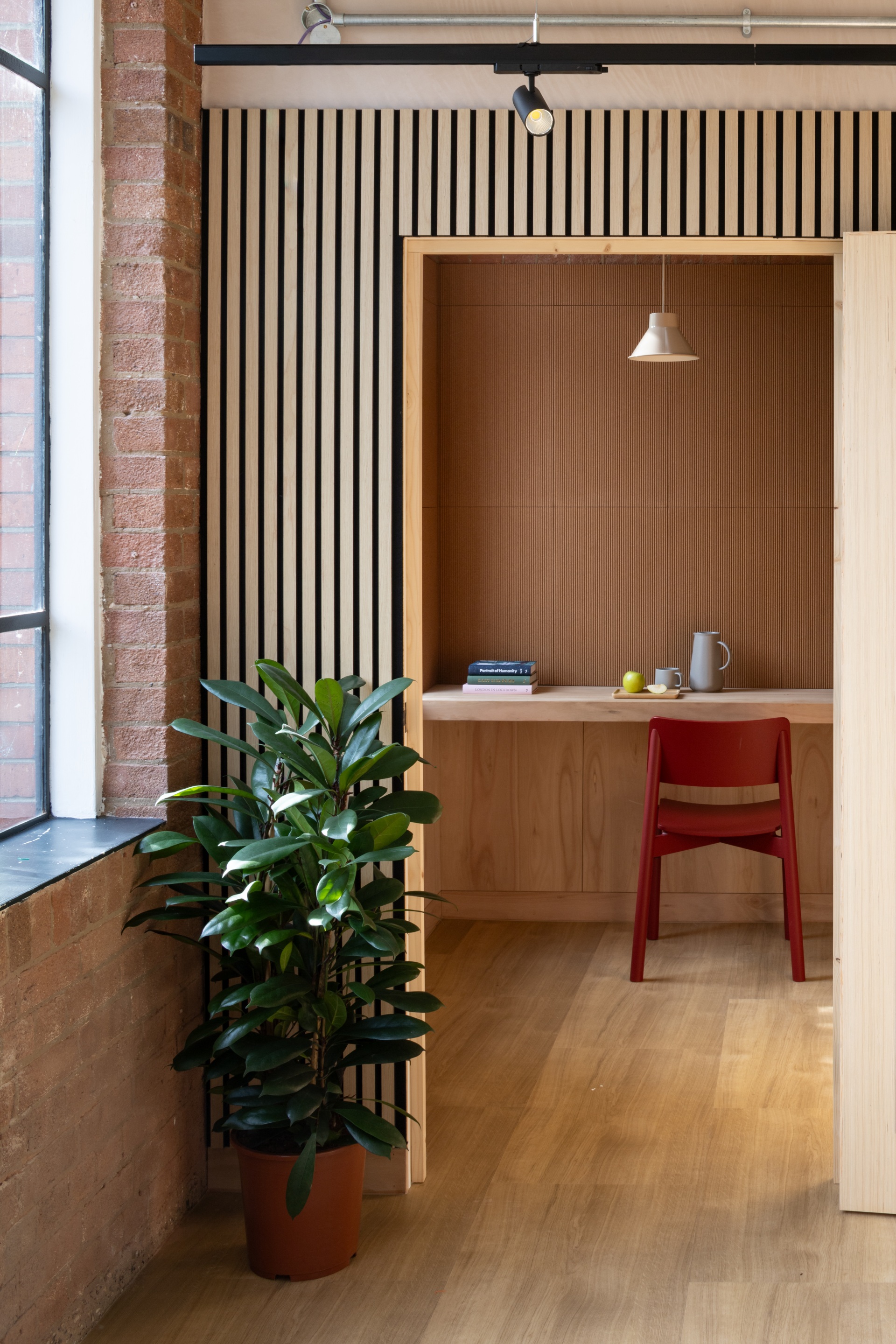
We don’t see minimalism as a fixed style, but as a conceptual framework. Rather than pursuing a recognisable aesthetic or adhering to a specific palette, we use restraint as a way of thinking — identifying what is essential, what can be removed, and where a small, sometimes playful gesture can have the greatest impact. It’s not about austerity; it’s about lightness — light in touch, light in material use, and light on the environment.
Sustainability is inseparable from this mindset. We aim to be resourceful rather than wasteful, often working with natural materials that bring warmth and tactility. In parallel, we collaborate with local manufacturers experimenting with recycled and waste-based materials. These choices introduce softness and optimism, ensuring our spaces feel human and generous rather than cold or overly restrained.
When you begin a new project, what guiding principles or instincts lead the design process?
We begin every project with a careful, almost investigative reading of the existing conditions — physical, cultural, social and economic. Before proposing anything new, we try to understand what is already there and what it is capable of becoming.
One of our core instincts is to minimize intervention. We look for what can be preserved, revealed or reinterpreted rather than demolished. We constantly ask: what is the smallest degree of change that can unlock the project’s full potential?
At the same time, we see constraints — whether spatial, structural or financial — not as limitations but as catalysts for creativity. Resource intelligence is central to our process. Efficiency is not about austerity; it’s about precision and imagination. Clear boundaries often lead to stronger, more distilled ideas.
We don’t follow a fixed formula, because each project has its own logic. Instead of treating material or colour as an applied layer, we begin by clarifying the architectural diagram — the core spatial concept. Once that framework is defined, materials and surfaces grow directly from it. The palette reinforces the idea rather than decorating it.
This ensures coherence. It allows us to avoid visual clutter while still making room for bold or unexpected gestures. When something stands out, it does so intentionally — because it belongs to the architecture, not because it was added to it.
Many of your works feel cinematic and layered with narrative. How do you bring storytelling into architecture while keeping spaces functional and authentic?
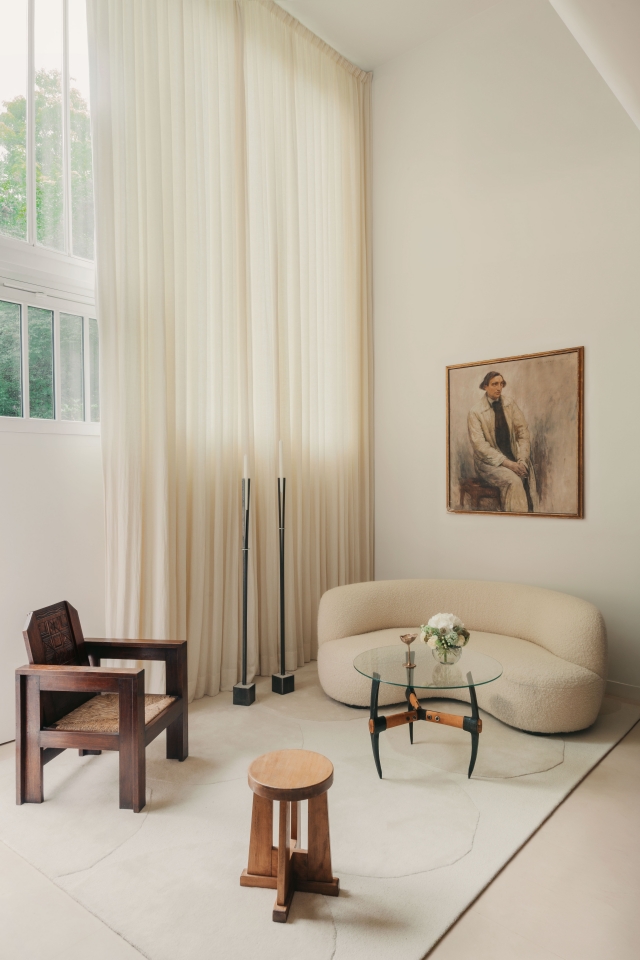
Storytelling in architecture, for us, comes from layering history, existing materials, and new interventions — honouring what is already there while creating new meaning. It emerges through clarity and restraint. We see design as a way to manage multiple layers of time: celebrating the past, addressing the present, and anticipating the future. Influenced by filmmakers like Wes Anderson and Wong Kar Wai, we consider the atmosphere and emotional sequence of spaces as integral to the experience.
Narrative is never imposed; it grows from necessity. The flow of spaces, material transitions, and moments of compression and release respond directly to each project’s realities. When nothing is superfluous, story and function support each other, creating spaces that feel both authentic and purposeful. In our work, storytelling is embedded in the logic of place and use, drawing from the traces of history, the ways people inhabit a space, and cultural and social traditions. By aligning design decisions with real use — from circulation to material choices — narrative and functionality coexist seamlessly, giving spaces both emotional resonance and practical clarity.
You have worked in London, Hong Kong, and mainland China. How do different cultural and urban contexts influence the way you design?
Our design thinking is fundamentally rooted in contextualism. We always begin by interrogating the existing conditions — physical, cultural, and social — and allow the context to shape the direction of the project. From there, we carefully construct the narrative, spatial organisation, and material language.
While our methodology remains consistent across locations, the outcomes are always distinct. Each place — whether London, Hong Kong, or mainland China — brings its own site conditions, cultural nuances, vernacular traditions, and urban rhythms. As a result, the projects look and feel different, yet they share an underlying coherence in the way they belong to their surroundings.
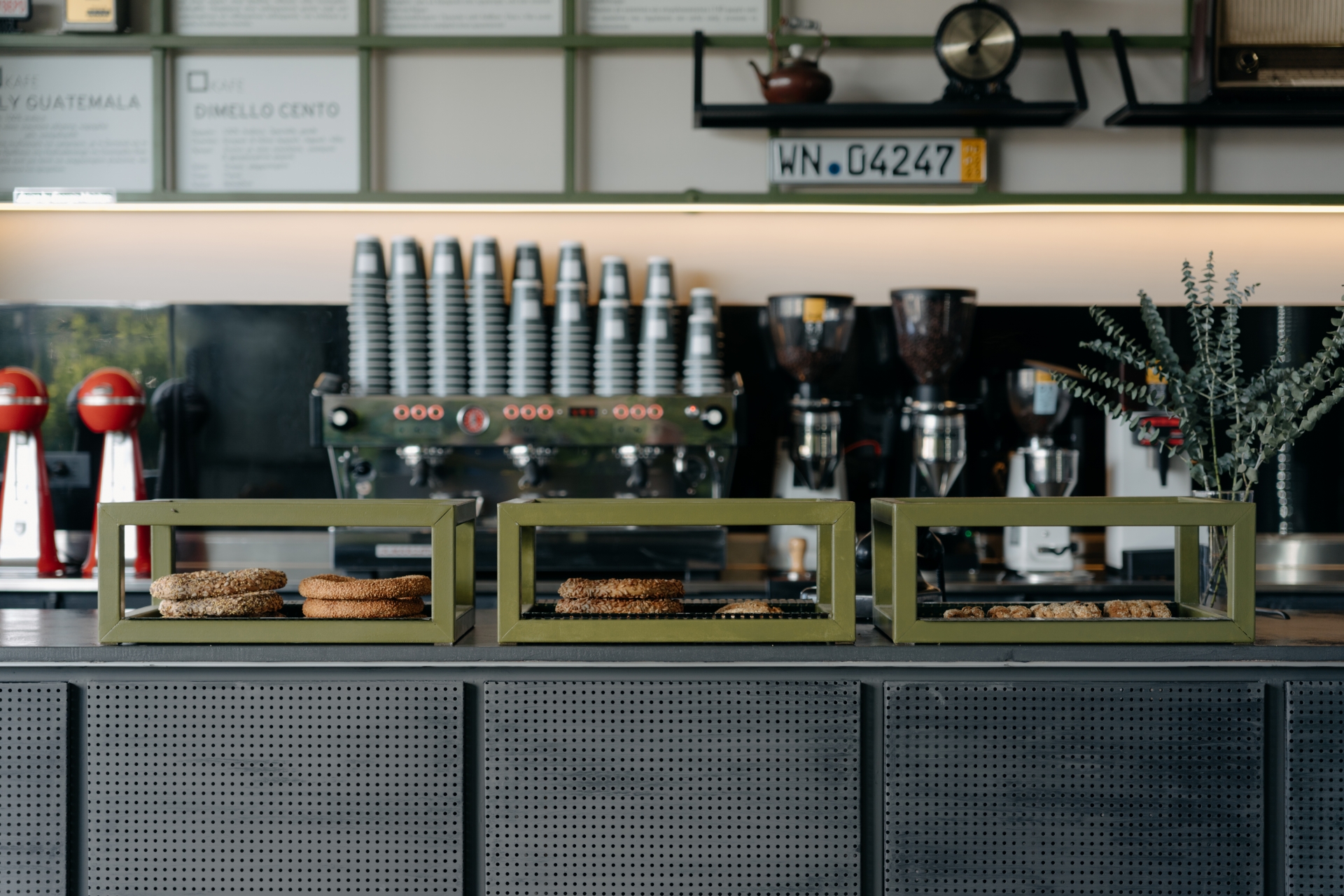
We draw references not only from local materials and construction techniques, but also from cultural norms, popular culture, and the natural environment. We pay close attention to how things are commonly built, what materials are readily available, and what local builders are accustomed to. Rather than imposing a familiar way of working, we see our role as responding to these realities — finding opportunities within local norms and reinterpreting them in thoughtful and sometimes unexpected ways.
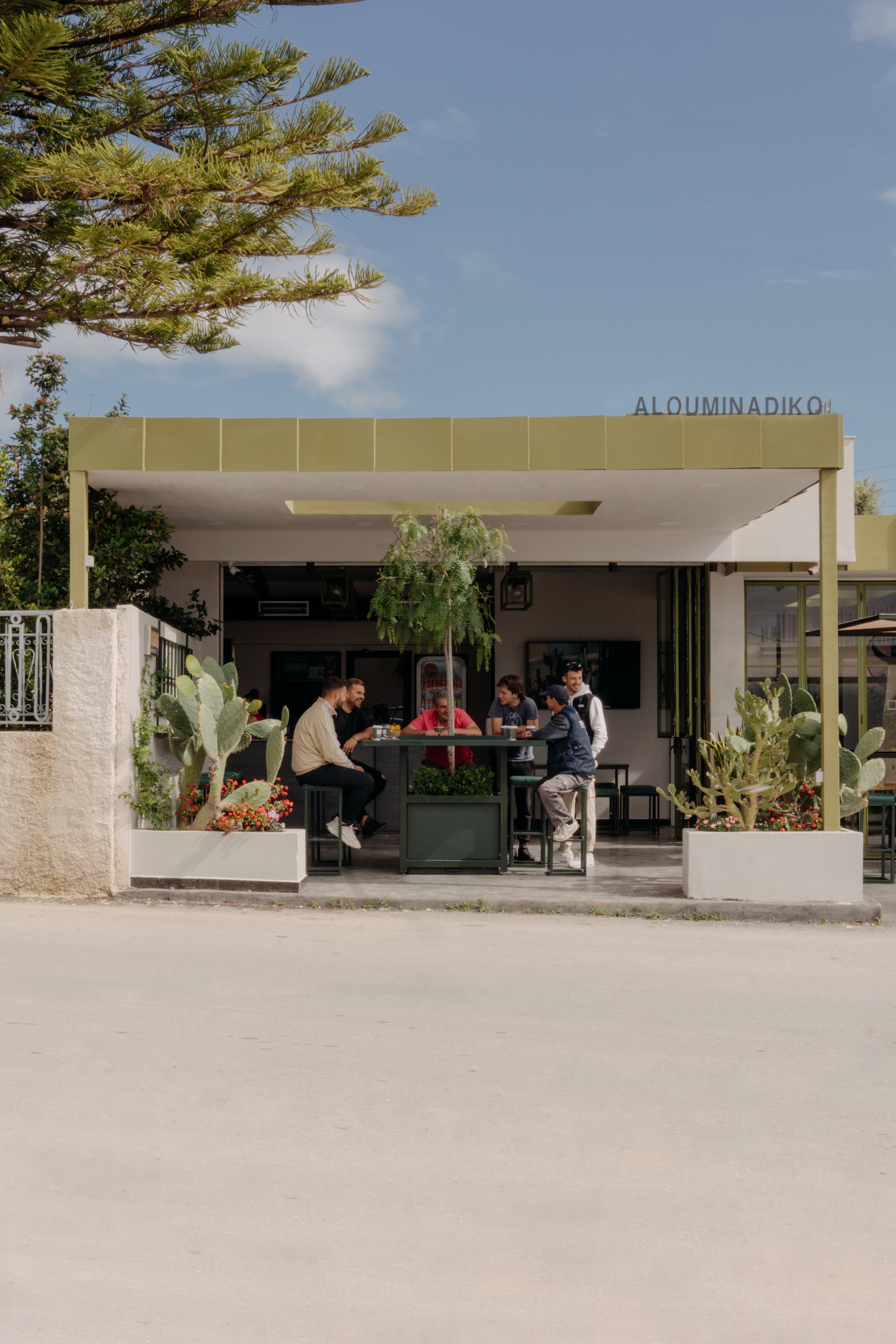
The same applies to materials. We are always interested in understanding what is specific or characteristic to a place, and then using those materials playfully or in ways that differ from their conventional application. In doing so, we aim to create buildings that feel deeply rooted in their context, yet still offer a sense of surprise and delight.
Every profession has its hidden realities. What’s one lesser known challenge or joy about being a designer that people outside the field might not expect?
A lesser-known joy — and challenge — is working within constraints. Many people assume unlimited budgets and freedom lead to better design, but we often find the opposite. Projects without clear limits can be more difficult because there’s less focus.
Clear constraints give direction. They force precision. They require you to justify every element. That process can be demanding, but it’s also deeply satisfying. When every component has a reason to be there and nothing is superfluous, the result feels robust and resolved.
There’s a quiet pleasure in distillation — in knowing that the final space is concise, thoughtful and intentional.
Collaboration with local makers and artisans often appears in your projects. How does craftsmanship shape the atmosphere and identity of your work?
Collaboration with local makers and artisans is not simply a stylistic choice for us — it is a necessity if we want to work in a truly resourceful and meaningful way. There is an inherent efficiency in engaging local skills, knowledge, and materials, but beyond that, it strengthens the cultural and emotional grounding of each project.
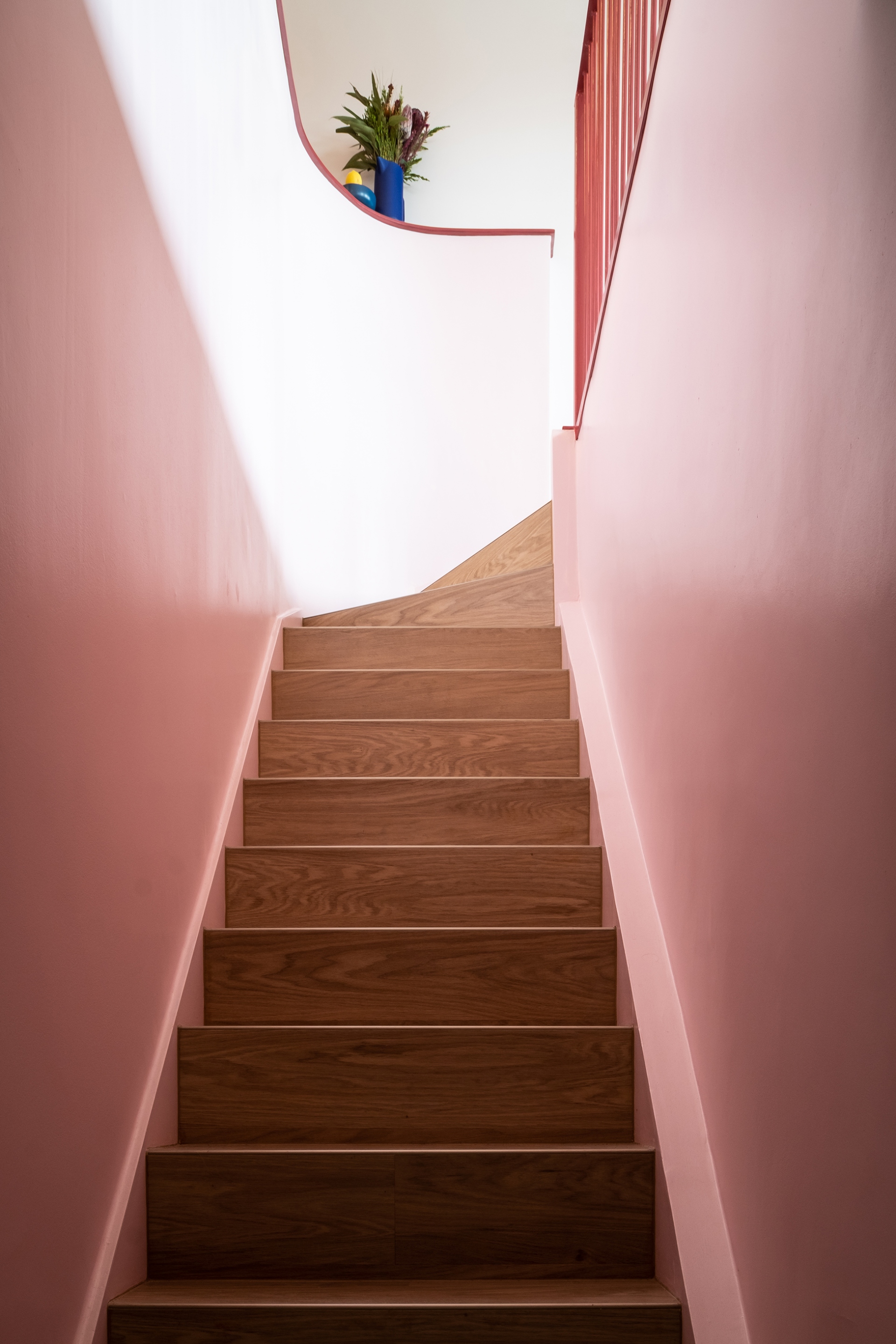
Working with local craftspeople allows us to learn from techniques and traditions that are already deeply embedded in a place. Rather than imposing a preconceived idea, we begin by understanding what expertise exists and how things are typically made. From there, we either apply those skills directly or reinterpret them in new ways within the project.
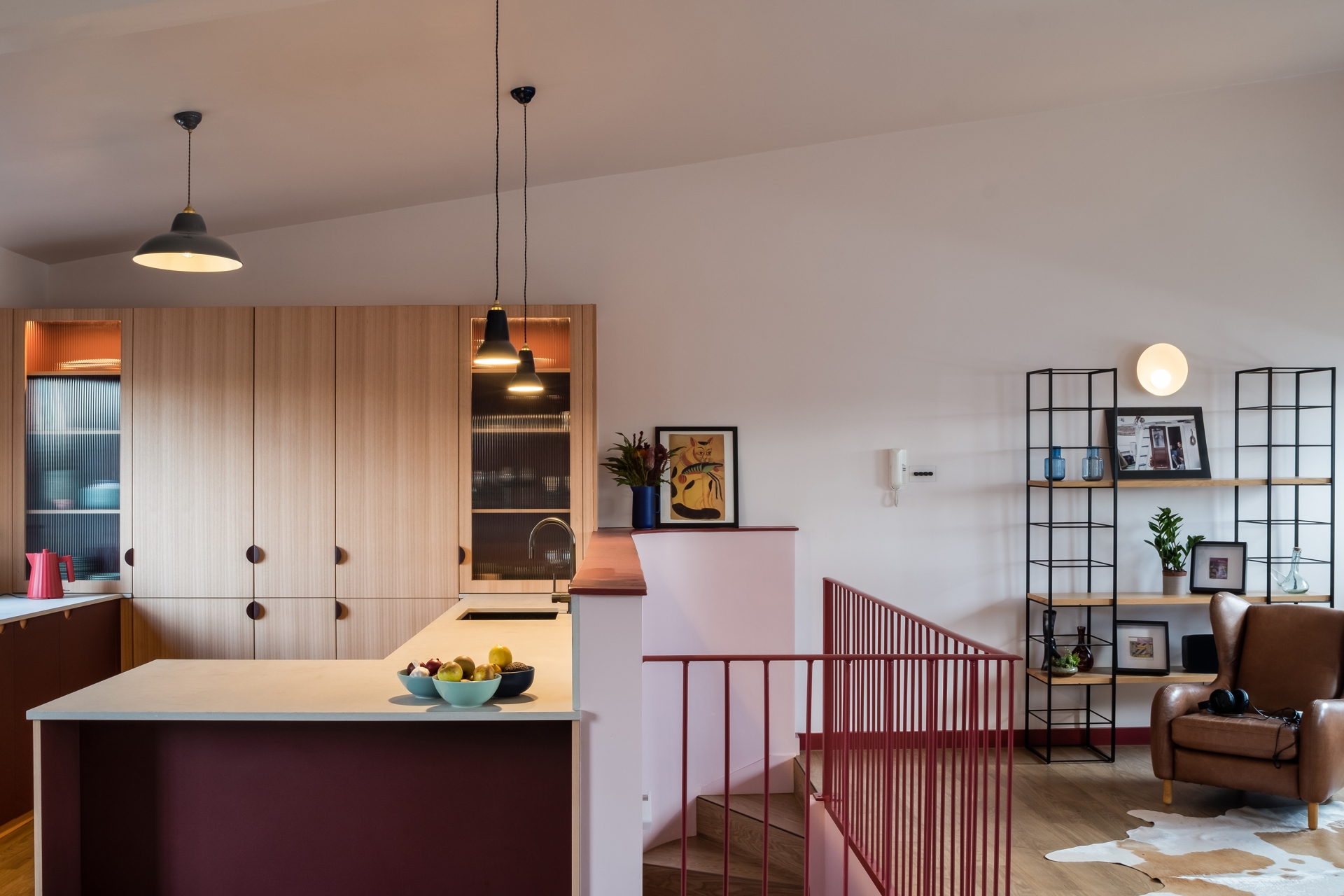
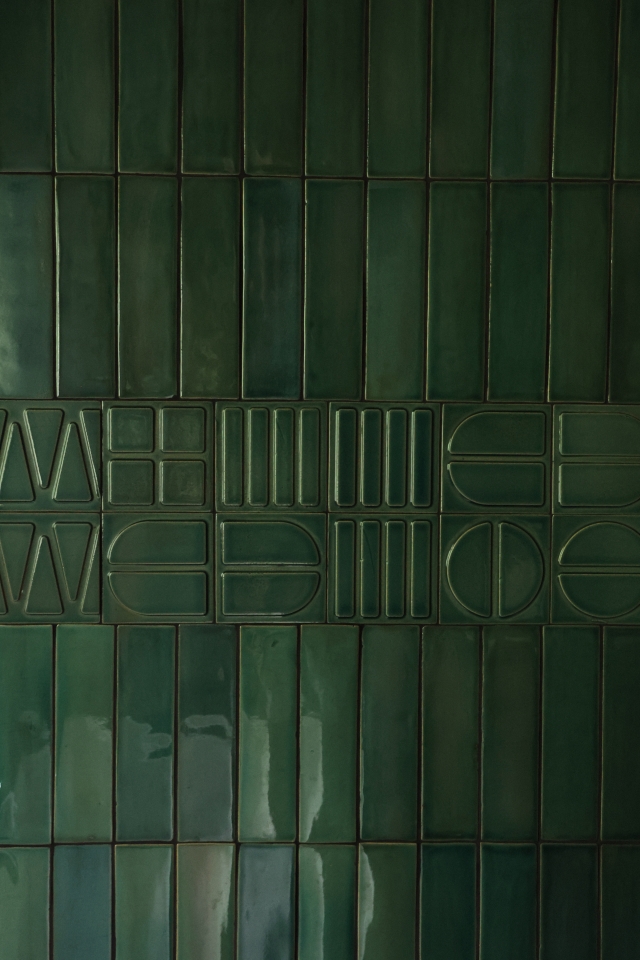
Craftsmanship shapes not only the physical outcome but also the atmosphere of the space. The tactility, precision, and subtle imperfections of handmade elements introduce warmth and character that cannot be replicated through purely industrial processes. This gives each project a distinct identity — one that reflects its locality while still feeling contemporary.
For us, every collaboration becomes an opportunity to explore, experiment, and learn. The process of design and making becomes a shared journey, and that exchange ultimately enriches both the spatial experience and the narrative of the work.
Looking ahead, what kinds of projects or themes are you most eager to explore, and how do you see Kasawoo evolving in the coming years?
We are currently in an exciting phase at Kasawoo, entering the fifth year since founding the studio. As architecture often takes years to realise, we are finally at a point where a coherent body of built work supports the ideas we have been articulating from the beginning.
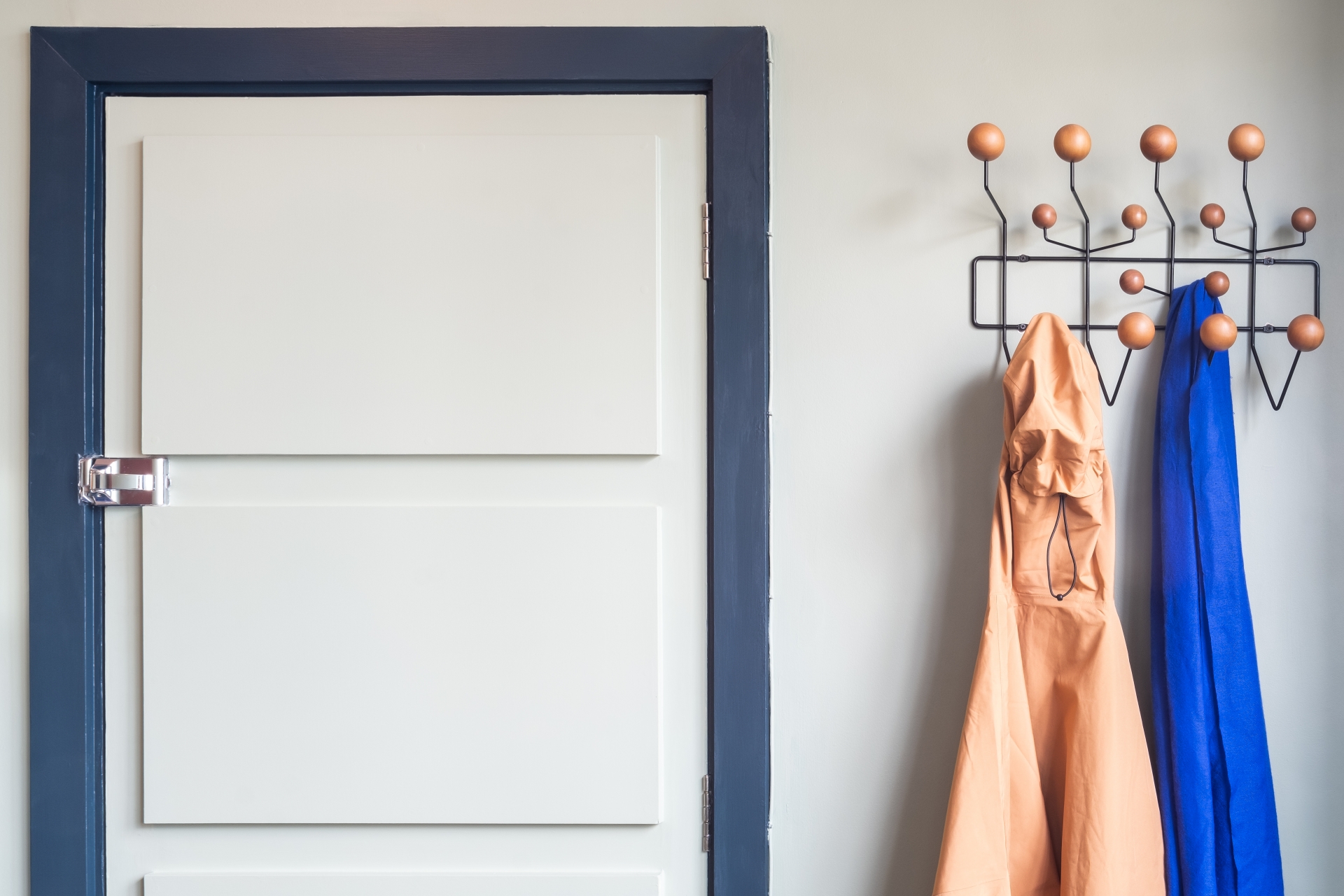
Like many young practices, we started by testing our thinking through small residential renovations. These projects allowed us to experiment closely with materiality, spatial sequencing, and atmosphere on an intimate scale. Loom Club was a pivotal moment for us — it gave us the opportunity to apply our ideology and methodology to a larger, public-facing project. That experience helped crystallise our approach and demonstrate how our ideas could operate beyond the domestic realm.
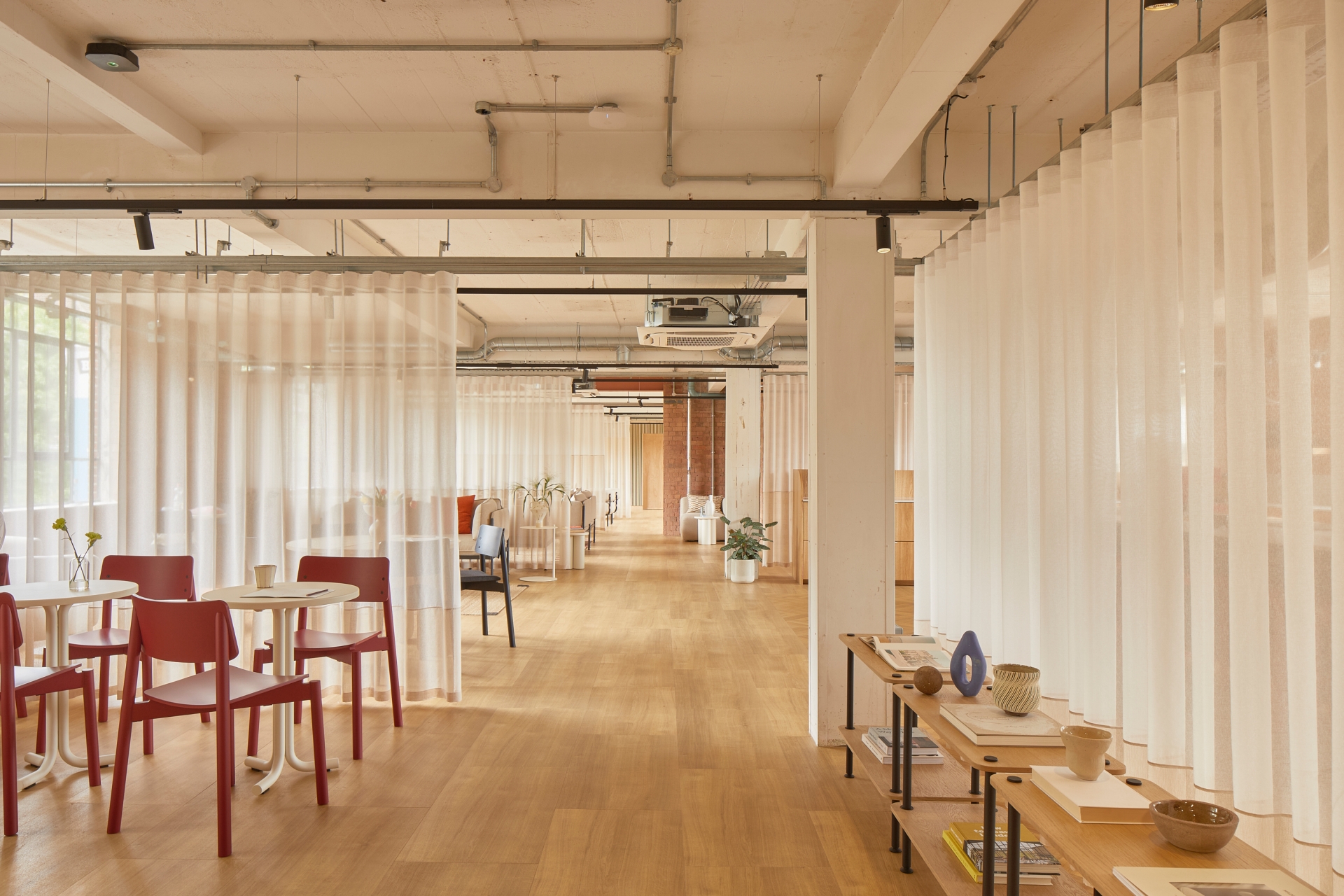
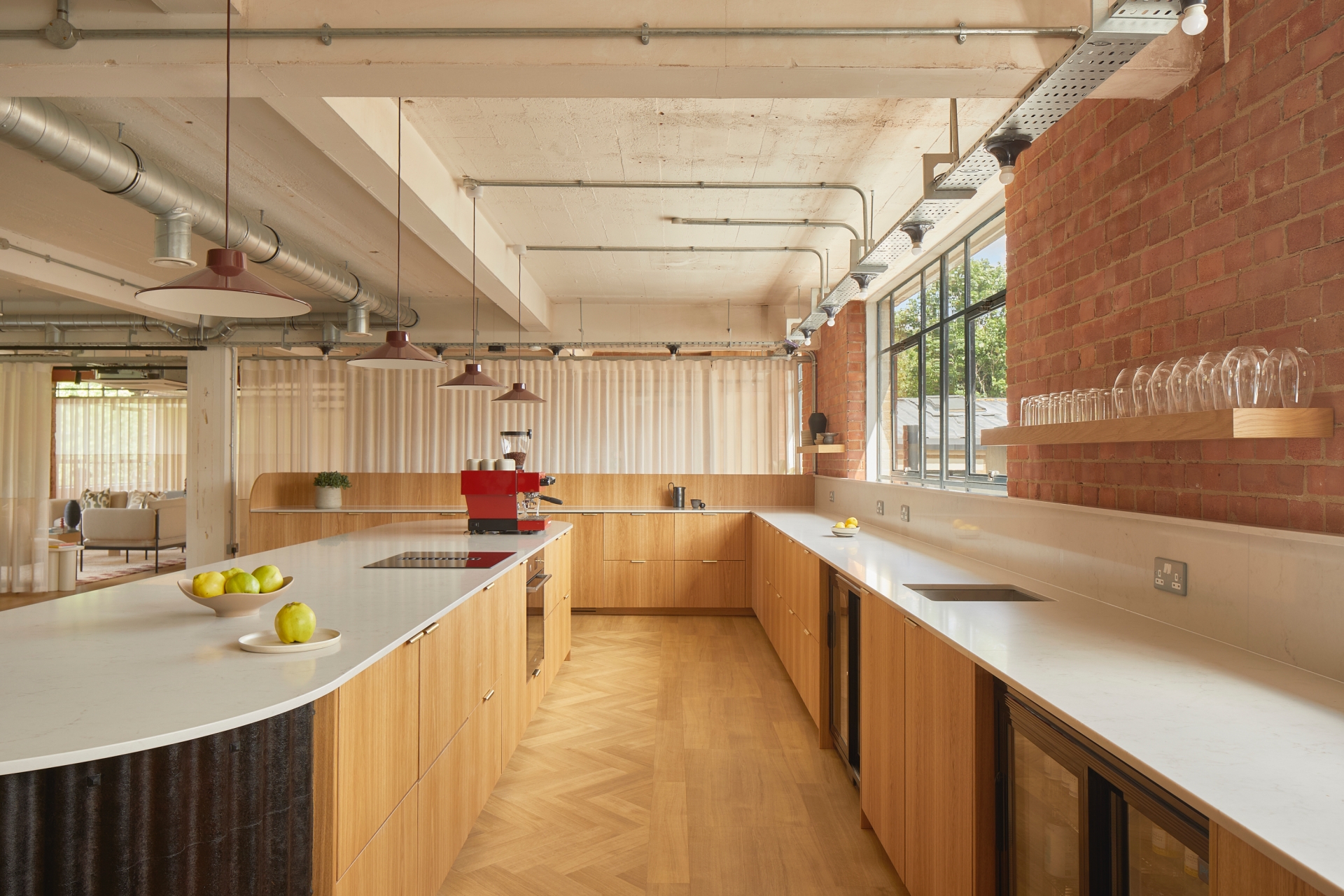
Since then, we have been in dialogue with a range of founders and organisations — from commercial landlords to co-working operators and venture-backed startups — who resonate with our vision. We advocate for what we call “gentle architecture”: spaces that are generous yet sensitive, human-centric rather than corporate, and emotionally engaging without being excessive. We believe this approach can transform environments that might otherwise feel generic or impersonal, while still meeting business goals such as user satisfaction and broader environmental and social aspirations.
Looking ahead, we will always value residential work for the right client, as it remains a meaningful testing ground for ideas. At the same time, we are eager to expand further into public and commercial projects, where our designs can be experienced by a wider audience. We are particularly interested in collaborating with partners who share an experimental and aspirational spirit, and who see architecture not just as a backdrop, but as an active contributor to culture and everyday life.