
PODCAST
CHI WING LO: THE ARTIST WHO TEACHES US HOW TO LIVE AND ALLOWS US TO SELF REFLECT
LISTEN NOW


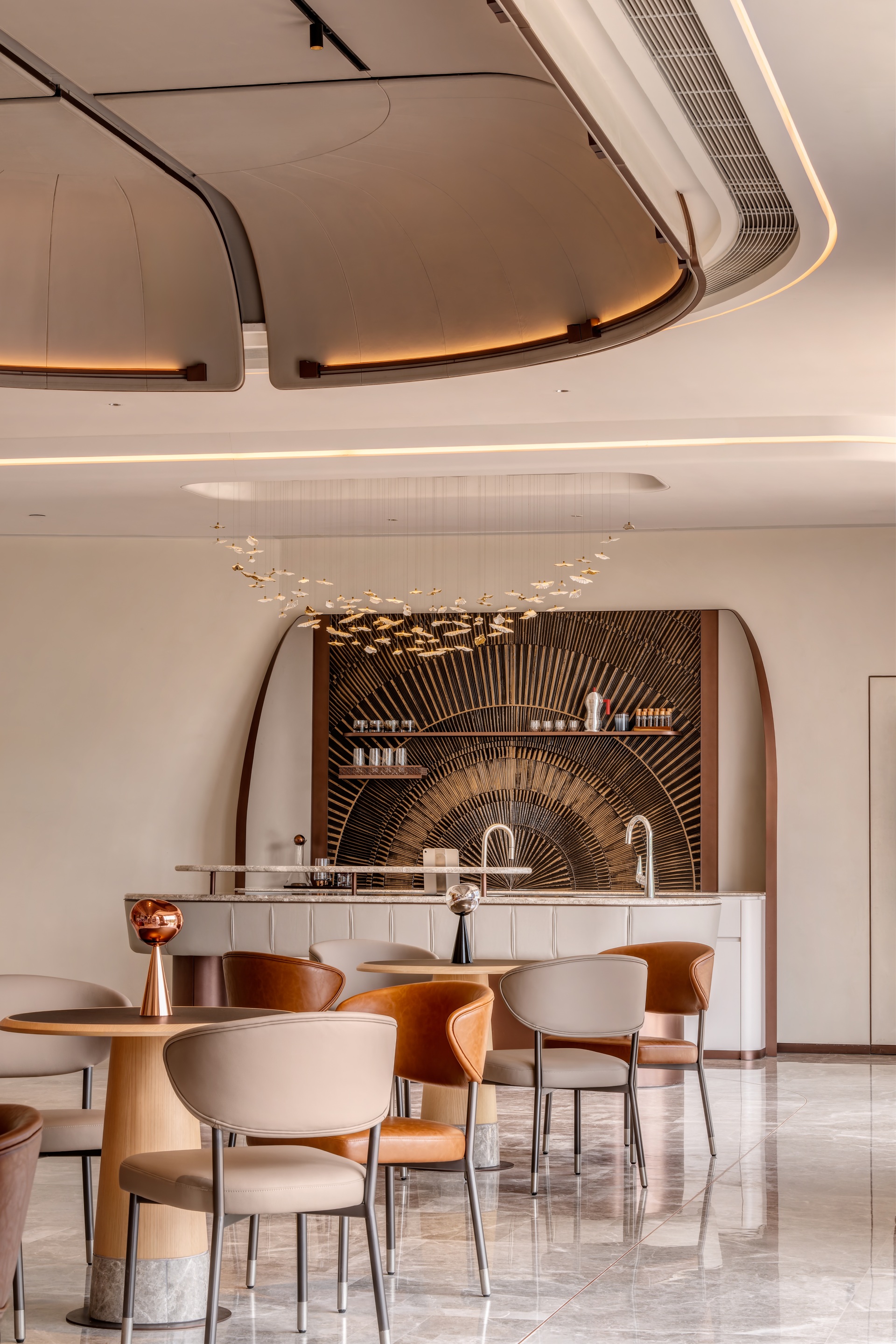
Arthur Tang, founder and design director of ARTTA Concept Studio, advocates the blend of soul and intelligence for his body of design work. Since establishing his firm in 2010 after studying interior architecture in Sydney, Tang has steered ARTTA to complete over 80 projects, ranging from luxury hospitality and high-end F&B to large-scale entertainment venues and residential showflats. Known for creating original, innovative concepts for a diverse clientele, Tang speaks to us about the studio's philosophy, its evolution, and the rigorous, research-based approach that defines its unique market niche: Design for Impact.

The Evolution of a Research-Driven Practice
Your firm started in 2010, and you’ve rapidly diversified your portfolio. What has driven that evolution from your first guesthouse project to multi-storey hotels and residential projects?
Our journey has really been a coincidence of opportunities. We didn't start with the goal of being stagnant in one area. After our initial focus on hospitality, hotels, and living spaces, we naturally transitioned into entertainment spaces, working with clients in that sector. More recently, we’ve focused on commercialized showflats and sales halls—more residential-related projects. The main reason we can pivot so successfully is that we don't approach a new sector, like sales halls, by thinking only about the typical design of that space. Instead, we correlate it with our past, diverse experiences. For example, how can we make a hotel more engaging? How can we bring a more welcoming idea from the entertainment sector into a residential sales hall? This cross-pollination of experience is what makes our projects unique.
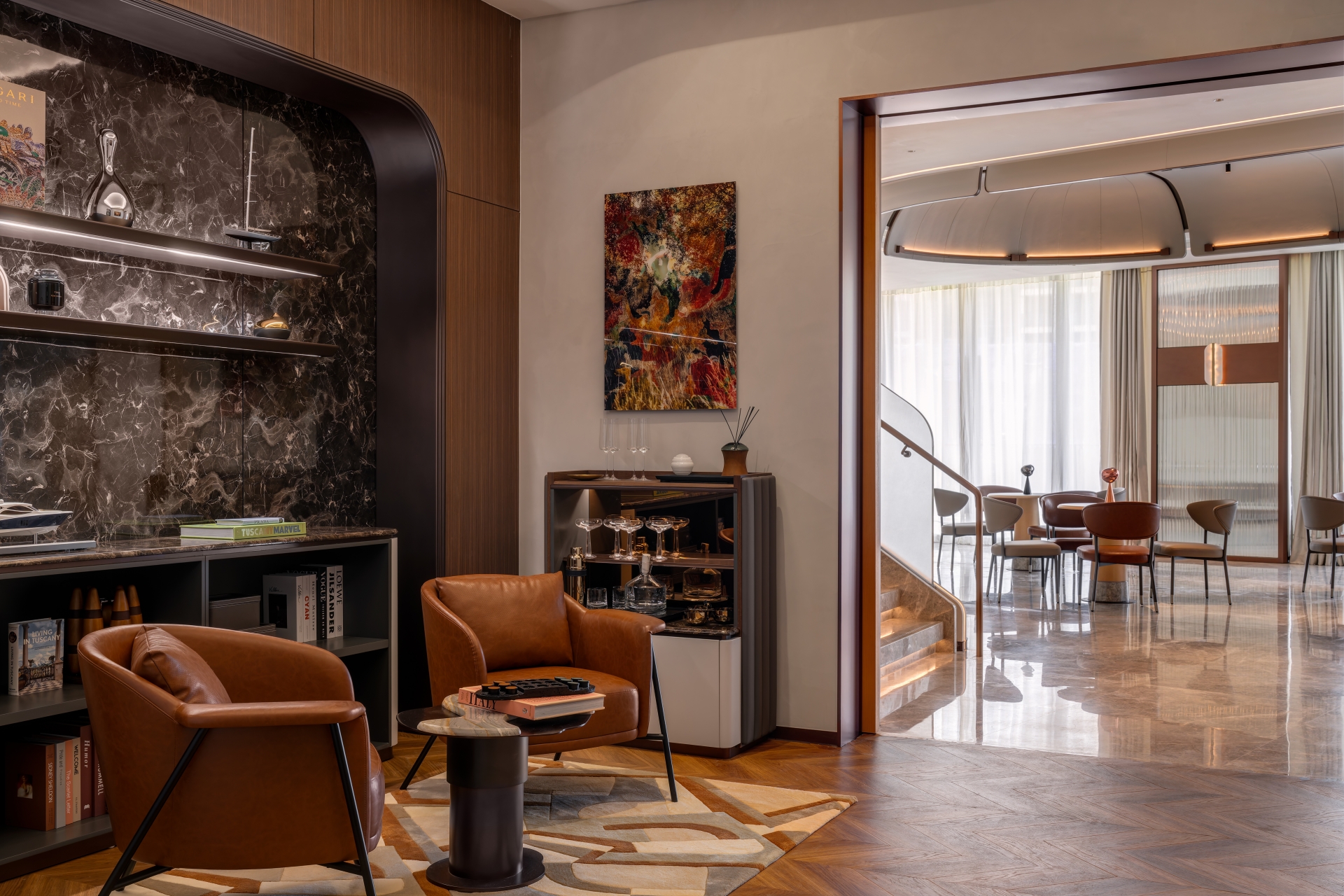
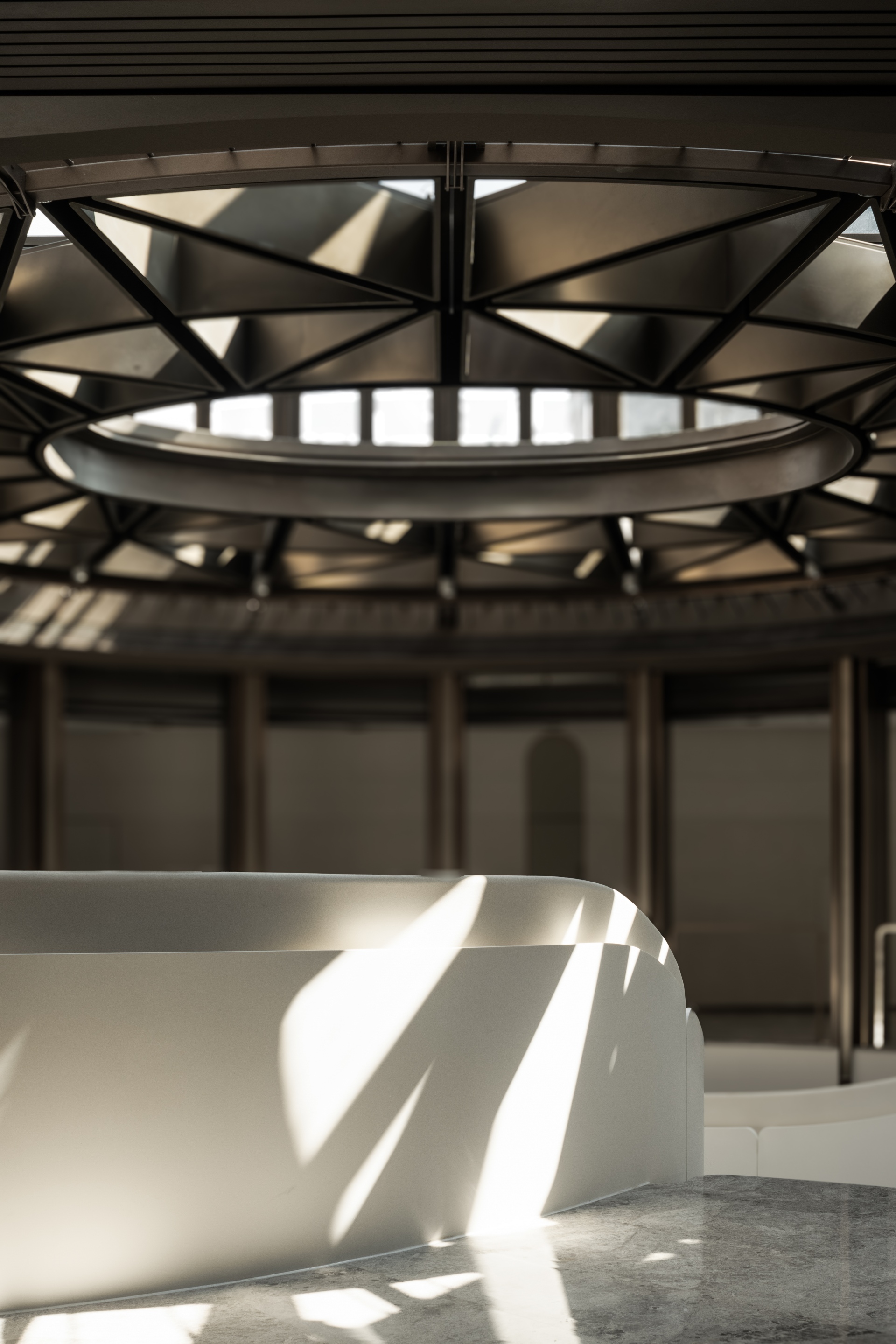
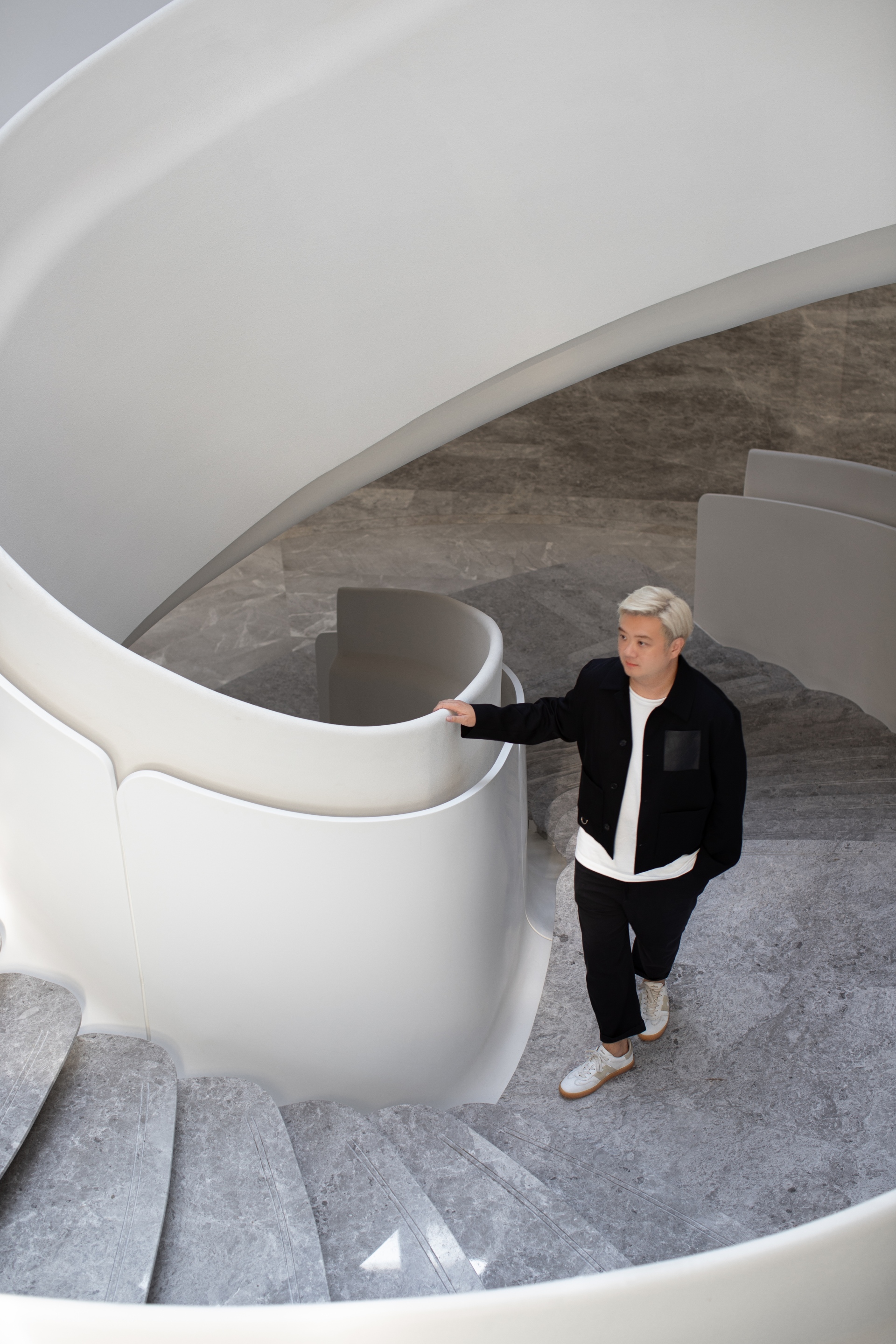
You mentioned that a key collaboration, such as the one with HKRI in Discovery Bay, was successful because they gave you a "free hand" to speak on market positioning. Could you elaborate on how your research informs that positioning?
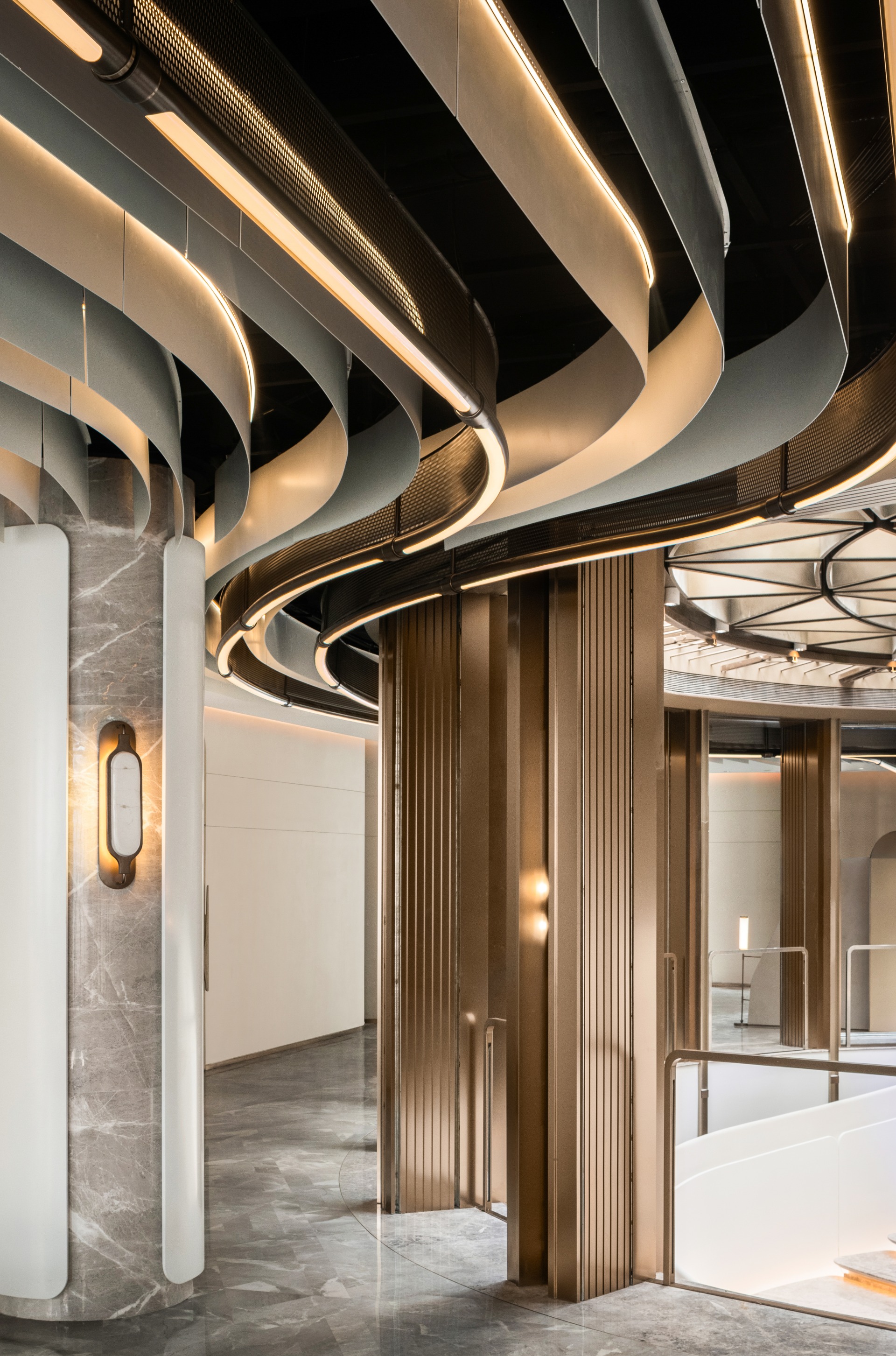
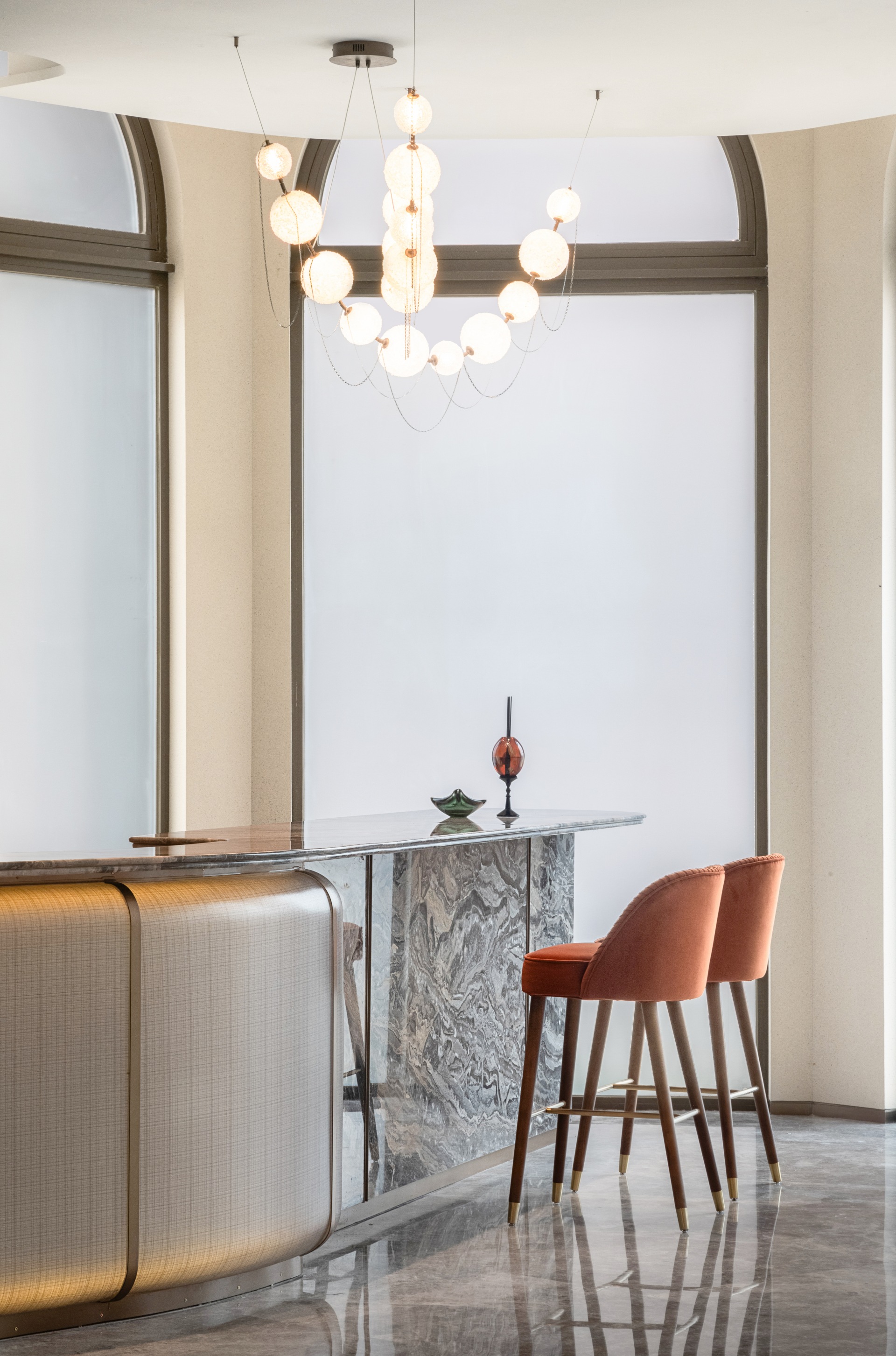
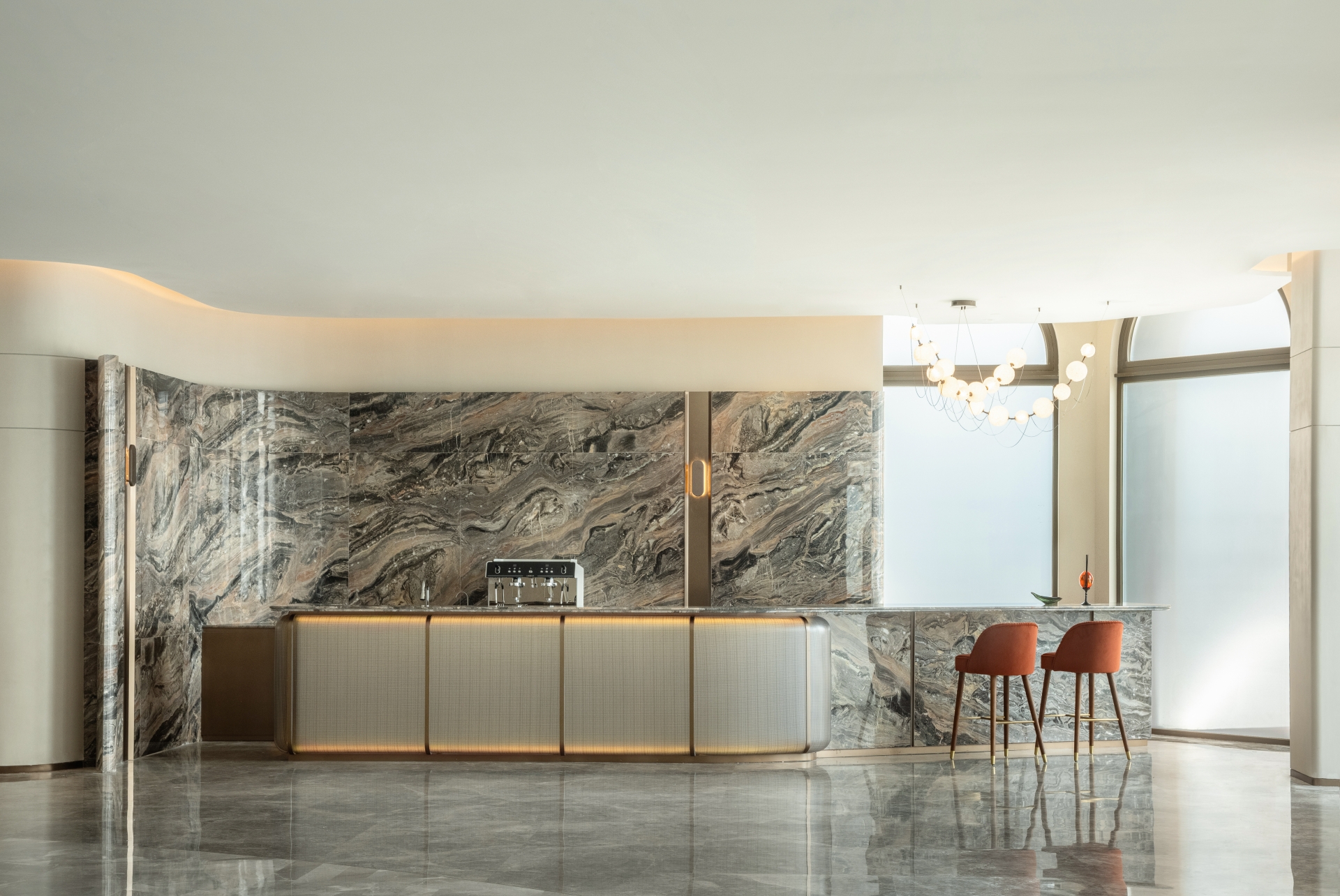
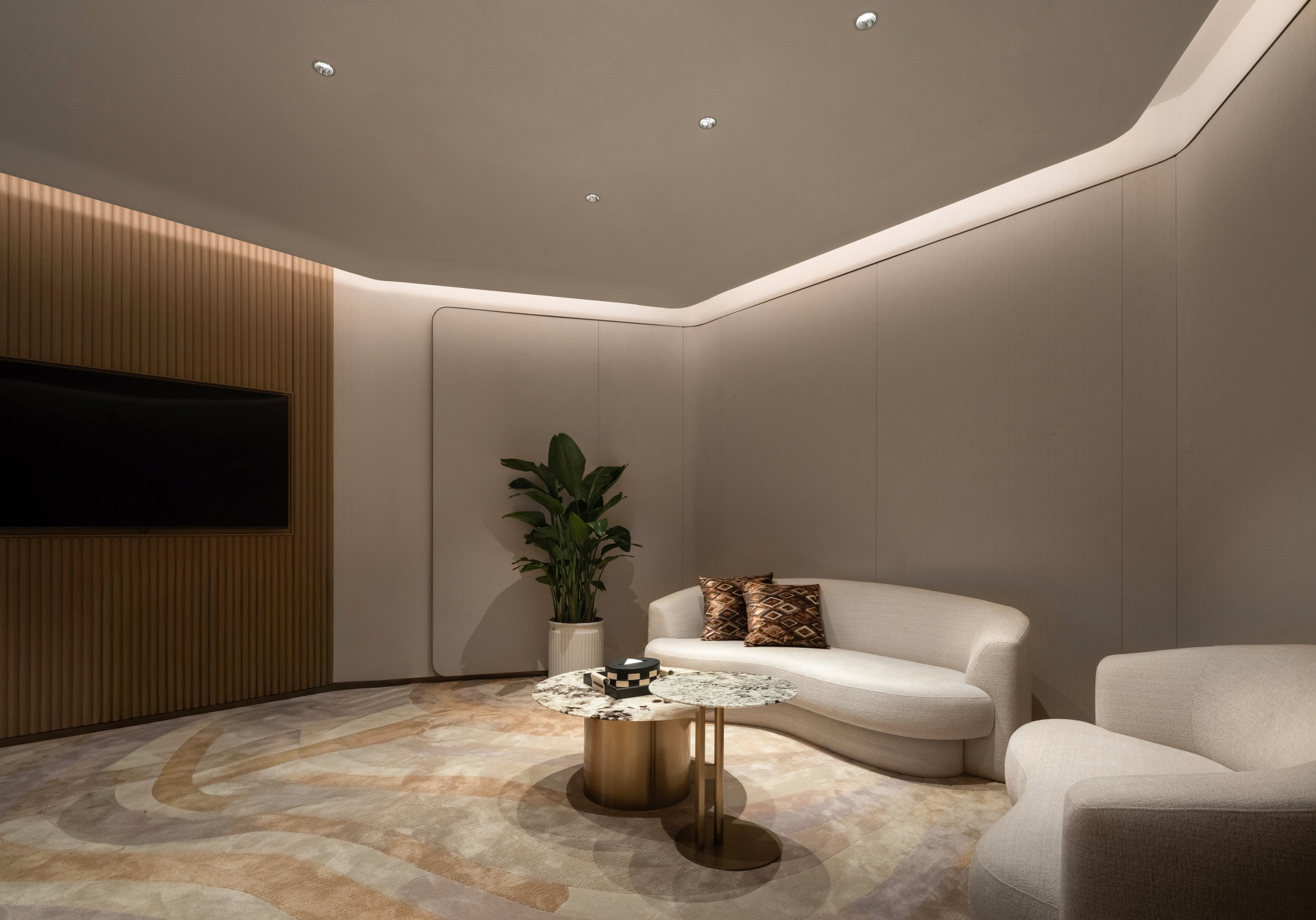
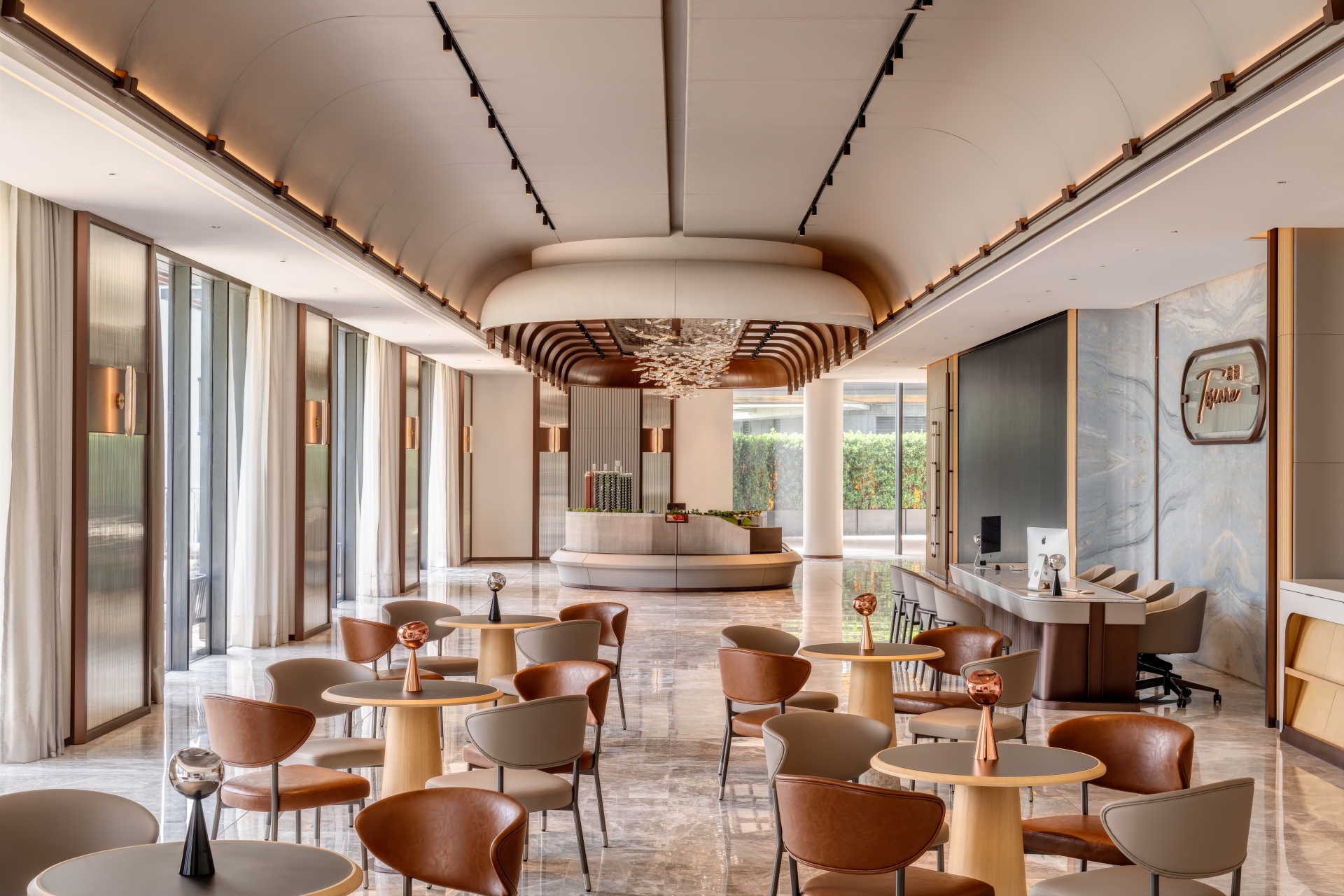
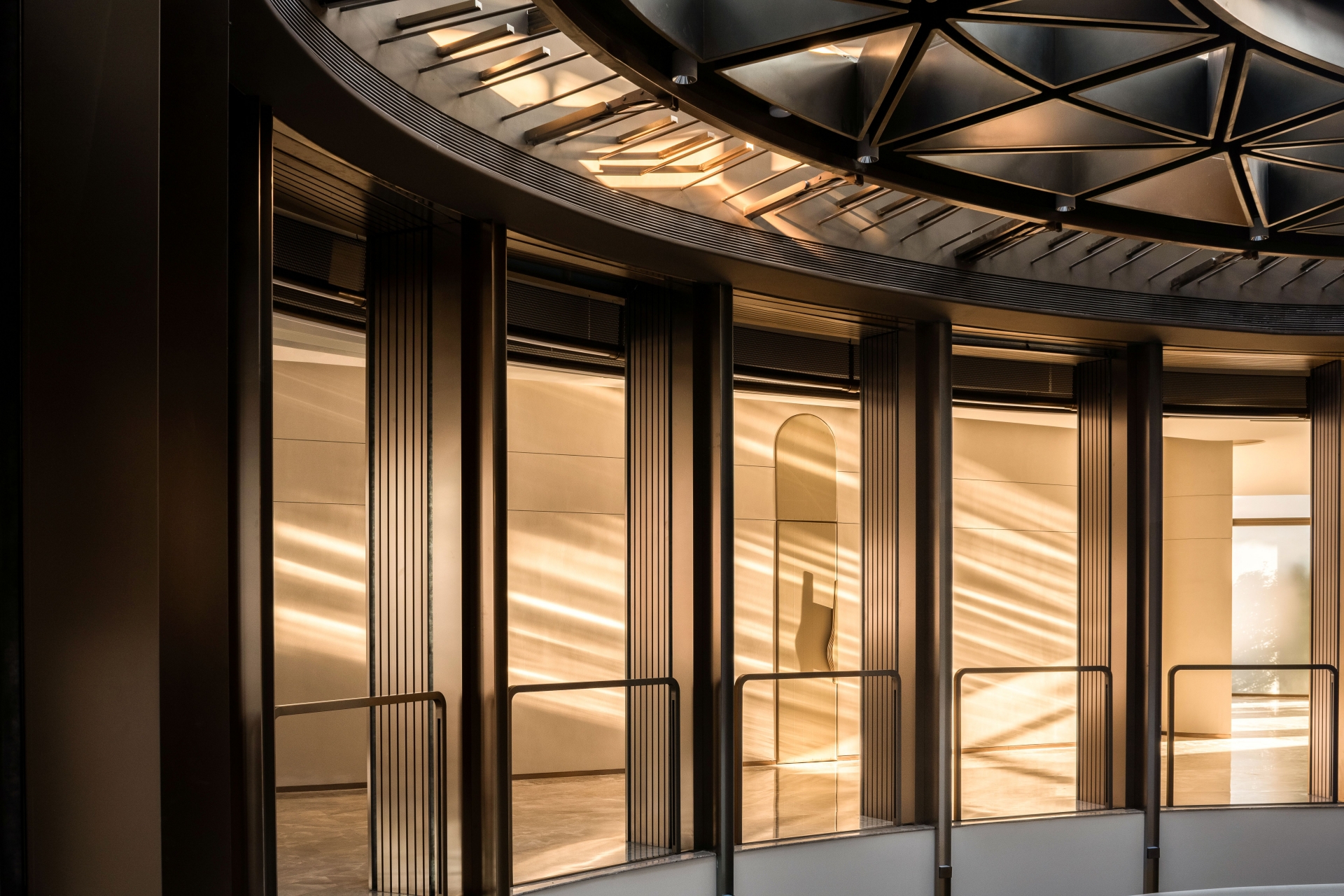
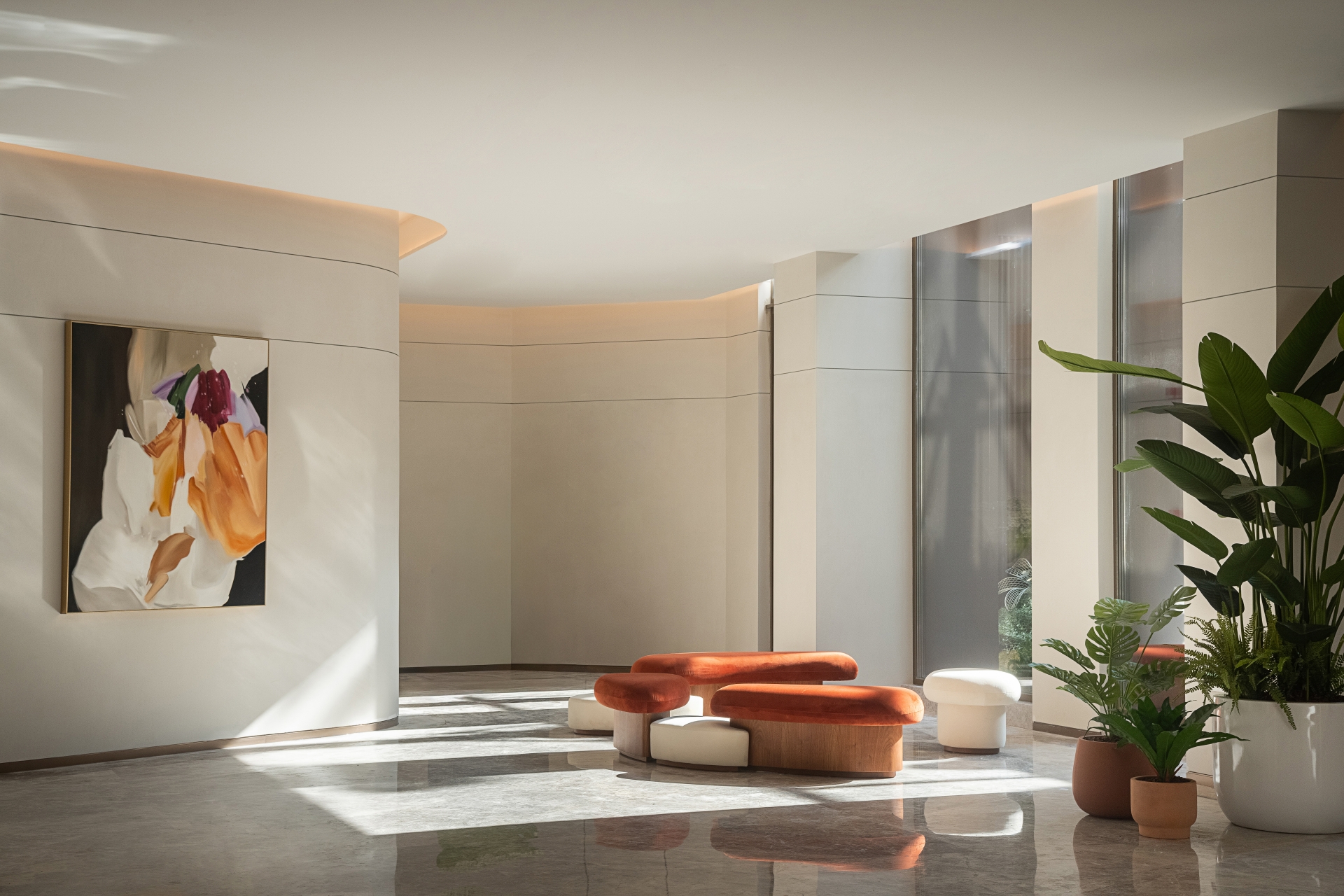
We are fundamentally a research-based company. We conduct a lot of market analysis before a project kicks off. Before designing the sales hall at Discovery Bay, for instance, we studied the Hong Kong market over the previous five to six years. We saw many impressive projects with "wow" effects that were very commercial. Given Discovery Bay’s prestigious, 'paradise' feel, we proposed a concept that was more welcoming and less commercially "pushy". They agreed. We spent close to six months on the concept alone. This intensive research helps us understand the business, the competitors, the local, and the global scene. We want to be able to understand how the client makes money and what their core message is before we even start designing. This is why we say we “design for impact”.
That motto, "Design for Impact," is the core of your recent rebranding. How does your research-based approach directly translate into that "impact" for the end-user?
The impact must be layered. The design should not feel like it’s only selling something, but rather creating a lasting impression that needs to be digested. We want to create spaces that make the audience think: "Am I still at a sales hall right now?" or, "I'm just loving the space, that's why I want to be here”.
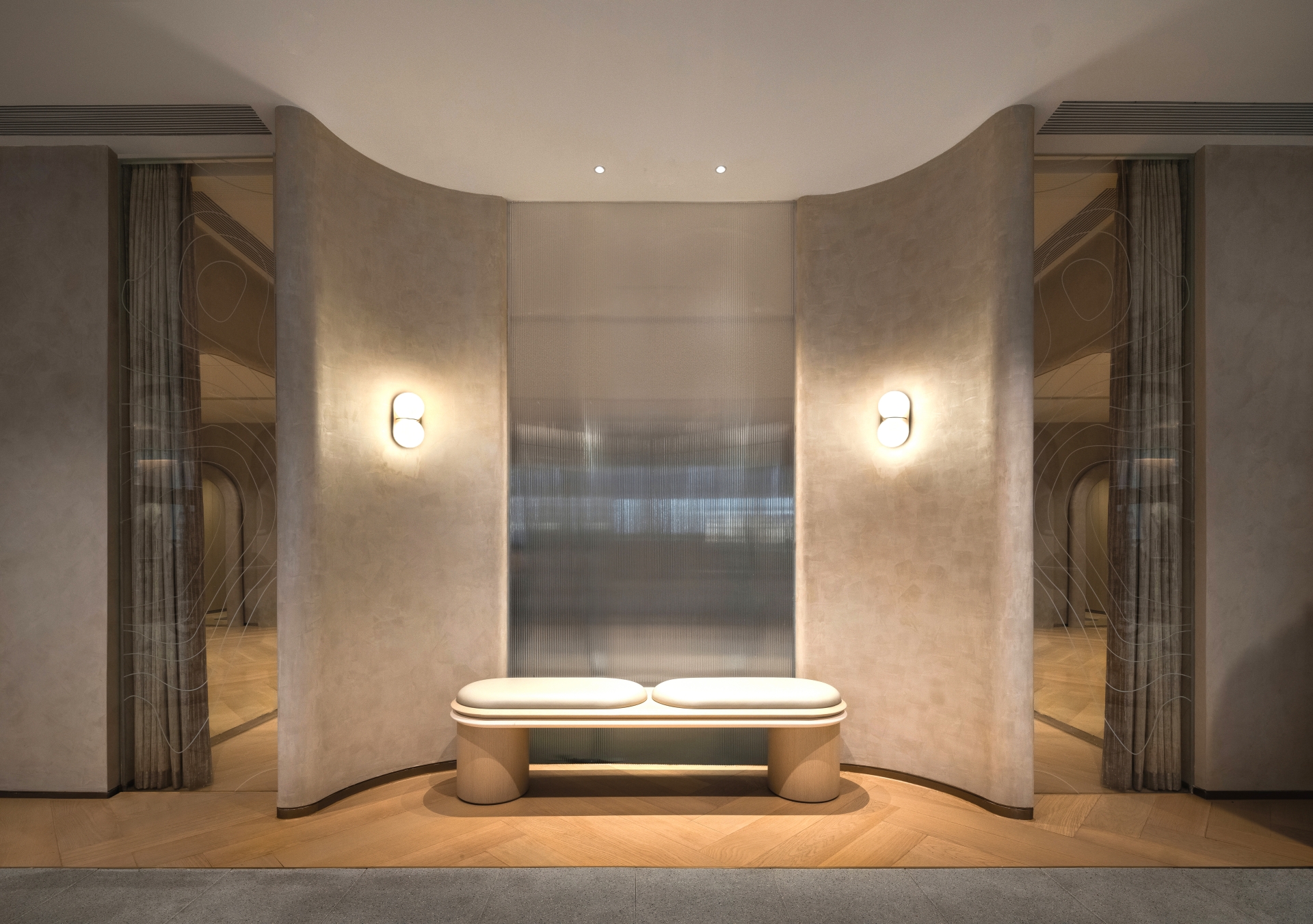
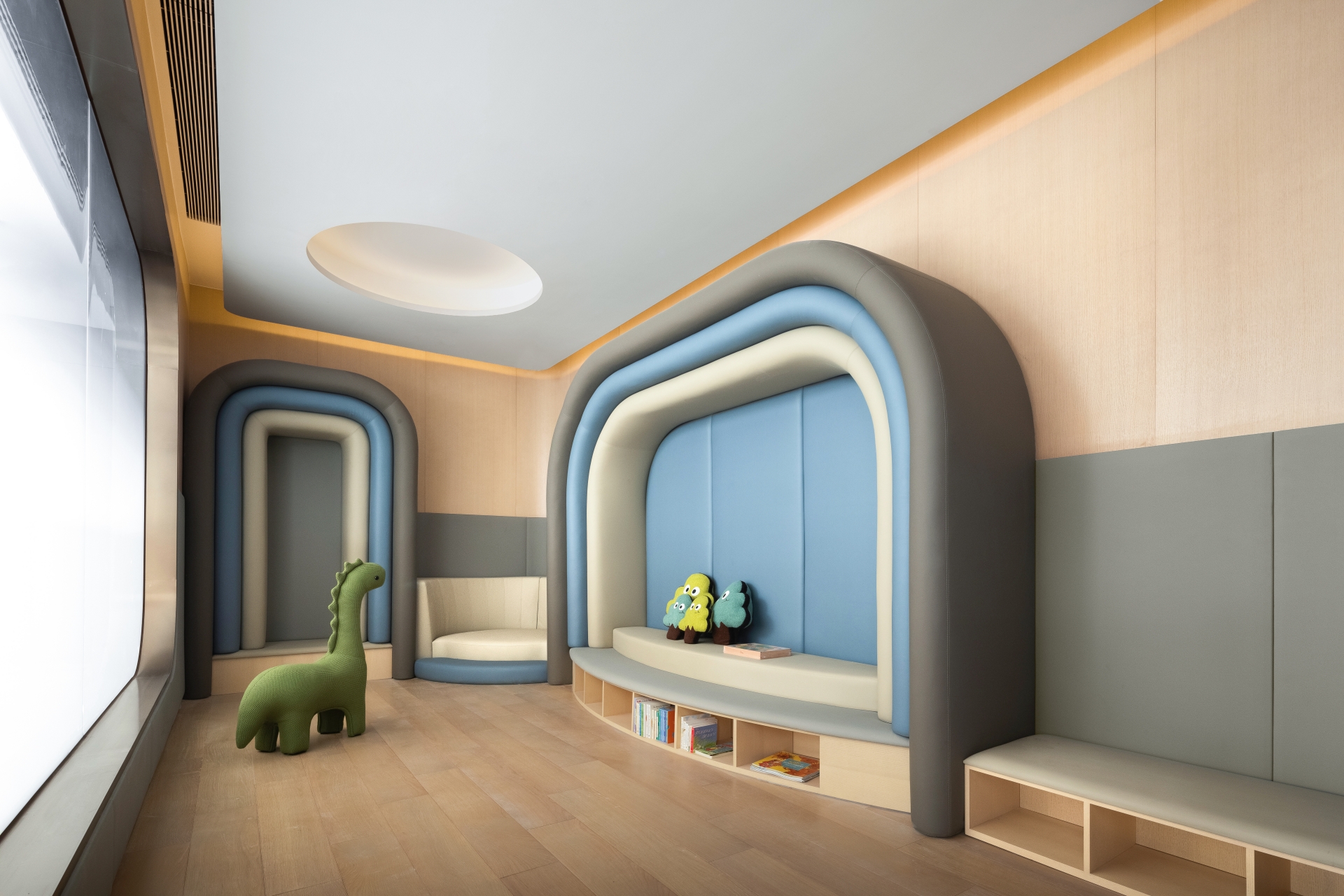
For instance, with our recent showflat project, it sold out within a month because the clients fell in love with the design at first sight. It had an oriental touch that felt regional, but it was also comfortable and modern, with clever space utilization like a hidden wardrobe and decent-sized cupboards—things people often skip for showflats. Our design wasn't just aesthetic; it delivered clear commercial value for the client and a high-quality experience for the buyer. This level of impact is what validates our research-driven methodology.
Who are some designers or artists that you look up to?
In architecture, I deeply admire Thomas Heatherwick for how beautifully he handles space, form, and layering. In interior design, I look up to Jouin Manku (the design studio founded by Patrick Jouin and Sanjit Manku) who have worked on the Van Cleef and Arpels Maison and restaurants for Alain Ducasse. On a business level, my role model is definitely Steve Leung. How he commercialized the design business and took his brand global is truly impressive. He has helped put Hong Kong on the global map as a designer, which is something that helps all Hong Kong creatives.
After 16 years, what is the core differentiator—the niche—of ARTTA Concept Studio?
Our niche is how we cocktail or fusion different experiences. We are a very diversified firm with experience across F&B, hospitality, entertainment, and residential. We don’t have a single, particular style. Our strength is taking those diverse experiences and blending them into a single space, always working from intensive research. We are set apart by the time and effort we spend on studying the client’s business, their competitors, and the local and global demographic to create a unique, impactful experience. We design, first and foremost, for a lasting impact.