PODCAST
WHAT MAKES A GOOD CONVERSATION? LOOK NO FURTHER THAN OUR ART OF THE CONVERSATION, FEATURING UNCONVENTIONAL STORIES AND PEOPLE WHO MOVE AND INSPIRE
LISTEN NOW


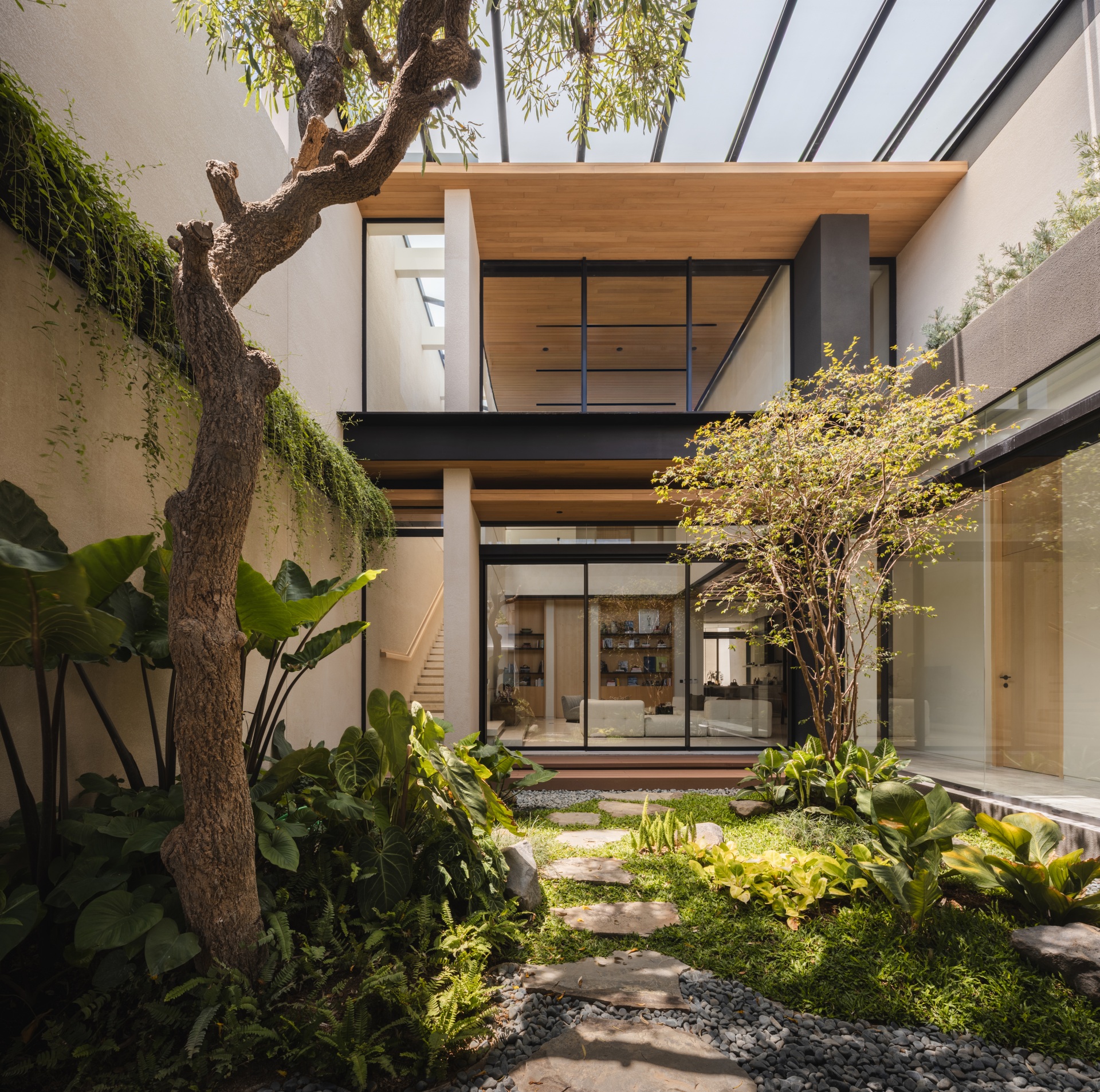
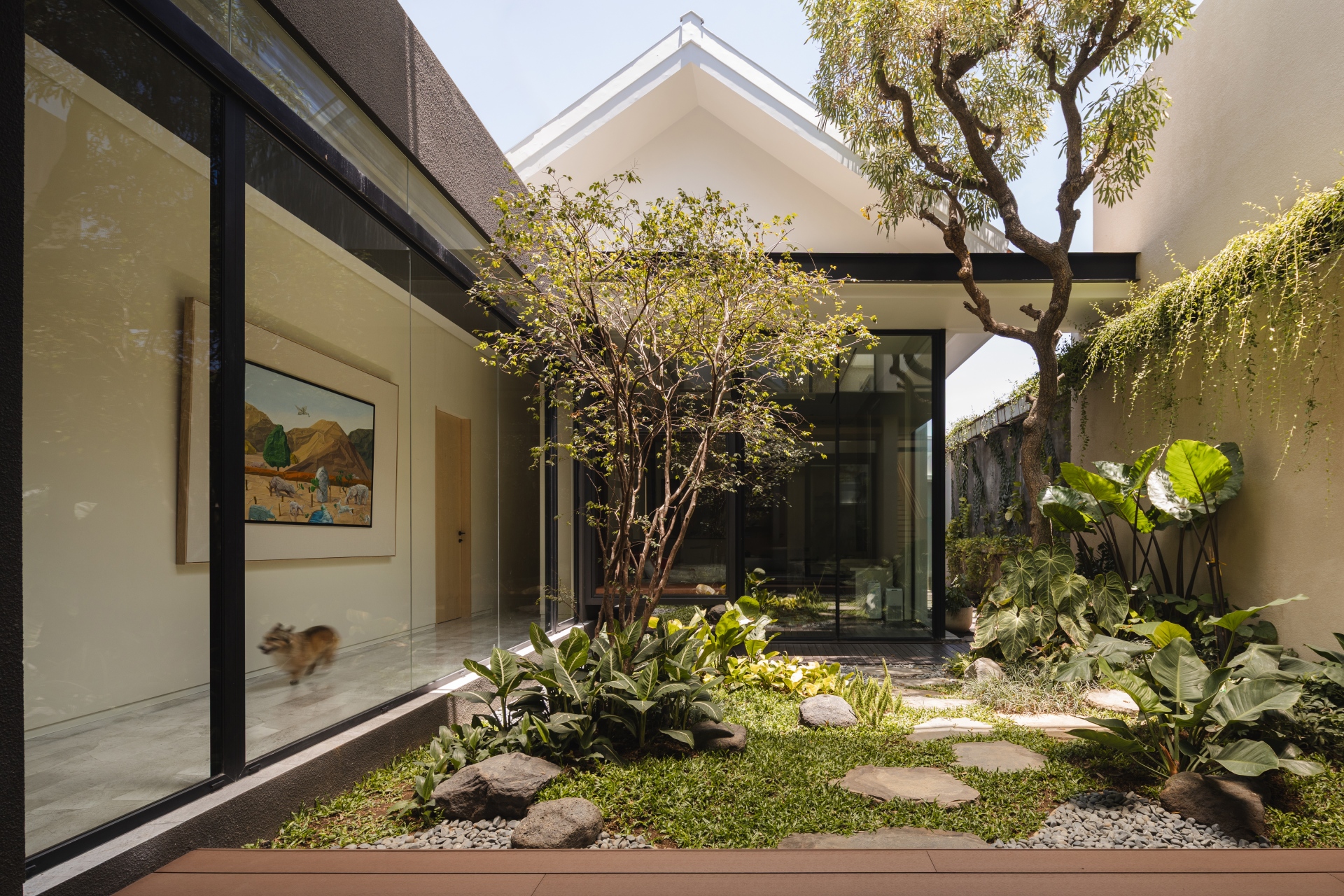
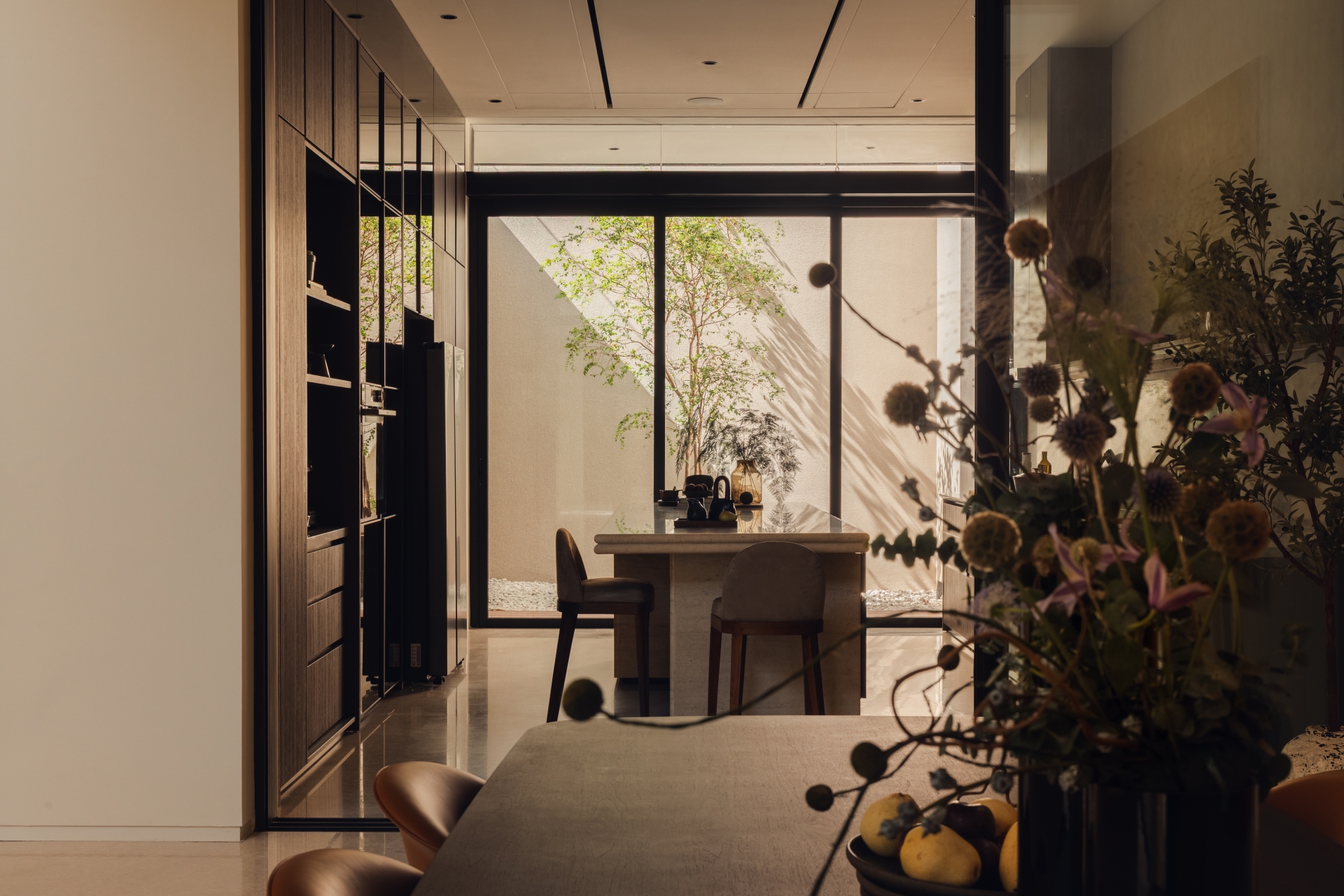
KantorGG's design ethos centers on 'living with nature, inside and out'. This principle goes beyond adding green elements; it's about deliberately blurring the boundary between interior and exterior. Through the careful placement of courtyards, framed views, and open apertures, the architectural elements - light, wind, and vegetation - are allowed to actively shape the daily experience of a space. These are not decorative additions; they are fundamental forces that gently influence how people move, linger, and ultimately inhabit a place.
The most surprising effect of this integration, Giovanni Gunawan notes, is how it causes people to "slow down". Areas that would typically be treated as simple circulation paths, such as transitional spaces seamlessly connected to greenery, are instead transformed into places for natural pause. This is a direct consequence of a design that doesn't demand attention, but feels effortless to inhabit, fostering a quieter rhythm of living where well-being emerges naturally from the composition of the space.
KantorGG integrates nature seamlessly into its designs. What’s the most surprising way you’ve seen nature influence the mood or behavior of people in a space?
One of the most consistent and surprising effects is how people slow down particularly in transitional spaces that are seamlessly connected to greenery. When light, wind, and vegetation are well integrated, these areas stop being treated as mere circulation paths and instead become places where people naturally pause.
This aligns closely with our principle of living with nature, inside and out. At KantorGG, we deliberately blur the boundary between interior and exterior through courtyards, framed views, and open apertures that allow light, wind and vegetation to shape daily experience. These elements don’t demand attention; they gently recalibrate how people move, linger, and inhabit a space.
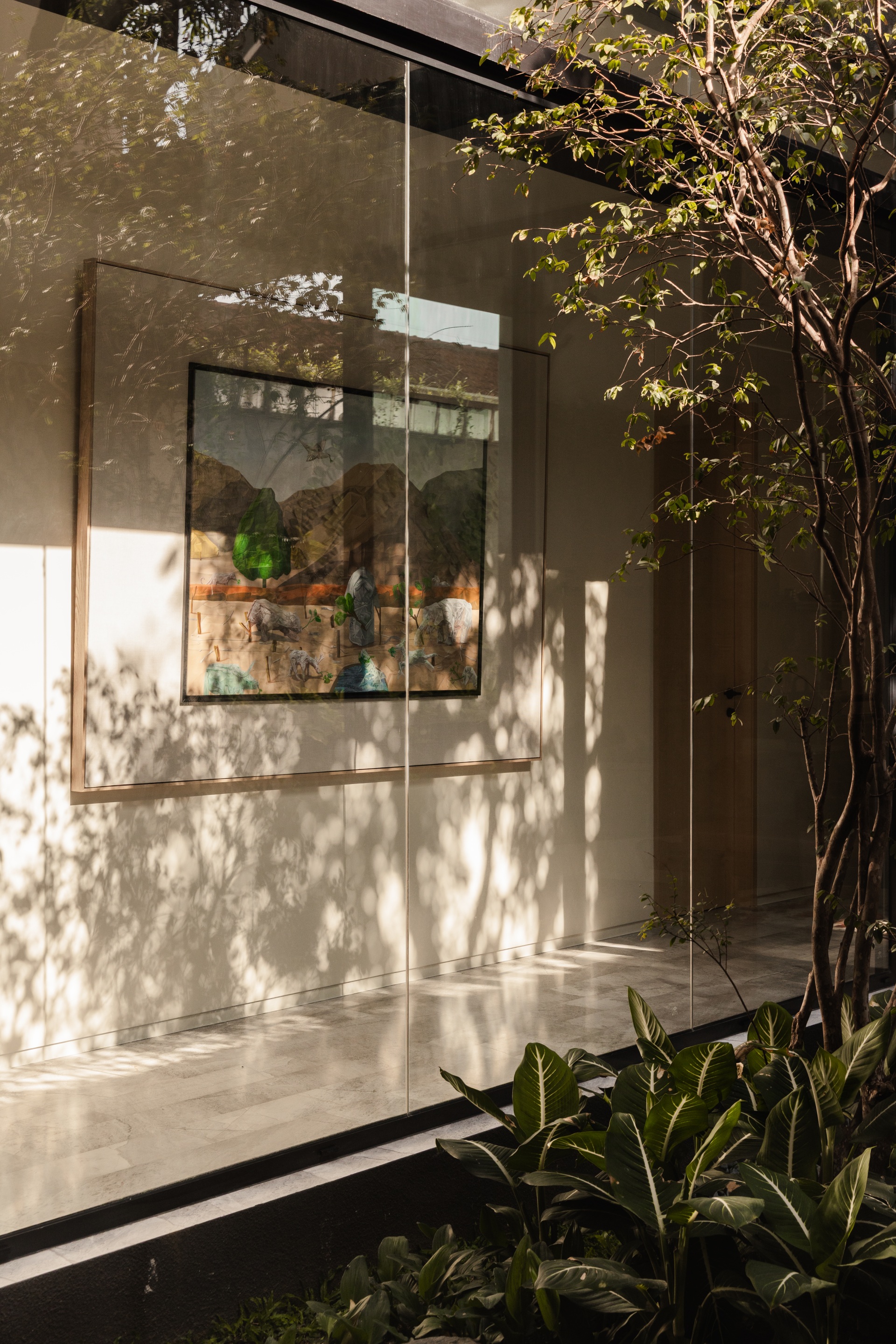
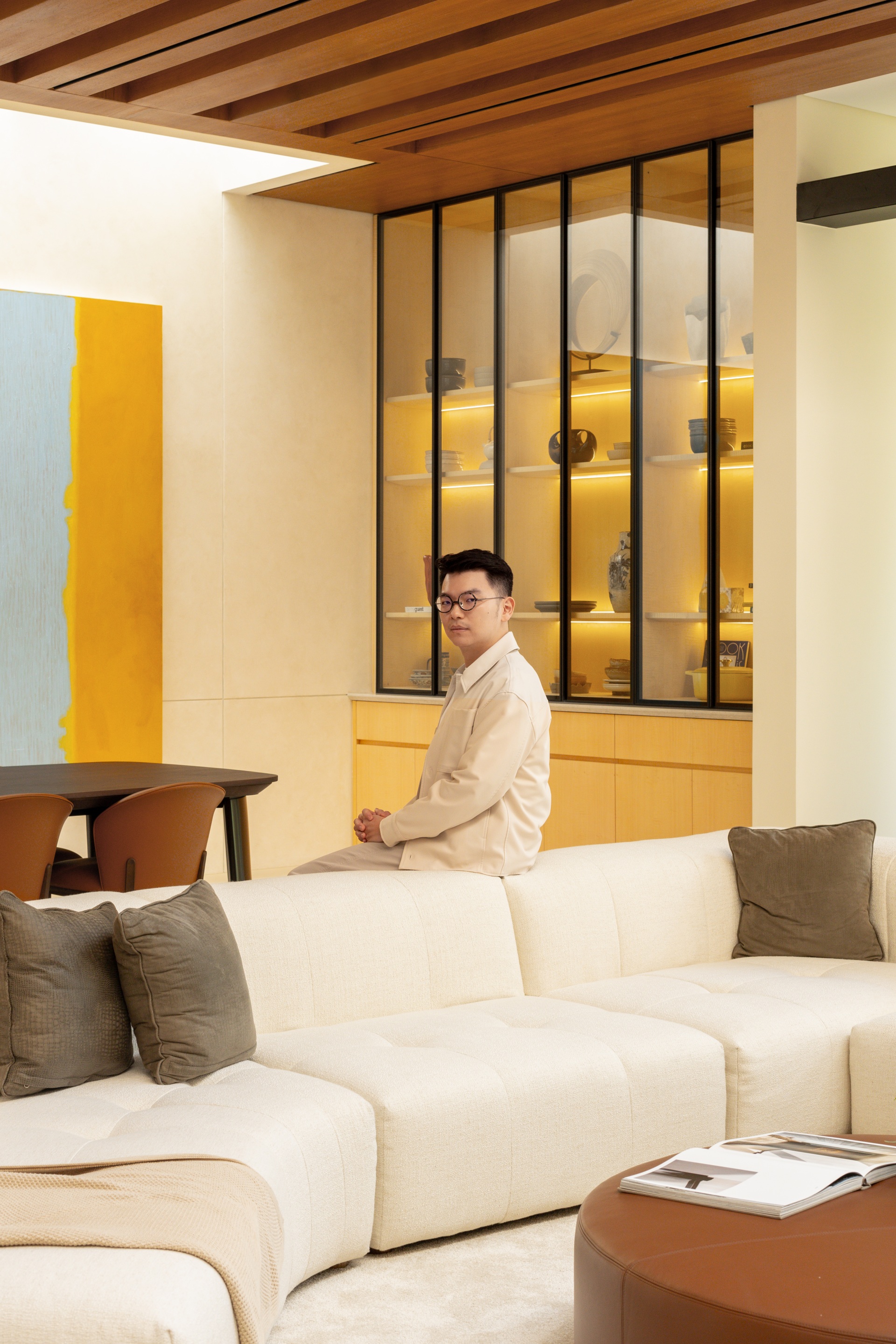
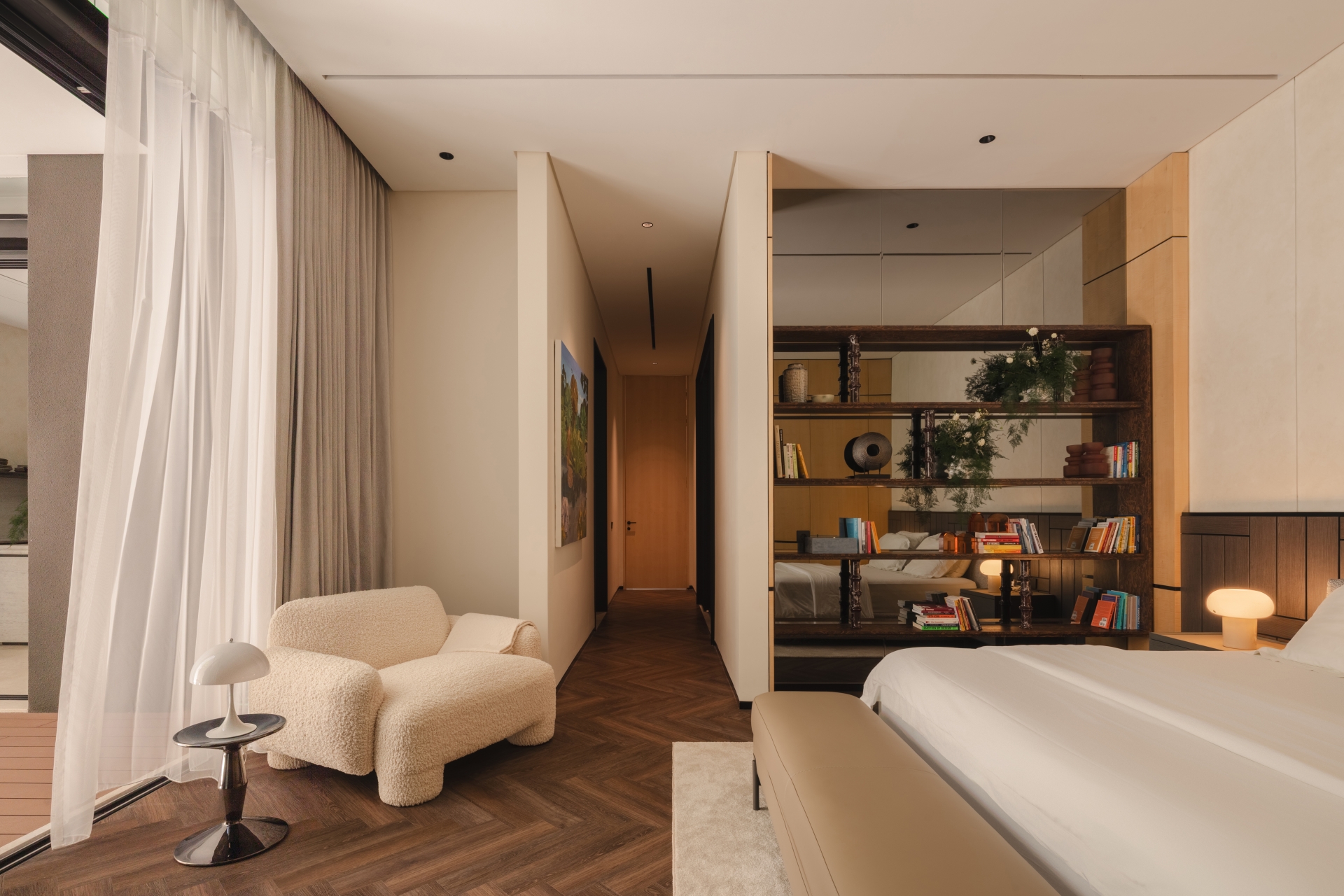
We see this most clearly at the indoor-outdoor threshold. With expansive openings, ample ventilation, and a strong relationship to the landscape, living and dining spaces become more airy and comfortable. People tend to linger longer, not because the space demands attention, but because it feels effortless to inhabit.
Ultimately, nature influences behavior not through spectacle, but through calm, comfort, and harmony. When architecture breathes with its environment, it fosters a quieter rhythm of living—one where well-being emerges naturally from the way a space is composed.
Many of your projects blur the boundary between indoors and outdoors. How do you balance this openness with the need for privacy and comfort?
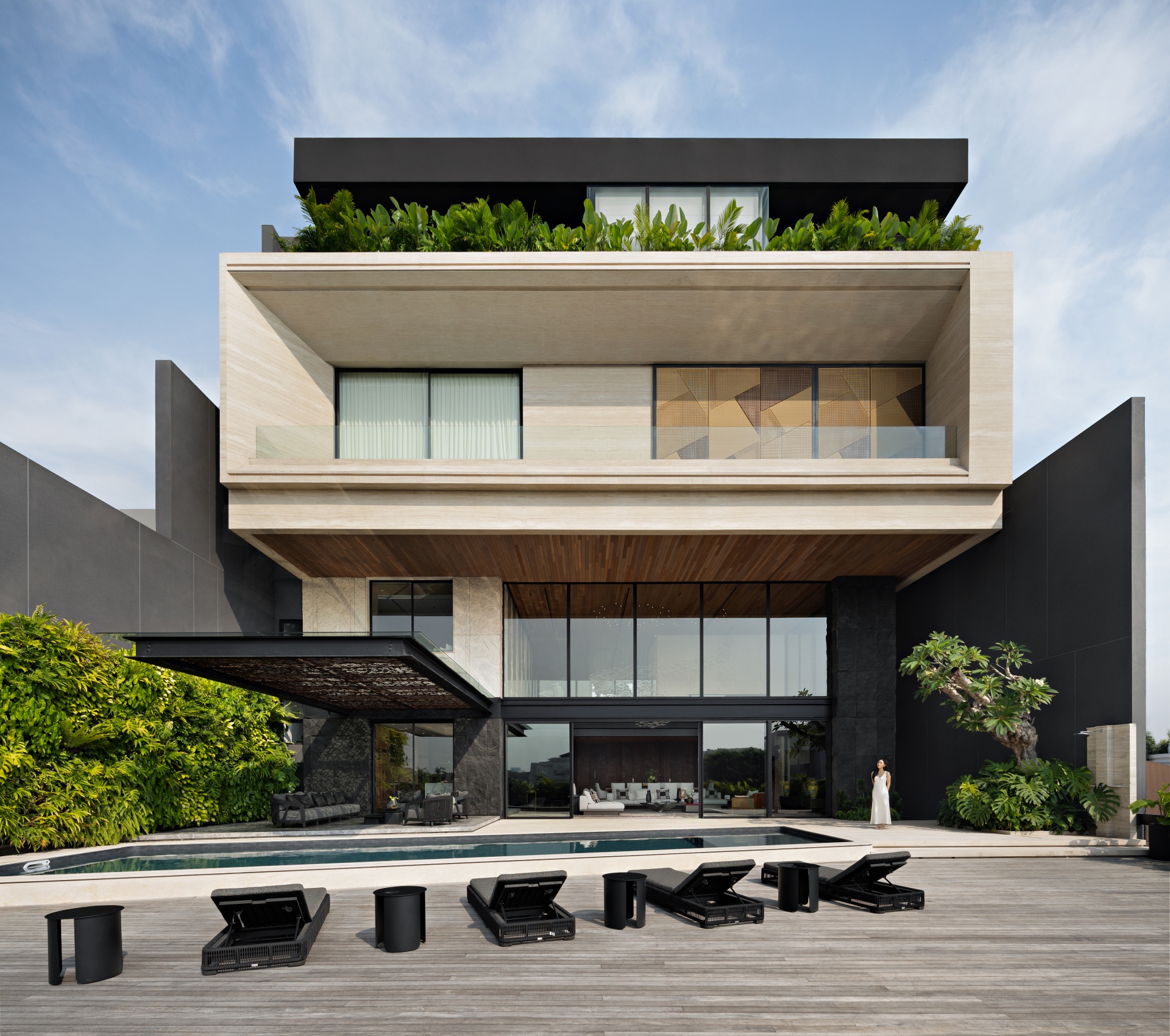
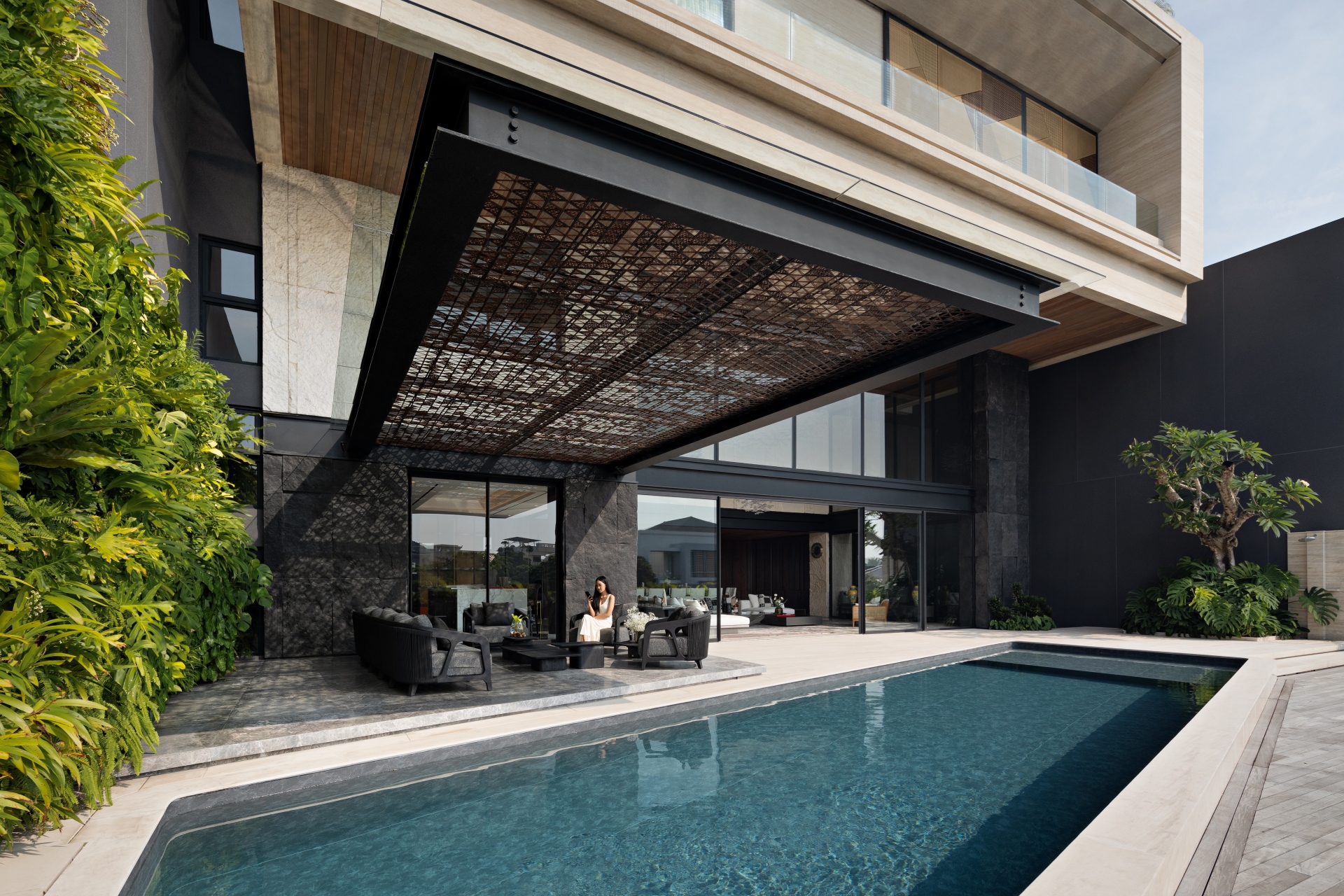
We approach openness as a balance of spatial sequencing and calibrated transparency, allowing light, space and nature to be felt while maintaining comfort and privacy. Layered thresholds such as courtyards, verandas and semi‑enclosed spaces are shaped through thoughtful material choices and permeable surfaces, creating softer transitions. Framed views, often articulated through cantilevered forms, let the landscape in without overexposing the interior.
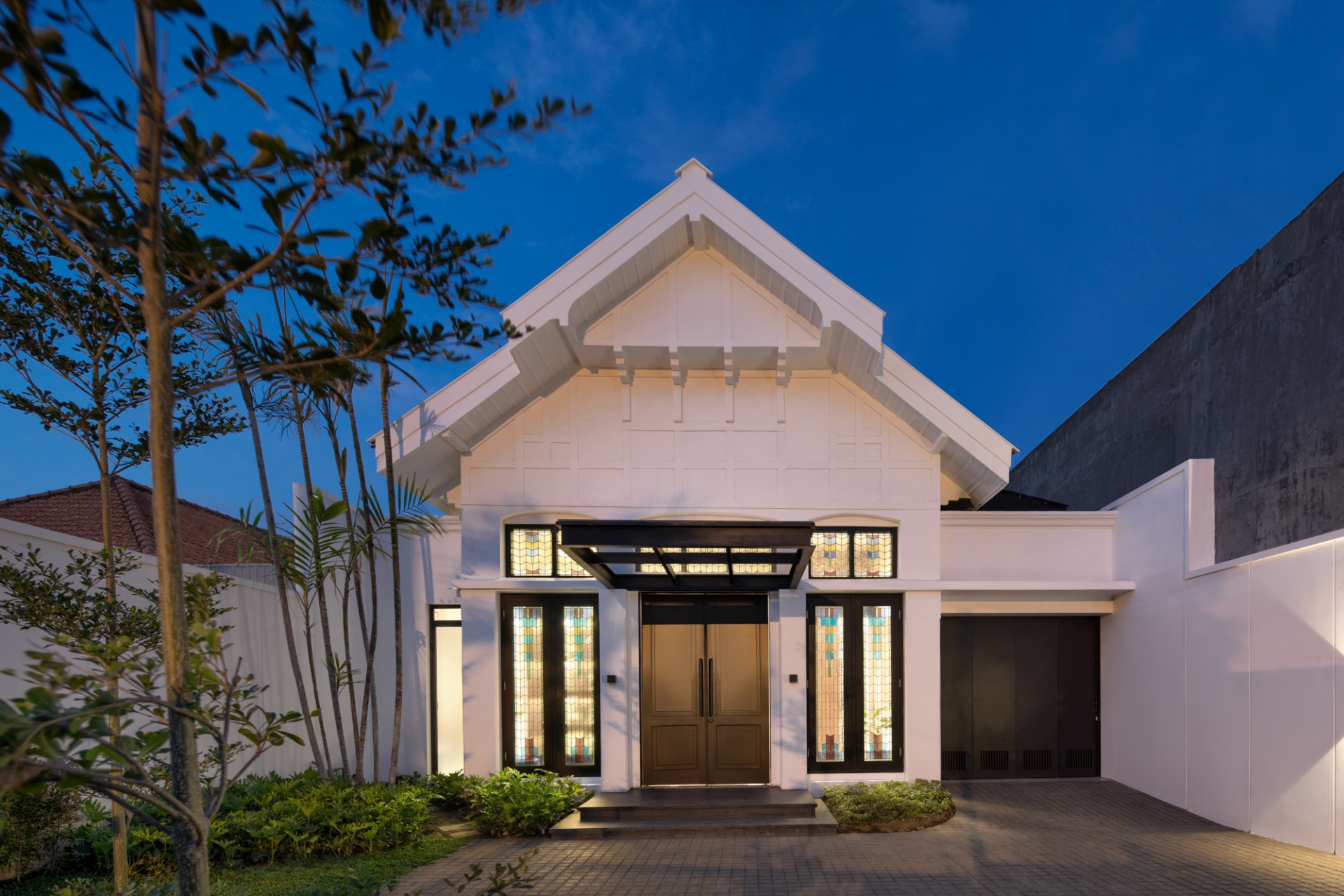
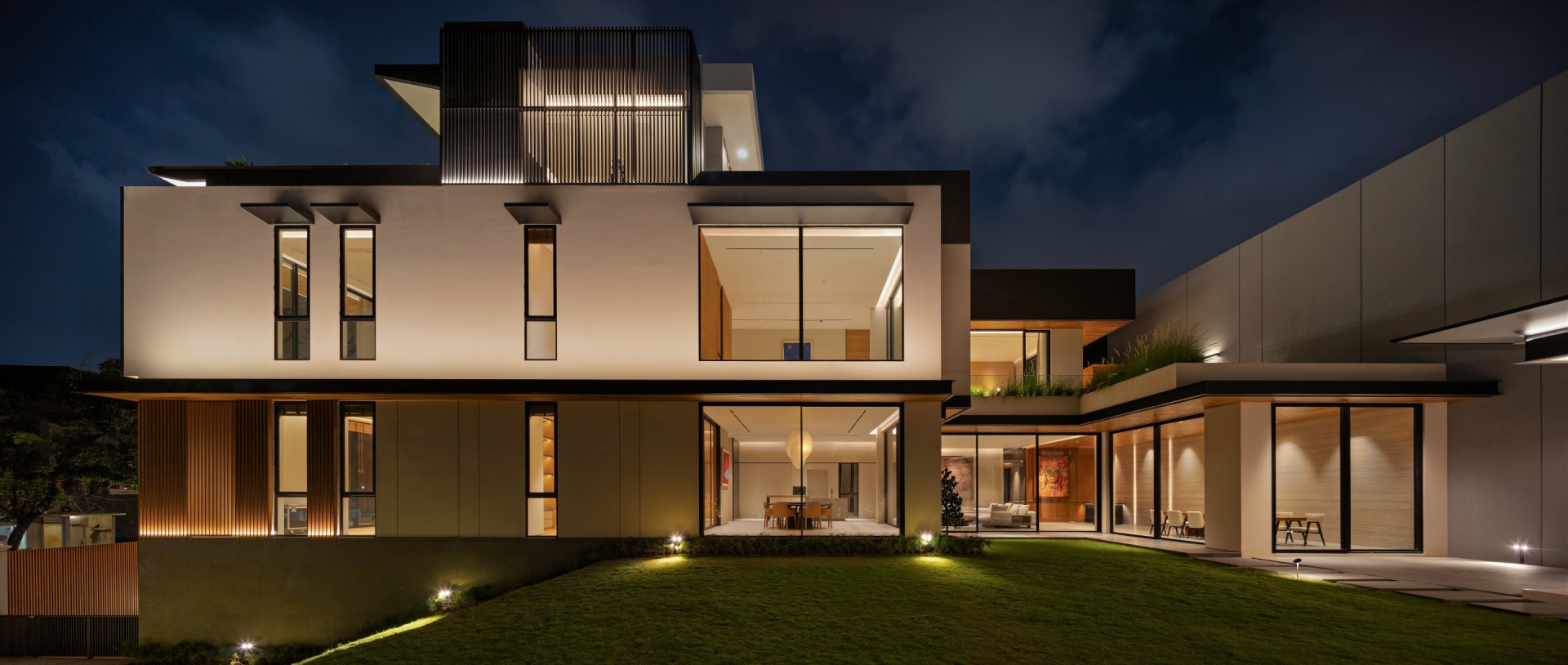
This way of working translates directly into how our projects are planned and experienced. In PB House in Surabaya, the preserved courtyard becomes the central hinge, drawing in light and air while serving as a sheltered transition between the public front wing and private family living areas at the rear. Similarly, JS House in Jakarta addresses privacy through an exterior skin, while maintaining strong connections to the landscape, natural light and ventilation. This creates a space that feels expansive and connected, but remains a personal sanctuary.
Architecture often reflects cultural identity. How do you ensure KantorGG’s global projects remain deeply contextual yet universally resonant?
Our approach begins by listening closely to the site, culture, and most importantly the people who will inhabit the space. This understanding guides our architectural response, allowing environmental conditions, quality of light and material integrity to shape the design rather than imposing a predetermined language.
PB House again is a good example. We kept the colonial façade to honor its cultural and historical context, while taking a more contemporary approach in the interior and rear extension to meet modern living needs that are universally resonant. This mix of old and new creates a sense of familiarity that feels relevant beyond just one place.
You describe your work as creating “architectural sanctuaries.” What does sanctuary mean to you personally, and how does that vision translate into design?
For me, we envision a sanctuary being a place that fosters lasting connections between people, between past and present, and between the home and its surroundings. When we talk about architectural sanctuaries, we mean working with thoughtful storytelling and timeless design, where architecture becomes an enduring narrative that can be lived in over time.
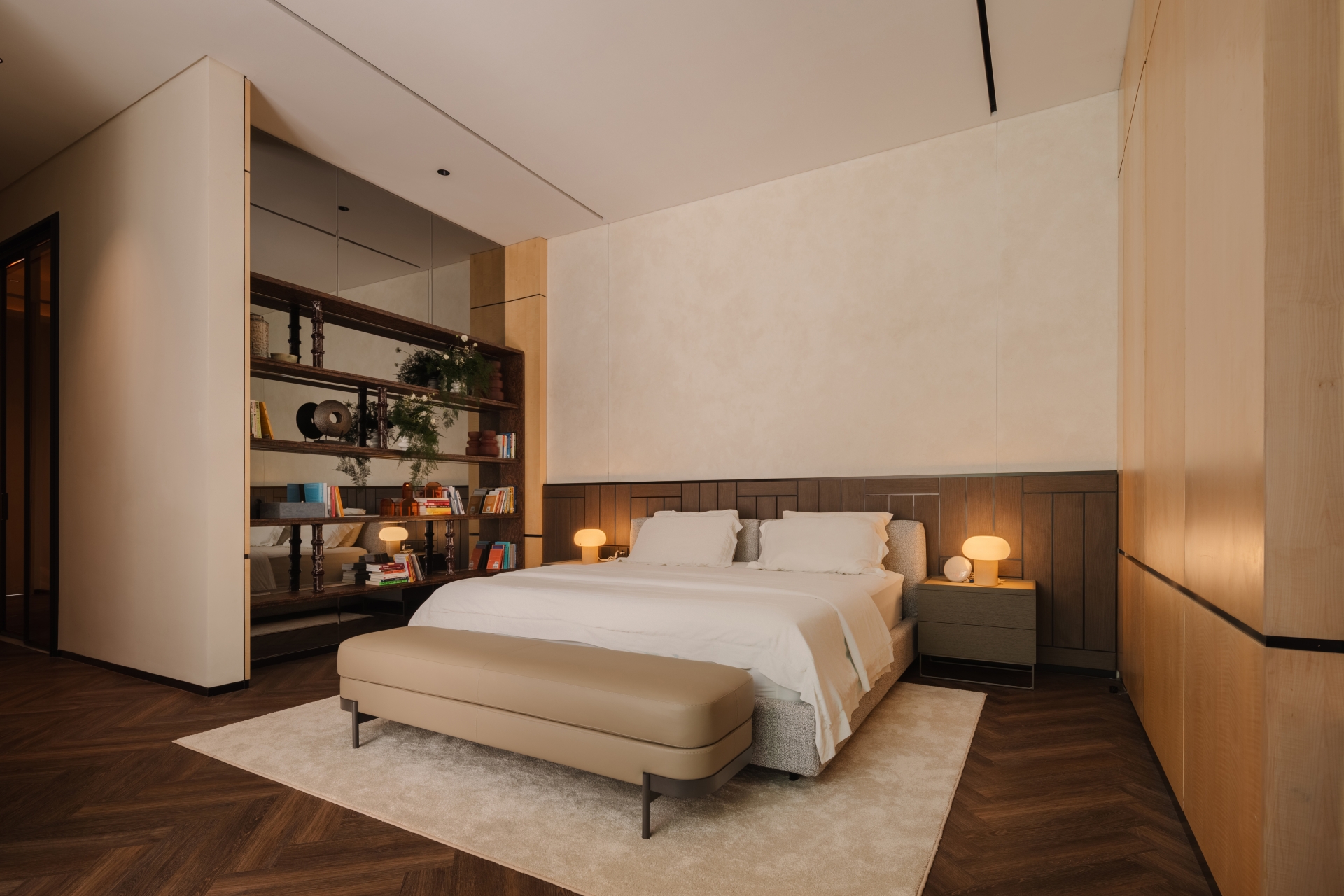
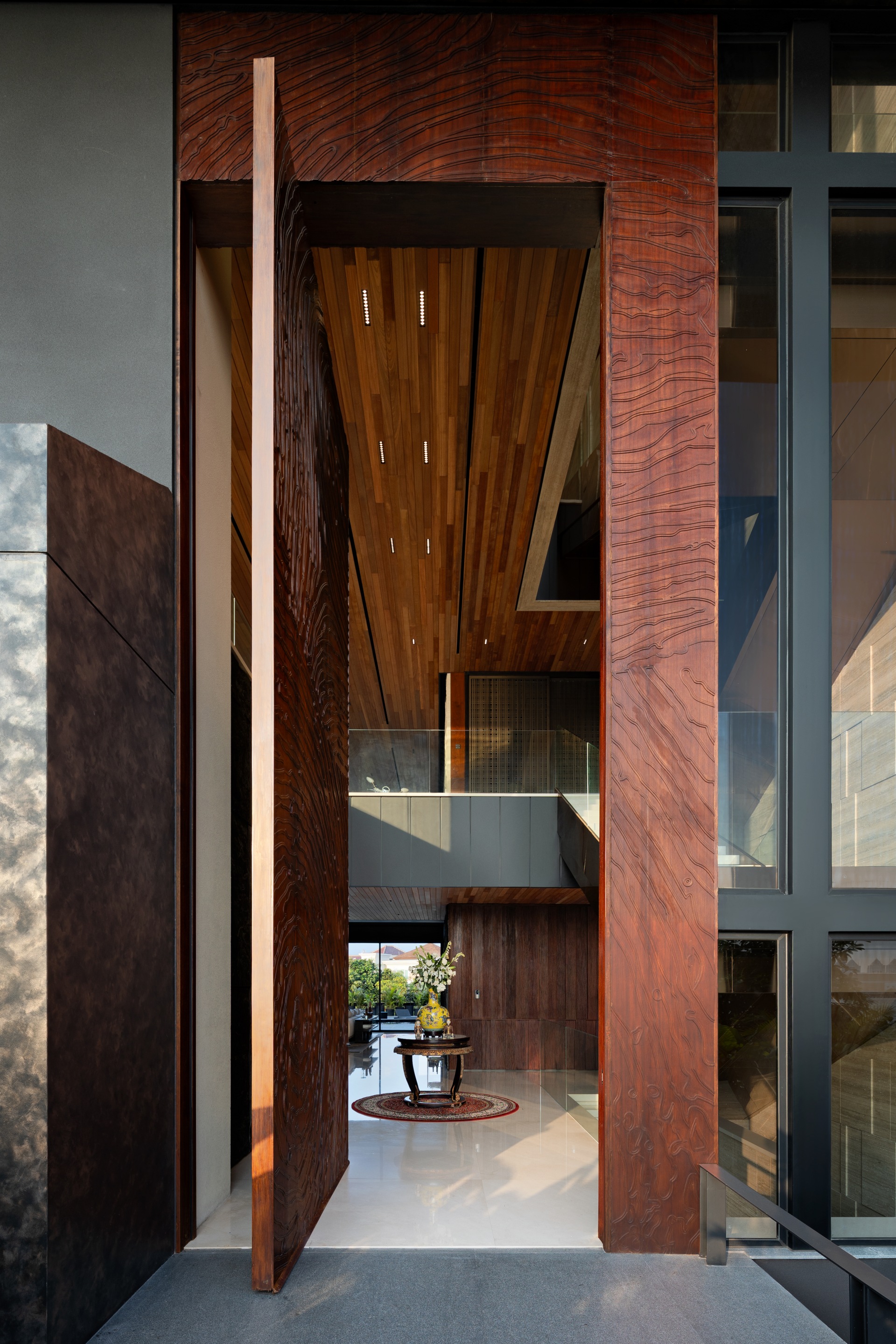
This vision translates into design through listening. Each project begins with a close, collaborative dialogue with our clients to understand what truly matters to them. Those personal stories are then translated into architecture through bespoke elements and craftsmanship. At D+S Residence in Jakarta, for instance, the home reflects the owners’ Javanese heritage and family identity through batik‑carved timber panels and fingerprint engravings of family members at the main entrance. These details give the house a quiet sense of meaning and permanence, allowing it to function as a sanctuary that feels both intimate and timeless.
In your experience, what small, often overlooked detail can completely transform how someone feels in a space?
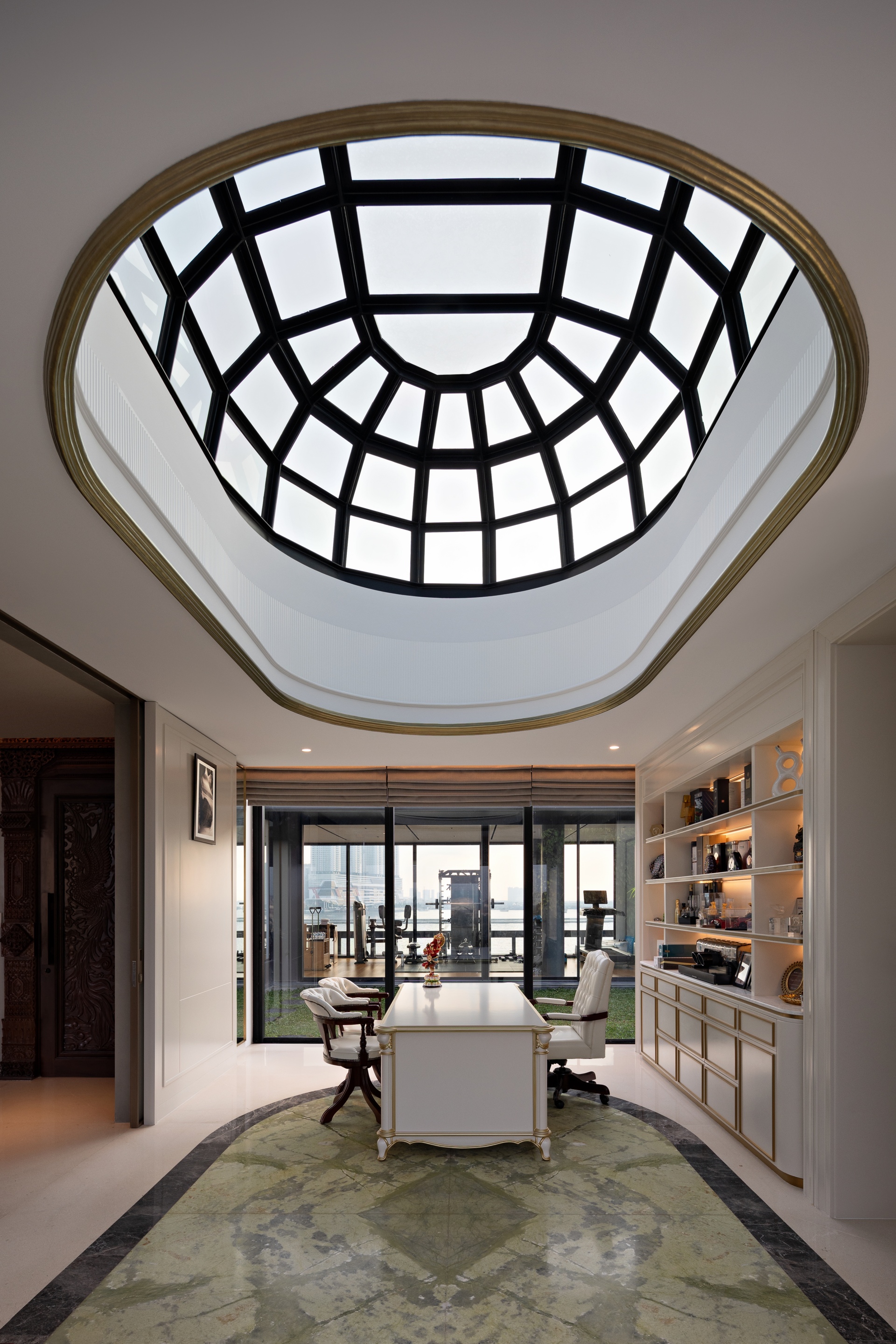
Light quality, rather than quantity, is often the most overlooked detail. The way light enters a space — its softness, direction, and consistency — has a direct impact on behavior. Good light tends to make people feel more alert and at ease, without realizing why.
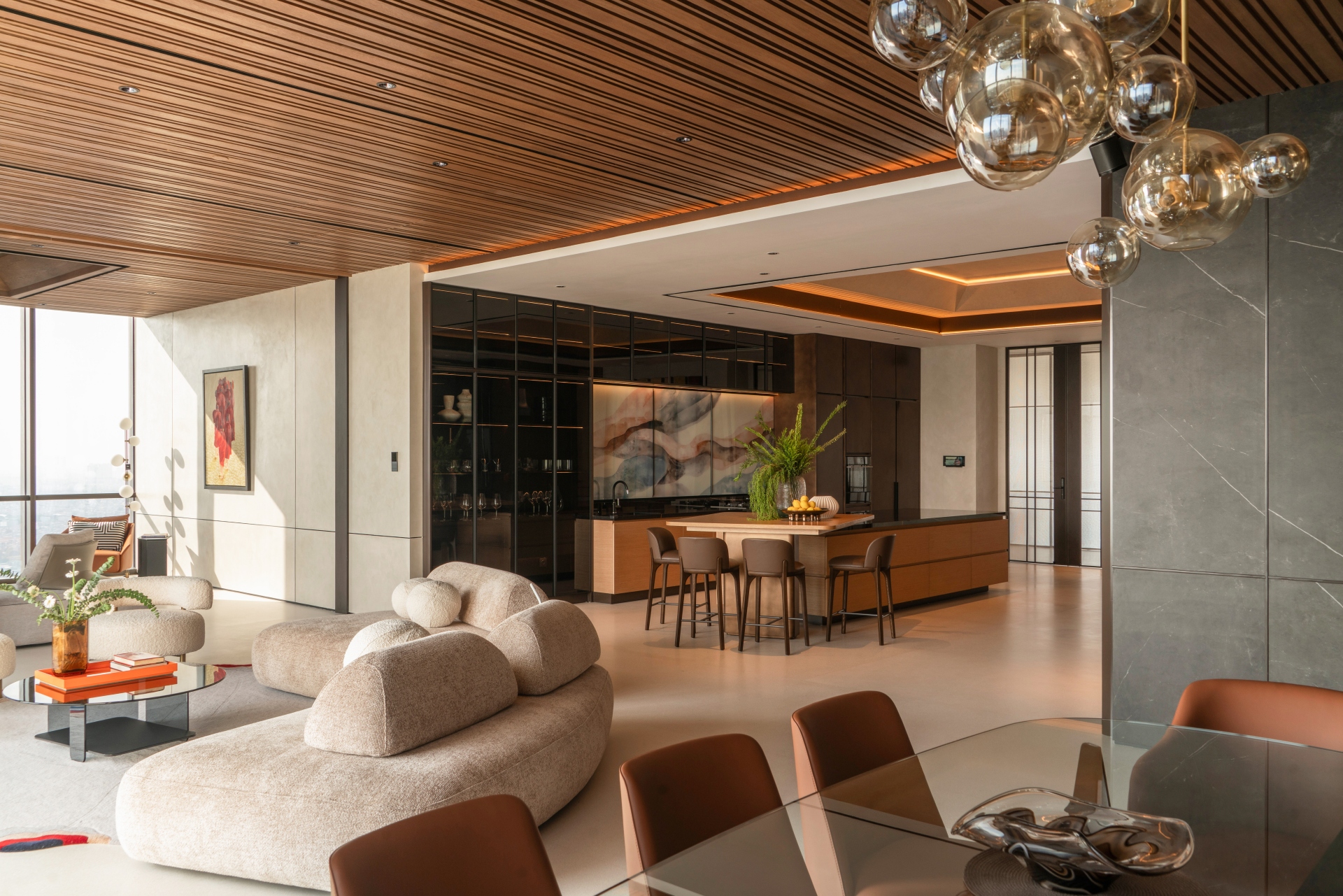
At KantorGG, we treat light as a primary design medium. Both natural and artificial lighting are used to shape mood, define volume, and guide perception. Floor-to-ceiling openings, carefully oriented spaces, and indirect lighting allow light to move gently through a home, interacting with material and surfaces rather than overpowering them. Shadows and reflections are not treated as byproducts, but as tools to add depth, texture, and quiet drama.
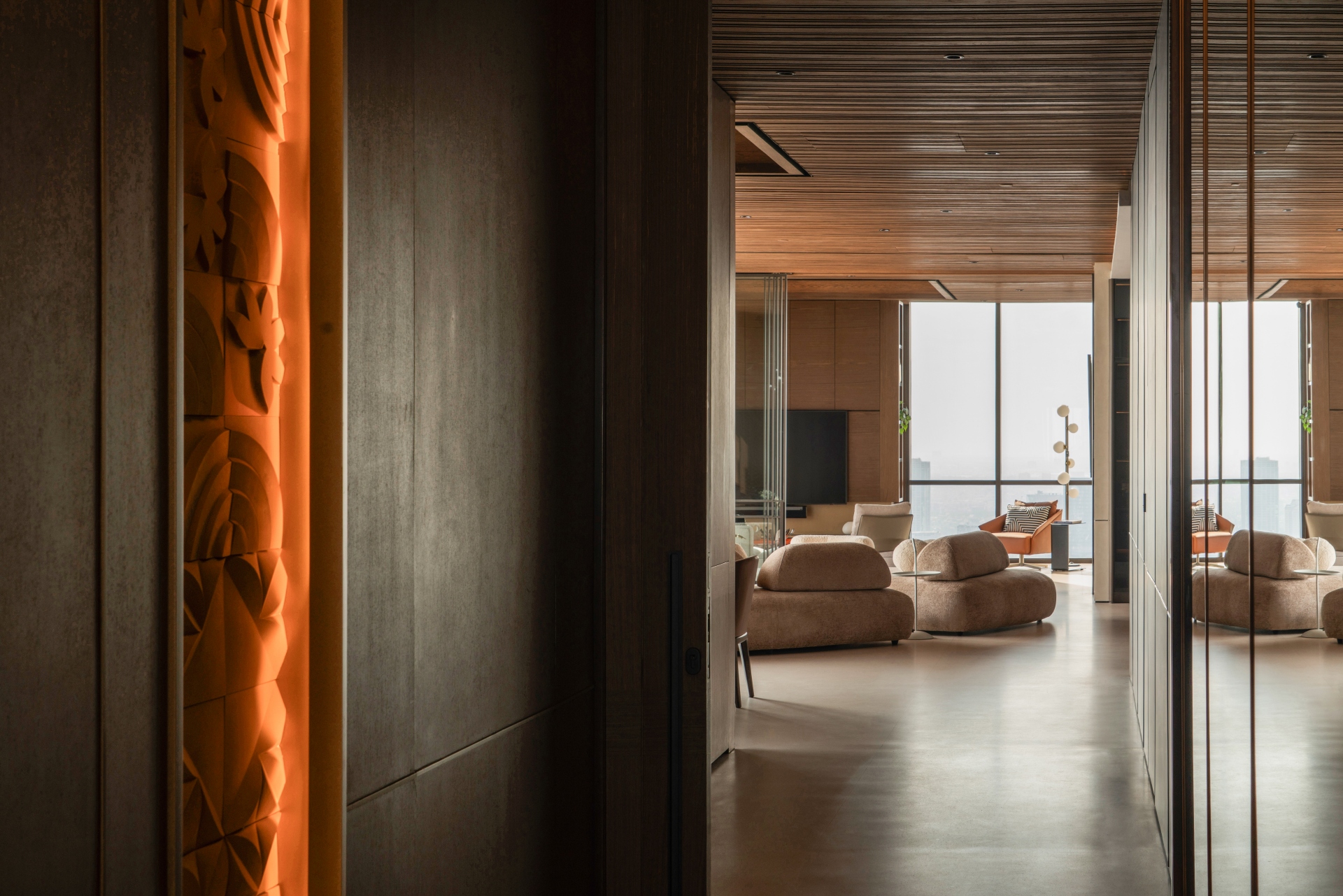
The experience of transitioning into a space holds equal importance. It sets an emotional expectation: whether one feels compressed or released, calm or tense. These moments of decompression and arrival quietly shape how the entire space is perceived. A softened threshold, a shift in light intensity, or a gradual reveal can transform an ordinary room into one that feels intentional and composed.
KantorGG speaks of “lasting connections.” Can you share a moment when a client or community experienced that enduring bond with one of your projects?
A response we hear frequently is that a space simply “feels right,” but the deeper connection appears when a project becomes a family anchor. We’ve seen homes where certain spaces naturally evolve into shared rituals rather than assigned functions.
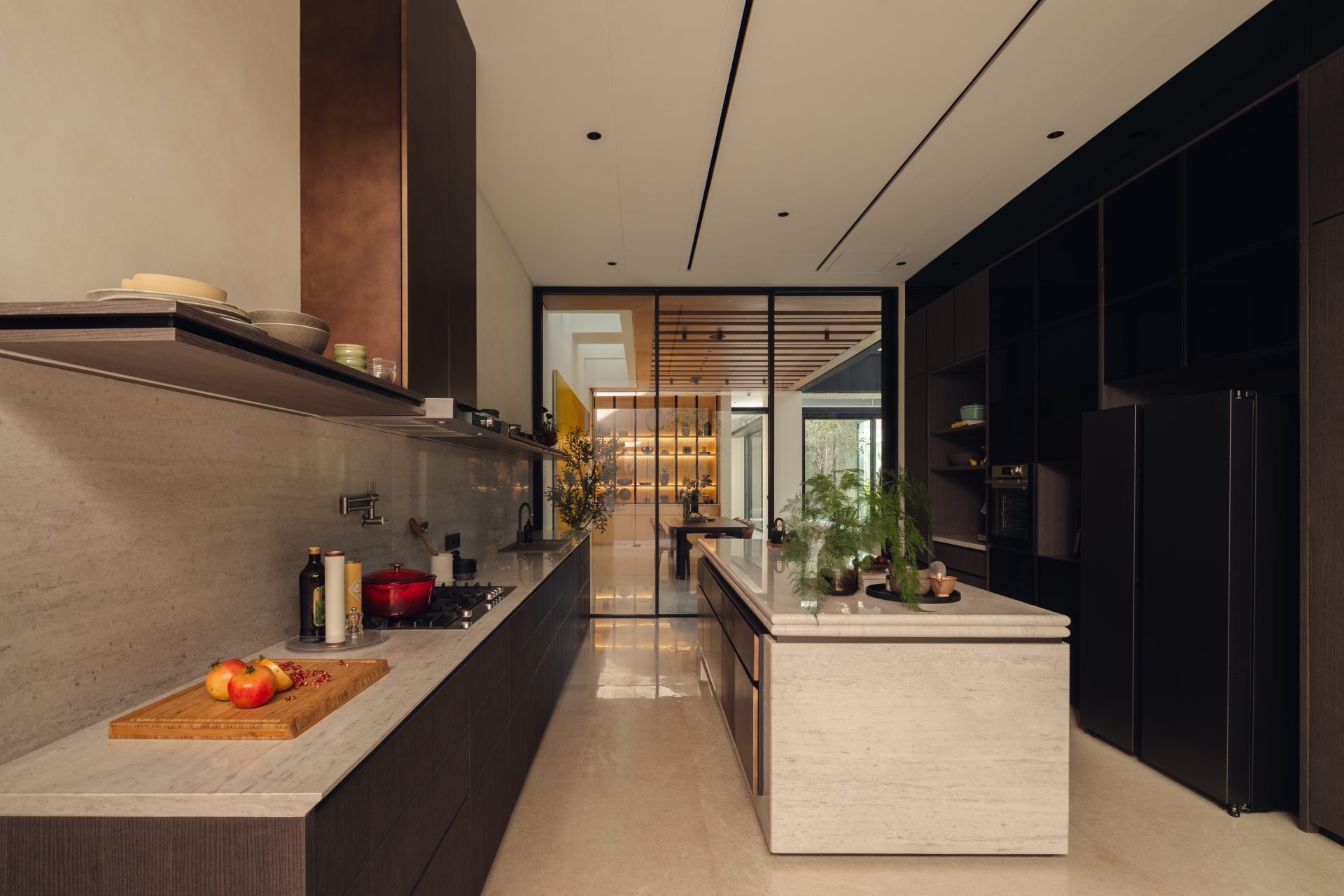
One example is a multifunctional pantry that gradually became the heart of daily family life — a place for breakfast conversations, casual dinners, and even baking sessions with the children. Over time, the space became emotionally irreplaceable, not because of its design alone, but because it supported how the family wanted to spend time together.
As both architect and leader, how do you nurture creativity within your team while maintaining KantorGG’s signature precision and flexibility?
At KantorGG, creativity begins with a clear framework. We place strong emphasis on early alignment — communicating what we stand for, what defines our work, and what the project is trying to achieve from the very first conversations. Freedom follows once intent is clearly understood.
Precision is maintained through continuous studies and internal development, from refining drawing standards to expanding our technical knowledge. We try to reduce assumptions by grounding decisions in research and iteration. Flexibility, for us, is not about trends or individual preference. It means responding thoughtfully to context – the surrounding environment, the cultural setting, and the way our clients live, while still holding to the design principles that guide our practice.