PODCAST
WHAT MAKES A GOOD CONVERSATION? LOOK NO FURTHER THAN OUR ART OF THE CONVERSATION, FEATURING UNCONVENTIONAL STORIES AND PEOPLE WHO MOVE AND INSPIRE
LISTEN NOW


In an era obsessed with the visual, space is typically judged by the facade, the material palette, or the Instagrammability of an interior. British artist and composer Oliver Beer is challenging this ocularcentrism. For nearly two decades, Beer has been exploring a fundamental but overlooked design truth: architecture is something we hear as much as we see.
Beer’s analytical practice treats sound as a structural revelation rather than a transient visitor. Every void has a voice—a specific acoustic signature determined by scale and material. Just as a wine glass produces a precise note when activated, Beer posits that rooms, cathedrals, and caves possess unique "acoustic fingerprints" that define their form.
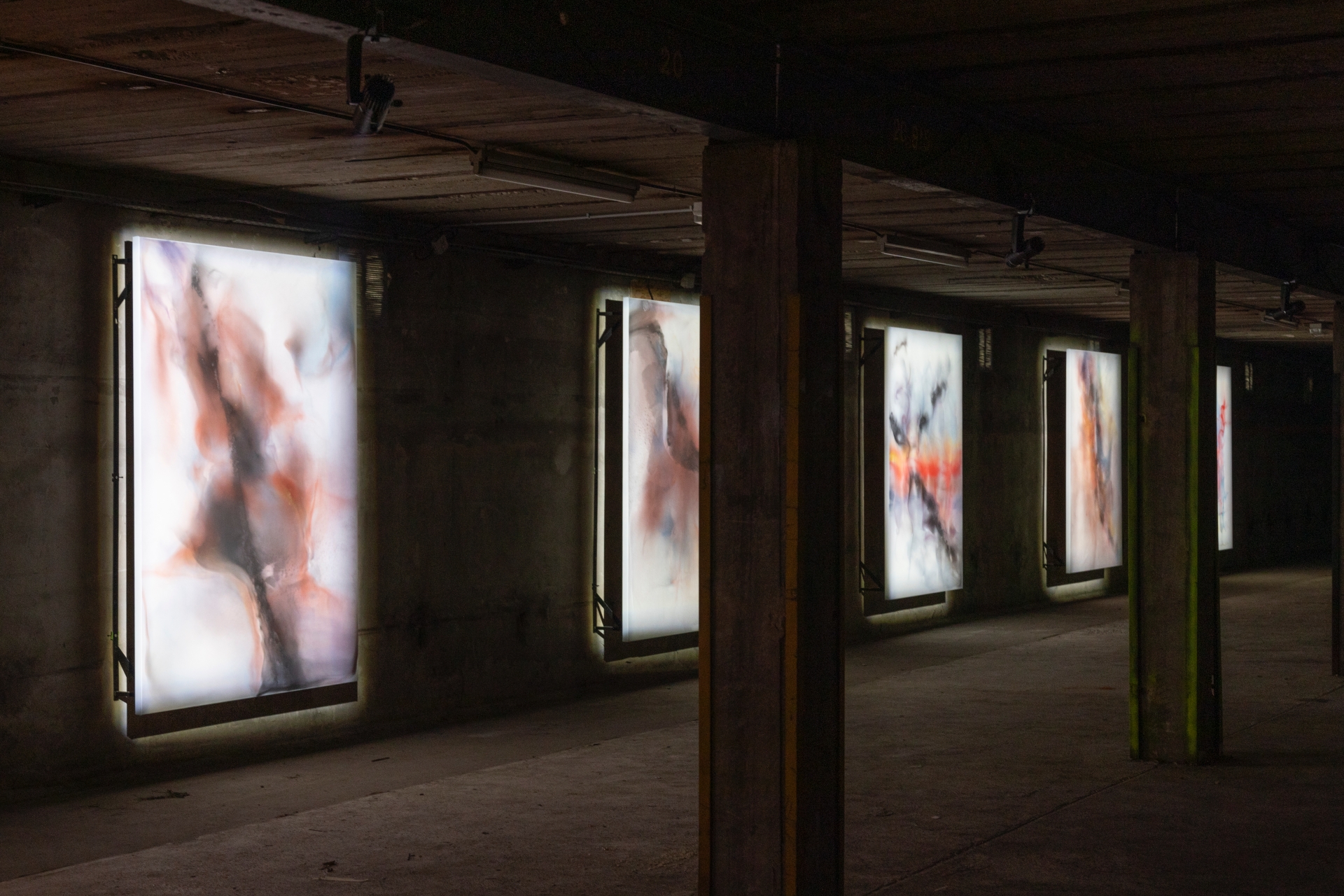
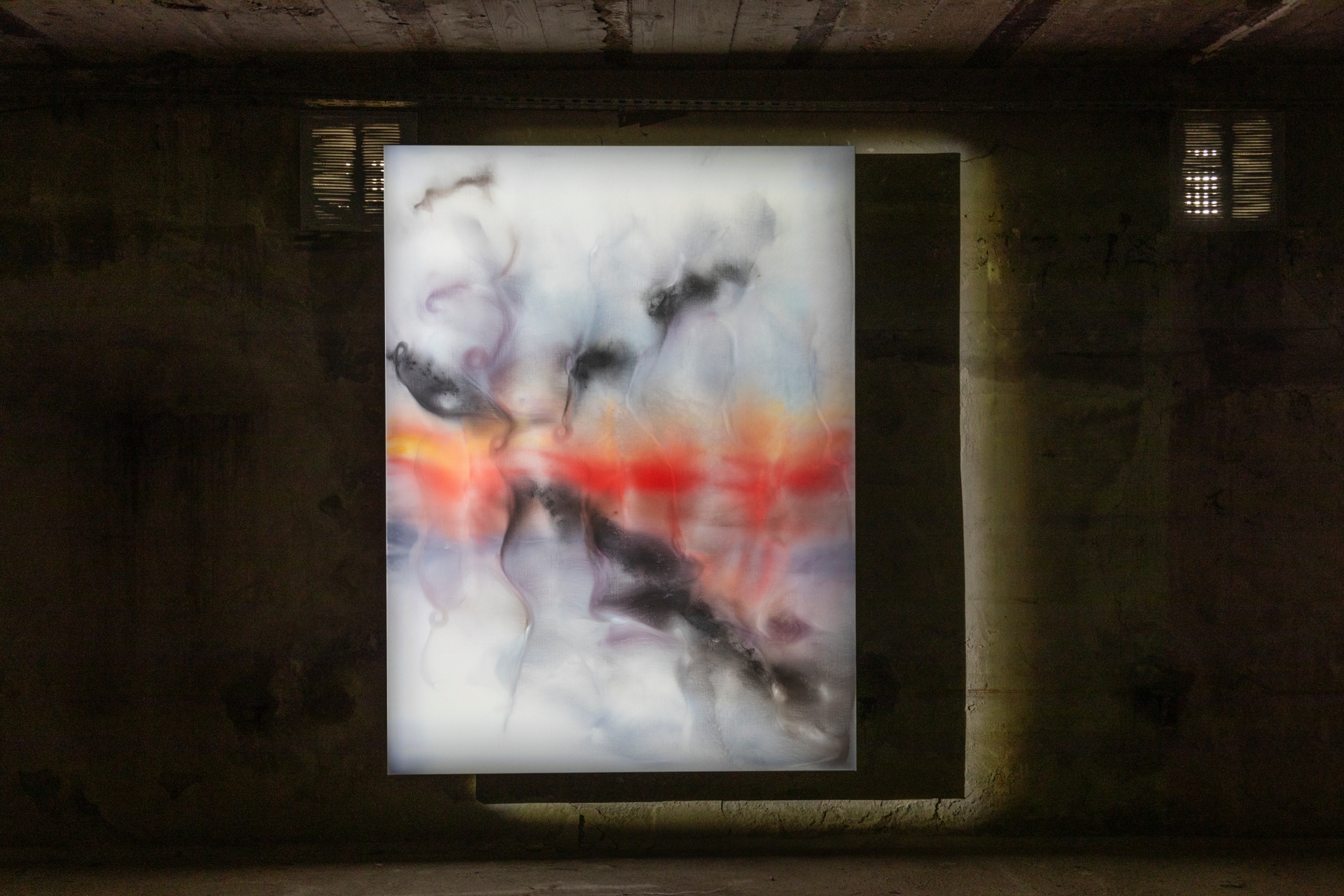
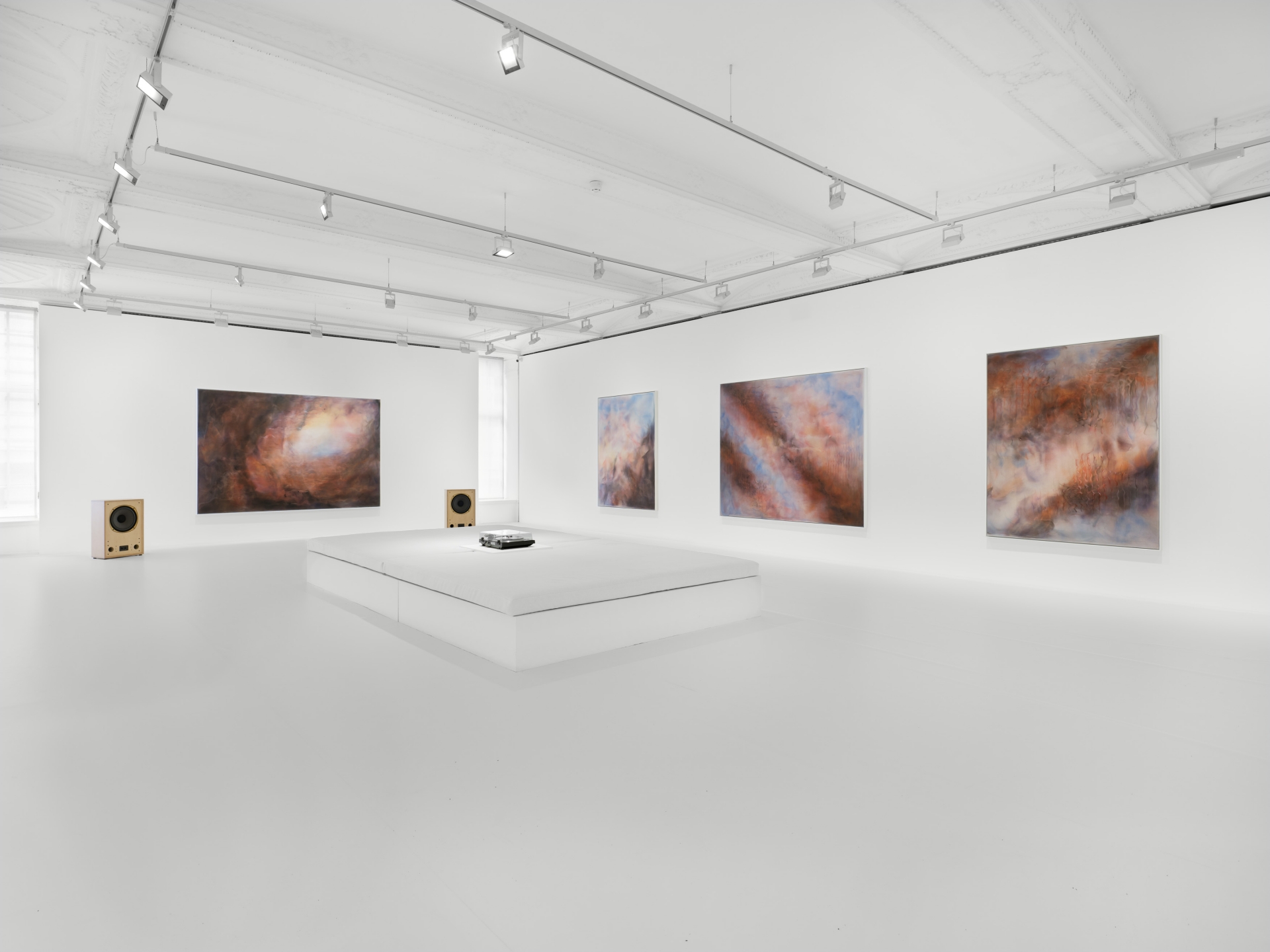
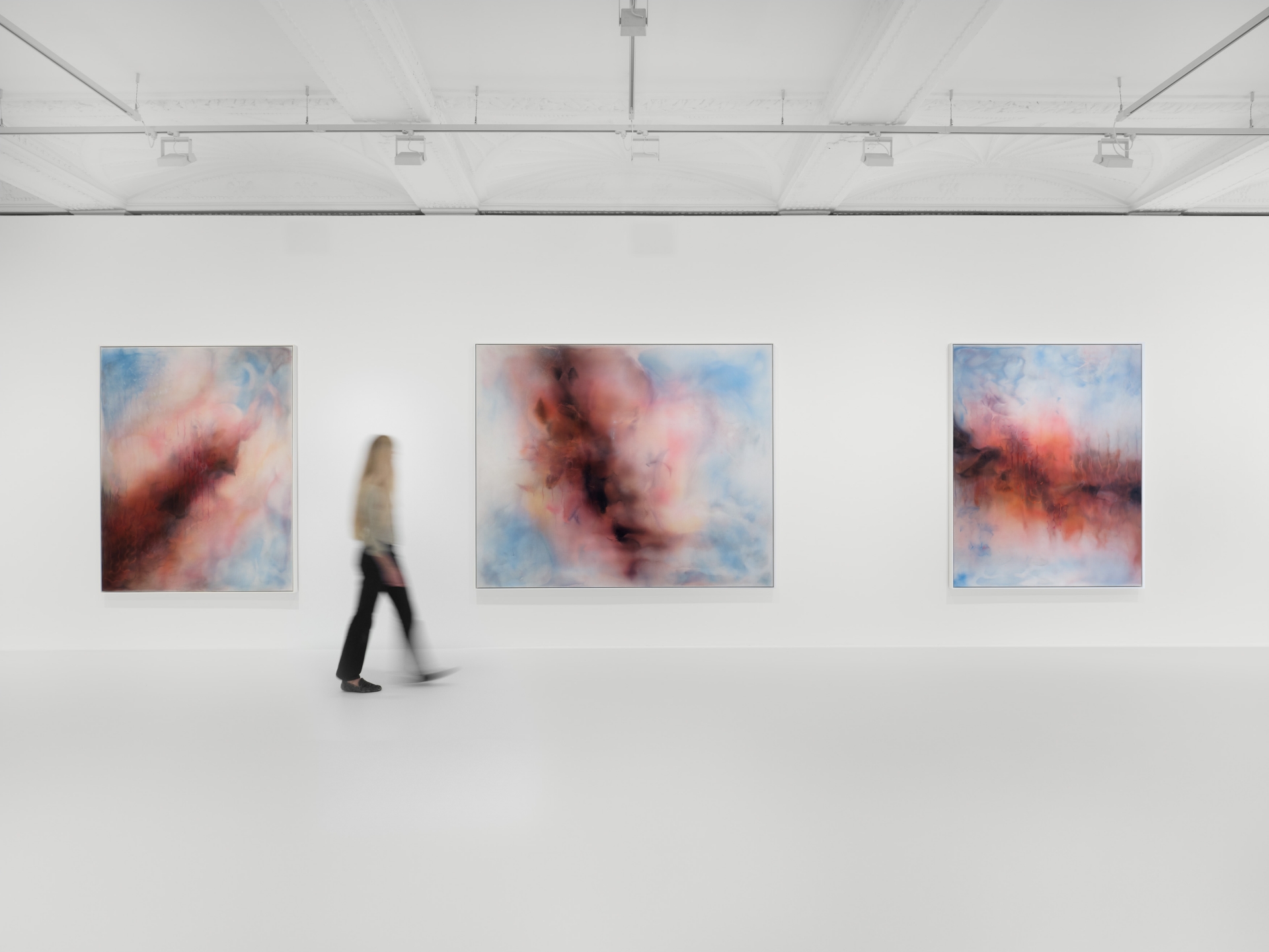
This technical intersection of sound and matter is most visible in his Resonance Paintings. Eschewing traditional brushes, Beer uses specific frequencies to vibrate fine natural pigments across canvases. The result is a physical mapping of sound—pulsating fields of colour that represent a composition of up to one hundred individual frequencies.
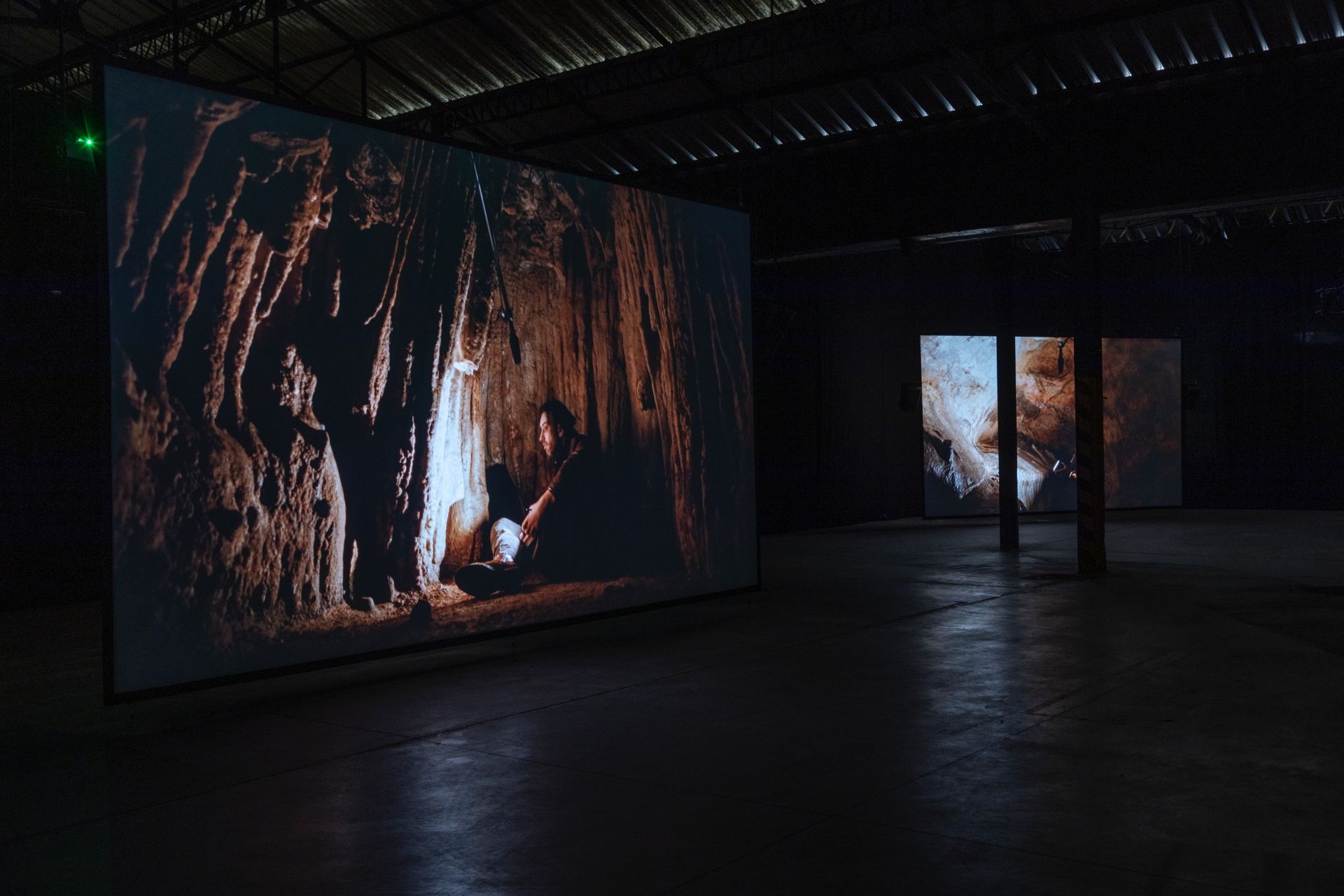
The most ambitious application of his research is the Resonance Project. Here, Beer utilizes the human voice to activate the natural harmonics of architectural spaces. This inquiry led him to the prehistoric caves of southwestern France. Working with Jean-Michel Geneste, former Chief Curator of Lascaux, Beer identified a compelling correlation between cave paintings and heightened acoustic resonance. It suggests that early humans may have been designing experiences based on what they heard, long before the advent of formal architecture.
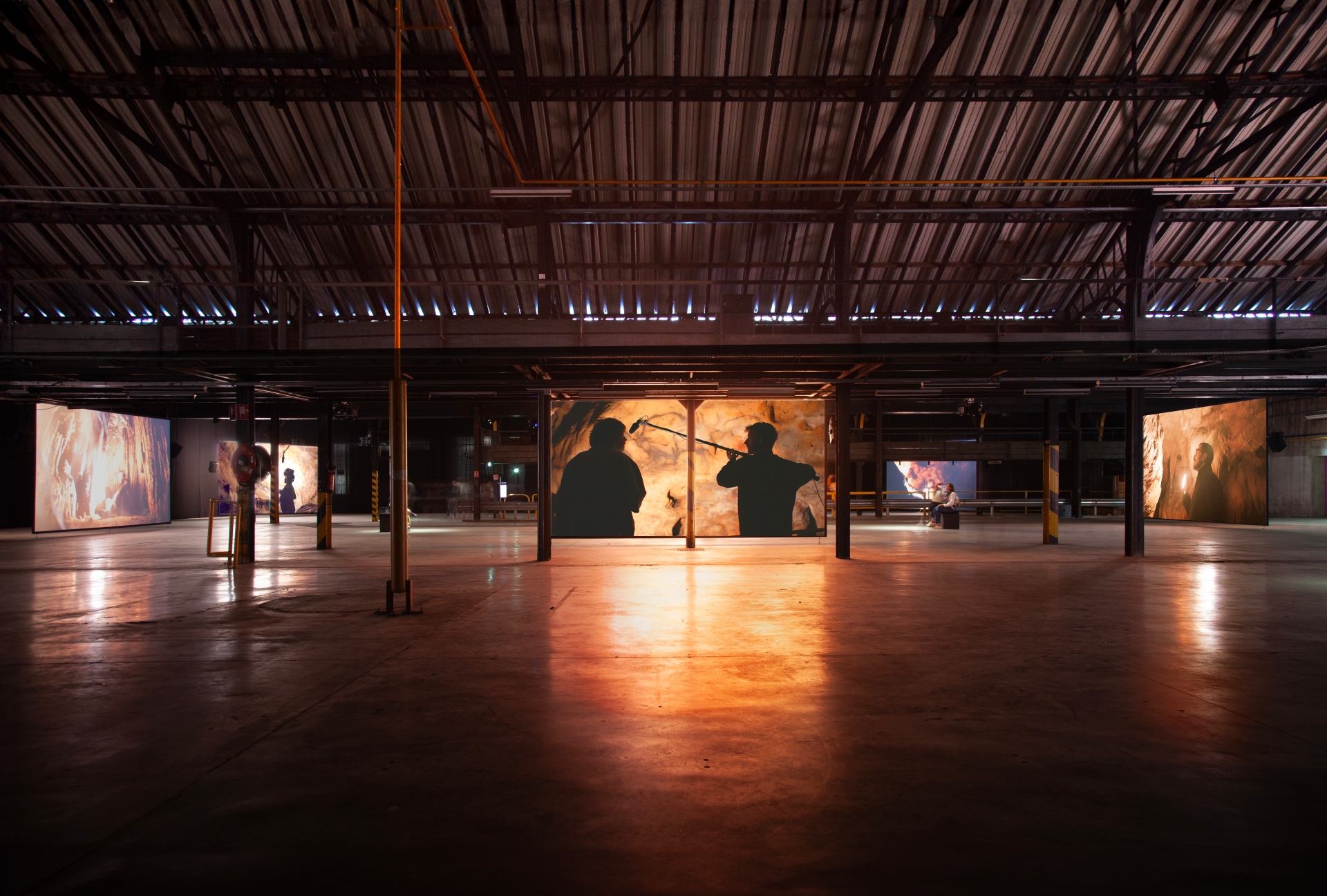
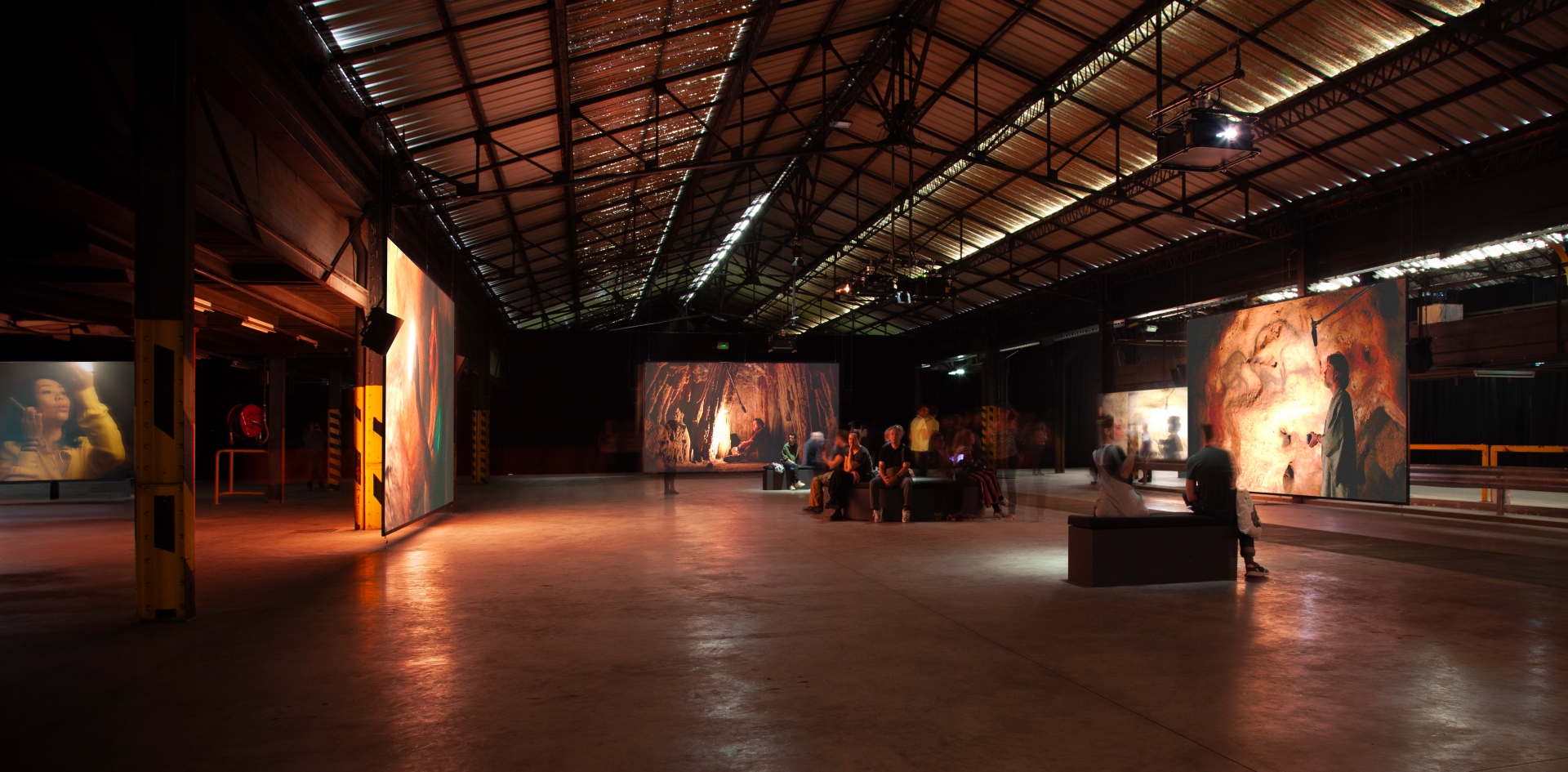
His current exhibition at Thaddaeus Ropac, The Sky in the Cave, and the touring installation Resonance Project: The Cave, bridge this deep history with contemporary collaboration. Beer invited eight global vocalists—including Rufus Wainwright and Woodkid—to perform fragments of ancestral melodies. By recording these within the natural harmonics of the cave, Beer recomposed the results into a layered, eight-screen immersive video opera.
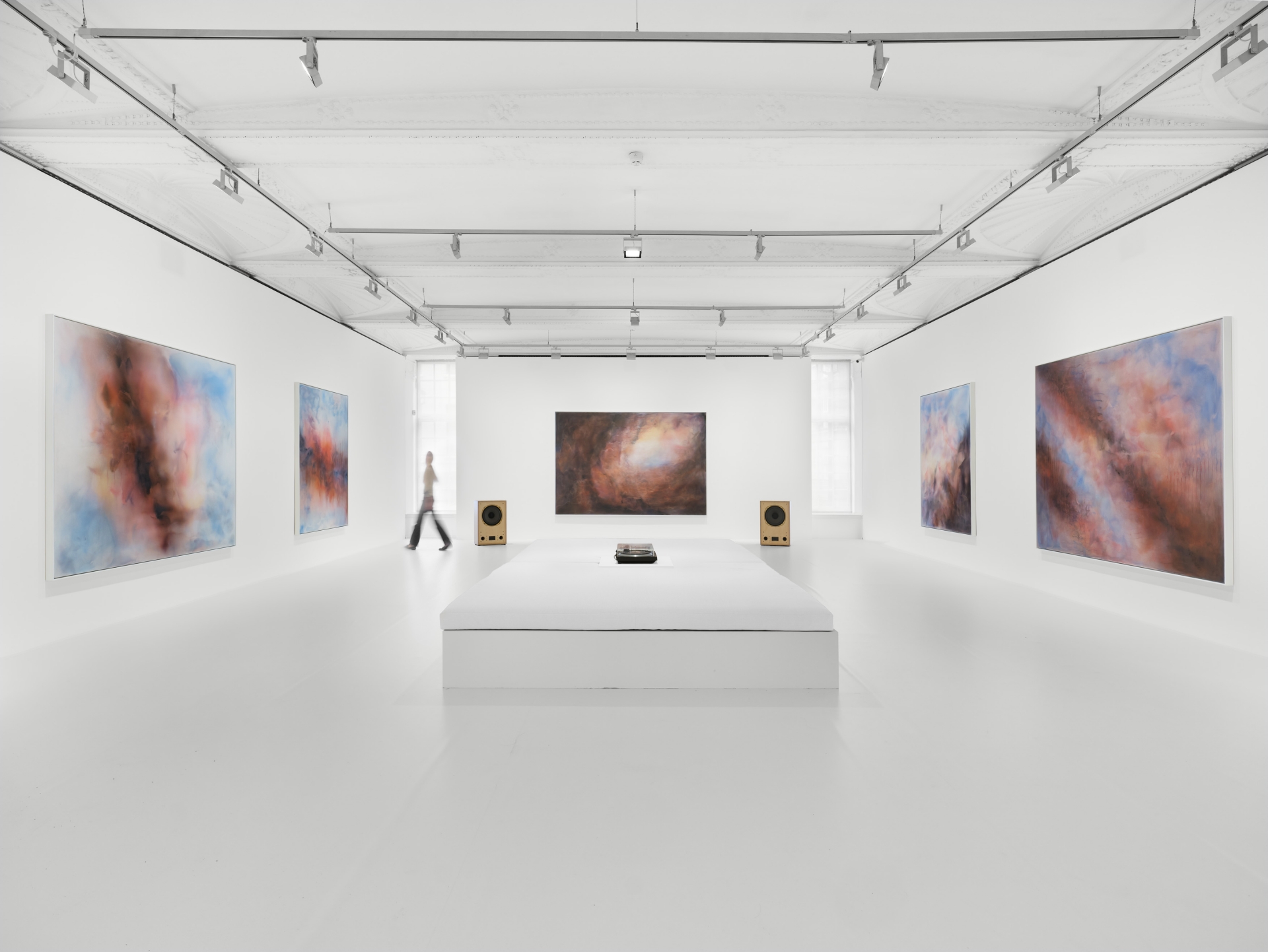
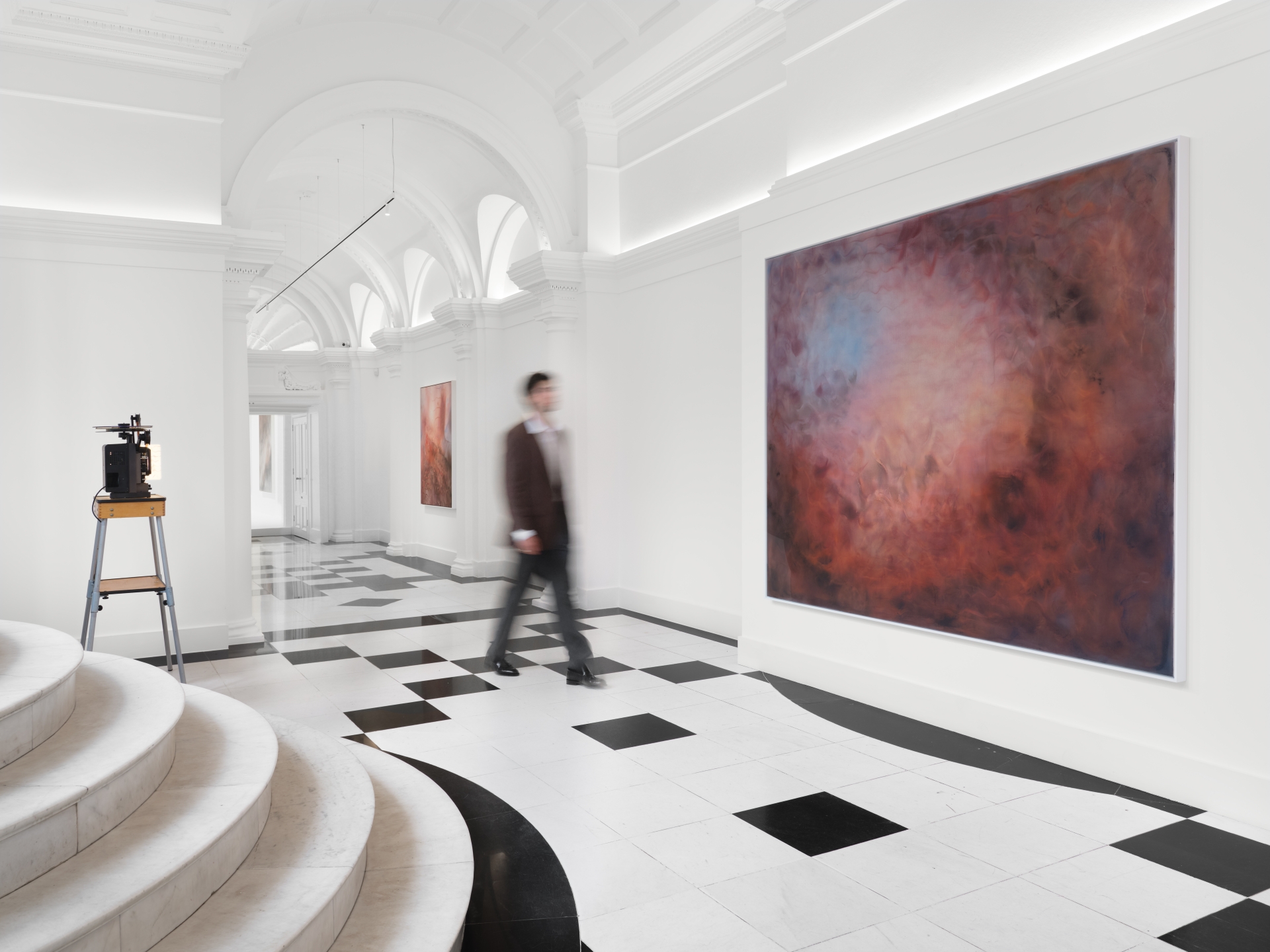
The effect is sophisticated and globally conscious. Wainwright’s rendition of À la Claire Fontaine—a melody passed down from his mother, Kate McGarrigle—illustrates Beer’s concept of sound as "connective tissue." It is a sharp reminder that vibration, memory, and atmosphere are the invisible pillars of human experience.
Beyond the cavernous depths of prehistory, the implications of Beer’s work for contemporary architecture are profound. In our modern cities—cacophonous landscapes dominated by glass, steel, and the relentless hum of infrastructure—the design of interior silence and harmonic resonance has been largely neglected. Beer’s findings suggest a path forward: a form of acoustic urbanism where architects look beyond the visual plane to curate the very air we inhabit.
Imagine if commercial developments or public cultural hubs were designed not just for aesthetics, but for the harmonic potential of their voids. Such an approach would demand a new standard for building materials, focusing on acoustic porosity rather than sheer structural utility. It invites us to reconsider the auditory health of our spaces, proposing that true luxury—and perhaps true well-being—is found in the deliberate, thoughtful shaping of the soundscape.
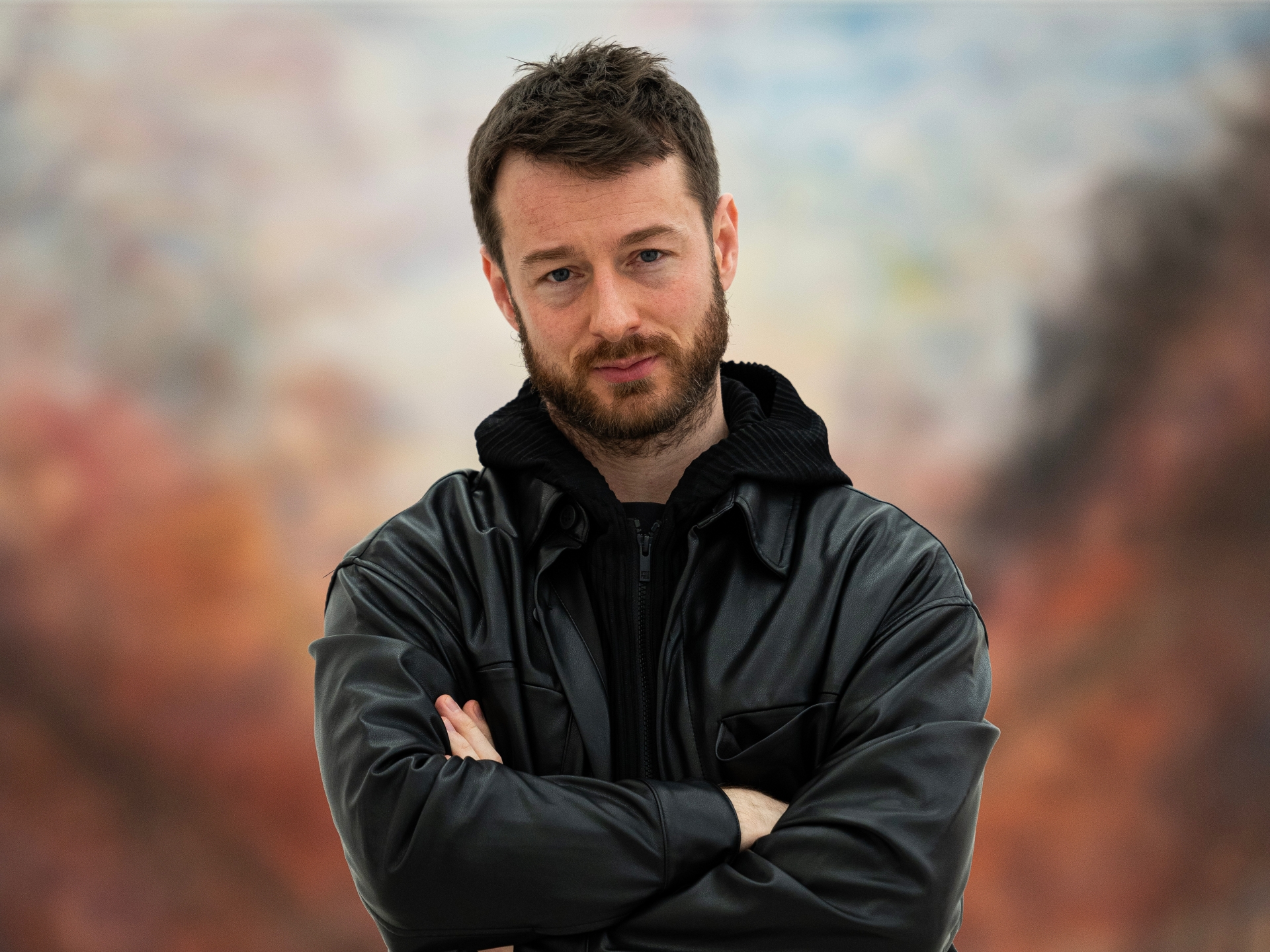
As Beer continues to audit the built environment, his work serves as an essential, if subtle, manifesto for a more mindful approach to the spaces we call home, work, and sanctuary. It is, perhaps, time we started listening to the walls, ensuring that the spaces we inhabit are as harmonious to the ear as they are appealing to the eye.