

PODCAST
WHAT MAKES A GOOD CONVERSATION? LOOK NO FURTHER THAN OUR ART OF THE CONVERSATION, FEATURING UNCONVENTIONAL STORIES AND PEOPLE WHO MOVE AND INSPIRE
LISTEN NOW


This project makes a significant contribution to preserving a vision of modernity that remains as relevant today as ever, seamlessly merging industrialized production with exceptional craftsmanship. The intervention by Casper Mork-Ulnes, who brings extensive experience in residential design and the modernization of traditional construction techniques, breathes new life into a structure that embodies the essential qualities of modernist design: clarity of form, an intimate connection with nature, and a commitment to functionality.
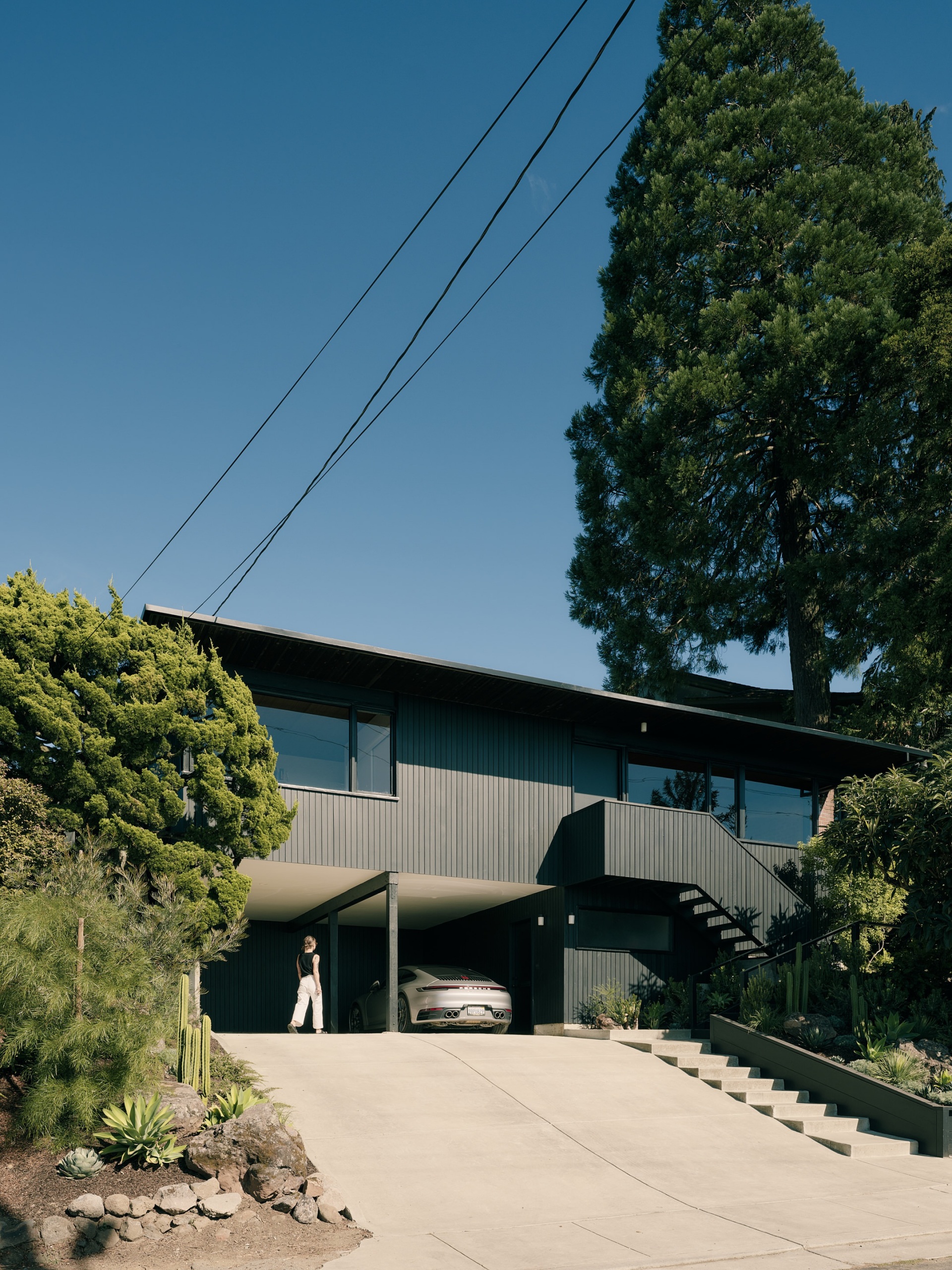
The restoration not only safeguards the home’s original character but also reaffirms its relevance in contemporary discourse on architecture and sustainability. Mork-Ulnes Architects has just completed a restoration of a Roger Lee-designed home in the Berkeley Hills, honoring the original mid-century spatial concepts while sensitively adapting the space for modern living. The restoration is not only meticulous and historically faithful but also reflects an architectural approach that embraces the finest building traditions.
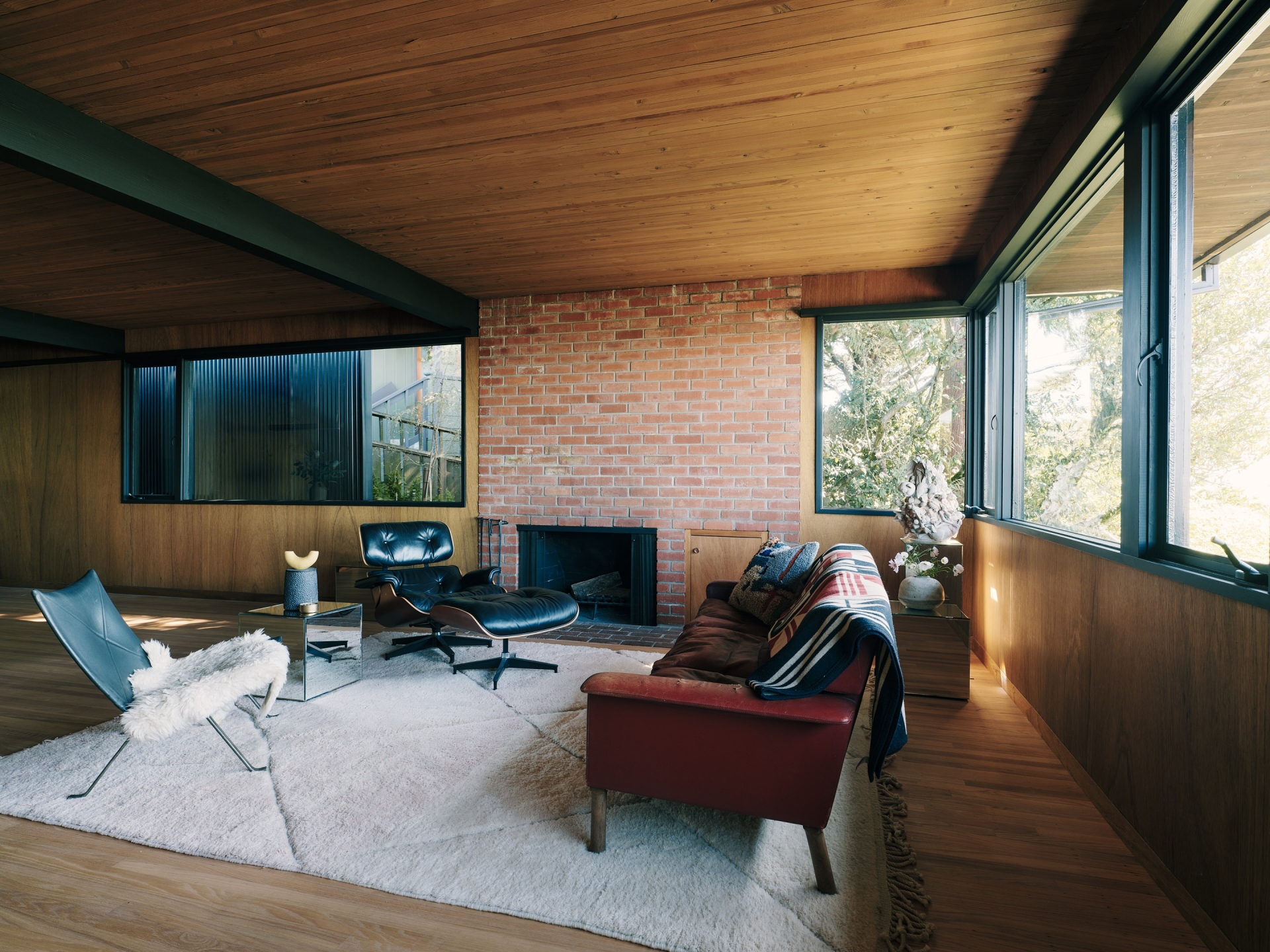
With stunning views of the San Francisco Bay, the original home exemplified Lee’s signature design principles, which blended global modernism with the craftsmanship of the Bay Area. Influenced by Bernard Maybeck and other regional architects, Lee created efficient, affordable, and unpretentious homes for the middle class. The house’s modest scale, open flow, and exposed structure reflect this ethos, allowing it to remain deeply connected to its surroundings.
Modernism, recrafted Mork-Ulnes’s sensitive redesign preserves the character-defining elements of the home while introducing precise interventions to enhance and renew them. Initially, the homeowners sought updates to the kitchen, bathrooms, and select areas, prioritizing a ‘no-fuss’ approach. After analyzing the house, Mork-Ulnes embraced a strategy of minimal intervention, optimizing spatial flow and reinforcing connections to natural light and outdoor spaces.
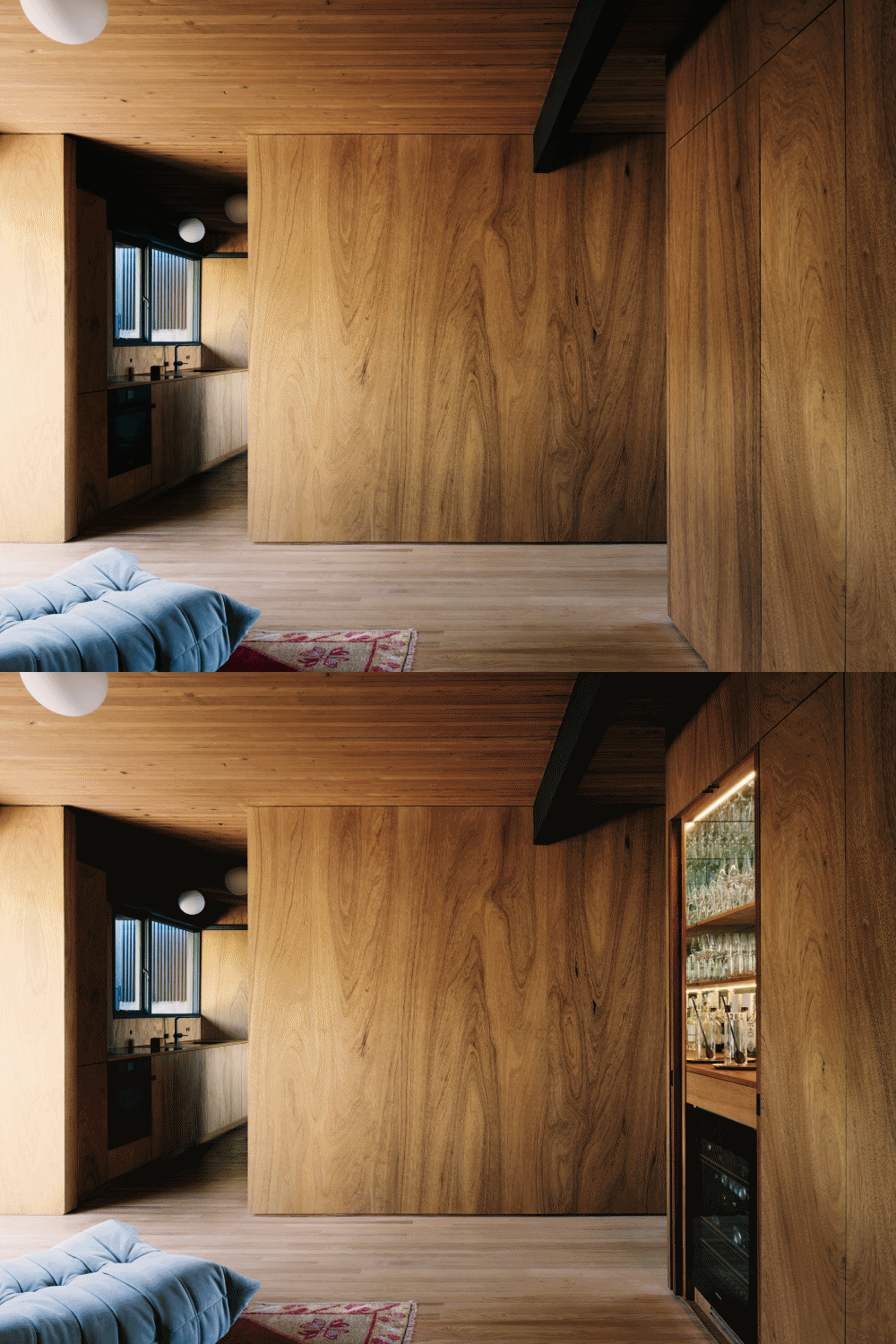
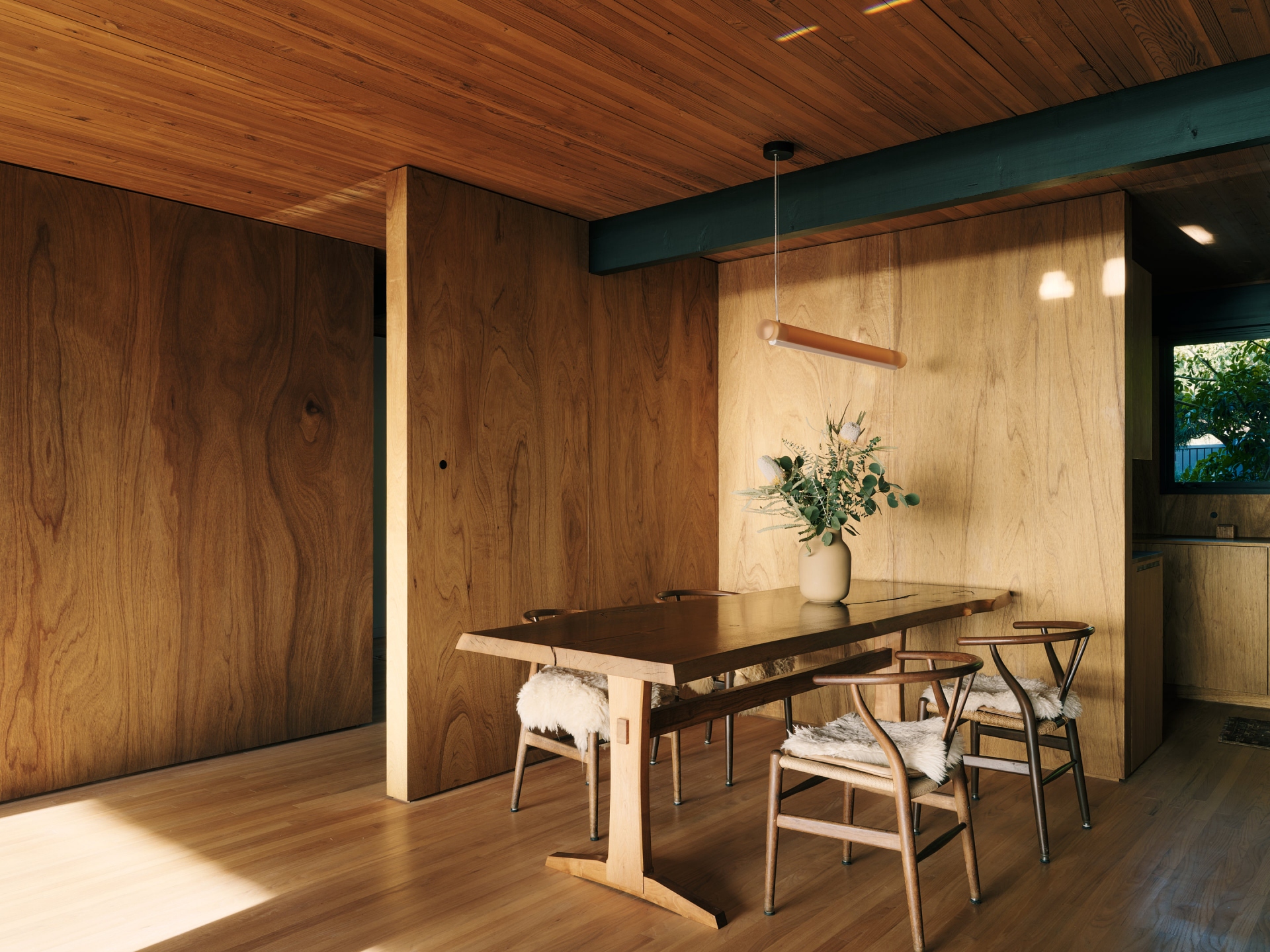
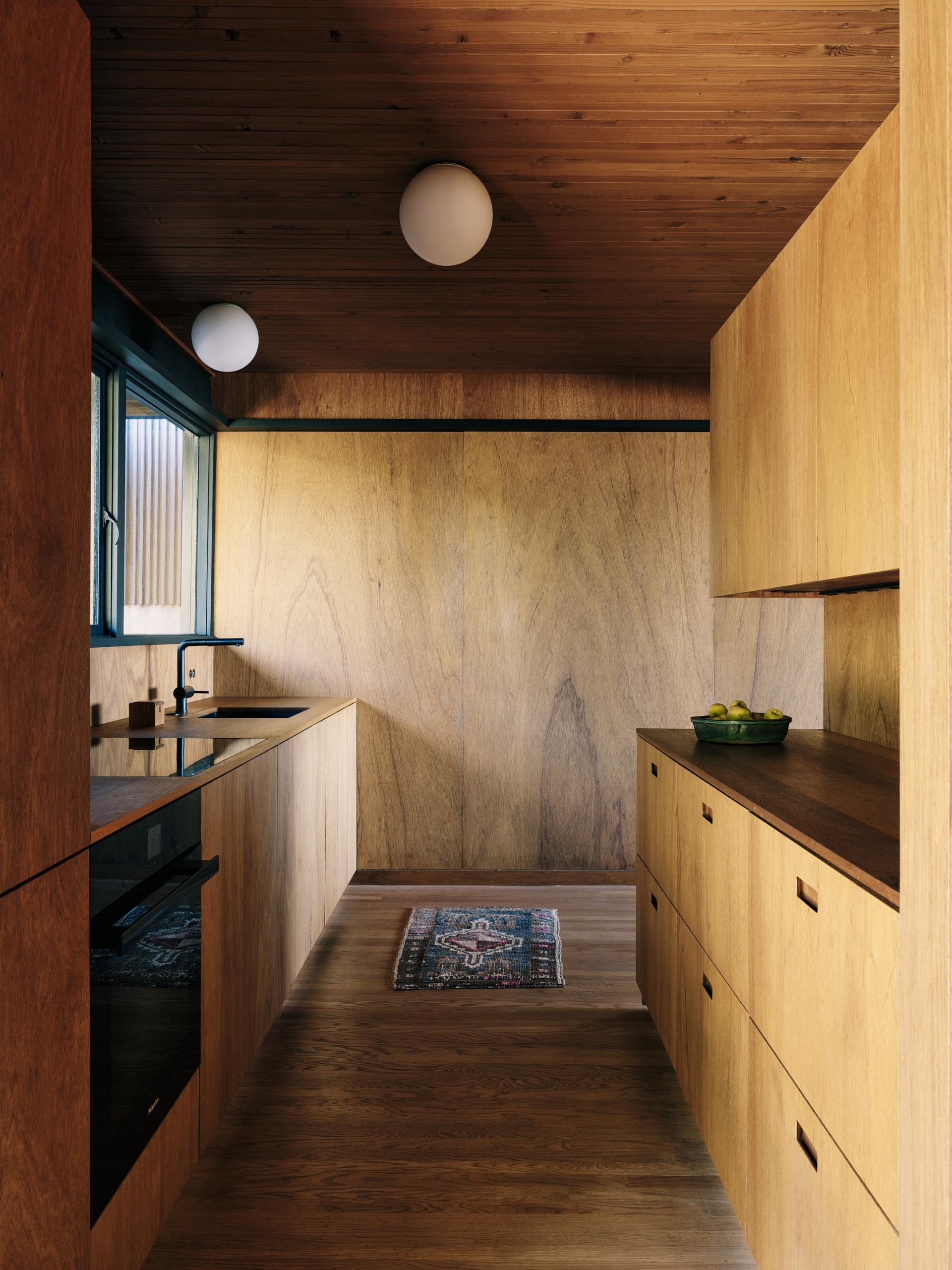
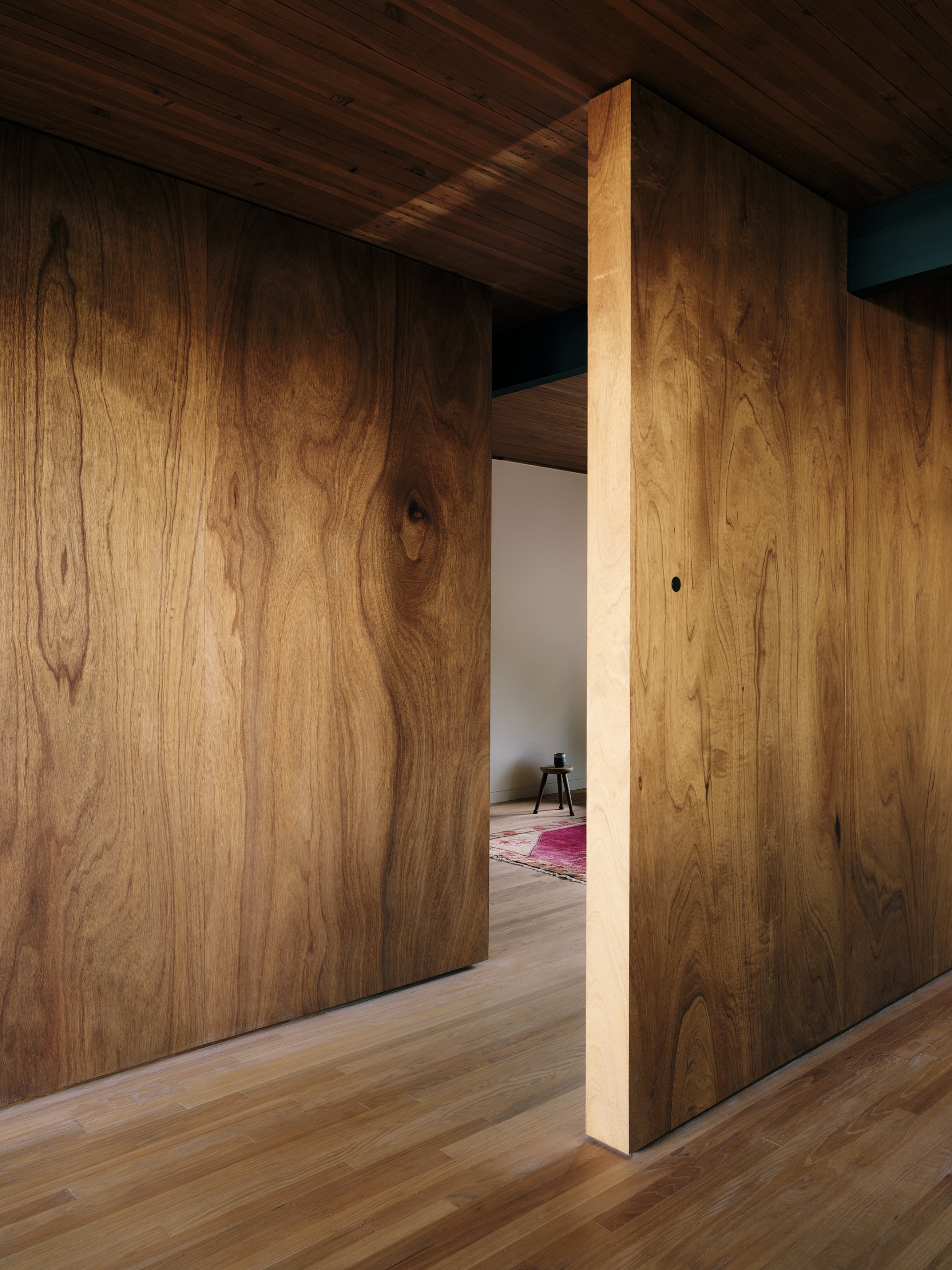
The surgical removal of small sections of walls opened the formerly separate galley kitchen to the main living area, creating a seamless transition and further connecting the interior to light and exterior views. This intervention additionally helped to articulate a wood-clad volume at the center of the home, which discreetly conceals storage and functional spaces within meticulously crafted cabinetry and wood-veneered walls. This volume stands in contrast to the strong planar language of the home’s exposed beams, nail-laminated 2x3 ceiling, and large panes of glass, dynamically emphasizing the original character of Lee’s design.
A notable feature of the home, retained and celebrated in the renovation, is its nail-laminated timber (NLT) roof, a historical construction technique that has seen a resurgence in contemporary architecture due to renewed interest in mass timber. Though this method requires more material than conventional framing, it results in an extremely thin yet structurally efficient roof assembly.
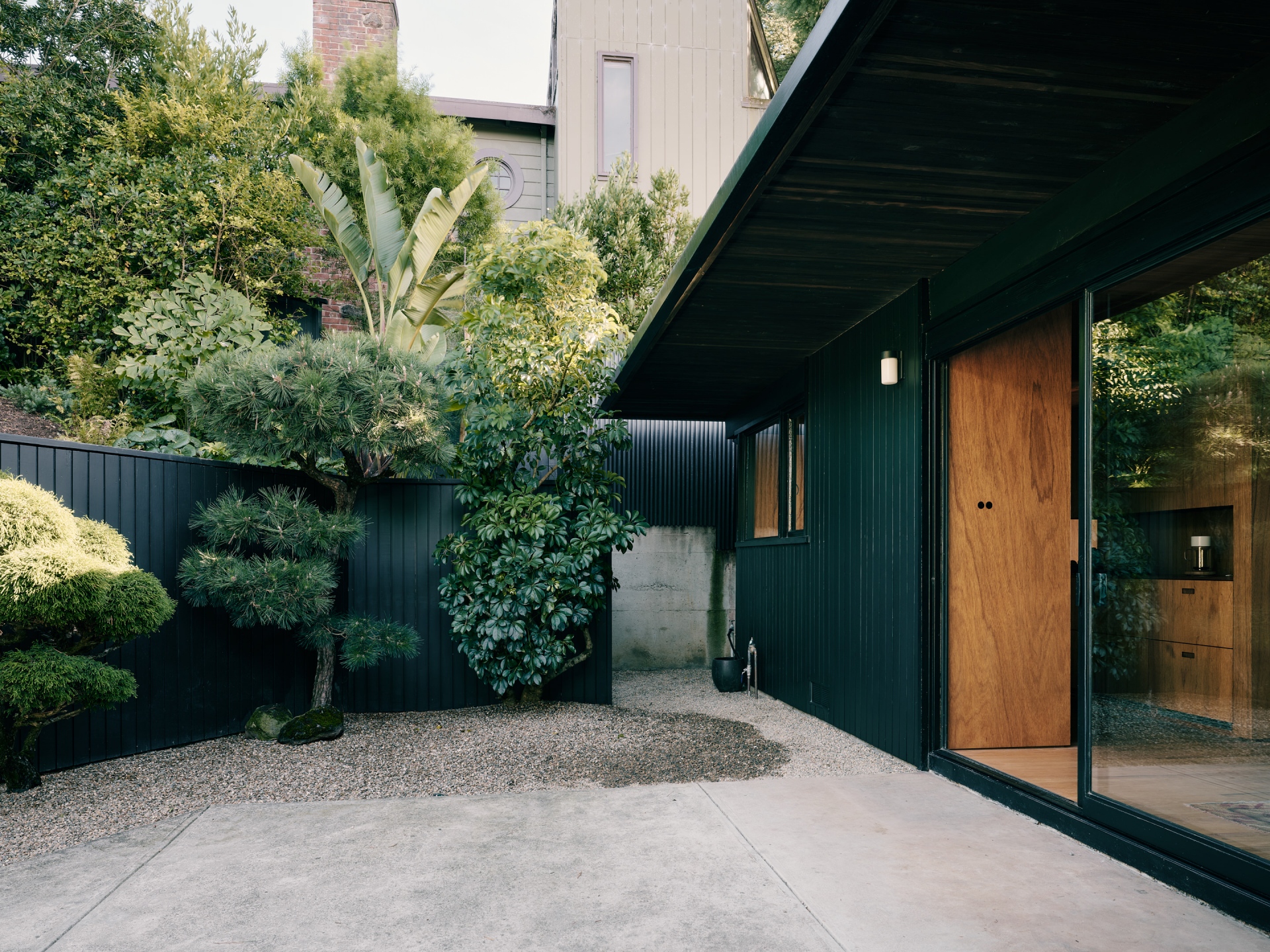
The planar logic of this construction plays a crucial role in expanding the home’s indoor-outdoor relationship, with ribbon windows extending panoramic views of the San Francisco Bay — one of the most striking aspects of living in the Berkeley Hills.
Principles in Practice
Mork-Ulnes Architects’ approach to this restoration is deeply aligned with the principles outlined in their newly published monograph, The Craft of Place, which presents the firm’s residential architecture spanning the Pacific region of North America and Norway.
Published by Park Books in December 2024, the volume delves into the studio’s commitment to contextual sensitivity, material exploration, and the interplay between tradition and modernity. The themes explored in the book — materials, traditions, sustainability, scale, and light— are reflected in this project, where thoughtful interventions honor the legacy of Roger Lee while adapting the home for contemporary living.
The restoration process undertaken by Mork-Ulnes Architects remains true to the fundamental principles that defined Roger Lee’s architectural vision. His work combined prefabrication and serial production with a strong artisanal sensibility — an approach that ensured both efficiency and a refined aesthetic. MUA’s intervention respects these principles, maintaining the home’s original spatial purity and material authenticity.
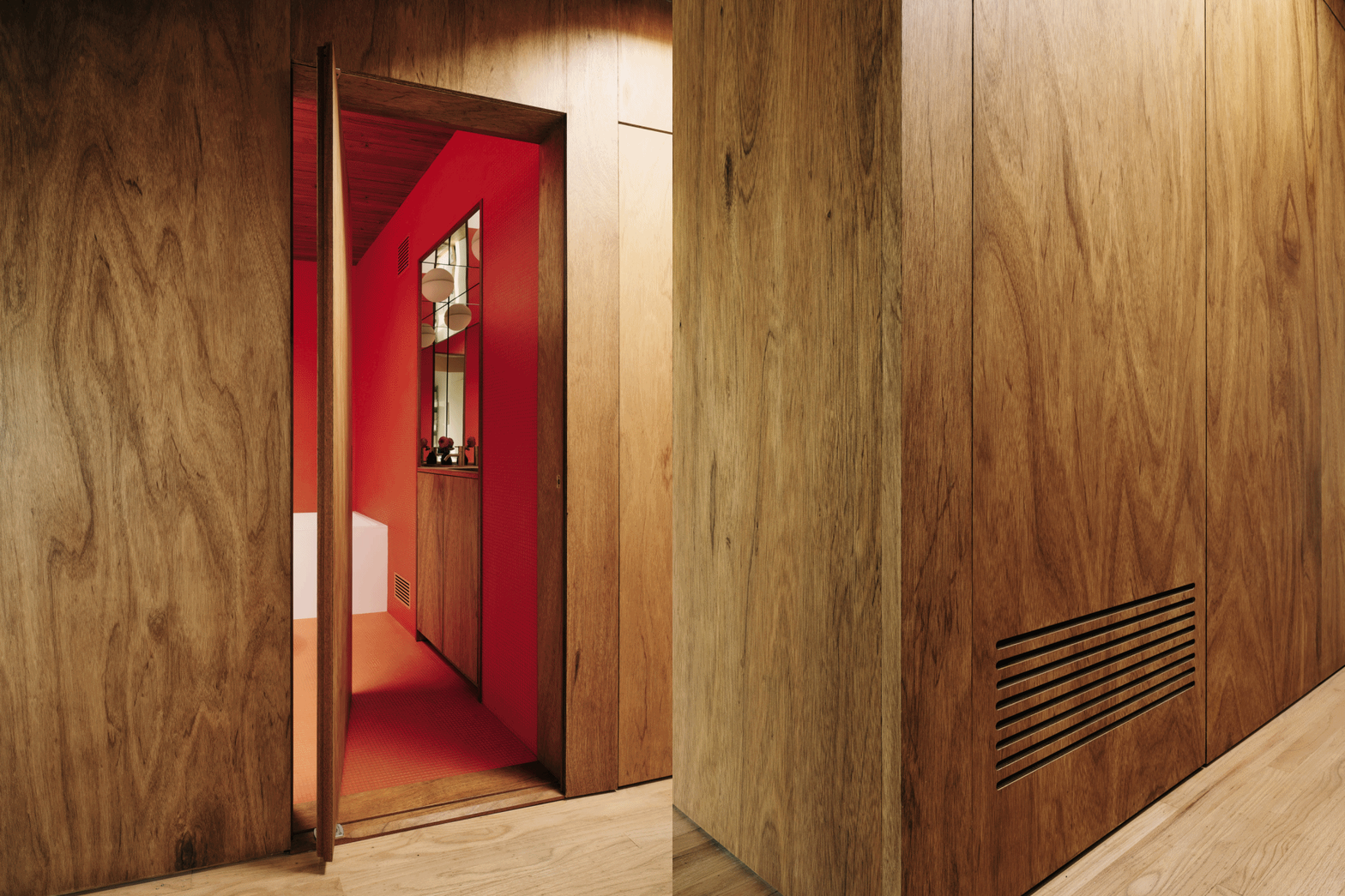
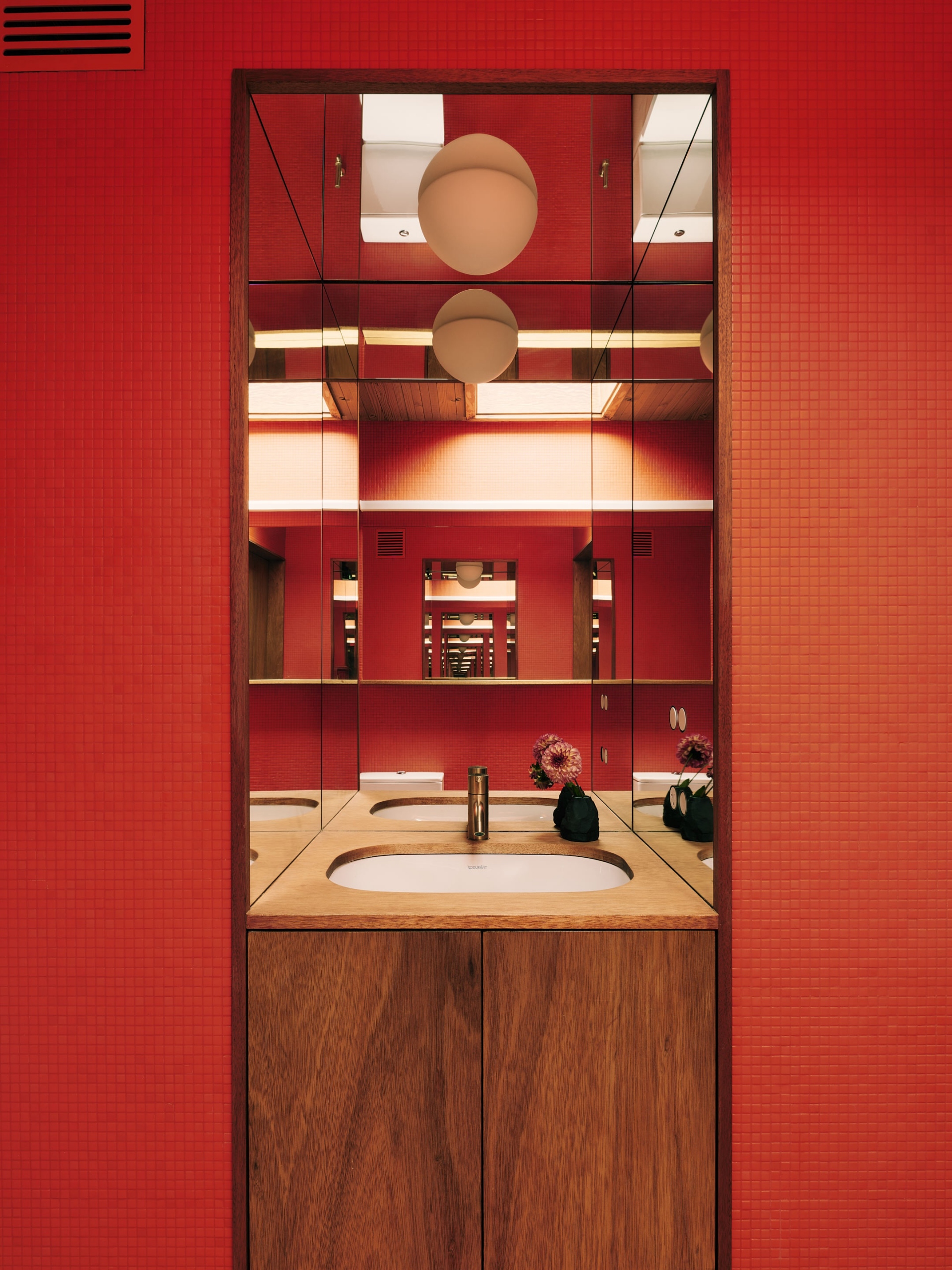
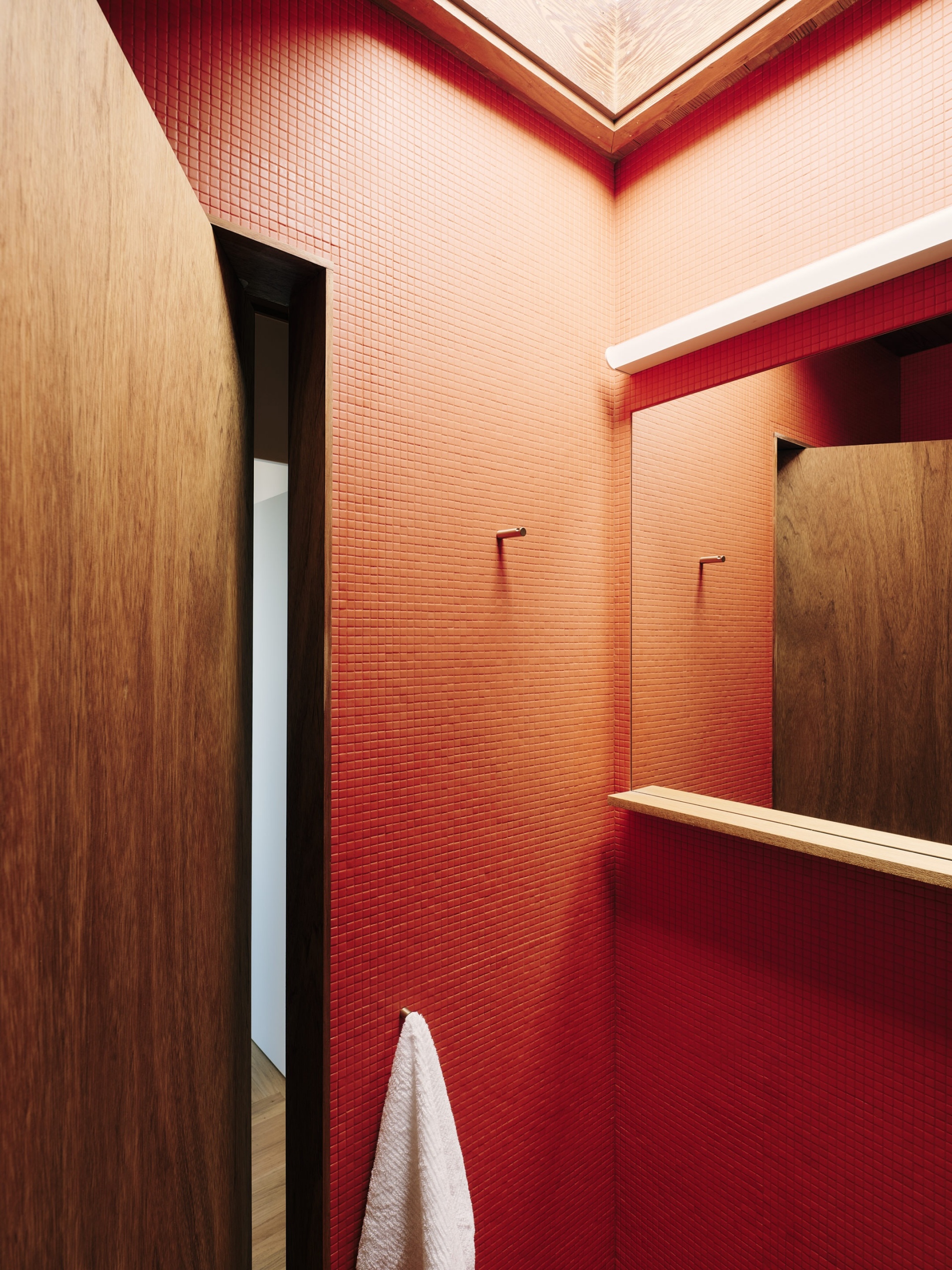
The updated kitchen reinforces this design language, where functional elements are concealed within wooden volumes, featuring fully integrated appliances and wood-surfaced countertops. Existing tile floors in this area were also removed and replaced with red oak flooring to match the rest of the house, furthering the sense of spatial flow throughout the utility volumes. Two bathrooms, tucked within the central core behind flush, wood-paneled doors, playfully surprise with vibrant red mosaic tiles, underscoring the carefully calibrated game of concealing and revealing that characterizes the updated home.
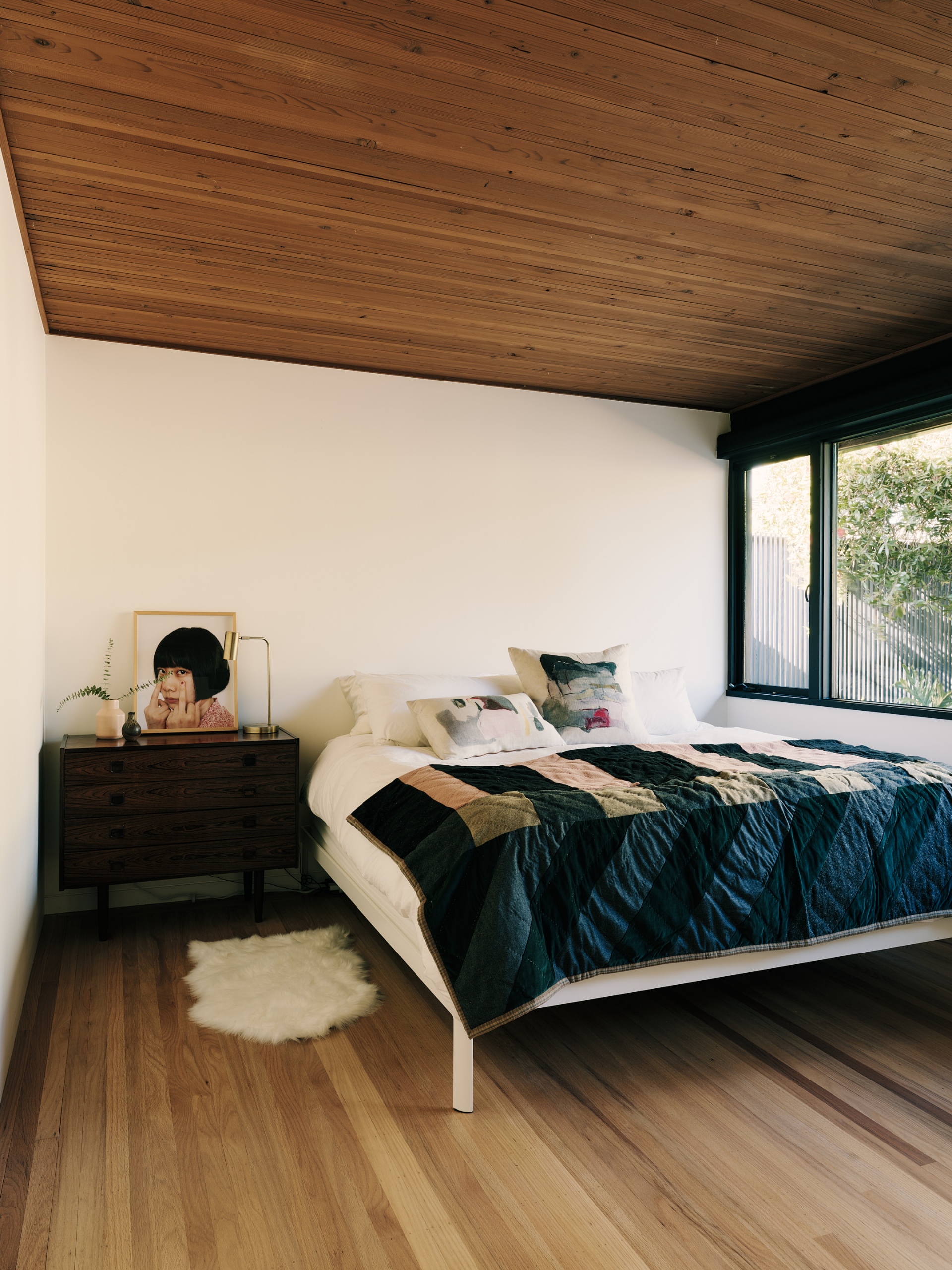
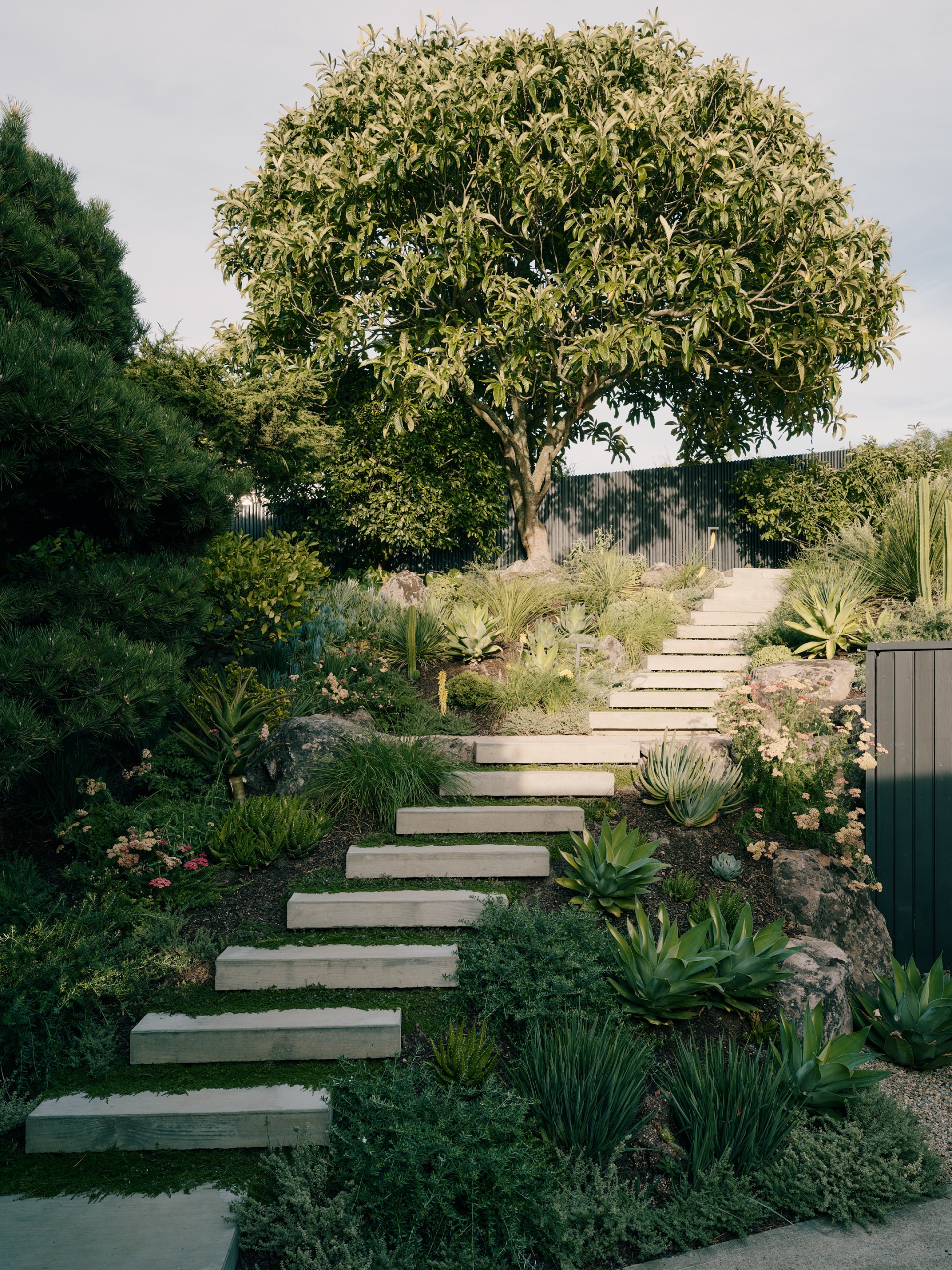
At the rear, the kitchen, lounge, and primary bedroom visually connect to the lush back garden in accordance with the indoor-outdoor quality of Lee’s design ethos. Benefiting from the subtle refinements of the revised plan, the kitchen and lounge spaces now also extend in the opposite direction through the main living area and out toward the stunning bay view. In this way, the renovation expresses Mork-Ulnes Architects’ ambition to integrate architecture authentically into its environment, an aspiration shared with the home’s original designer.
Learning from Historical Building Techniques
This project continues Mork-Ulnes Architects’ exploration of mid-century modernist principles within today’s architectural challenges. At the same time, the project raises critical questions about the environmental and economic sustainability of contemporary building practices. In an era marked by resource scarcity and climate concerns, the lessons embedded in the architectural ethos of Roger Lee — efficient use of materials, adaptability, and an honest expression of construction — offer valuable insights into how we might shape the future of design.
About the Studio
With offices in San Francisco and Oslo, Mork-Ulnes Architects’ approaches projects with both Scandinavian practicality and Northern California’s ‘can-do’ spirit of innovation.
Rigorous and concept-driven, the practice is based on built work characterized by both playfulness and restraint, and informed by economies of means and materials. Mork-Ulnes Architects have worked on projects ranging in scale from masterplans to 100 square foot cabins, and have realized buildings on 3 continents.
Mork-Ulnes Architects has been the recipient of numerous national and international honors, including Architectural Record’s 2015 worldwide Design Vanguard award. They have been nominated for the 2019 and for the 2022 European Union Prize for Contemporary Architecture –Mies van der Rohe Award. The Craft of Place, Mork-Ulnes Architects’ first monograph, was released by Park Books in December 2024.
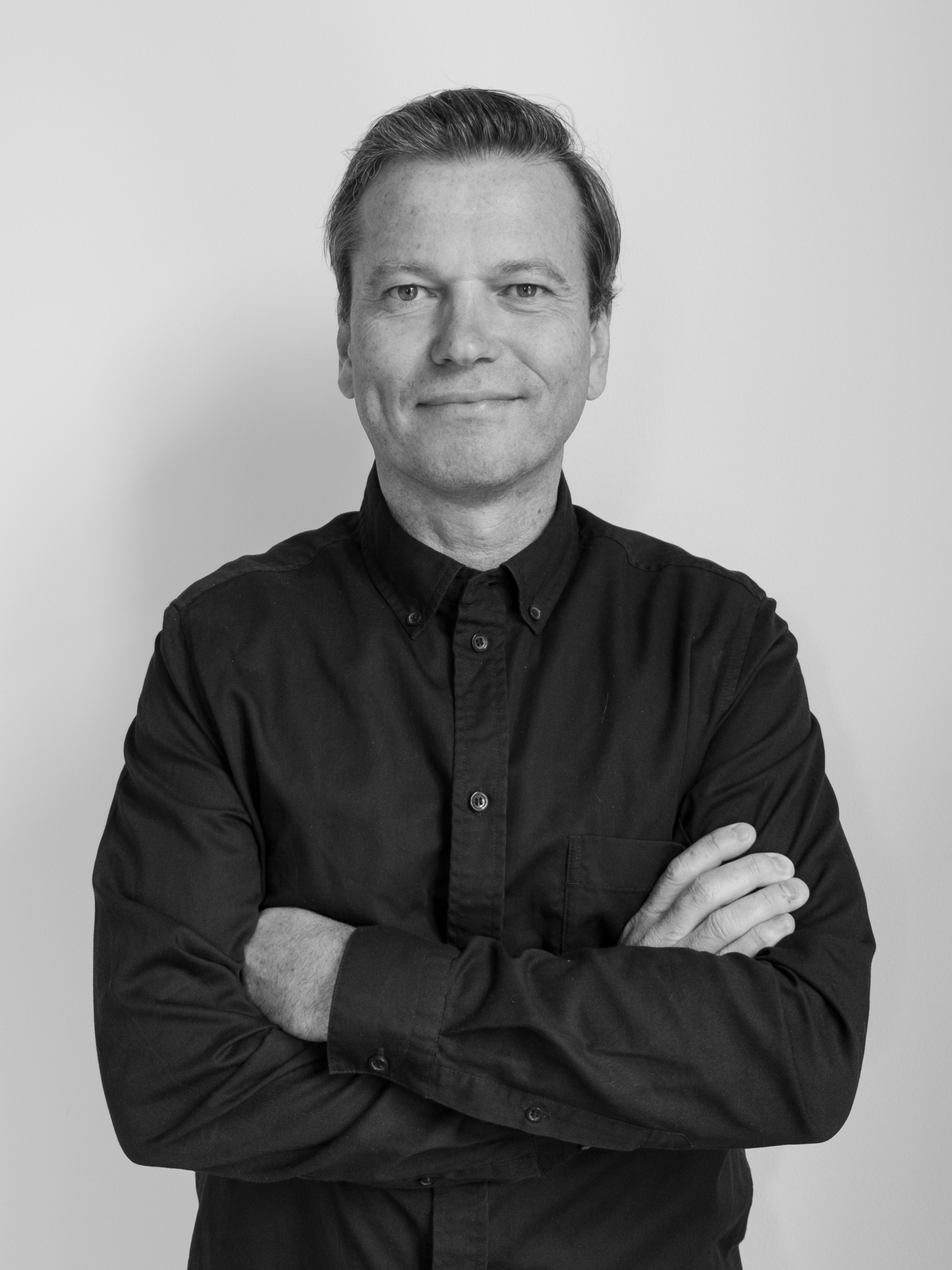
Norwegian born, Casper Mork-Ulnes was raised in Italy, Scotland and the United States, which has brought a broad perspective to his eponymous firm’s work. In 2015, Casper was named one of “California’s finest emerging talents” by the American Institute of Architects California Council.
He was selected by the Norwegian National Museum as one of “the most noteworthy young architects in Norway” with the exhibit “Under 40. Young Norwegian Architecture 2013.” Casper holds a Master of Architecture from Columbia University and a Bachelor of Architecture from California College of the Arts.