PODCAST
WHAT MAKES A GOOD CONVERSATION? LOOK NO FURTHER THAN OUR ART OF THE CONVERSATION, FEATURING UNCONVENTIONAL STORIES AND PEOPLE WHO MOVE AND INSPIRE
LISTEN NOW


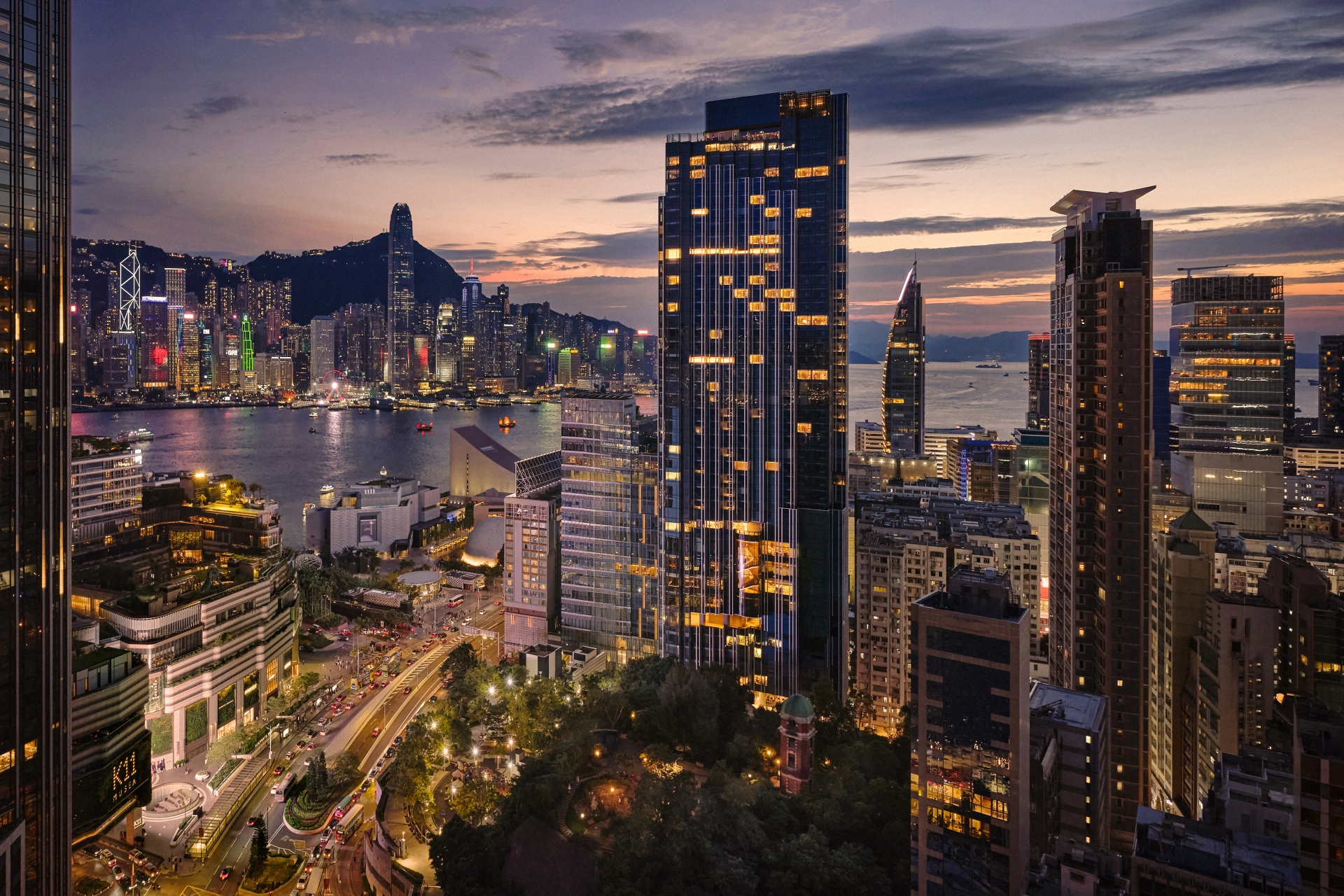
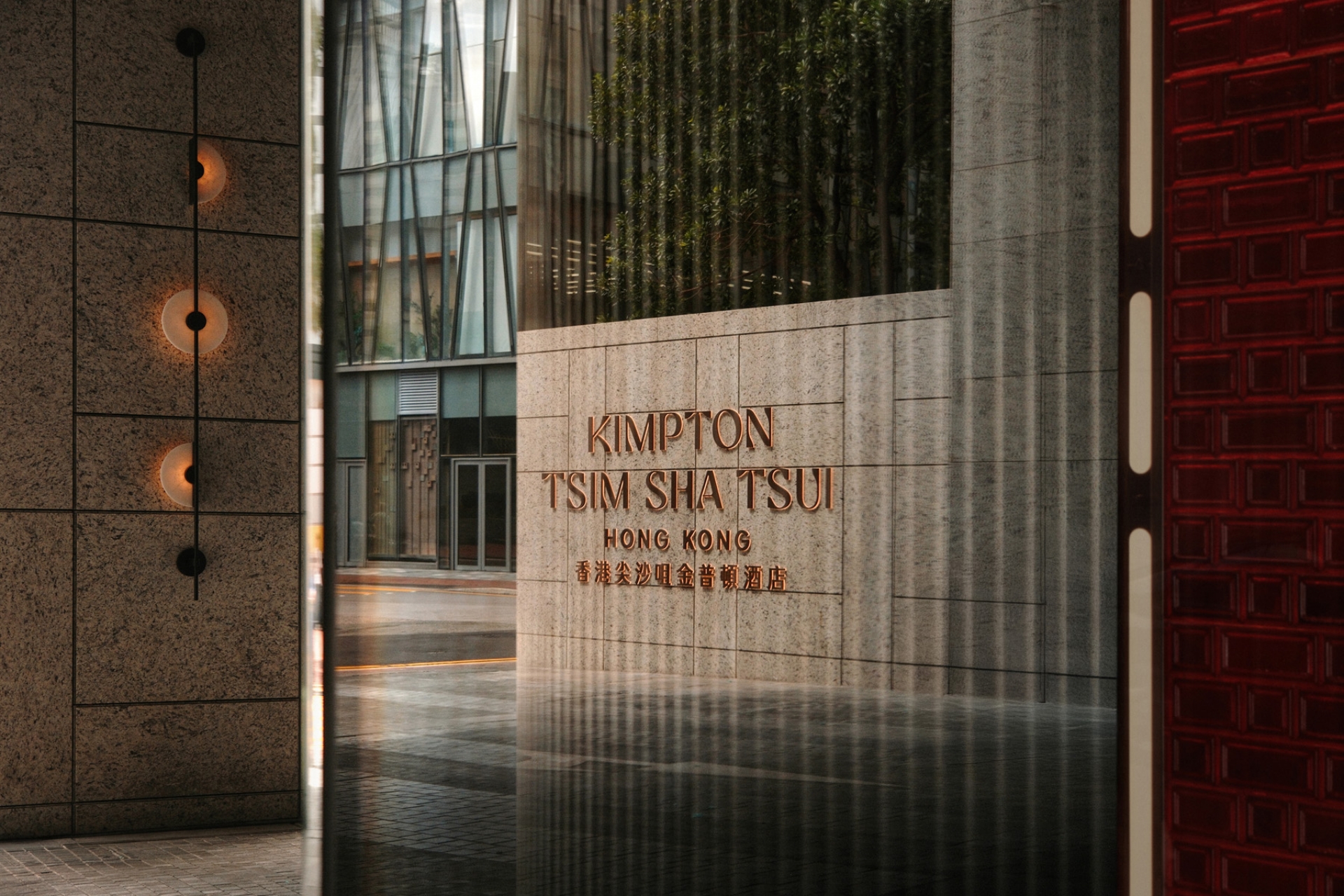
At street level, the density of Hong Kong - neon, traffic, and bodies in motion - is relentless. The hotel pulls you out not with a grand entrance but a subtle shift. You step inside and are immediately drawn to the lift, which is "conceived as a kind of time machine” designed to carry you away from the street's intensity into something altogether more composed.
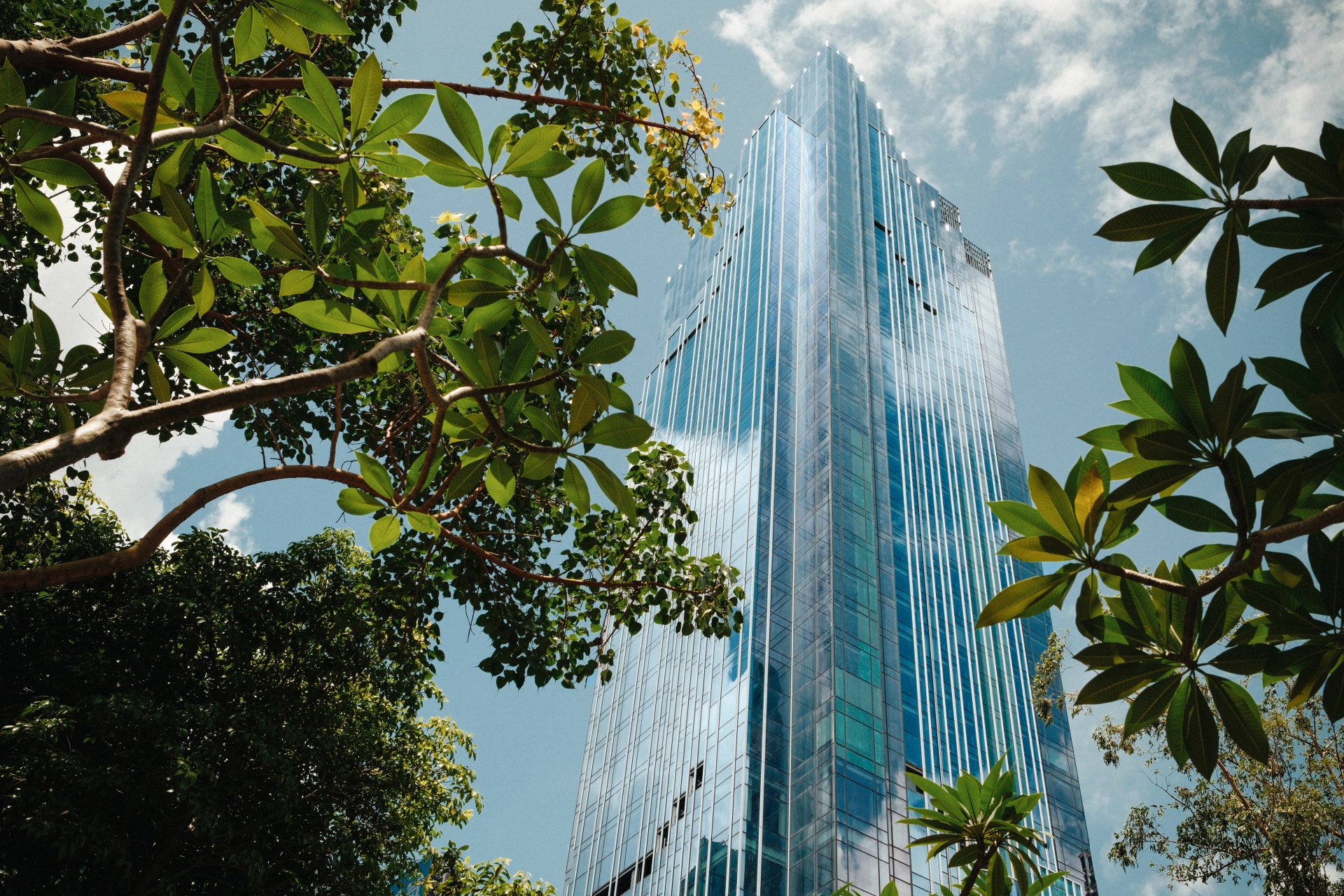
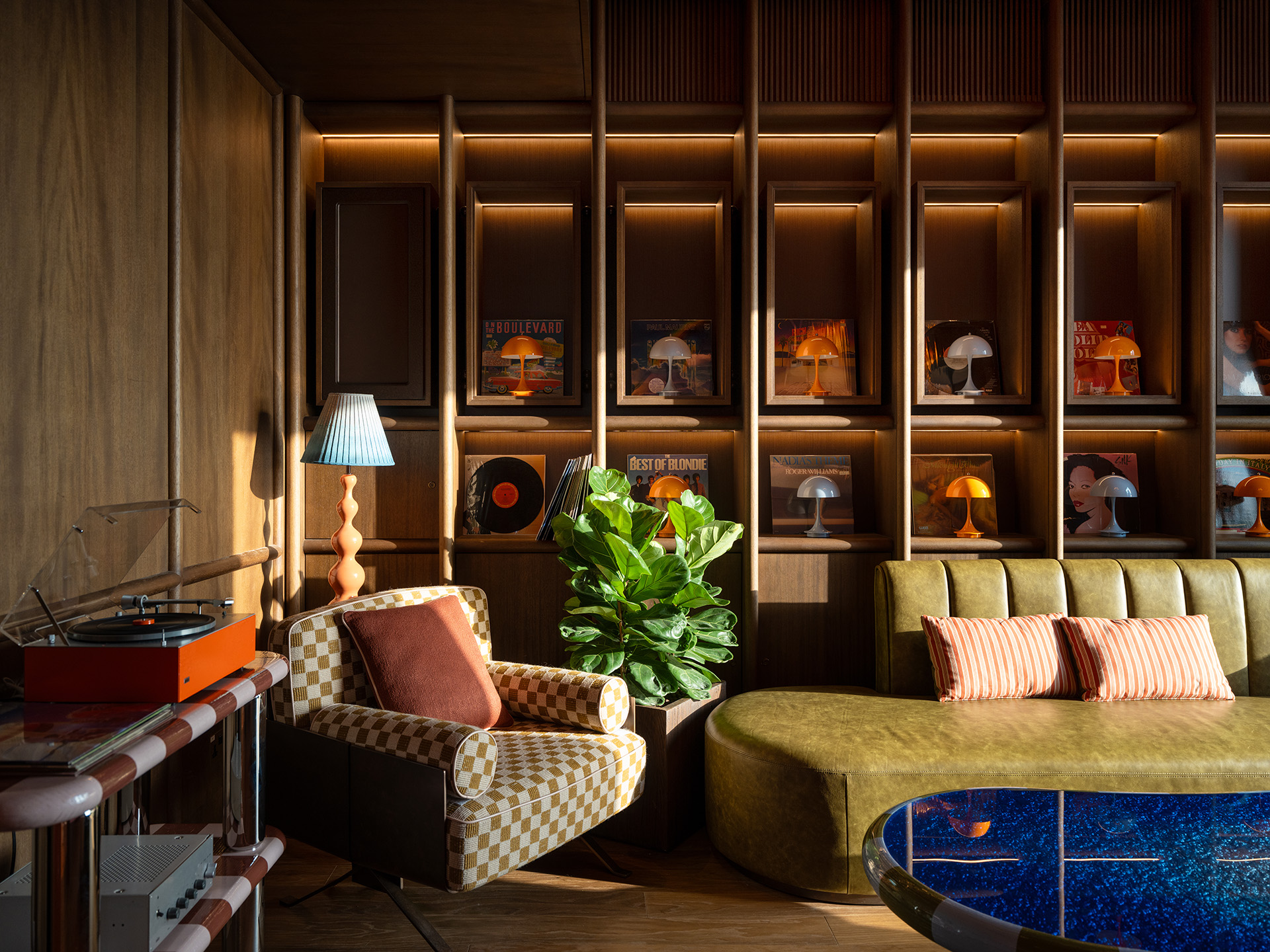
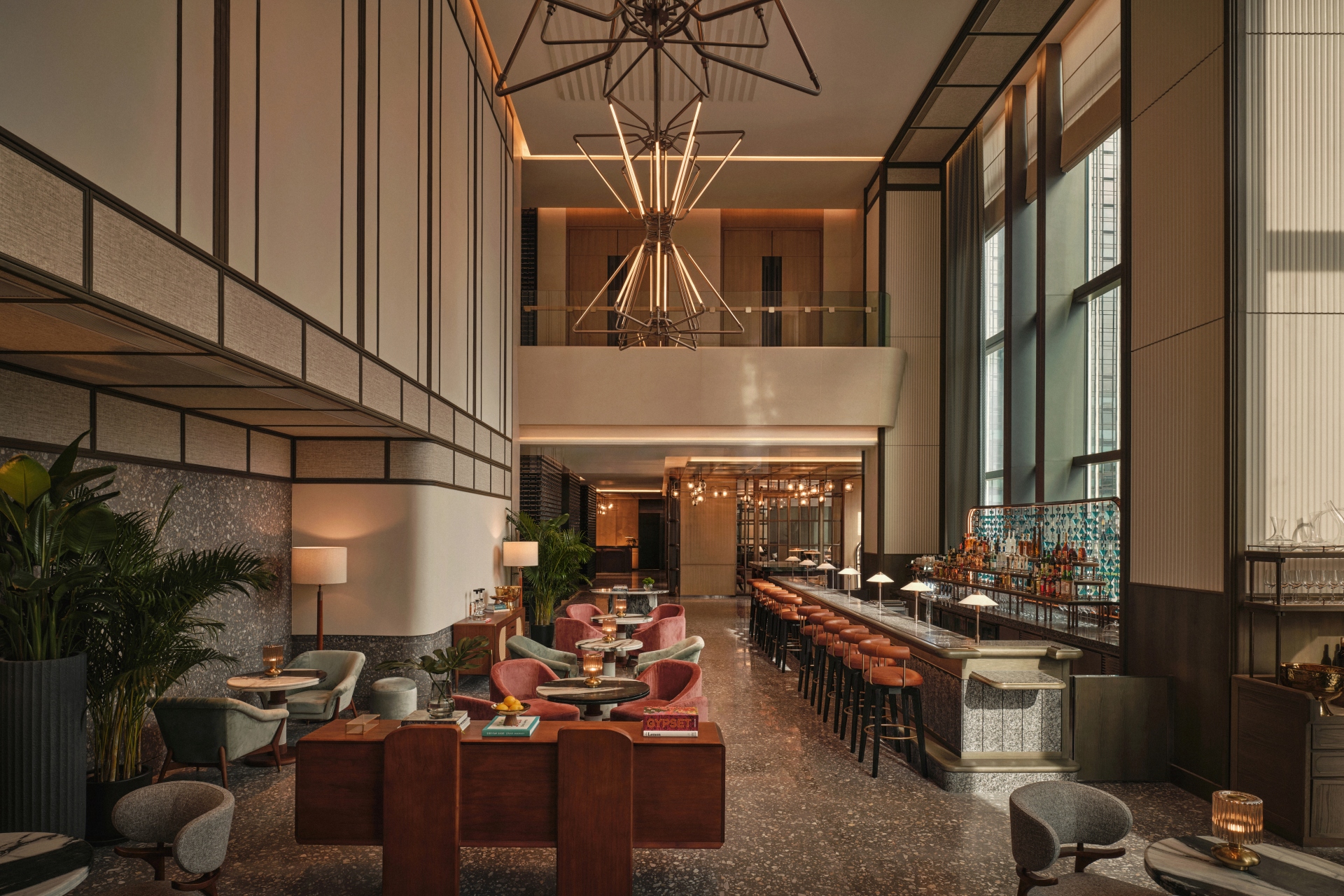
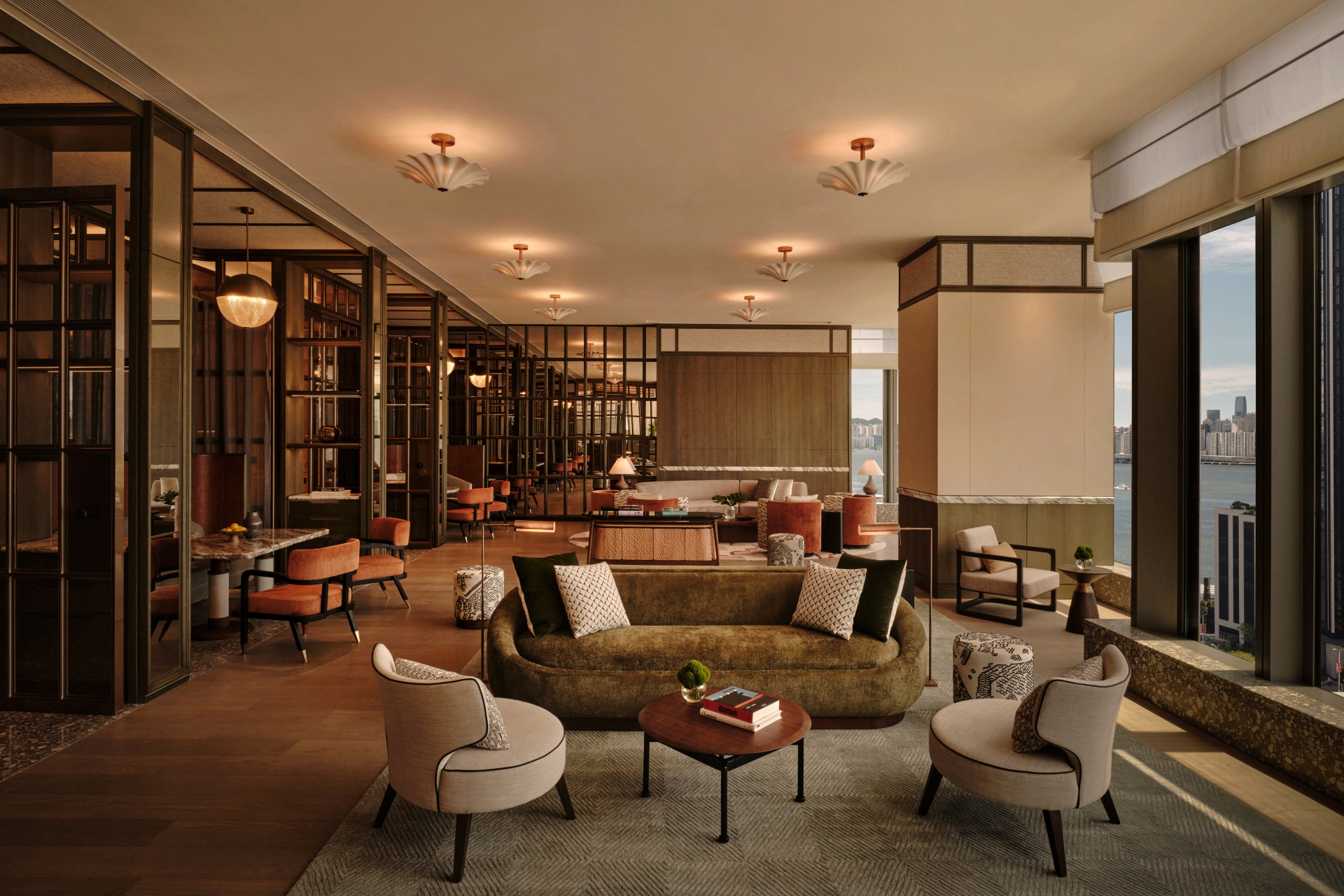
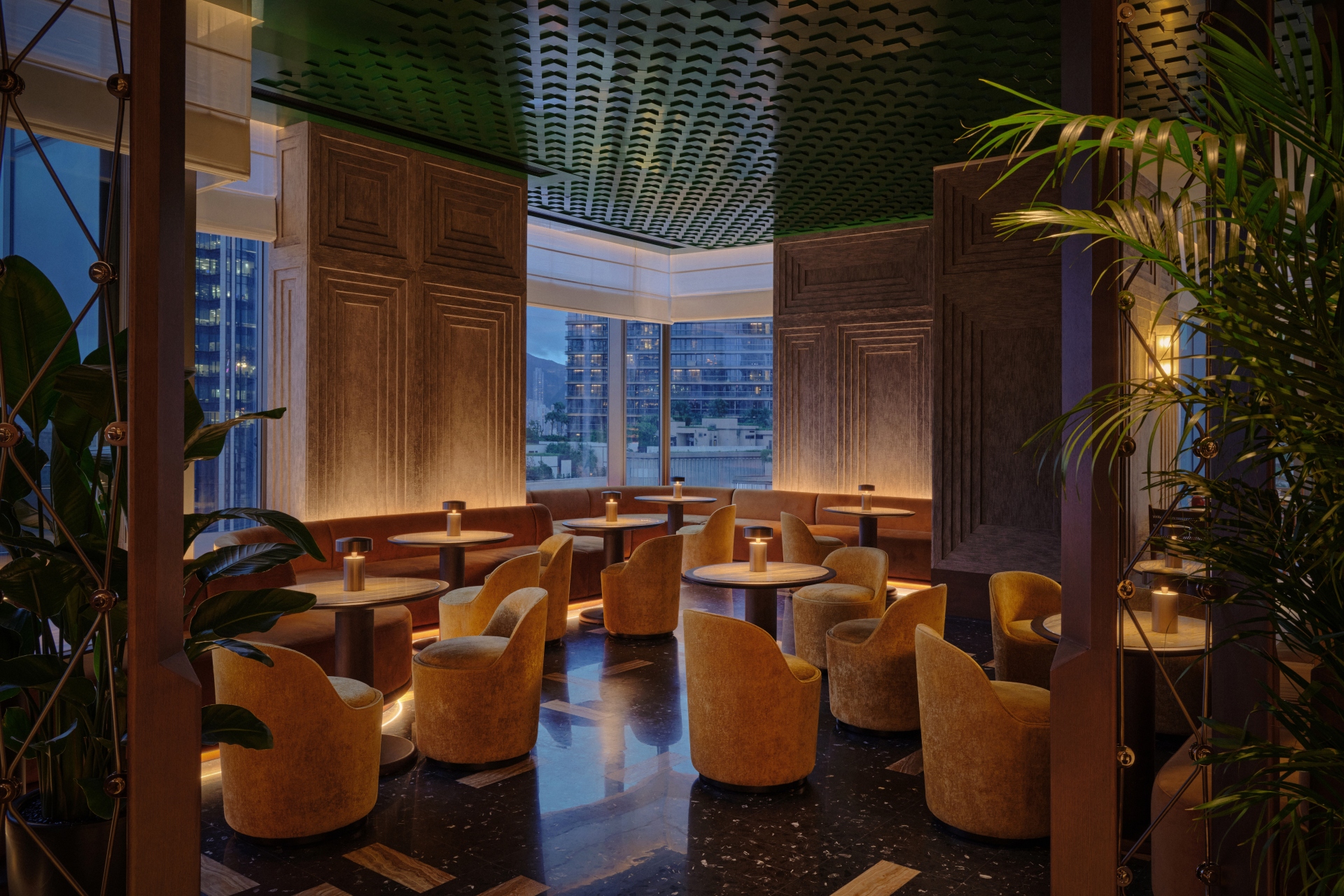
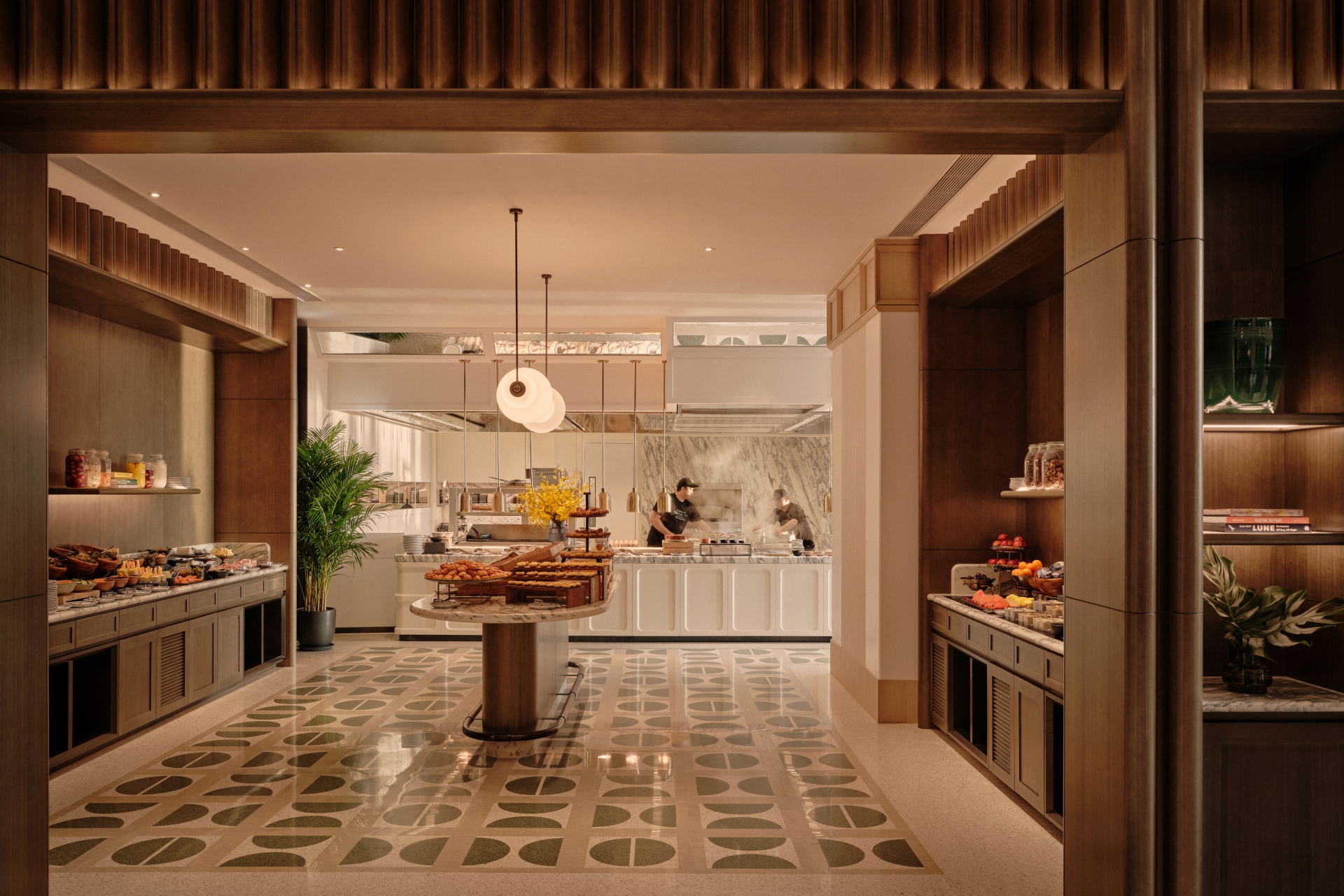
The doors open on the 15th floor, and everything changes. The city falls away as space opens and light settles. To the right, Birdsong hums as part restaurant, part social anchor, while to the left, the Living Room unfolds with "books, objects, textures, fragments of culture arranged with intention." Reception is subtly placed, "almost hidden, resisting the usual choreography of arrival".
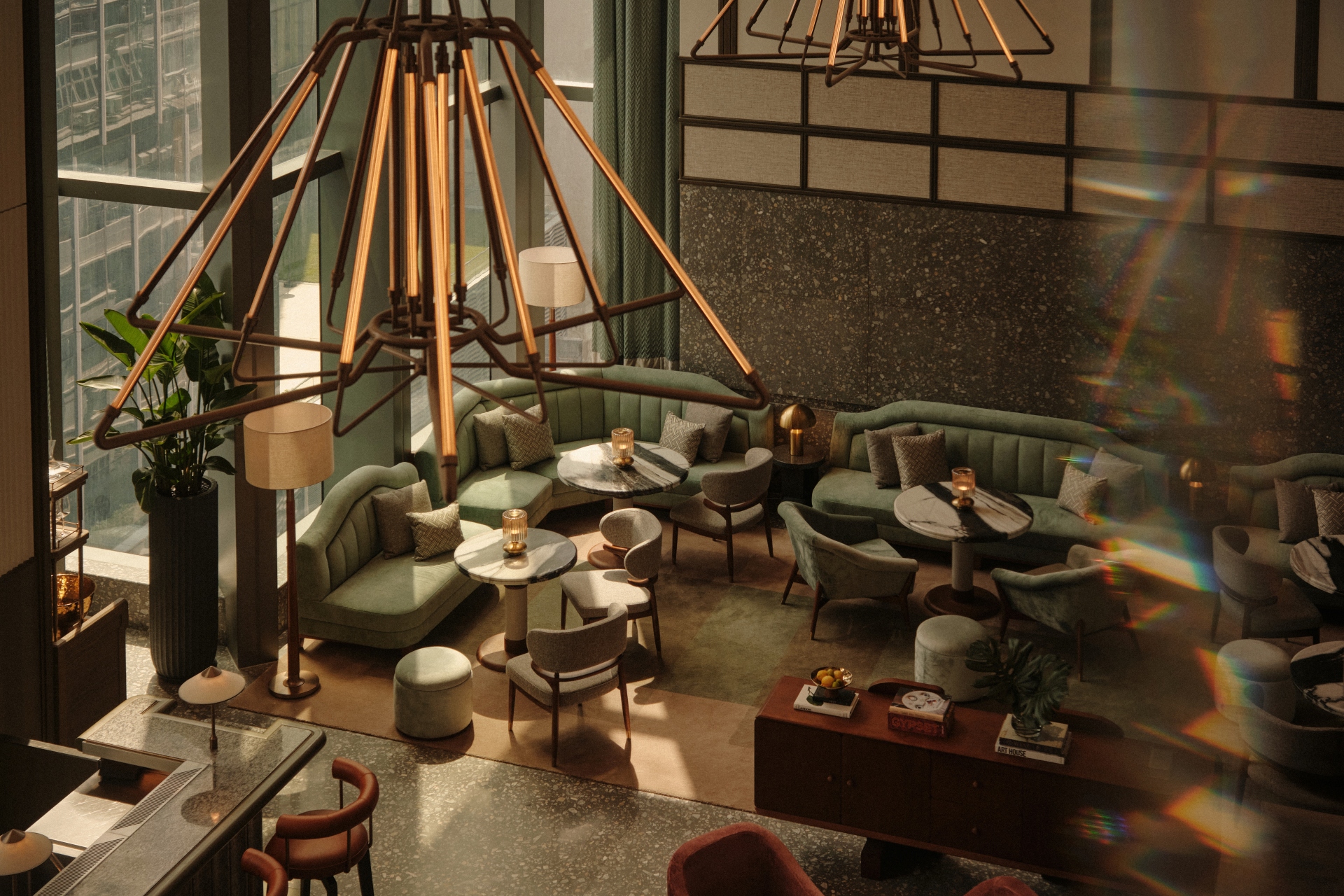
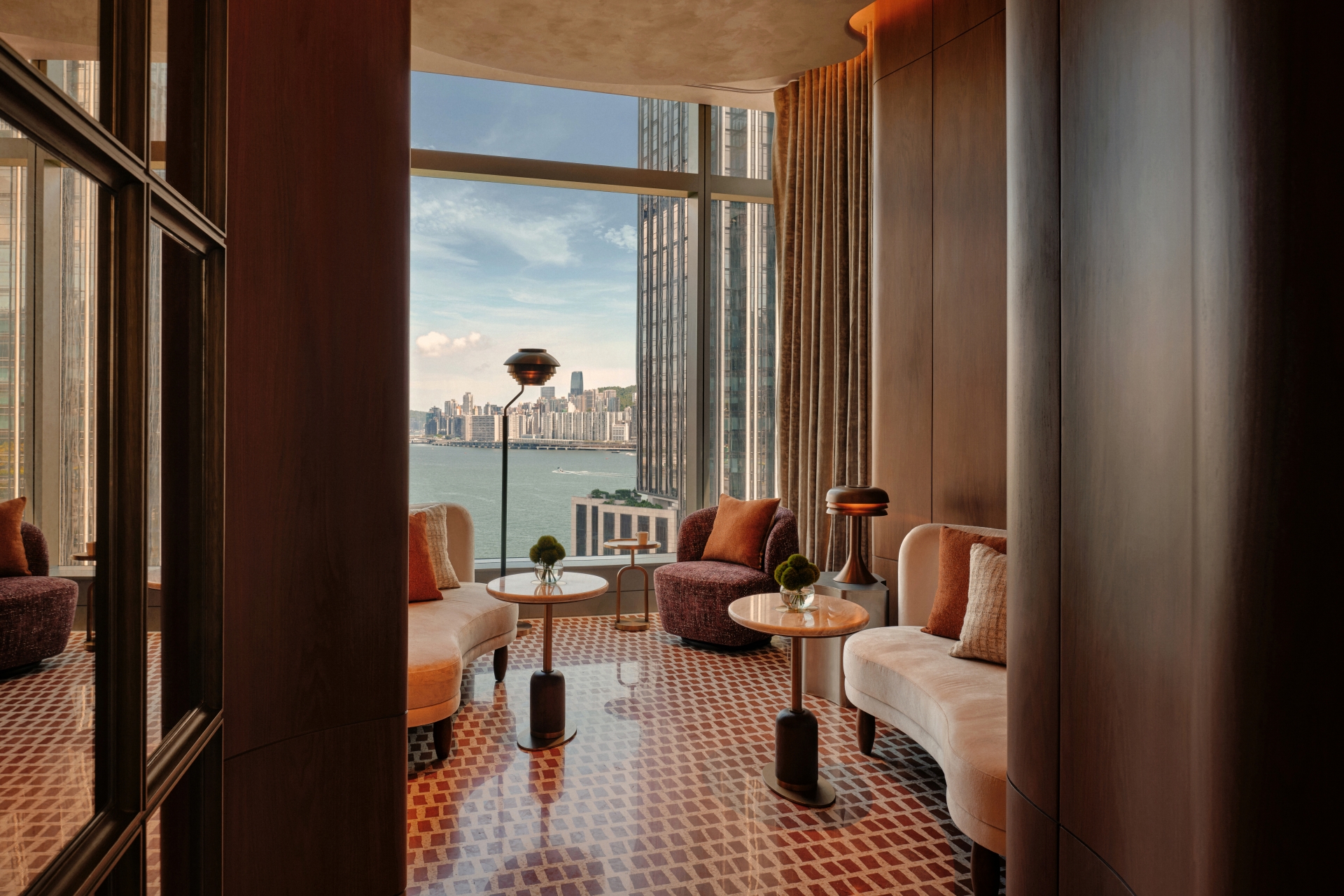
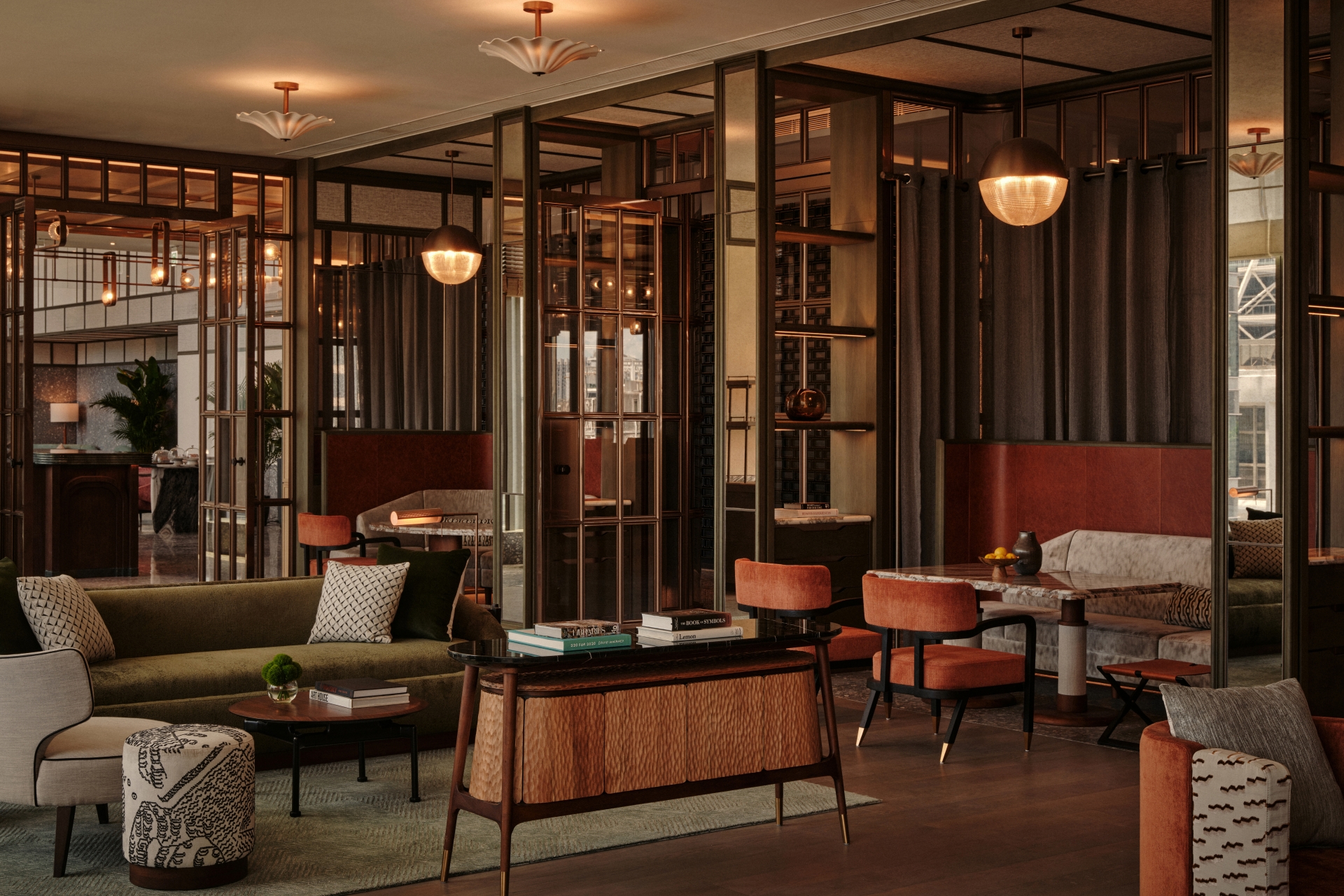
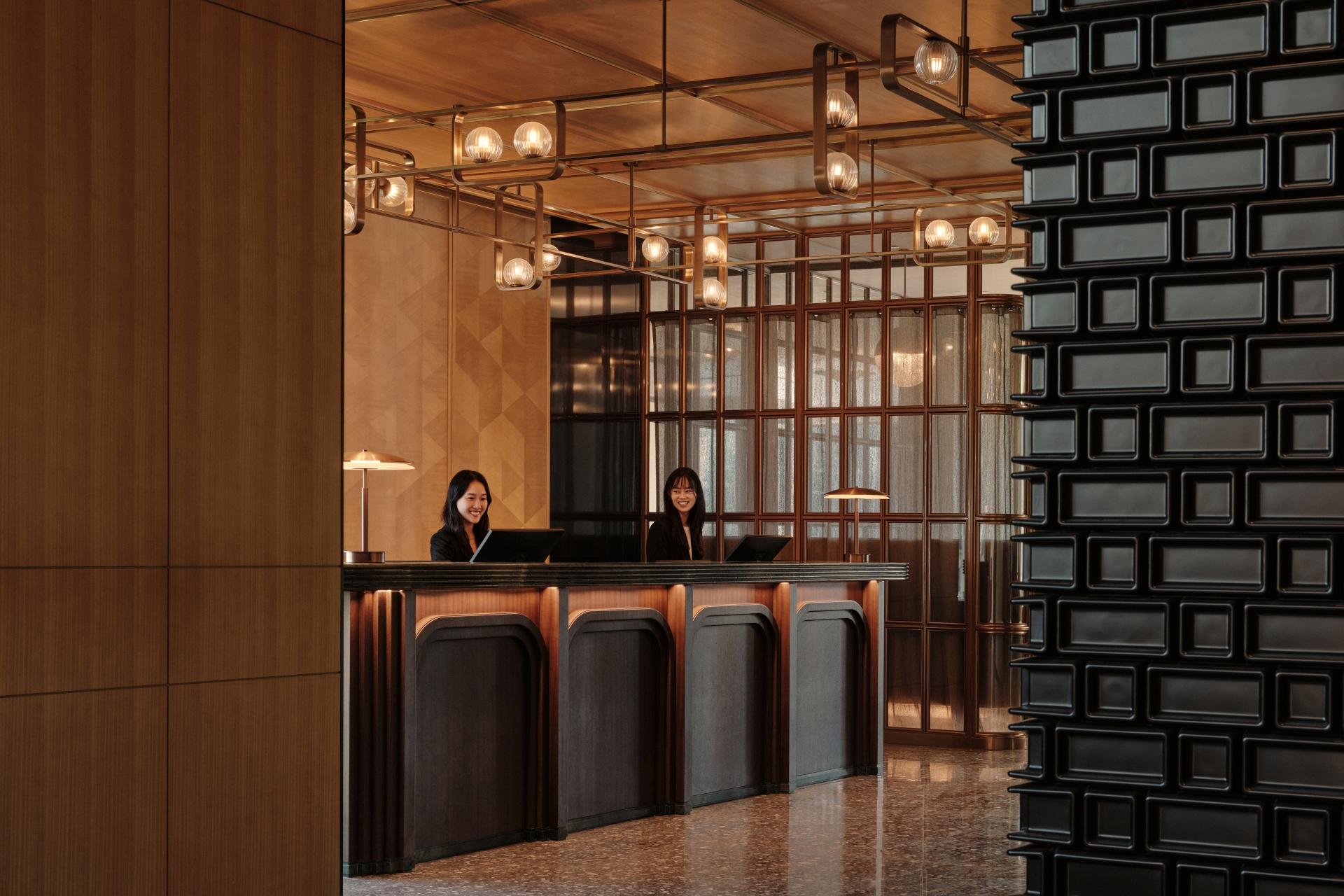
This distinct movement is rooted in a shared idea: the “Culture of Time.” For Mathew Lui of Hirsch Bedner Associates (HBA), who established the masterplan and guestrooms, the philosophy is about longevity. "We interpreted it as something timeless - design that remains relevant and elegant regardless of how much time passes." For VIA Architecture Limited, brought in to refine the public areas, the concept is more narrative. "We see the hotel as a tapestry of moments”, says founder and principal, Frank Leung. "A series of vignettes".
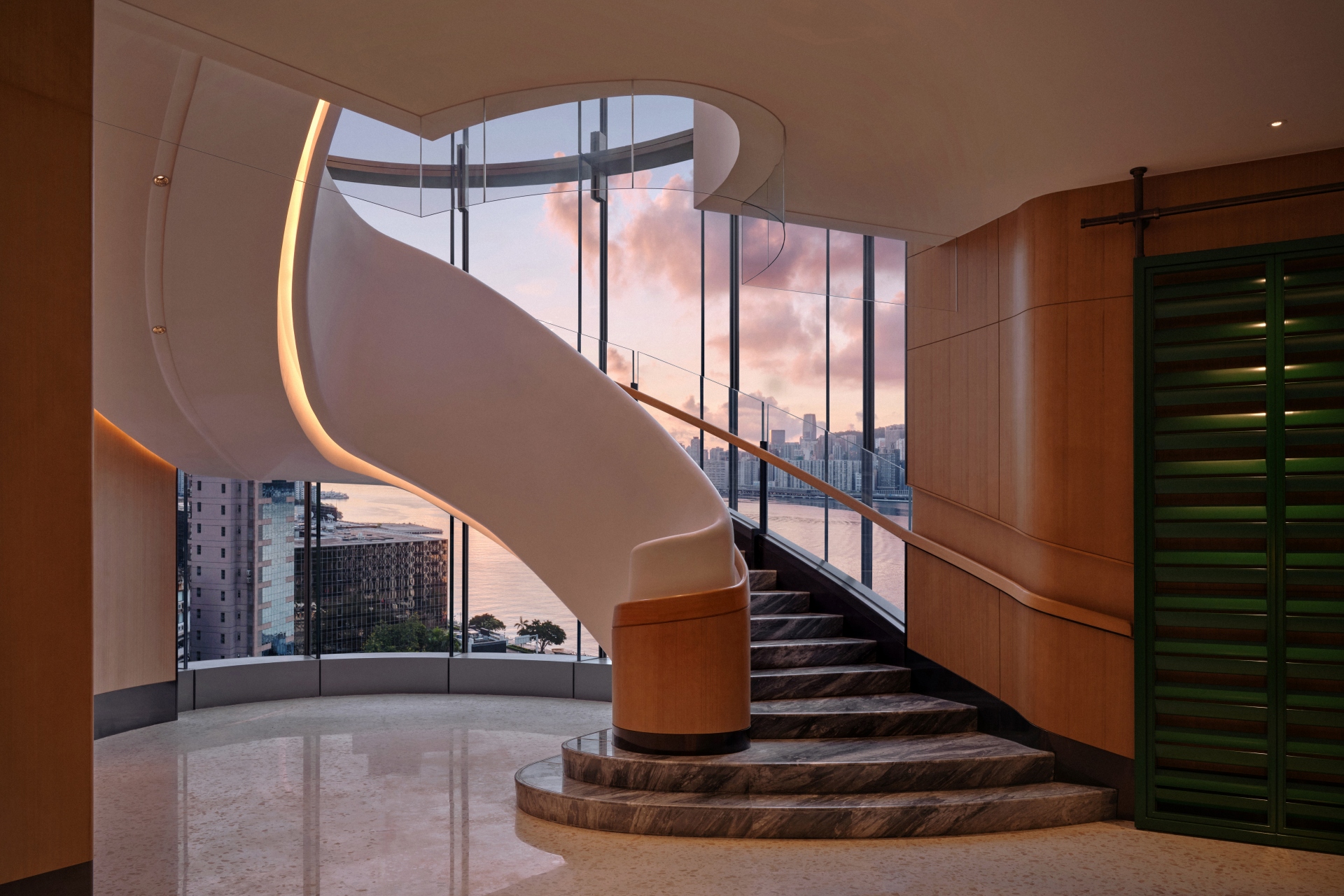
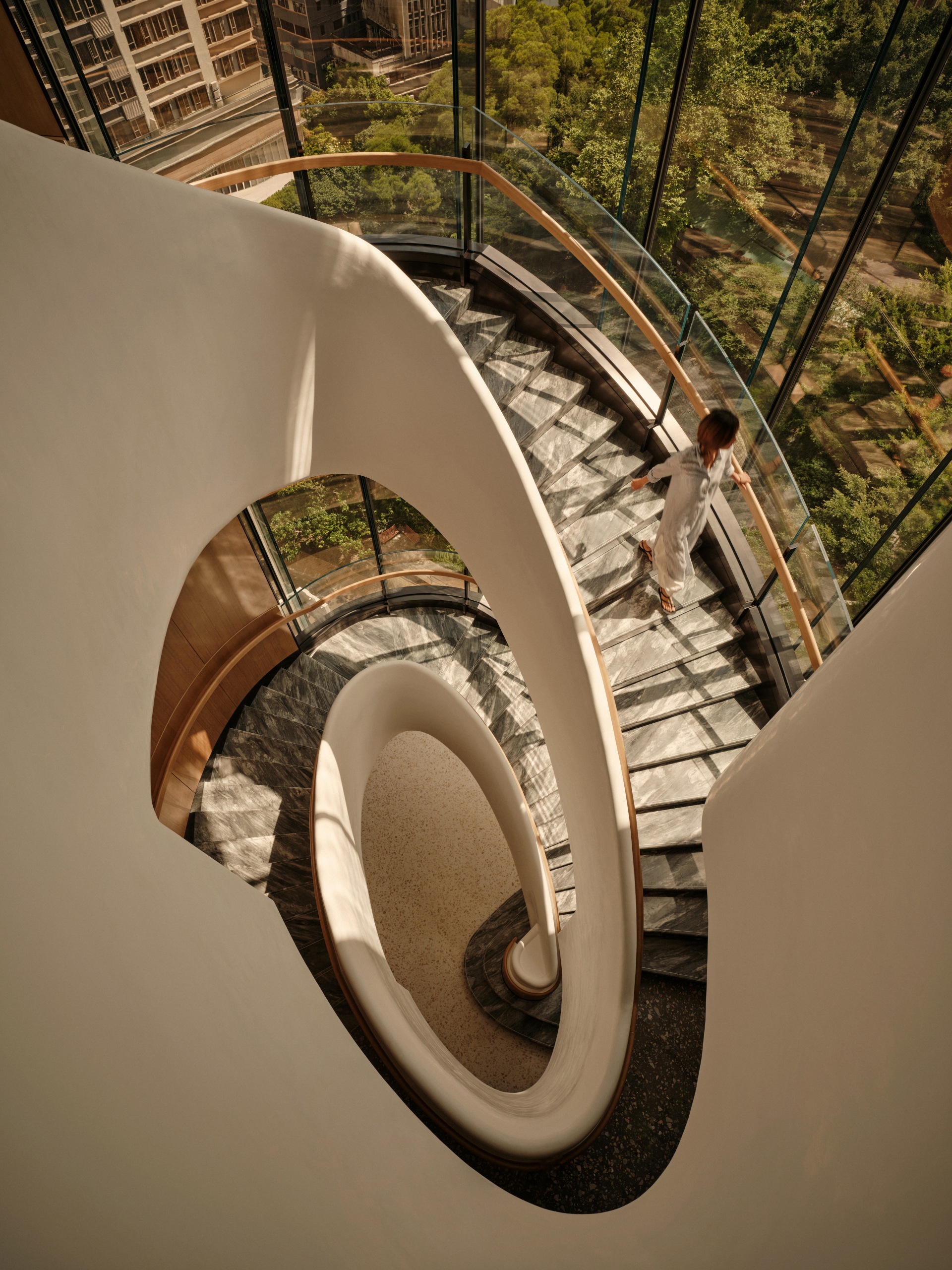
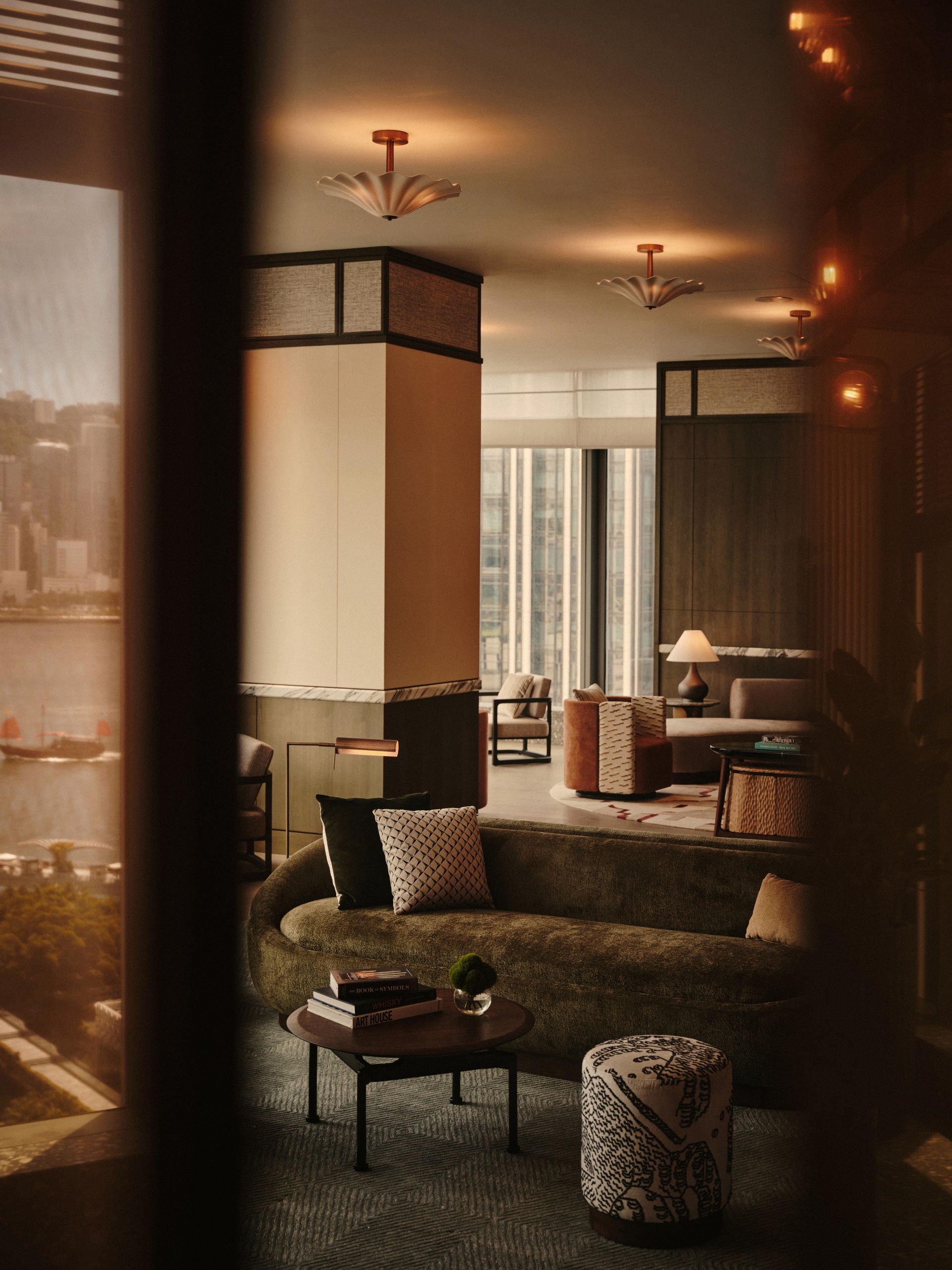
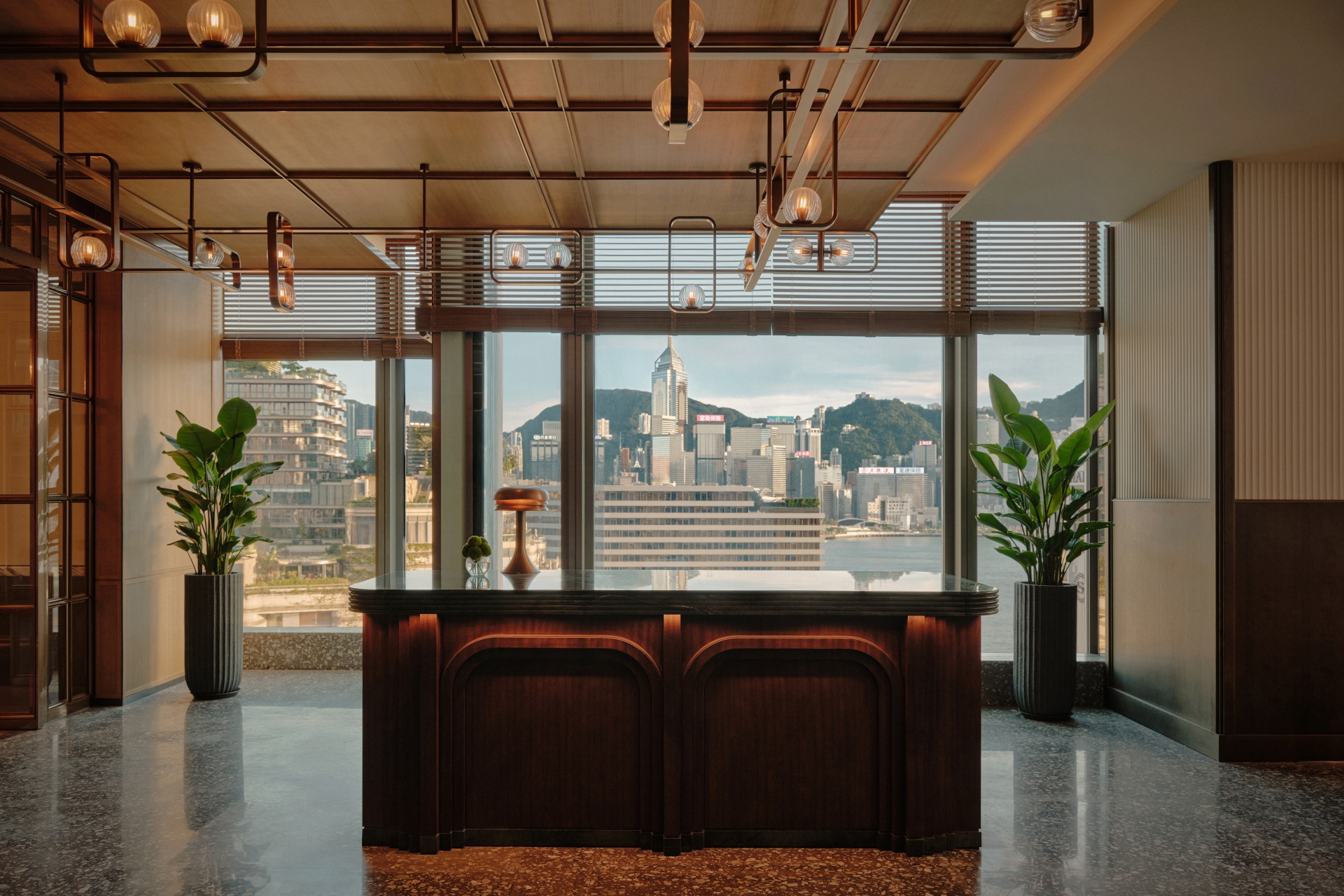
The journey through the Kimpton is therefore a passage through scenes where spaces compress, then release, and the city returns, reframed. A quiet thread runs beneath it all, nodding to the building’s past as the Mariners’ Club, which lingers in the sense of movement, of passage, of being in transit between places.
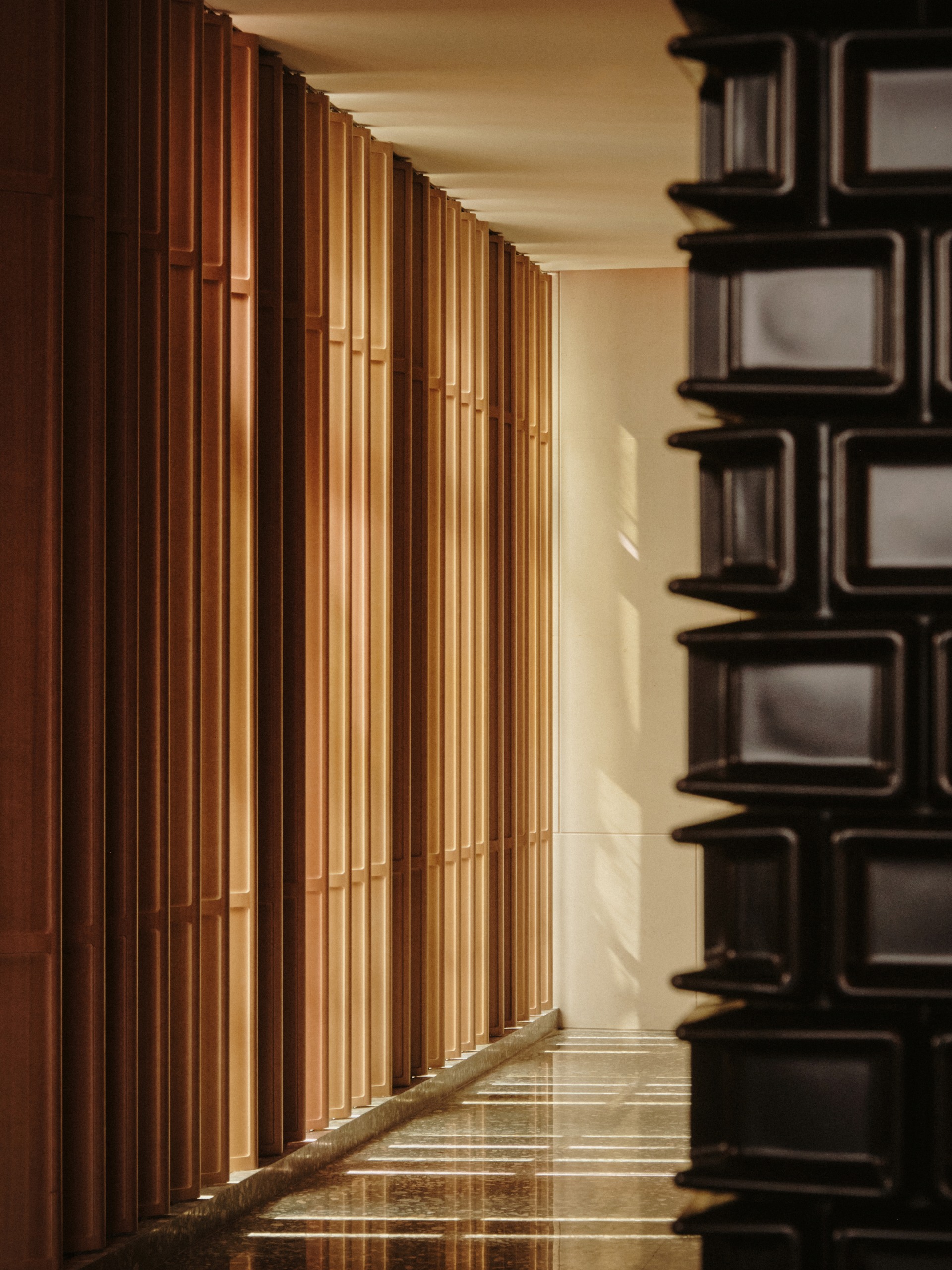
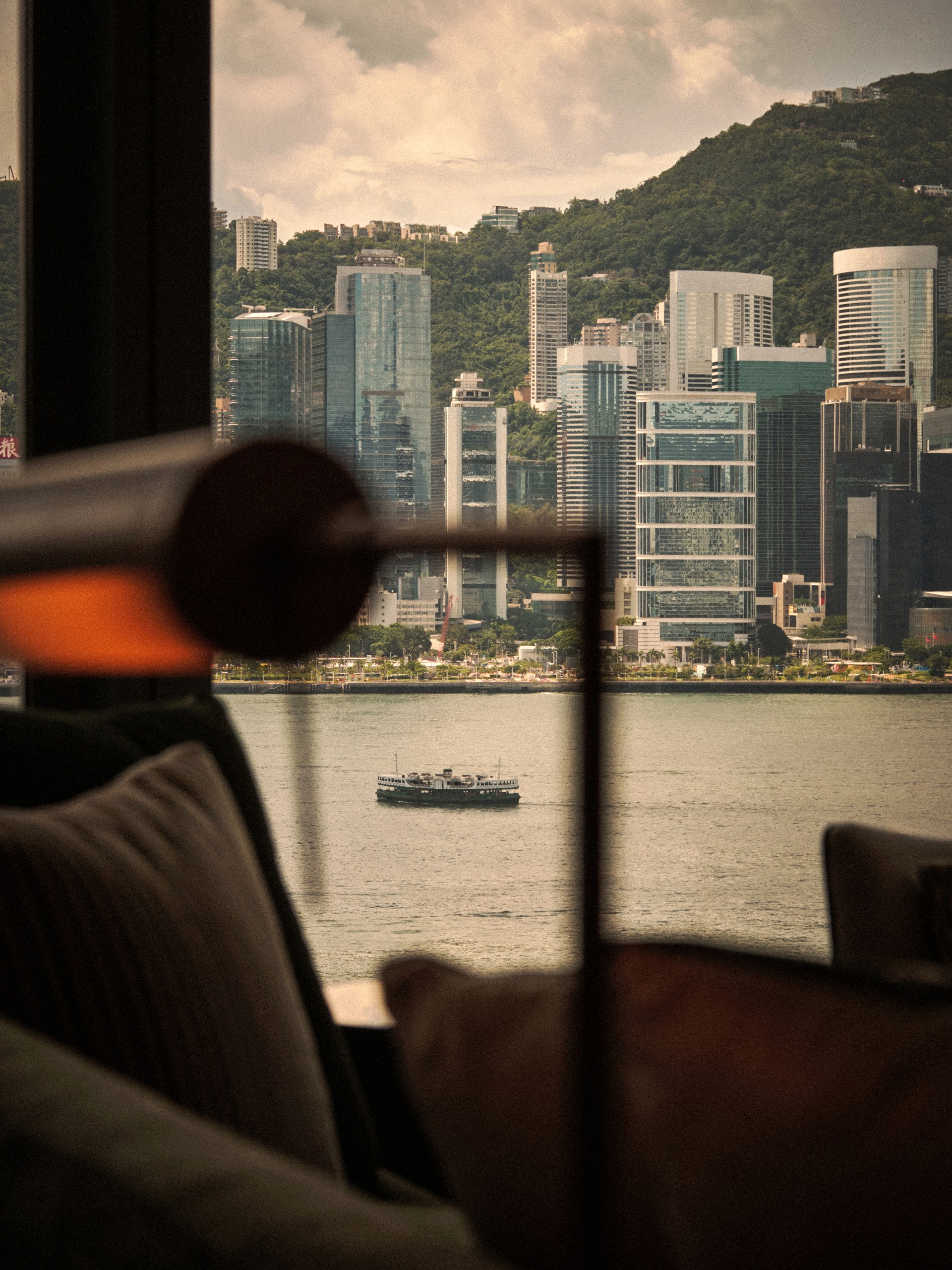
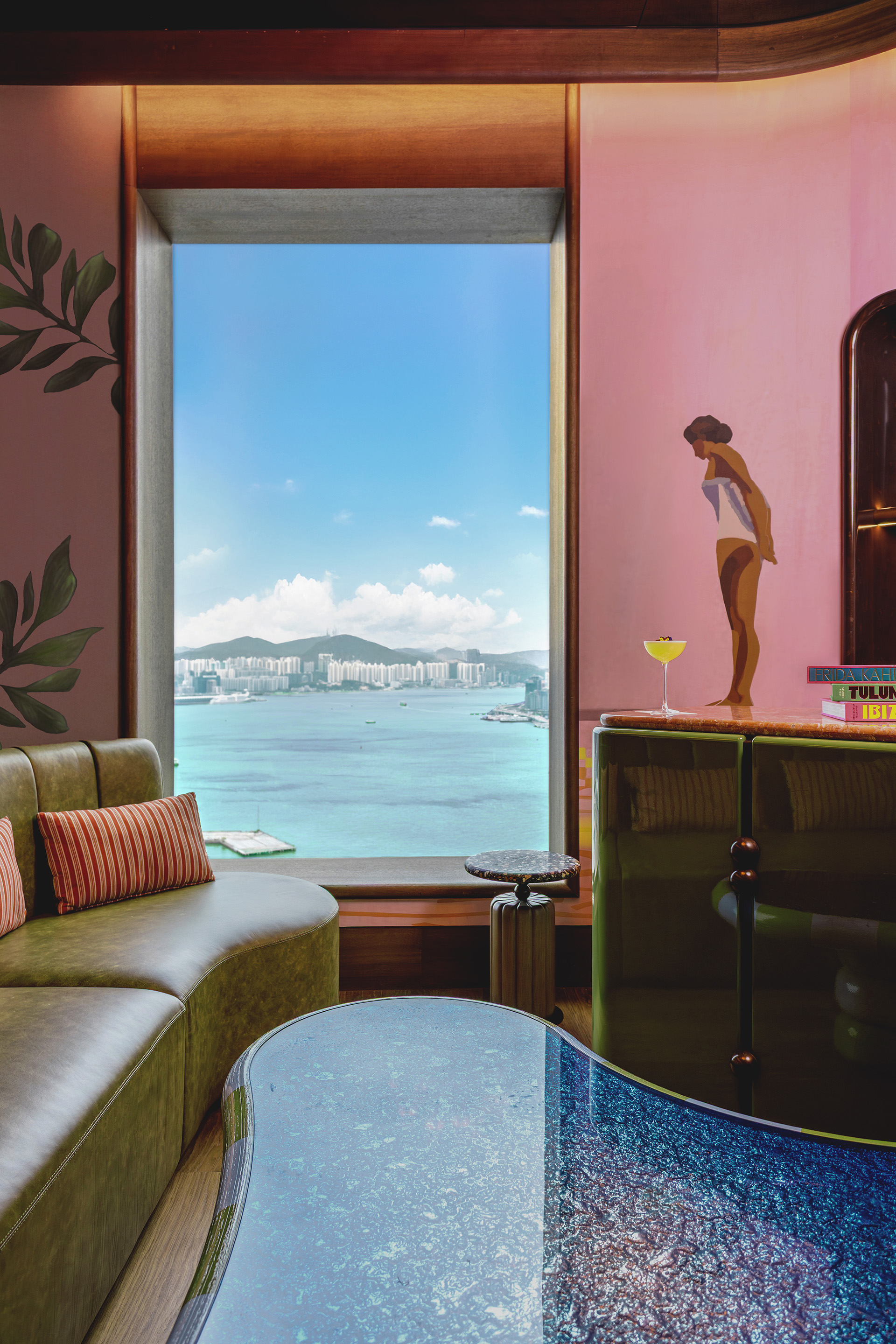
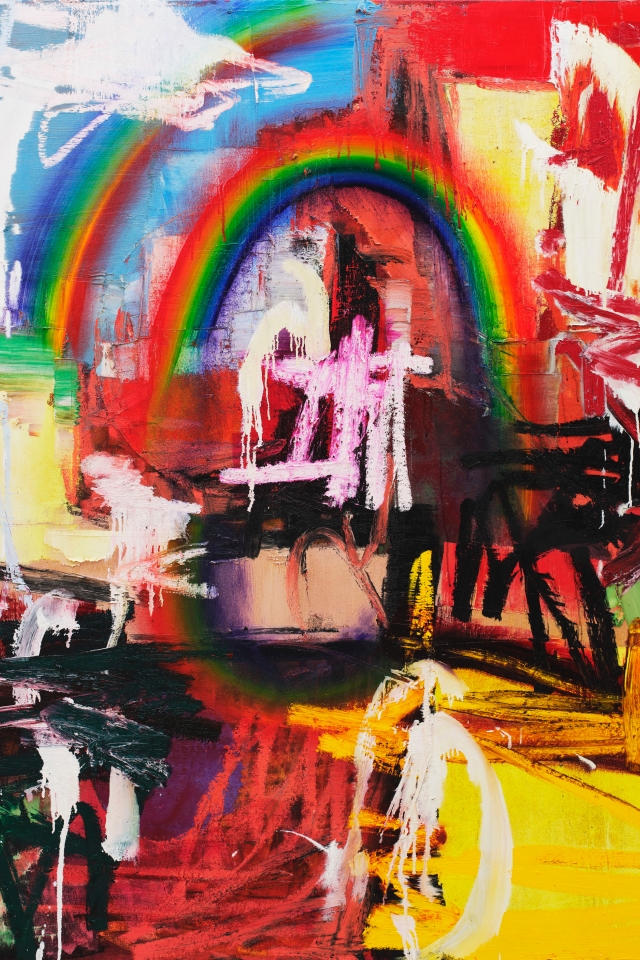
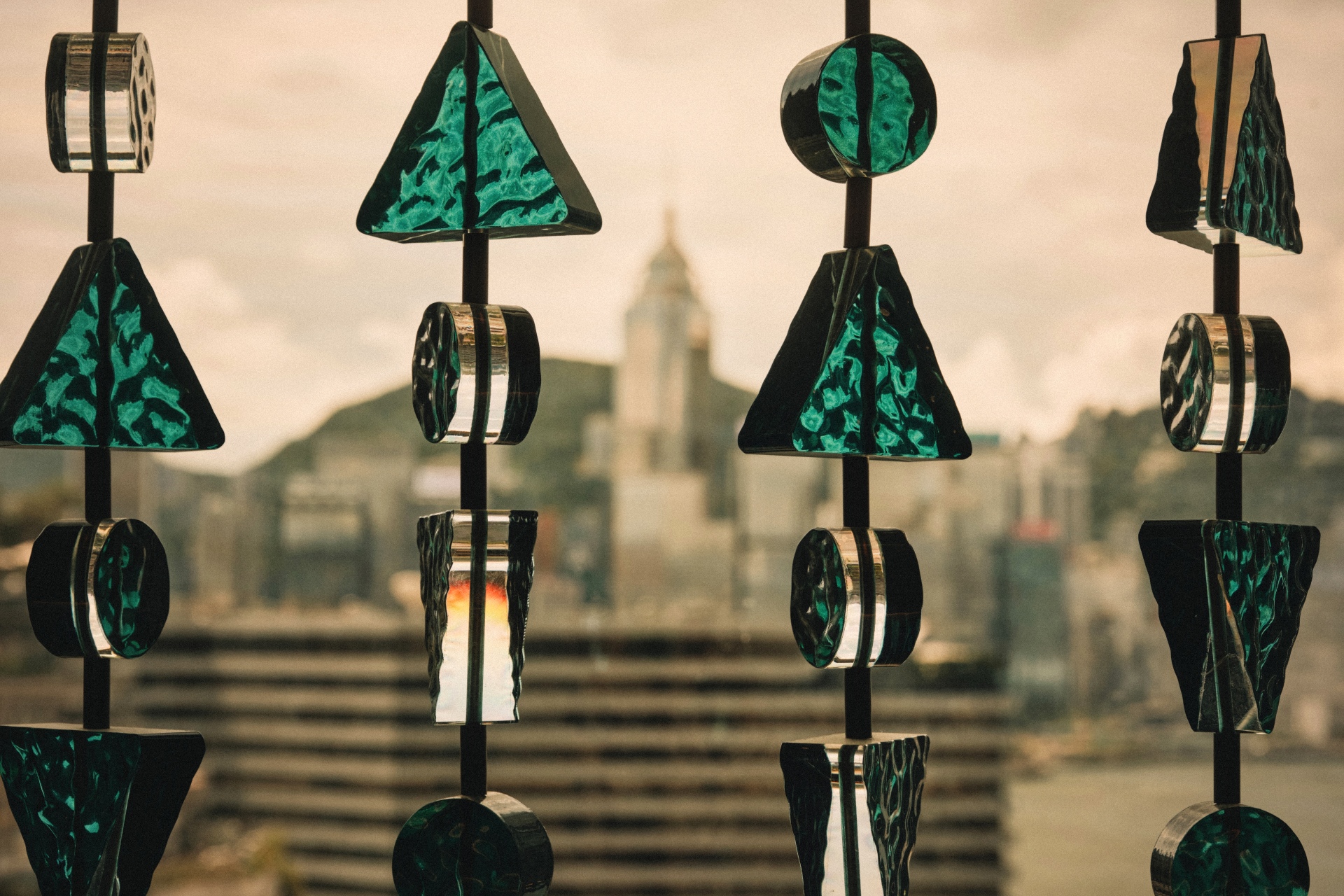
Materially, the hotel is grounded in Hong Kong, but refracted. Terrazzo recalls the city’s mid-century Tong Lau buildings, rattan introduces warmth, and flashes of "tram green" - a colour embedded in Hong Kong’s visual identity - appear throughout. The Living Room holds this tension best. It is personal, layered, and almost editorial in its composition. "We wanted a kaleidoscopic view of Hong Kong culture,” Leung explains. “Something that feels collected, not designed.” This curatorial thinking extends to the art, with Leung stating: “There are three parties in every photograph - the subject, the photographer, and the viewer. We approach space in the same way.” The collection features works by actor Chow Yun-fat, Man Lim Chung, and Karena Lam, grounding it in the city rather than styling it for it.
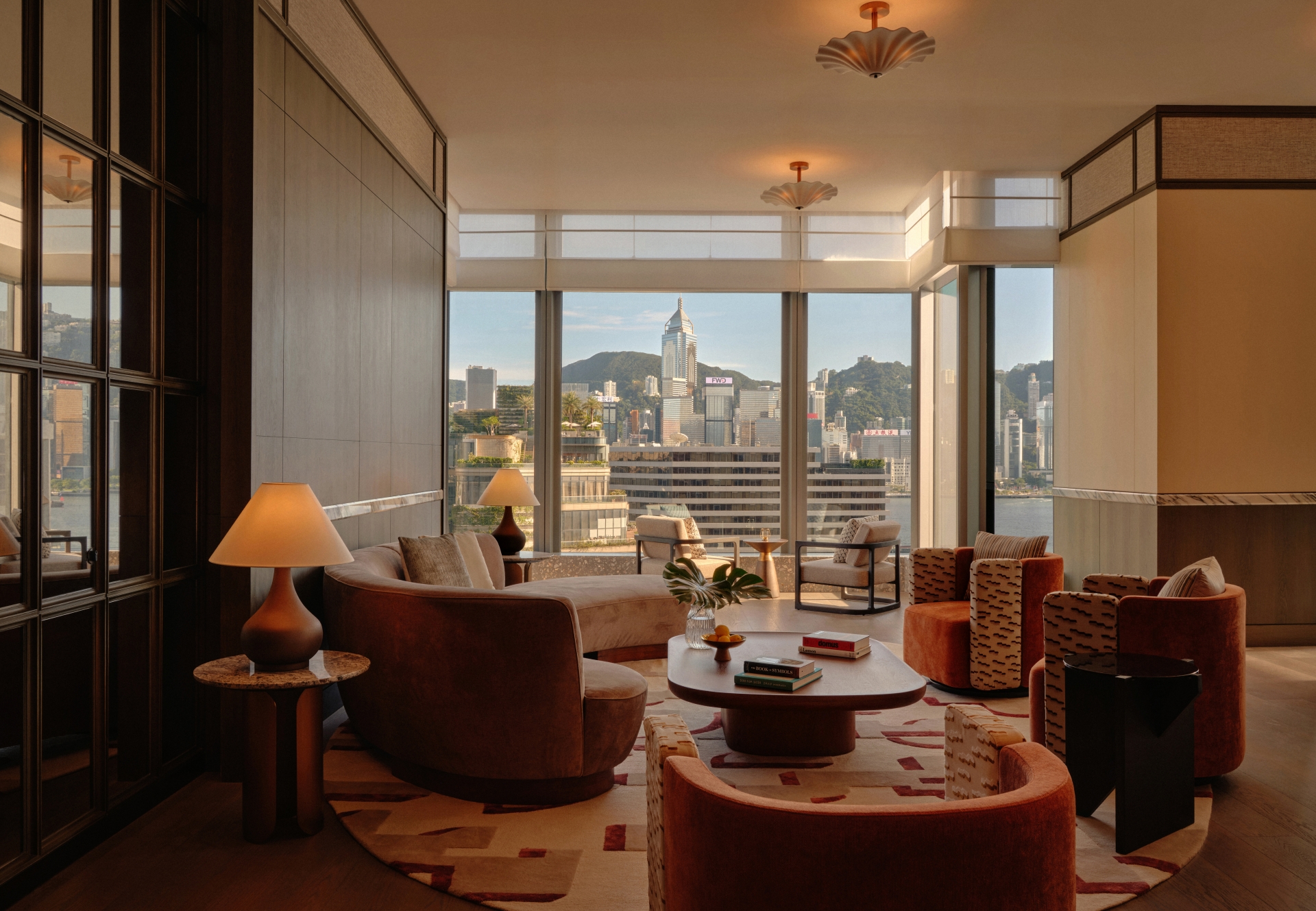
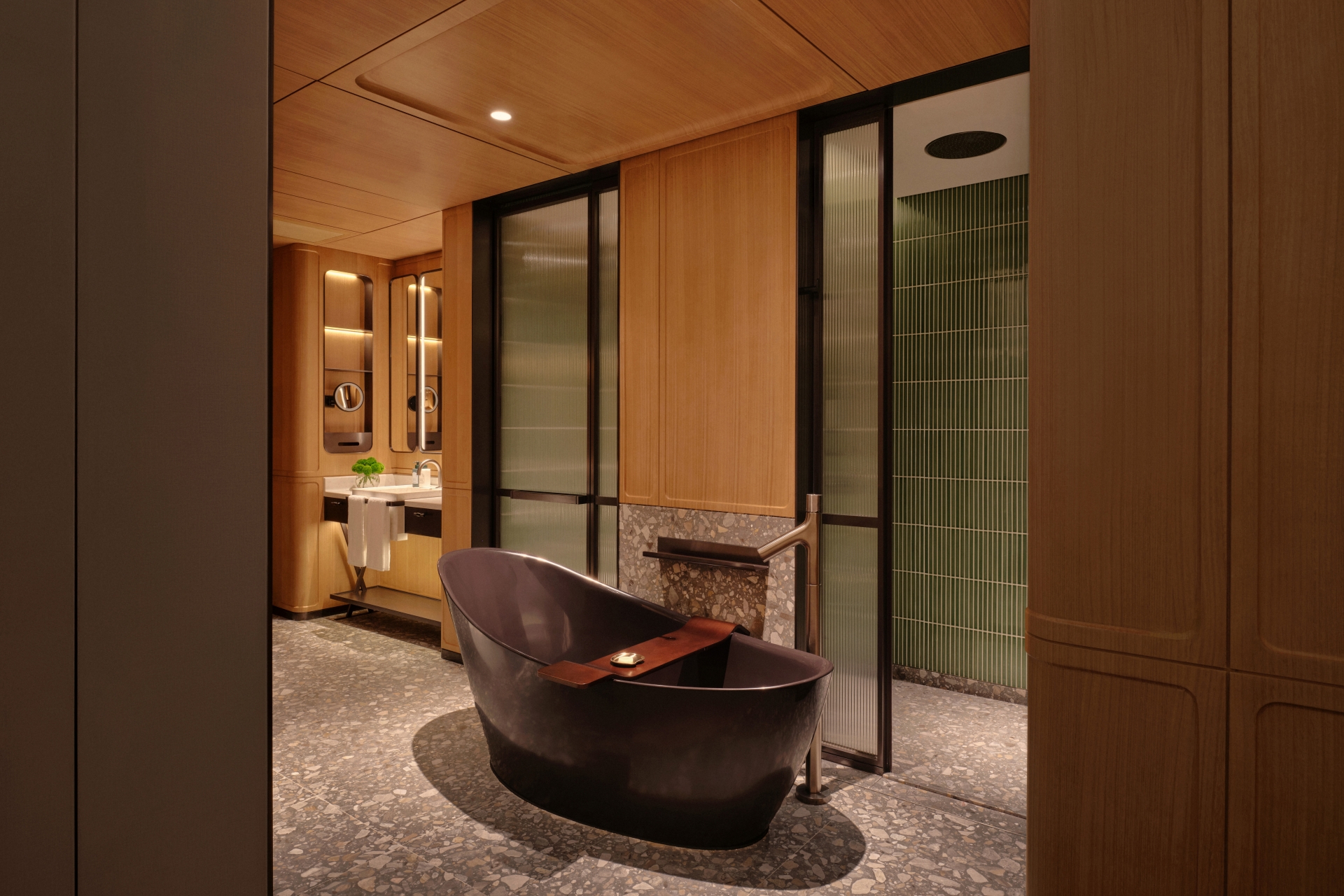
Upstairs, the design becomes more radical as HBA deliberately dissolves the boundary between the bedroom and bathroom. It is treated not as a separate zone but "a continuation of space rather than a division of it", says Lui. This is most striking in the freestanding bathtubs positioned directly by the window, framing uninterrupted harbour views. Lui confirms this original intent: “It was always the vision” he says, “to blur that boundary - and to let guests sit in the bath and look straight out to the harbour”. Since every room faces Victoria Harbour, the view is "constant, not conditional" allowing private rituals to unfold against one of the most public views in the world.
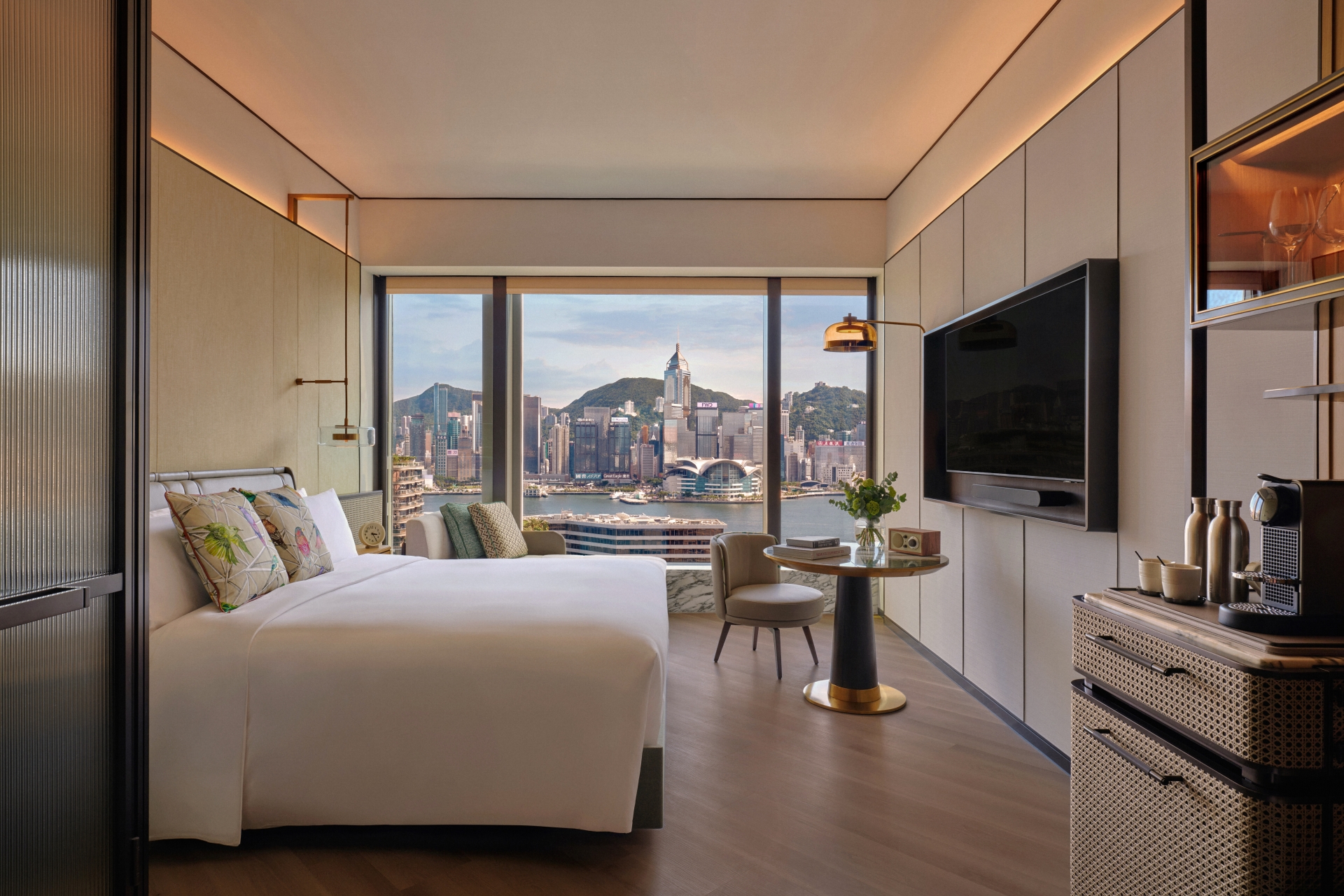
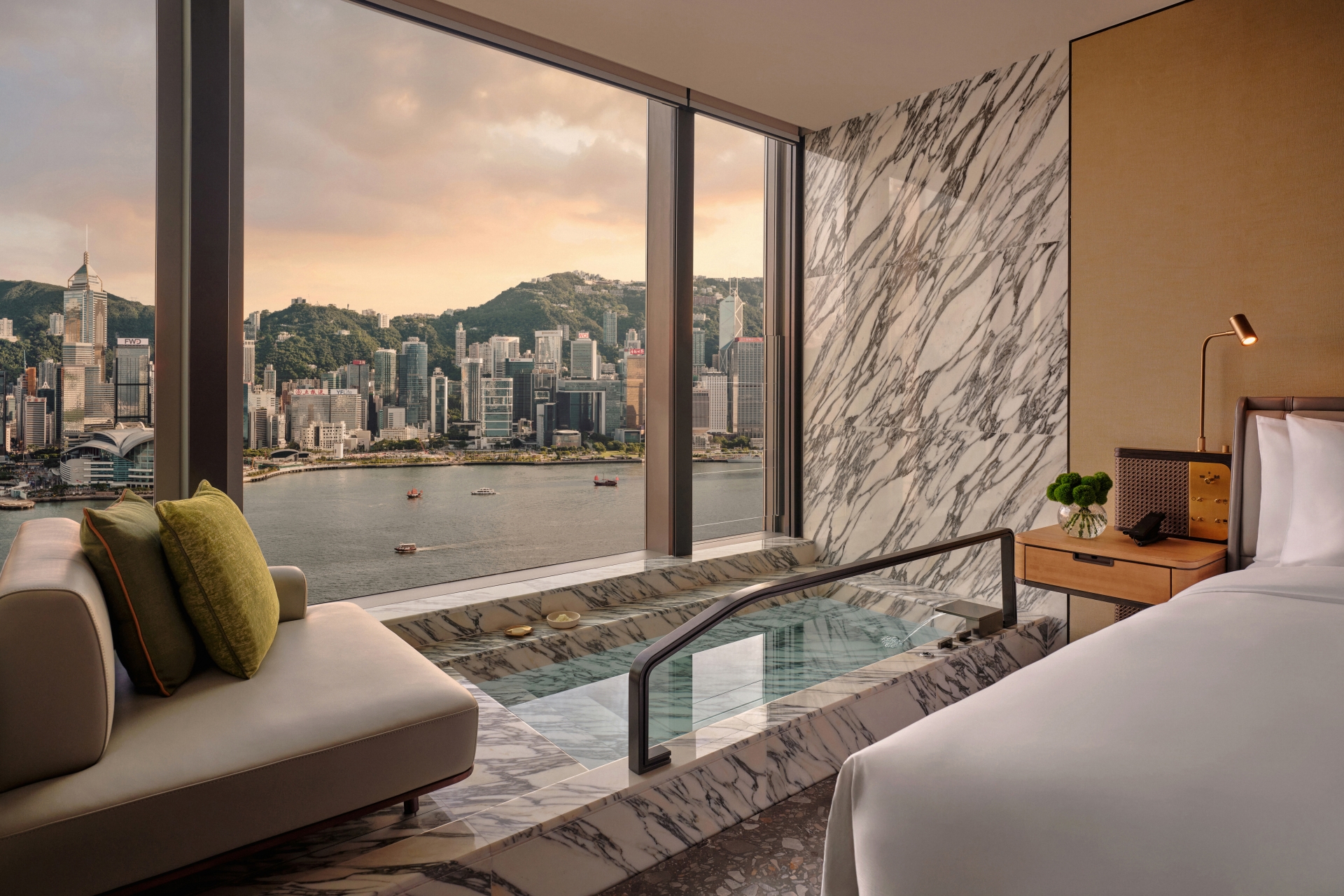
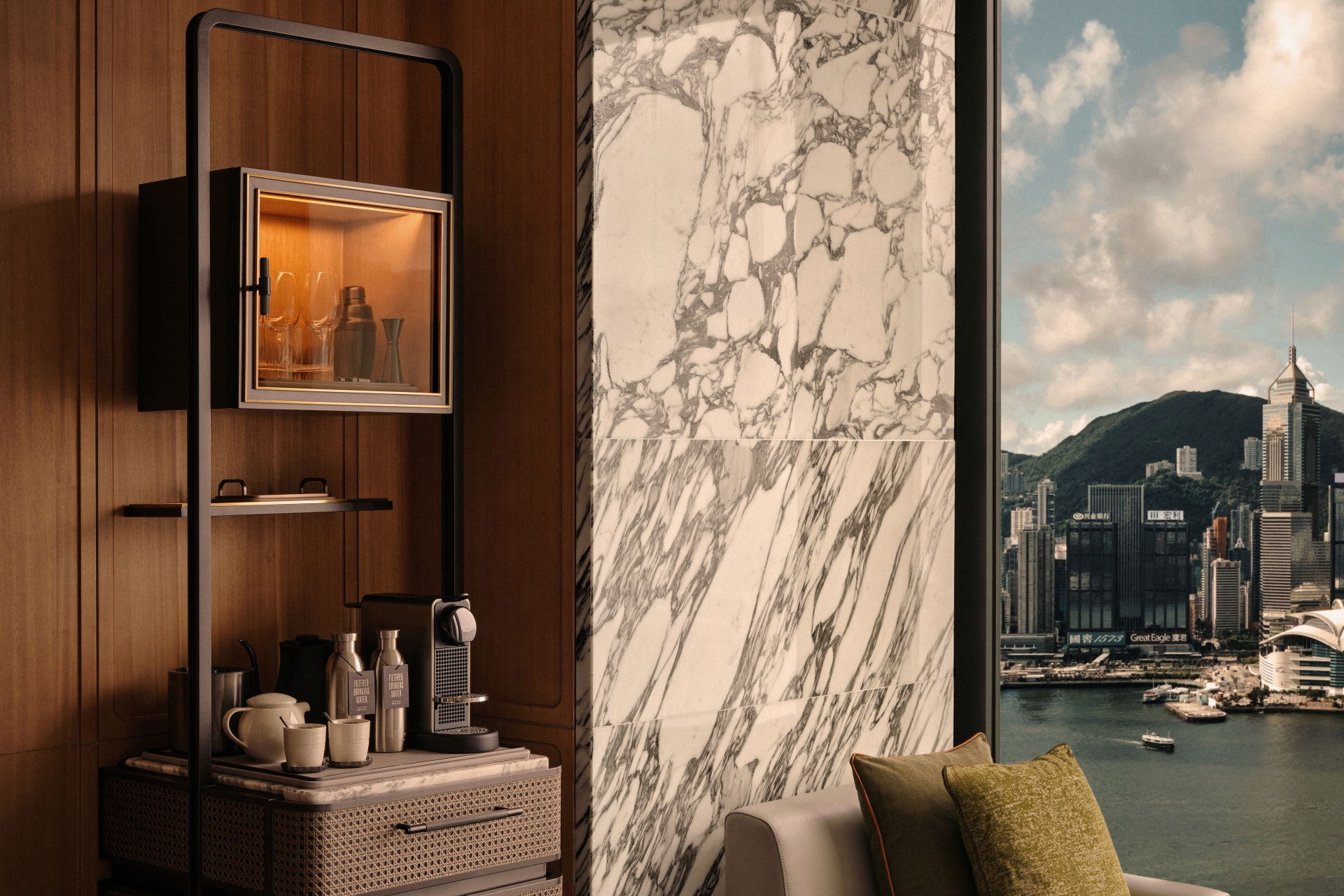
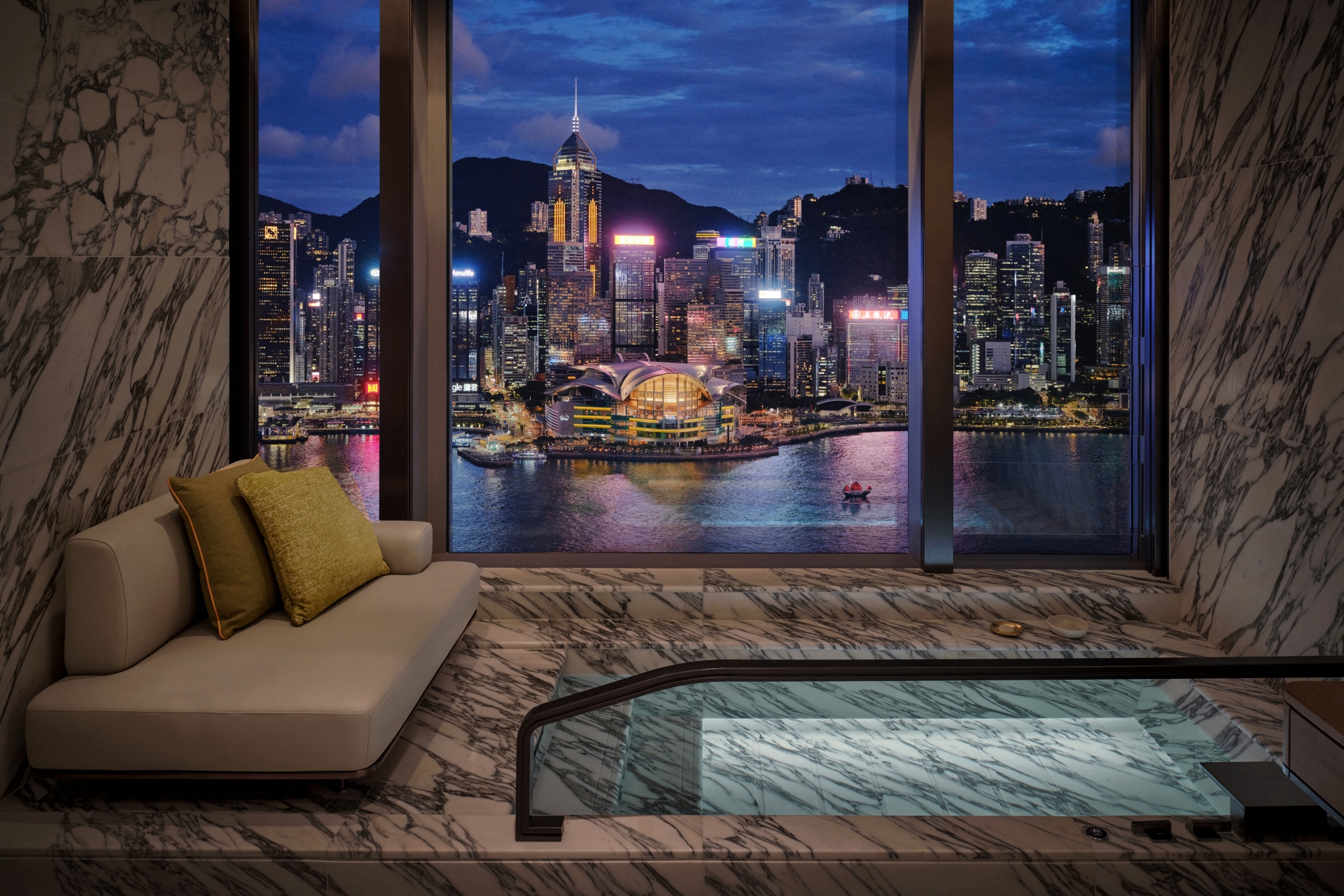
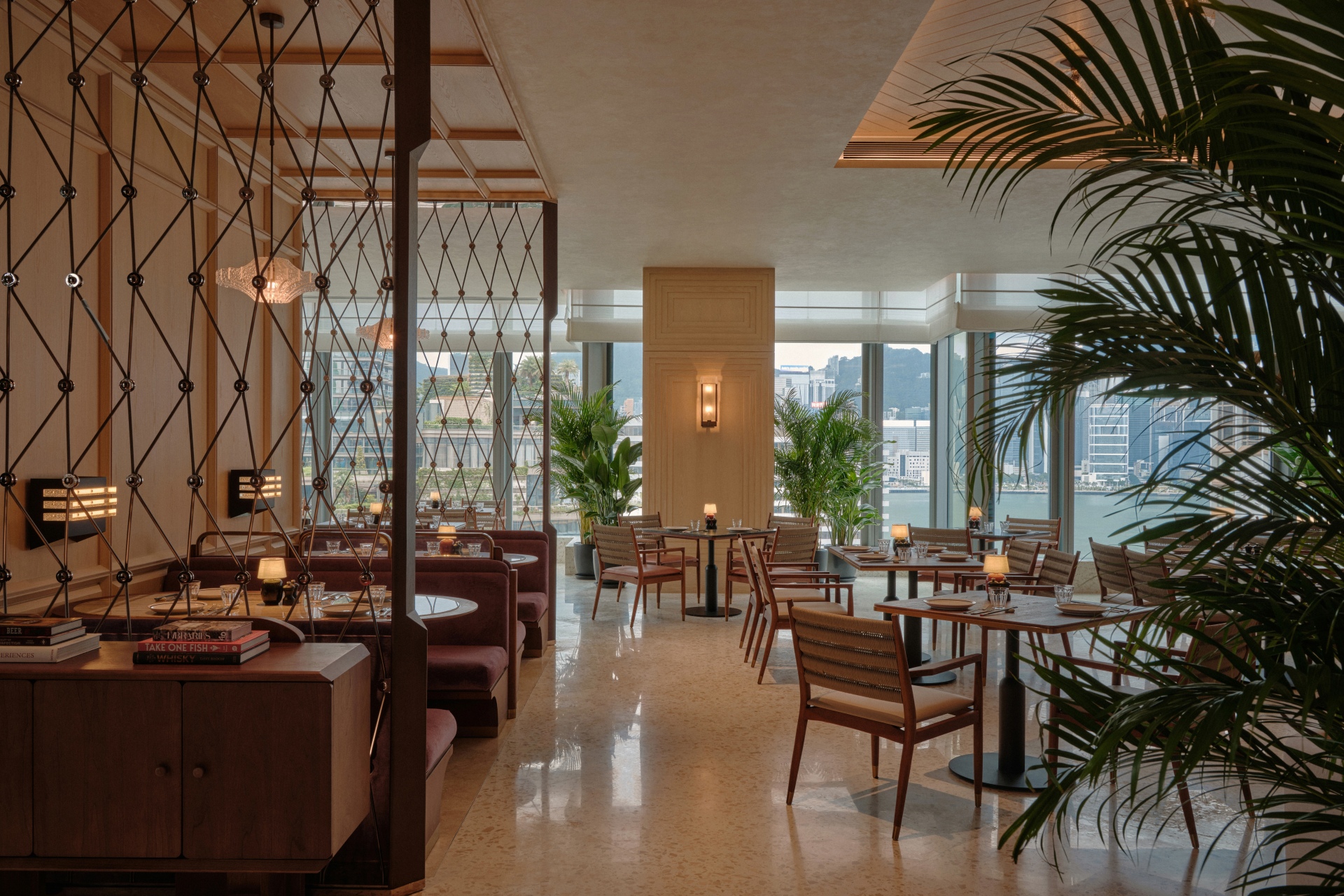
Dining threads through the experience in a fluid, social manner. Birdsong remains the constant pulse, while Hillside extends the cultural narrative through food. Deeply connected to the hotel's orbit is Jija, Vicky Lau’s - the chef behind two-Michelin-starred Tate Dining Room and one-star Mora - “love letter to Yunnan cuisine”.
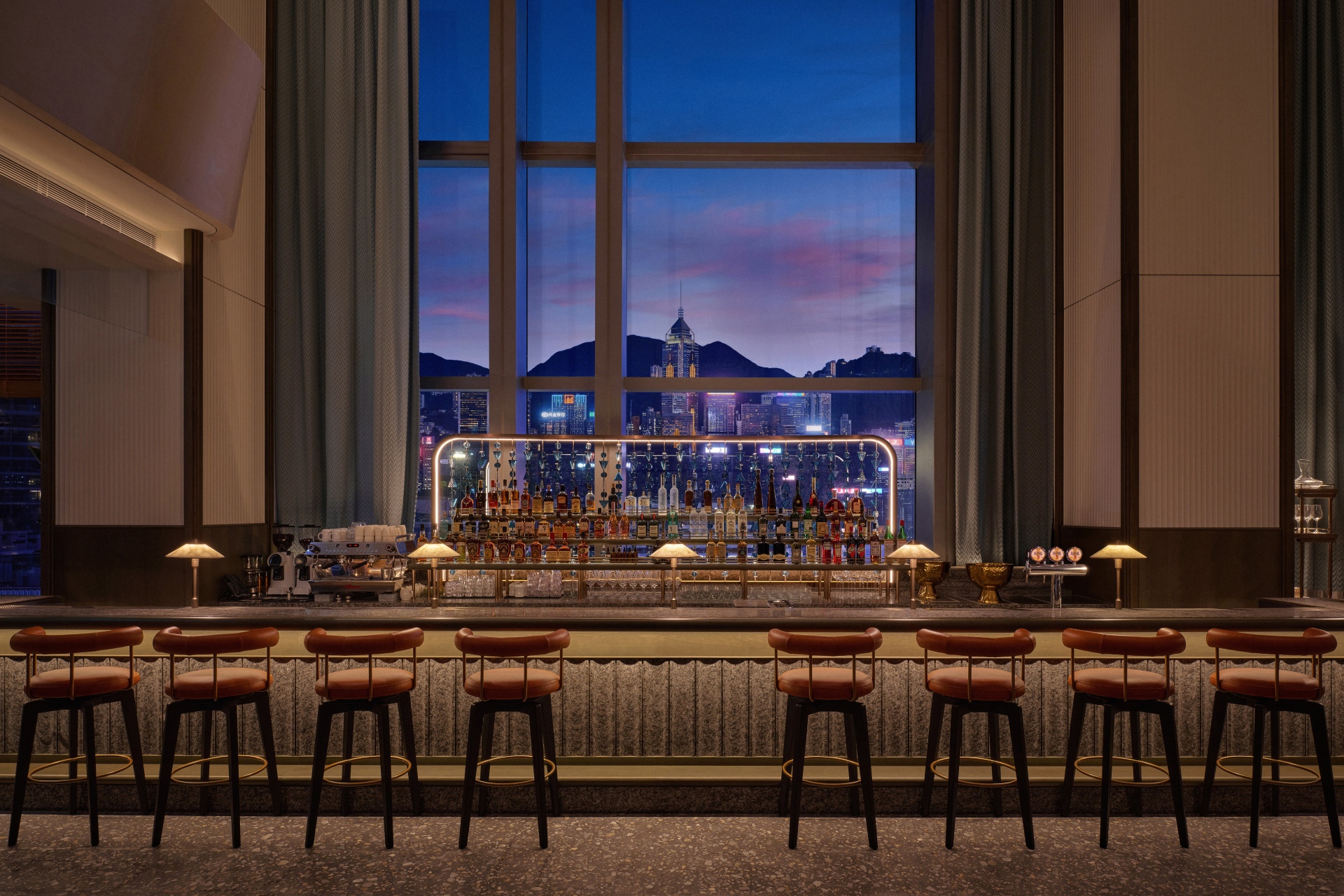
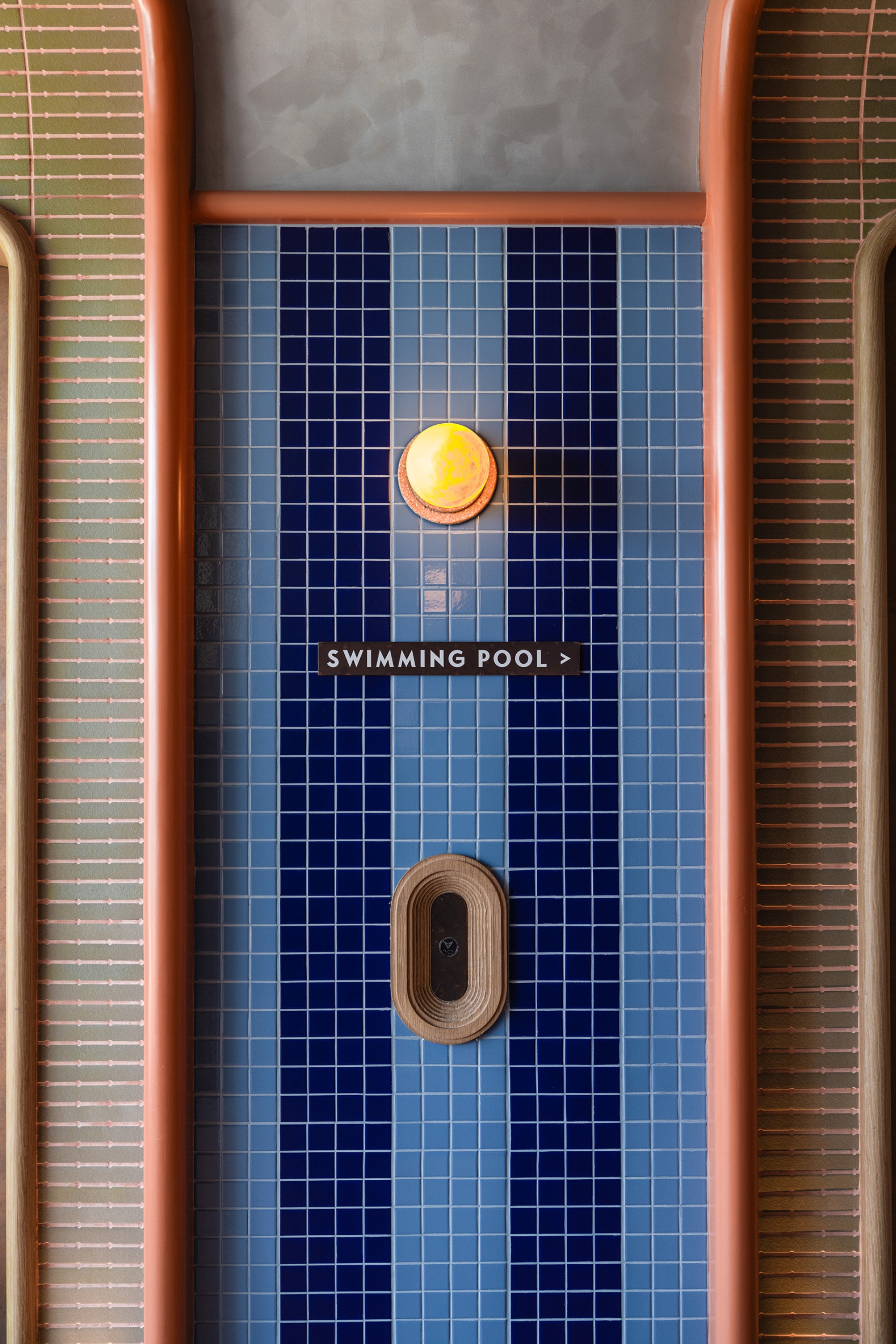
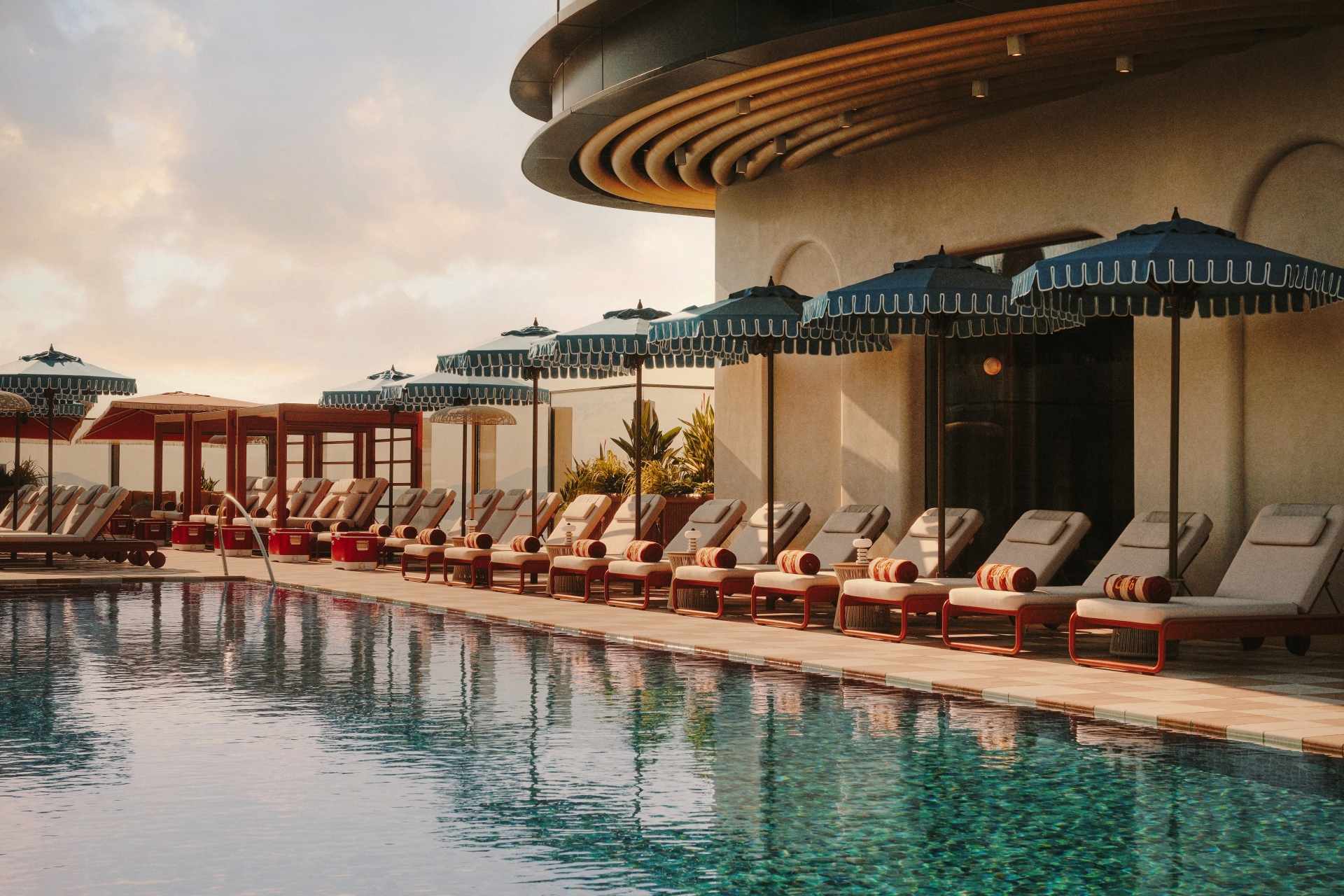
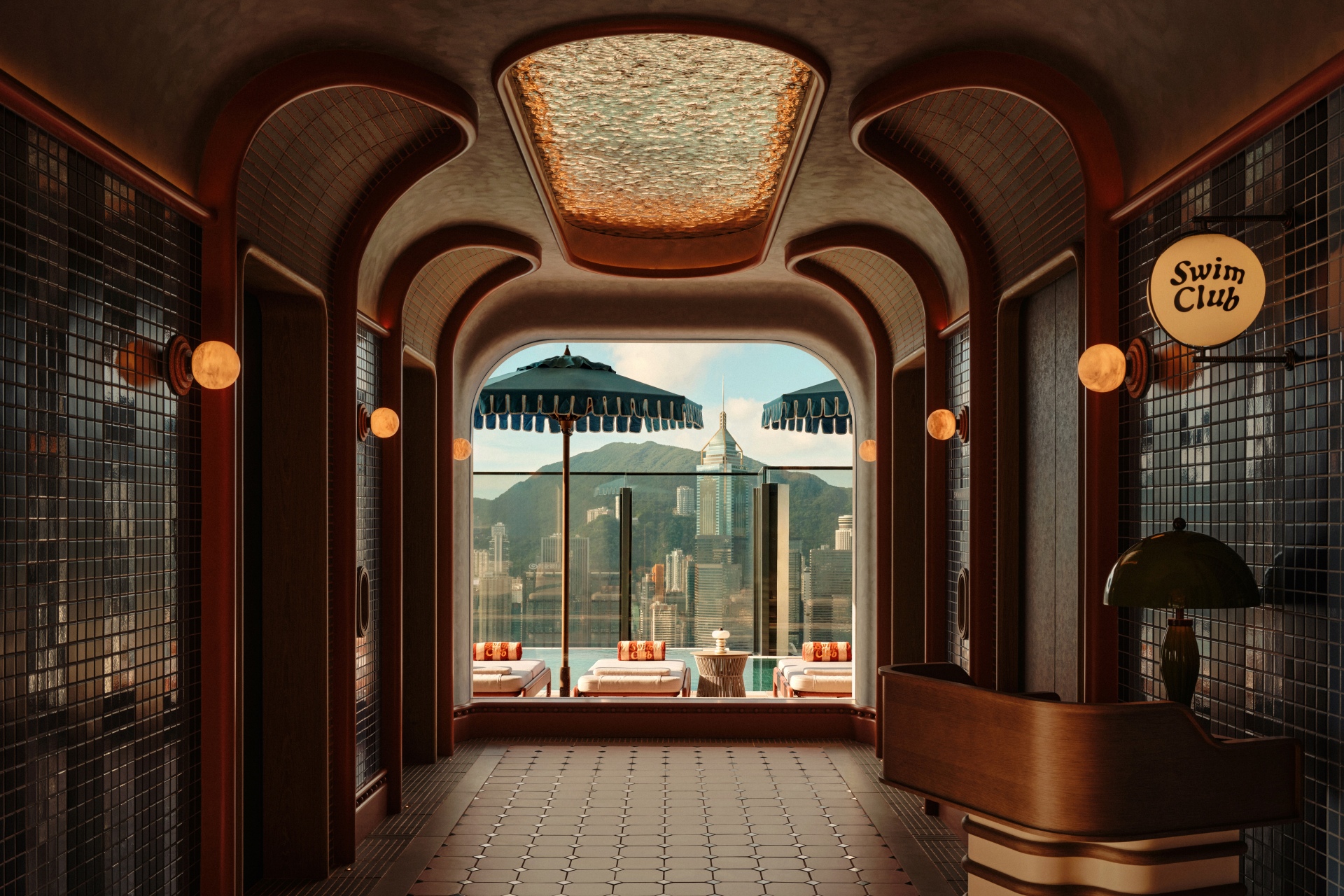
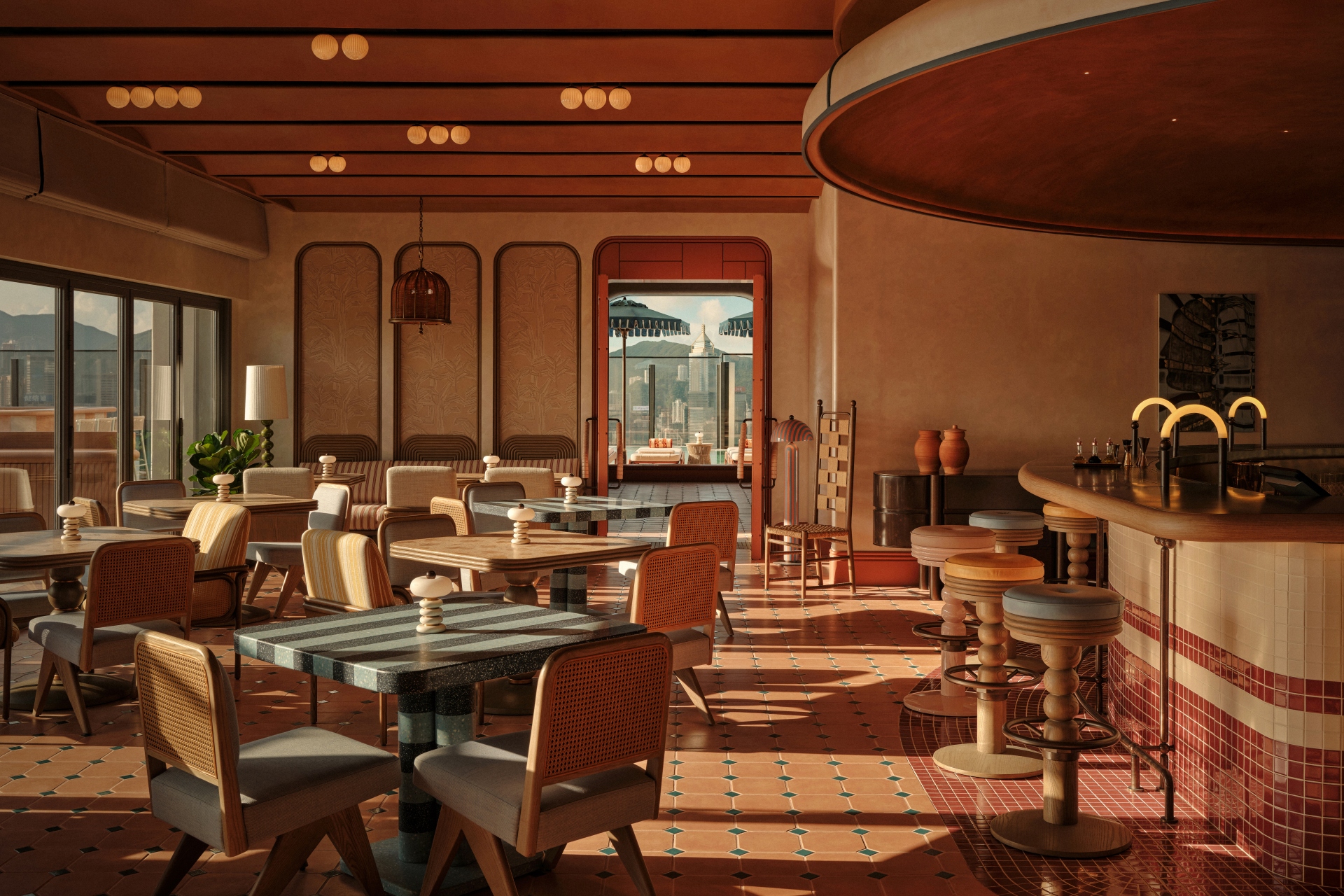
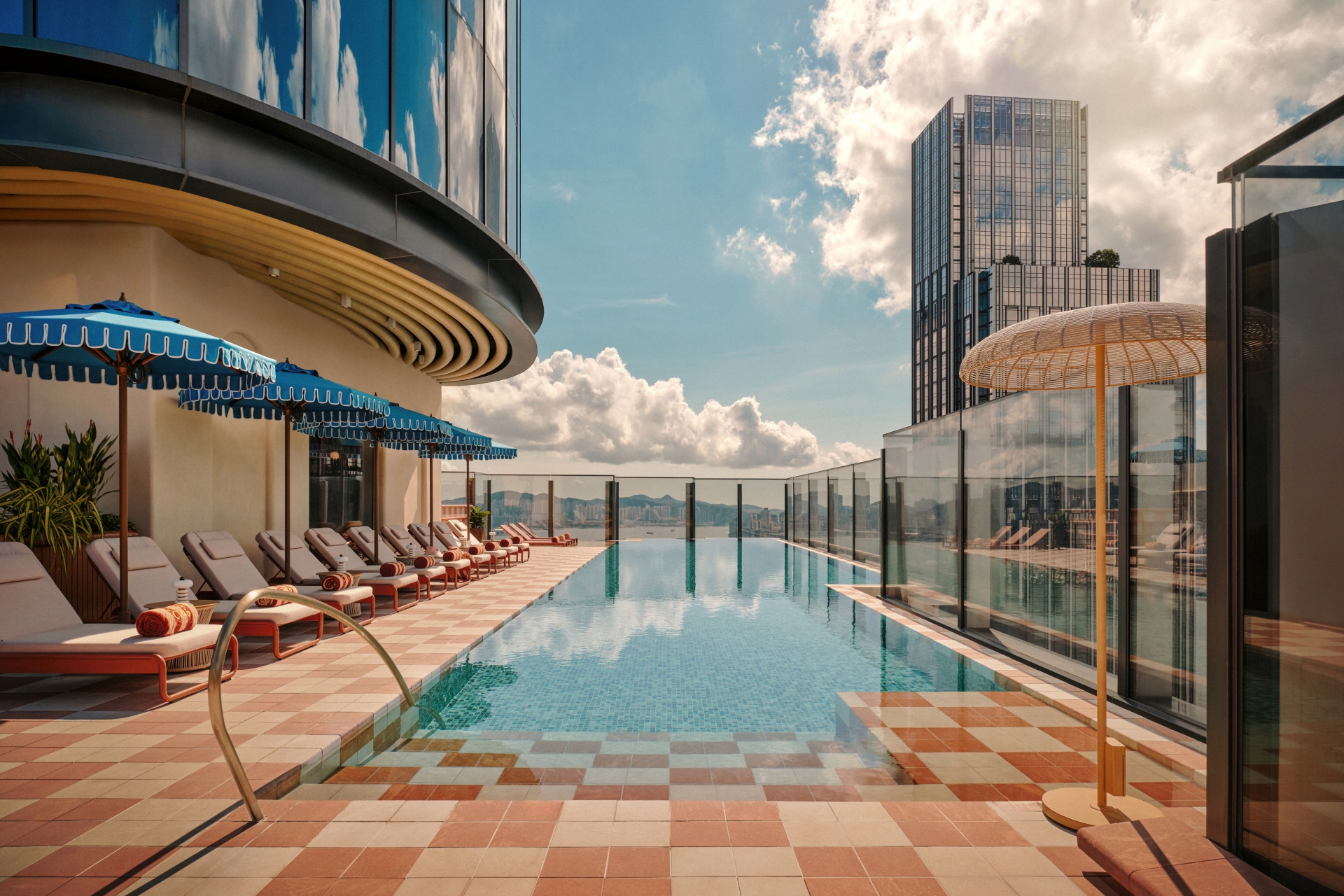
The final release occurs fifty floors up at The Swim Club. The atmosphere changes again: what was controlled becomes open, and what was cinematic becomes visceral. Here, the nautical undercurrents of the Mariners’ Club surface more playfully. It is a fluid scene - a bar, a club, a pool - shifting from sunlit and relaxed by day to tighter by night, with the city glowing back at itself.
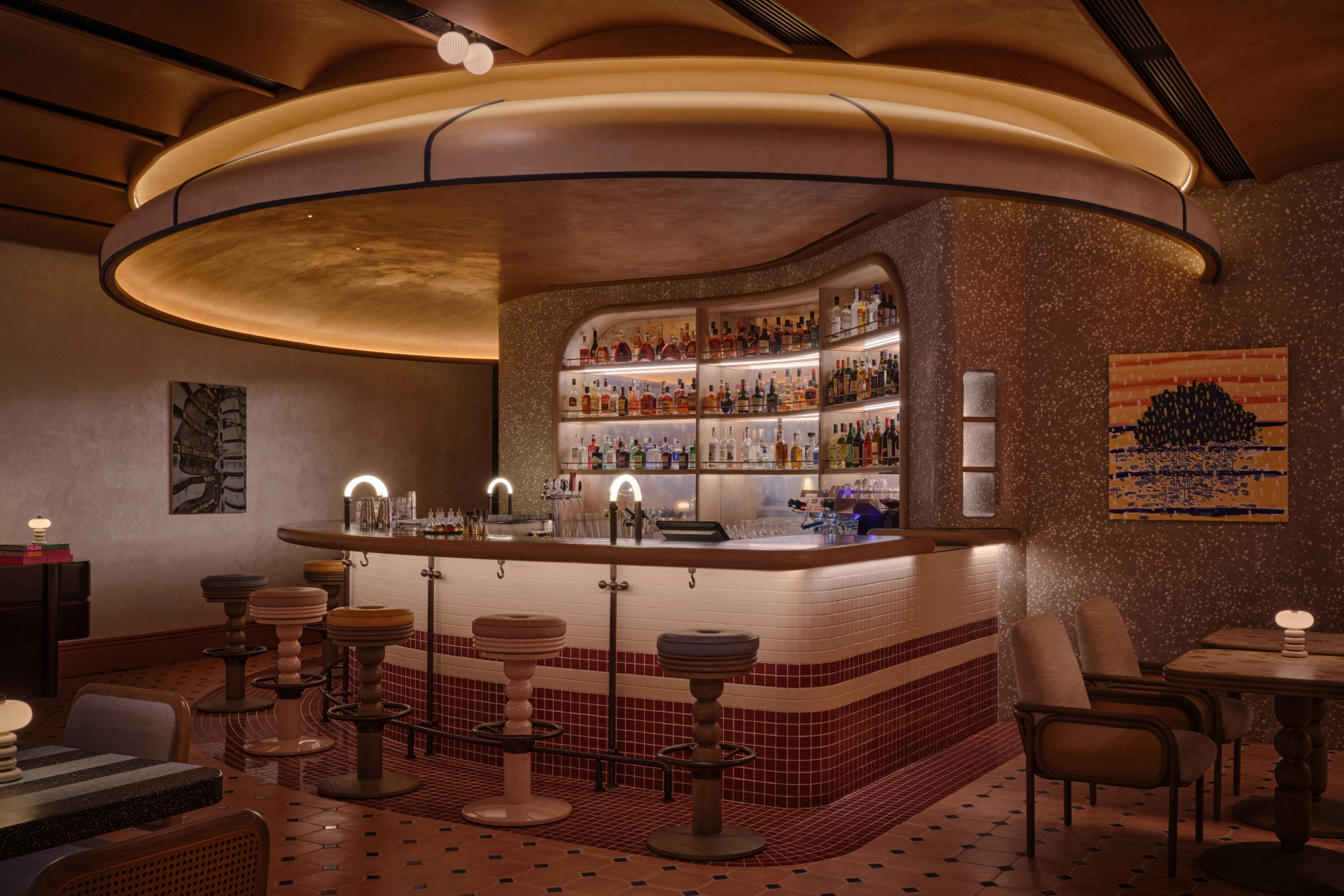
The sequence is sealed by a hidden detail: High Dive, a room revealed behind an unassuming vending machine. With just eight seats and a Baccarat chandelier, it is unexpected, surreal, and completely deliberate. Kimpton Tsim Sha Tsui is ultimately not about a single moment. It’s about sequence. It is a hotel that "edits, frames, and releases, one scene at a time. And just when you think you’ve understood it, it gives you one more.