PODCAST
WHAT MAKES A GOOD CONVERSATION? LOOK NO FURTHER THAN OUR ART OF THE CONVERSATION, FEATURING UNCONVENTIONAL STORIES AND PEOPLE WHO MOVE AND INSPIRE
LISTEN NOW


A Family Legacy of Riviera Chic
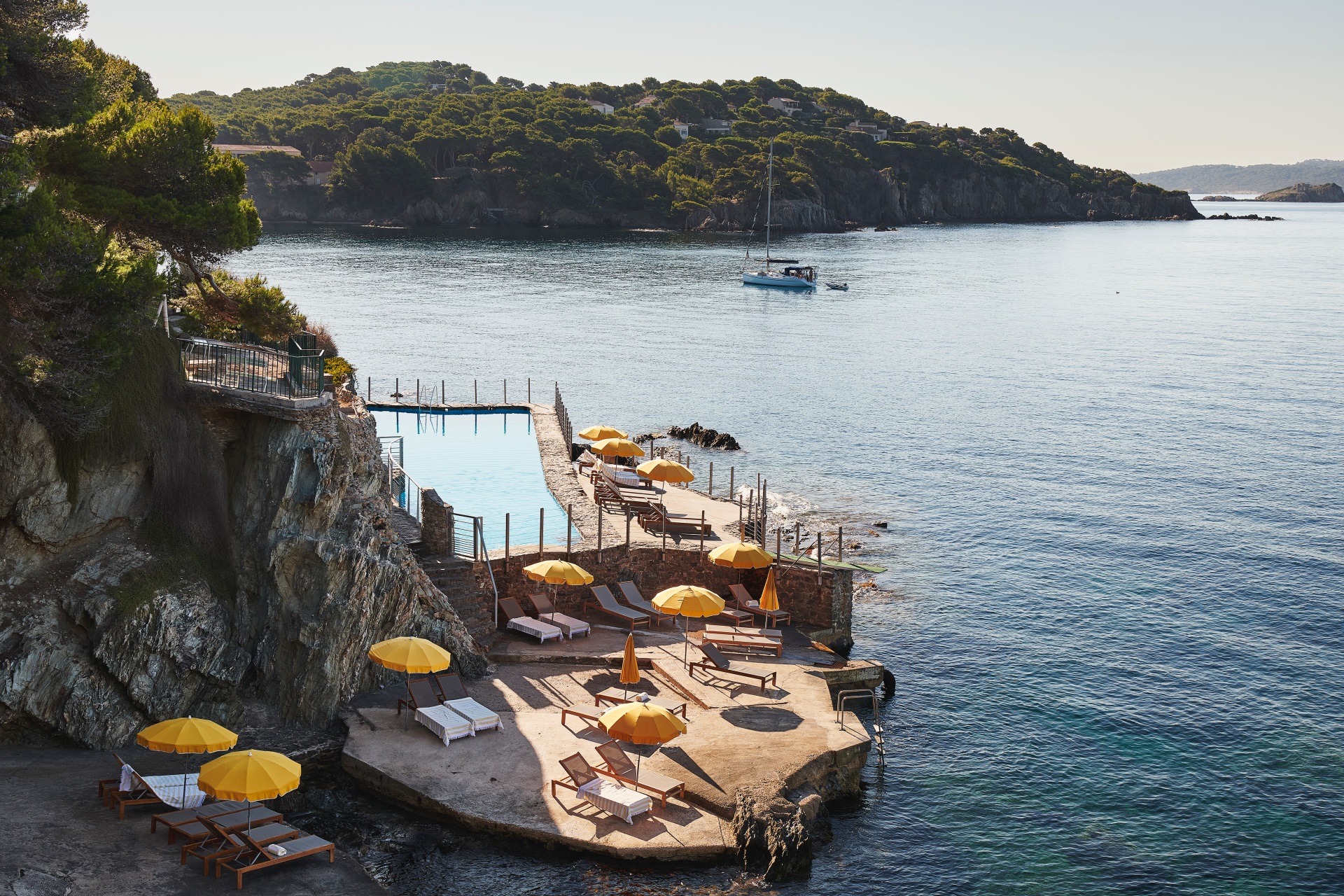
The hotel's story is deeply rooted in the golden age of the French Riviera. In the 1950s, Marius Michel, a former Head Chef from the famed Parisian cabaret Le Lido, recognized the exceptional potential of a rocky promontory in the village of Giens. He transformed a small property on Rue de l’Église into an elegant 43-room hotel—a grand ocean liner deck of a building overlooking the Mediterranean. Michel cultivated a legendary property, adding a two-hectare park lush with agapanthus and mimosas, two summer restaurants, and an iconic, seawater swimming pool carved directly into the rock.
During its heyday, Le Provençal became a discrete haunt for Parisian and local elite. Guests, including Marie-Laure de Noailles and dancers from the Lido, savored gourmet meals in the dining room and sipped pastis at the Bar du Soleil. The hotel’s authentic charm—and the later addition of a brasserie by Marius’s daughter, Claude Michel, and her pastry chef husband, Jean-Paul Piffet—cemented its status as a beloved, grand family home. It also became a cultural hub, hosting early editions of the Hyères Fashion Festival and, later, drawing interior designers and architects like Andrée Putman and John Galliano for the Design Parade launched by the Villa Noailles.
A New Chapter in Design
In 2012, the third generation, brothers Damien and Benjamin Piffet, embraced the family legacy. The culmination of their vision arrived in 2024, with a comprehensive renovation overseen by Damien’s partner, Julie Liger, who serves as the artistic director for all Provençal projects. Liger’s discerning eye naturally turned to designer and interior architect Rodolphe Parente. Already familiar with the historic Lucien David-designed building, Parente was tasked with a revival that would honor the past while meeting the expectations of a new era. His design philosophy drew deeply from 1950s Provence, the effortless glamour of the Riviera, and the theatrical world of dance and performance—a subtle nod to Marius Michel’s roots at the Lido.
The Architecture of Atmosphere
Parente’s transformation is a masterclass in atmospheric design.
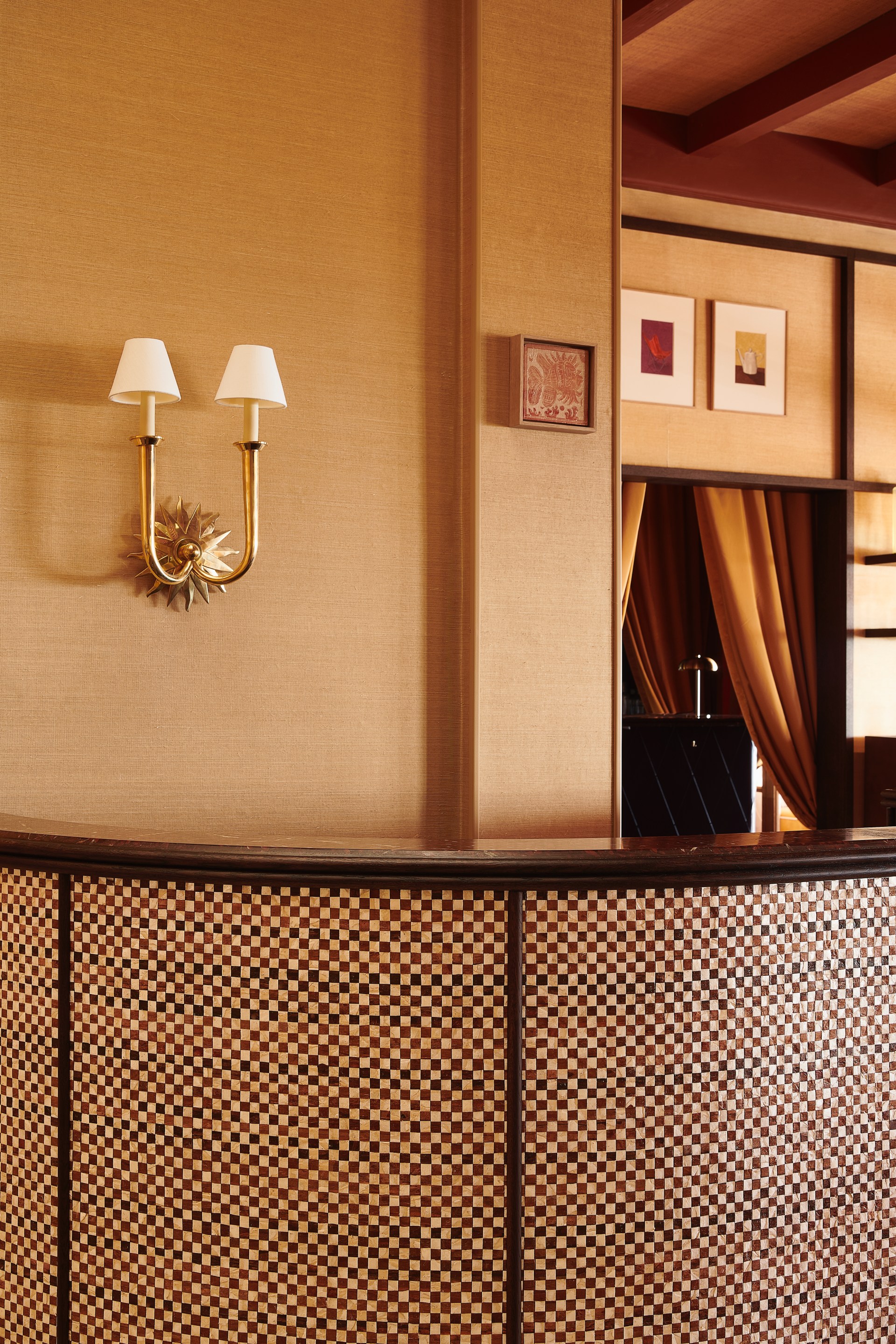
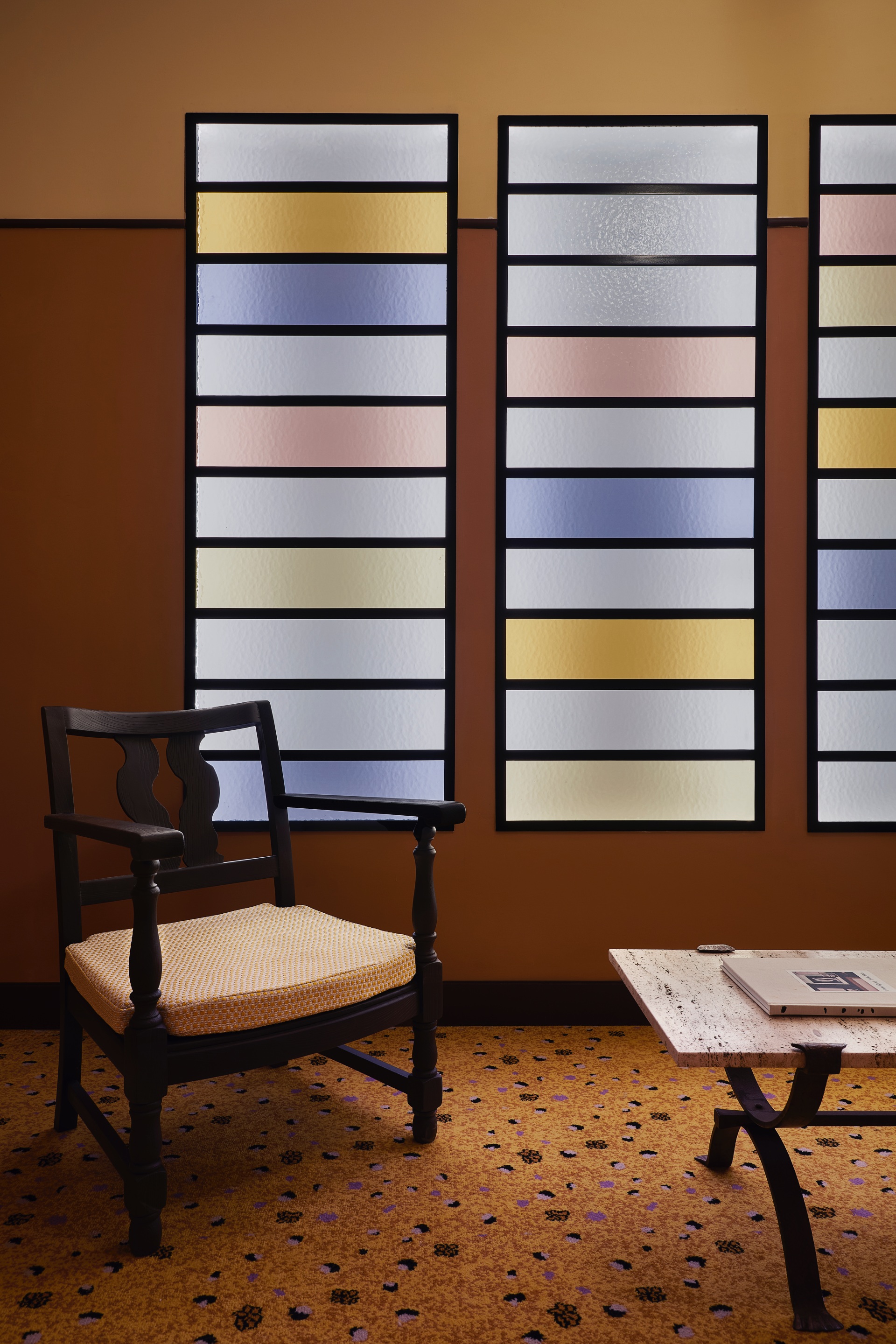
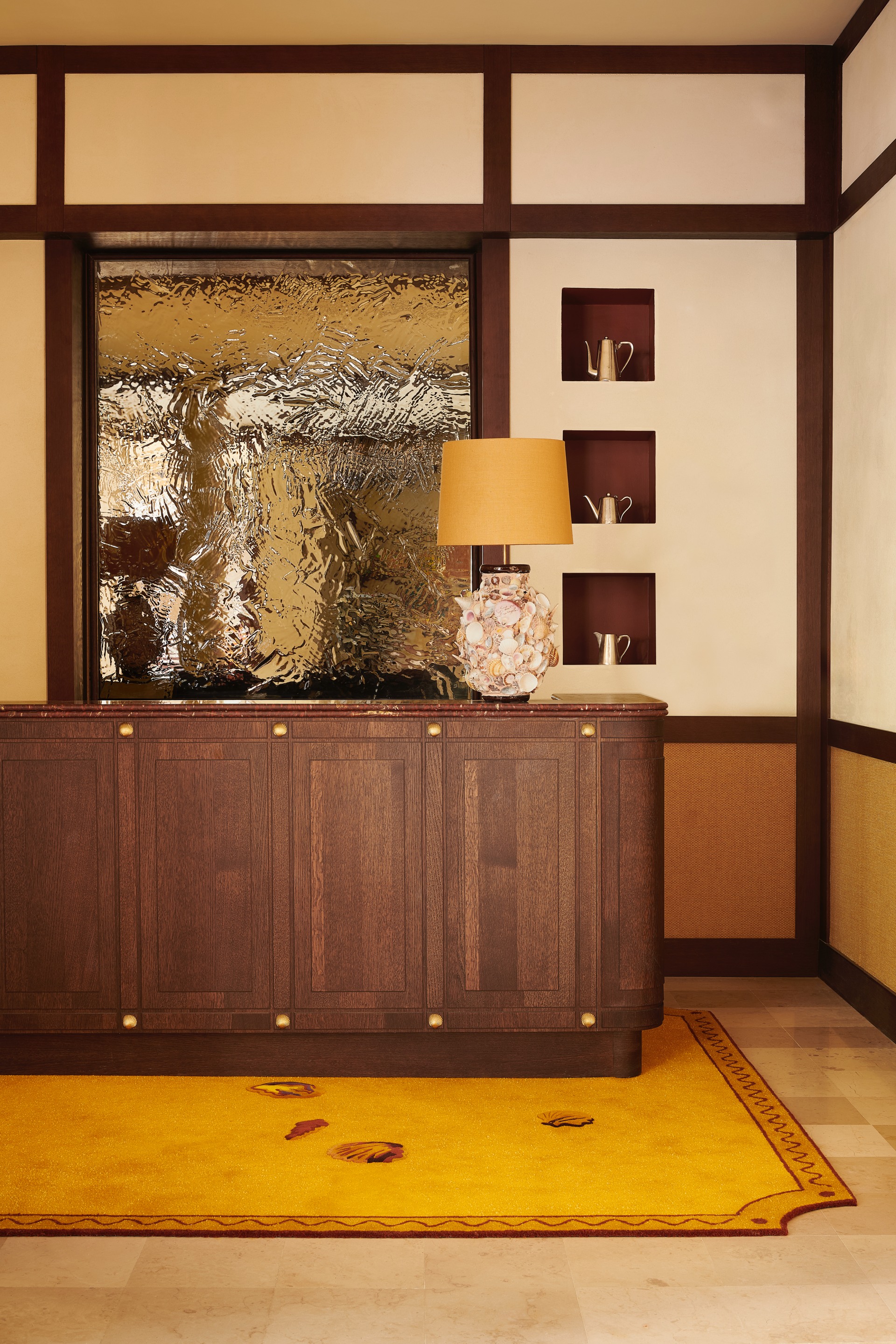
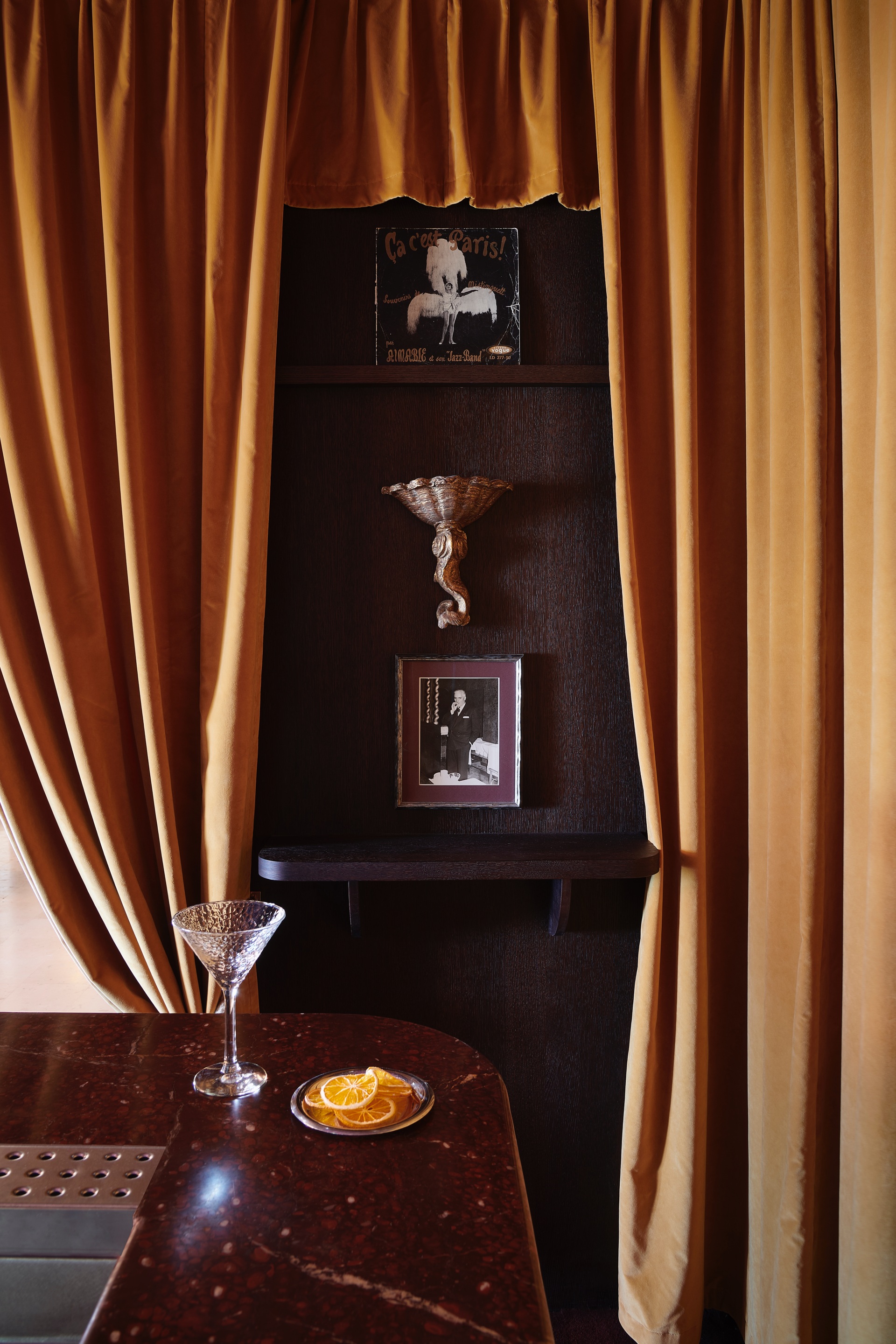
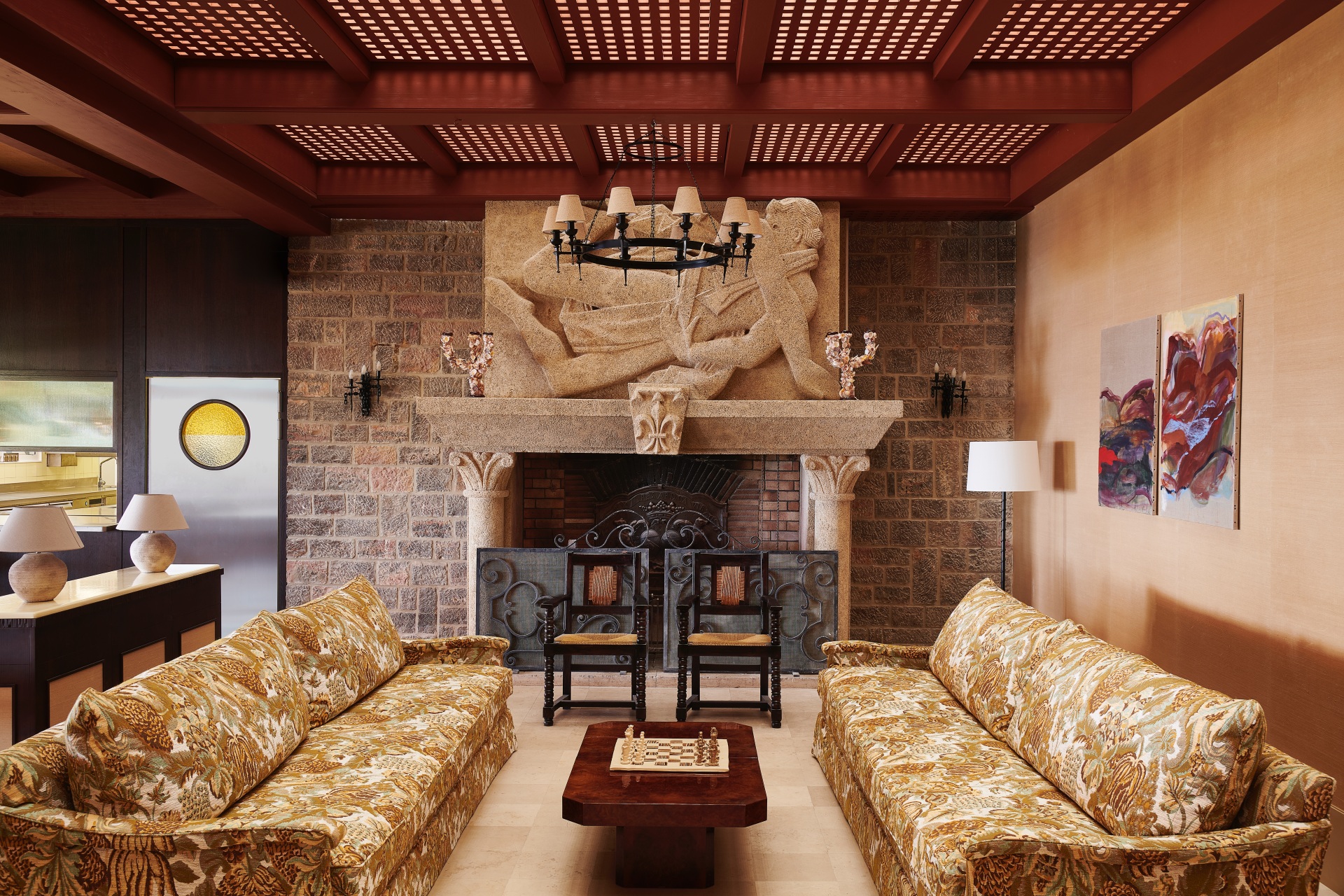
The Lobby and Lounge: Guests are welcomed into a warm, shadowy atmosphere defined by deep cherry red and dark oak tones. The adjacent lounge is a study in rustic elegance, showcasing traditional craftsmanship through black iron chandeliers, a massive original fireplace, and lattice ceilings juxtaposed with textured, straw-covered walls. The Pocket Bar, a cozy, velvet-lined space, serves as a deliberate tribute to the Lido. Throughout the public spaces, the strategic use of curtains and wall fabrics introduces a touch of theatre, amplifying the hotel's artistic spirit. Nautical motifs—porthole windows, shell-shaped accents, and soft, patterned carpets—subtly recall the carefree post-war charm of the coast.
The Provençal Brasserie: The village-side brasserie retains its original counter and Pierre Pascalet enamel tiles, but has been invigorated with a new palette of lemon yellow, Prussian green skai panels, and a bold lilac on the banquettes.
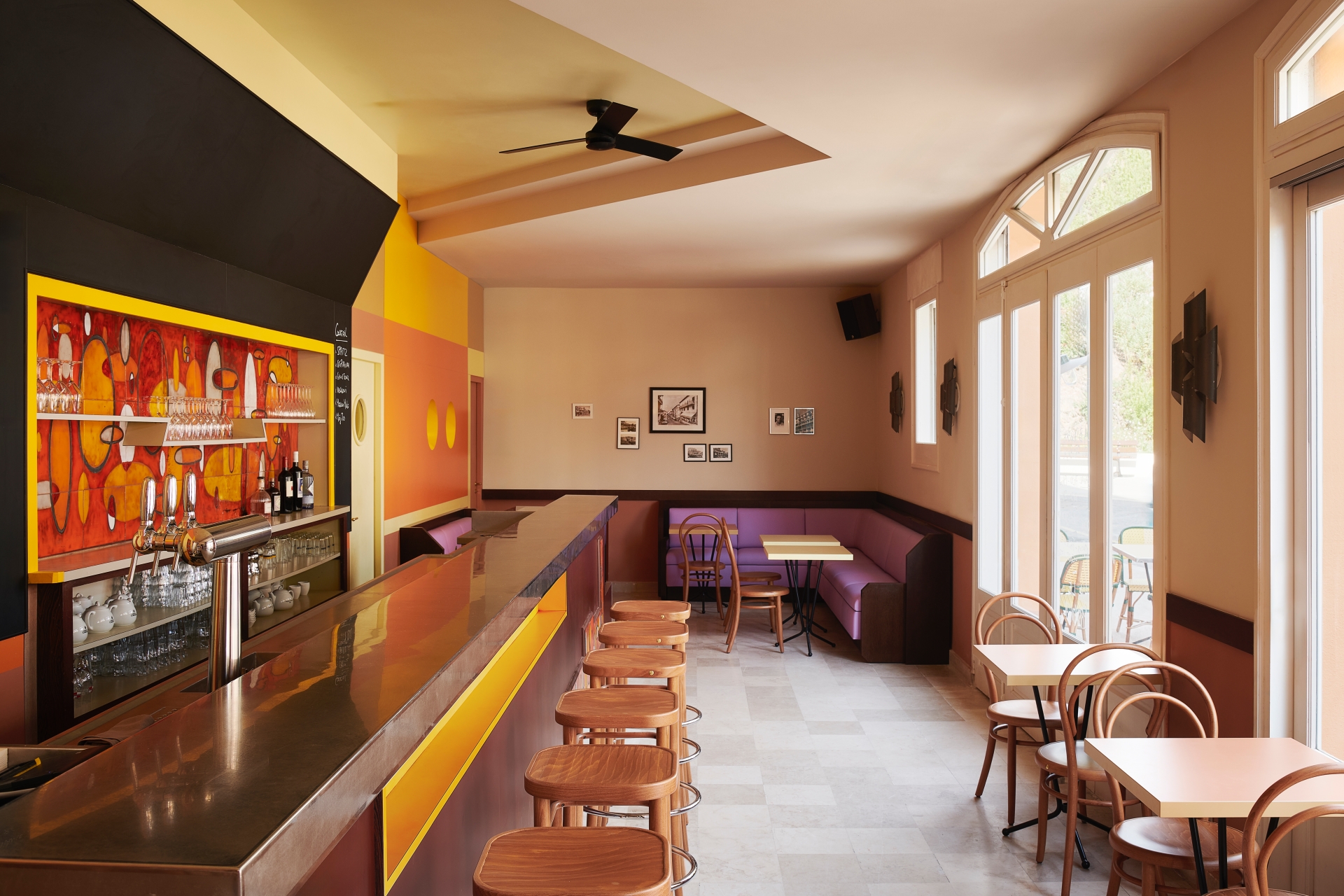
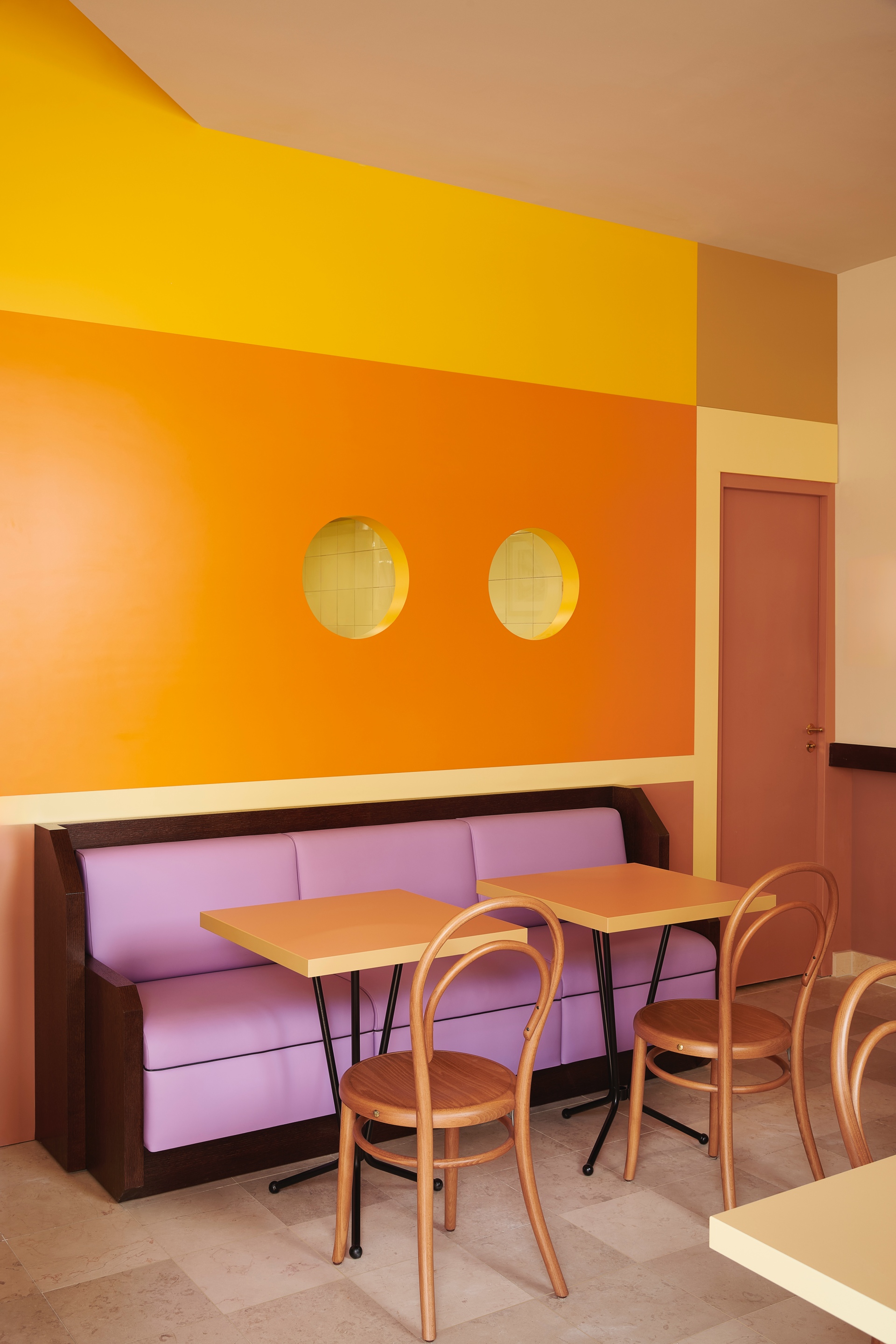
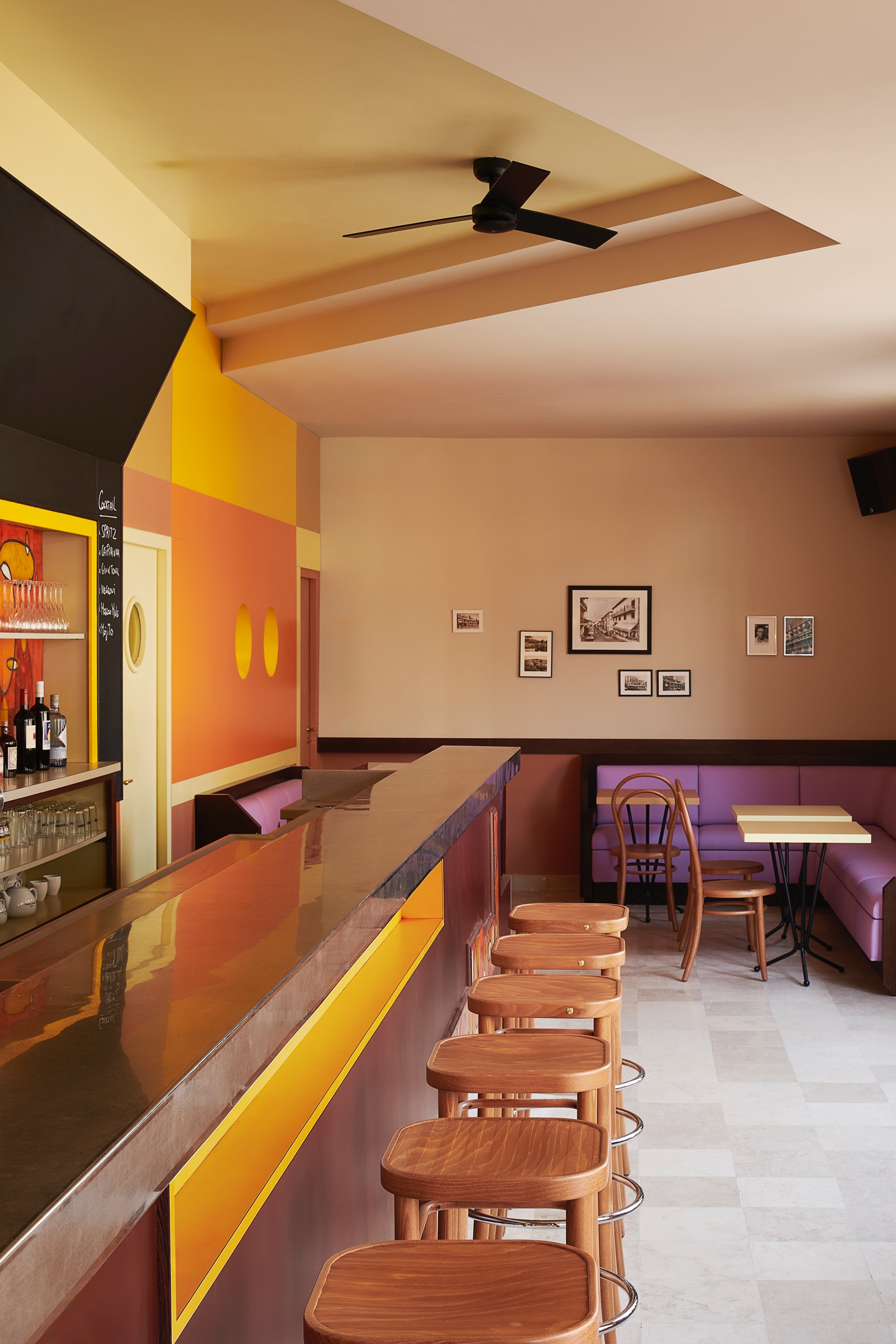
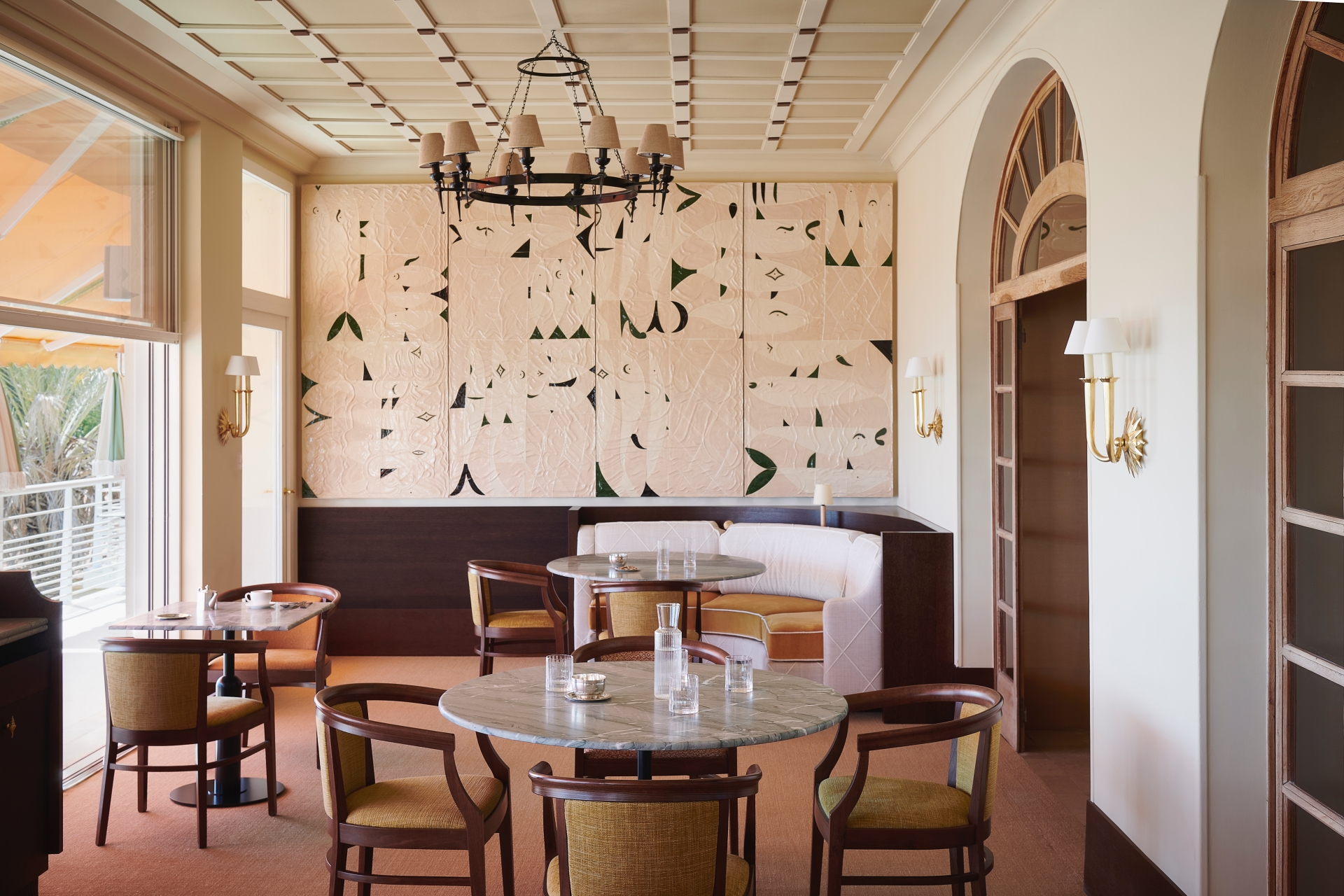
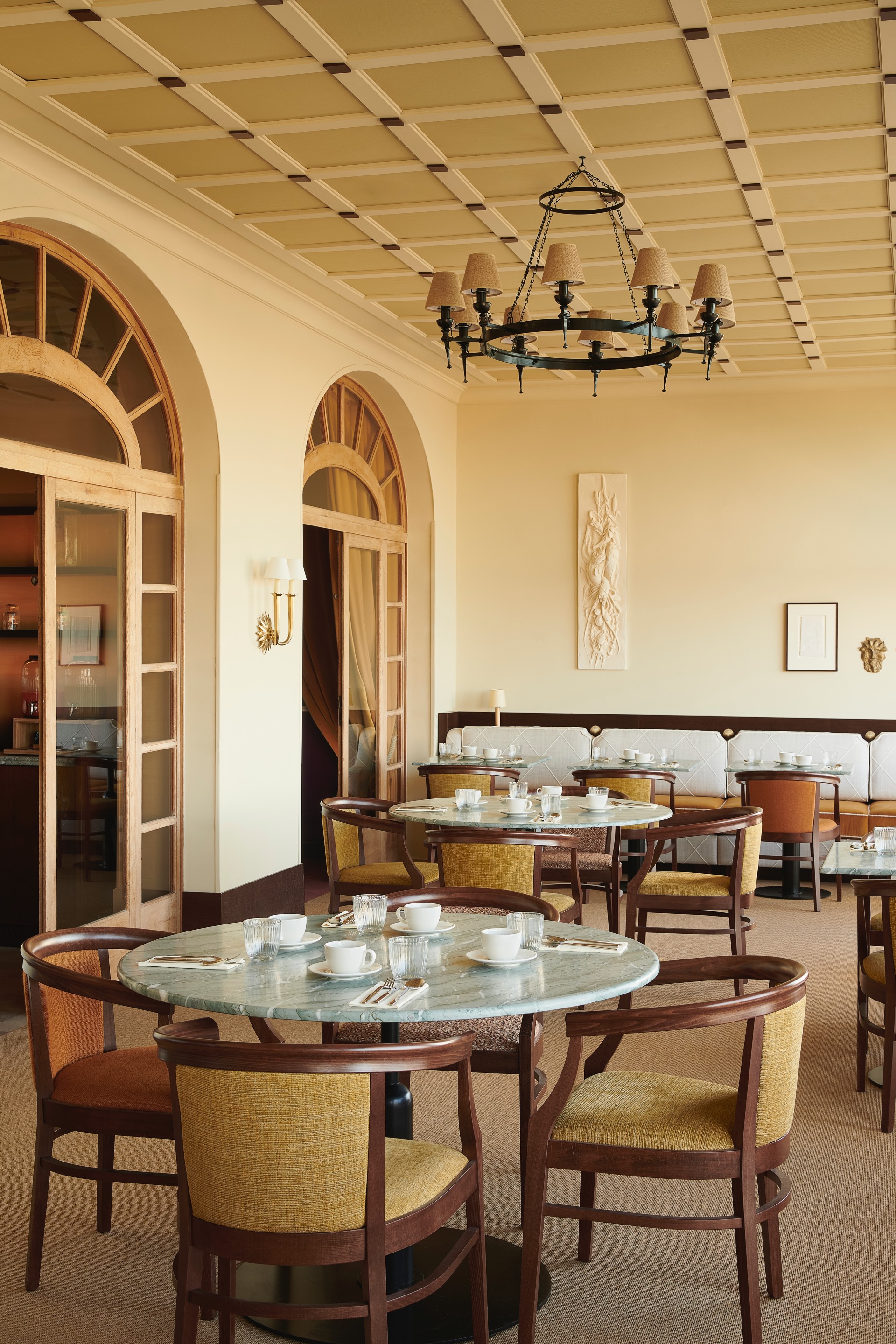
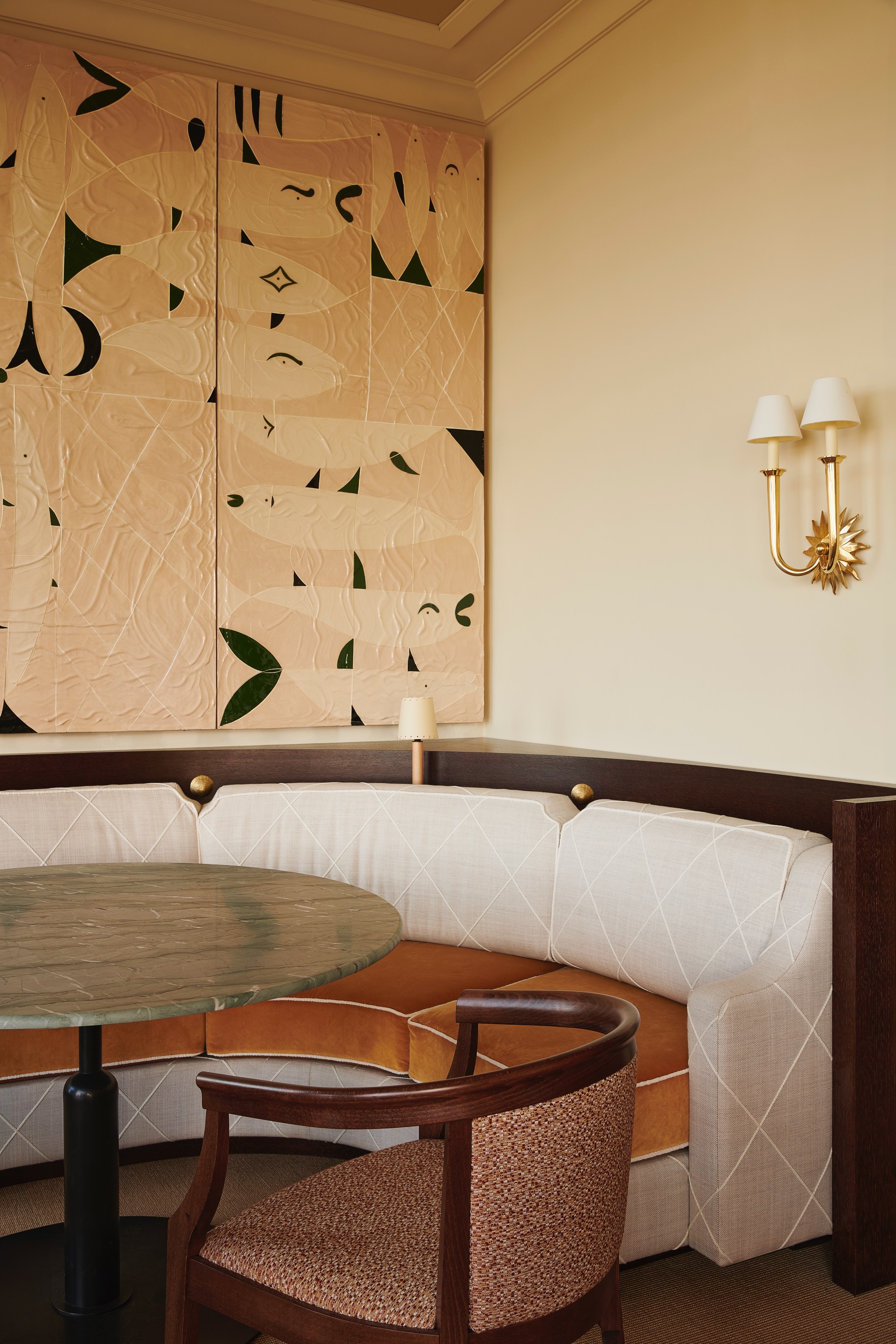
La Rascasse: Facing the sea, the gourmet restaurant, La Rascasse, is a refined celebration of its culinary heritage. The bright winter garden features clean, minimalist lines with coffered ceilings, carved wooden table legs, and Royère-style banquettes with distinctive crisscross supports. The dining experience extends onto a covered terrace shaded by elegant, flowing fabric sails.
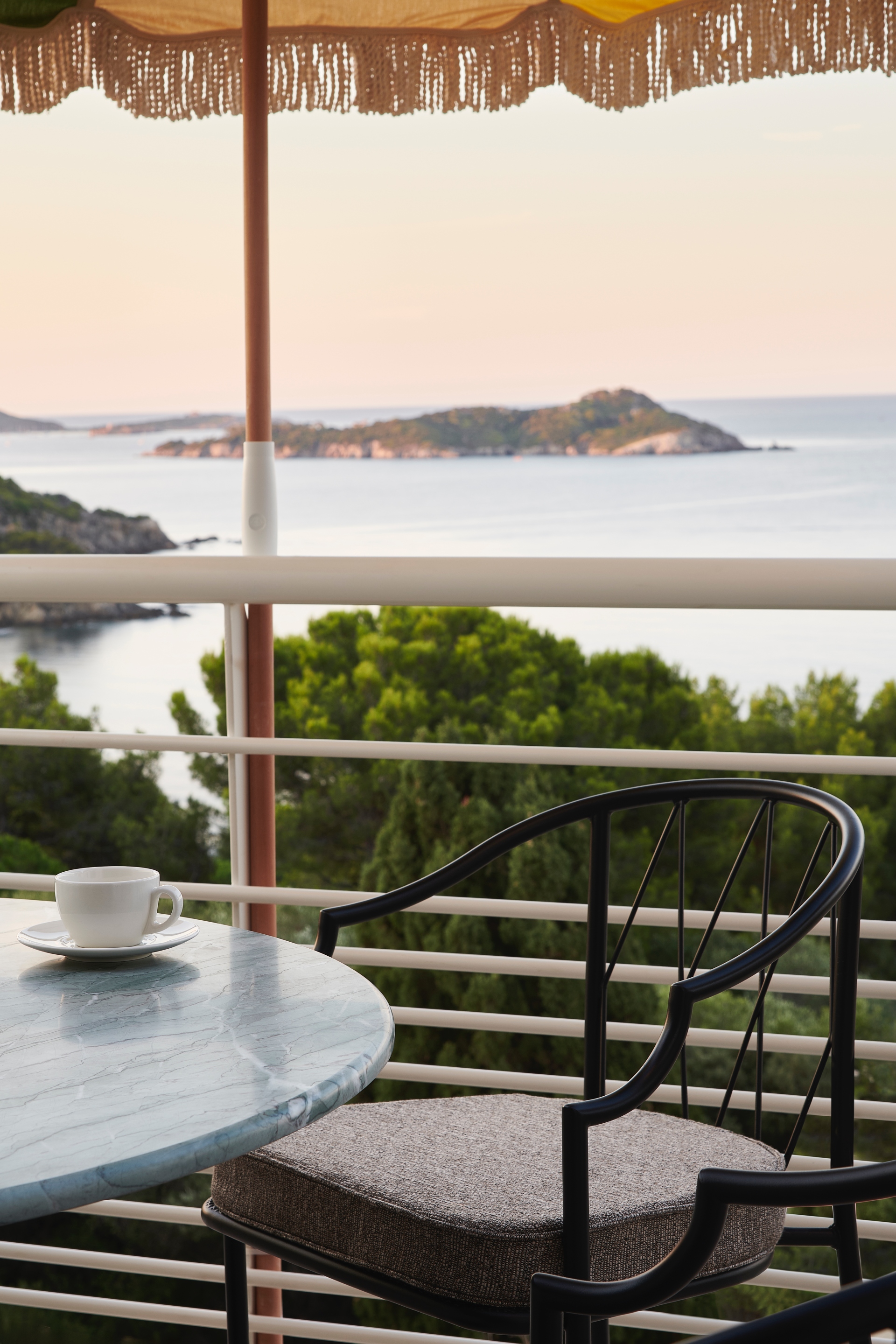
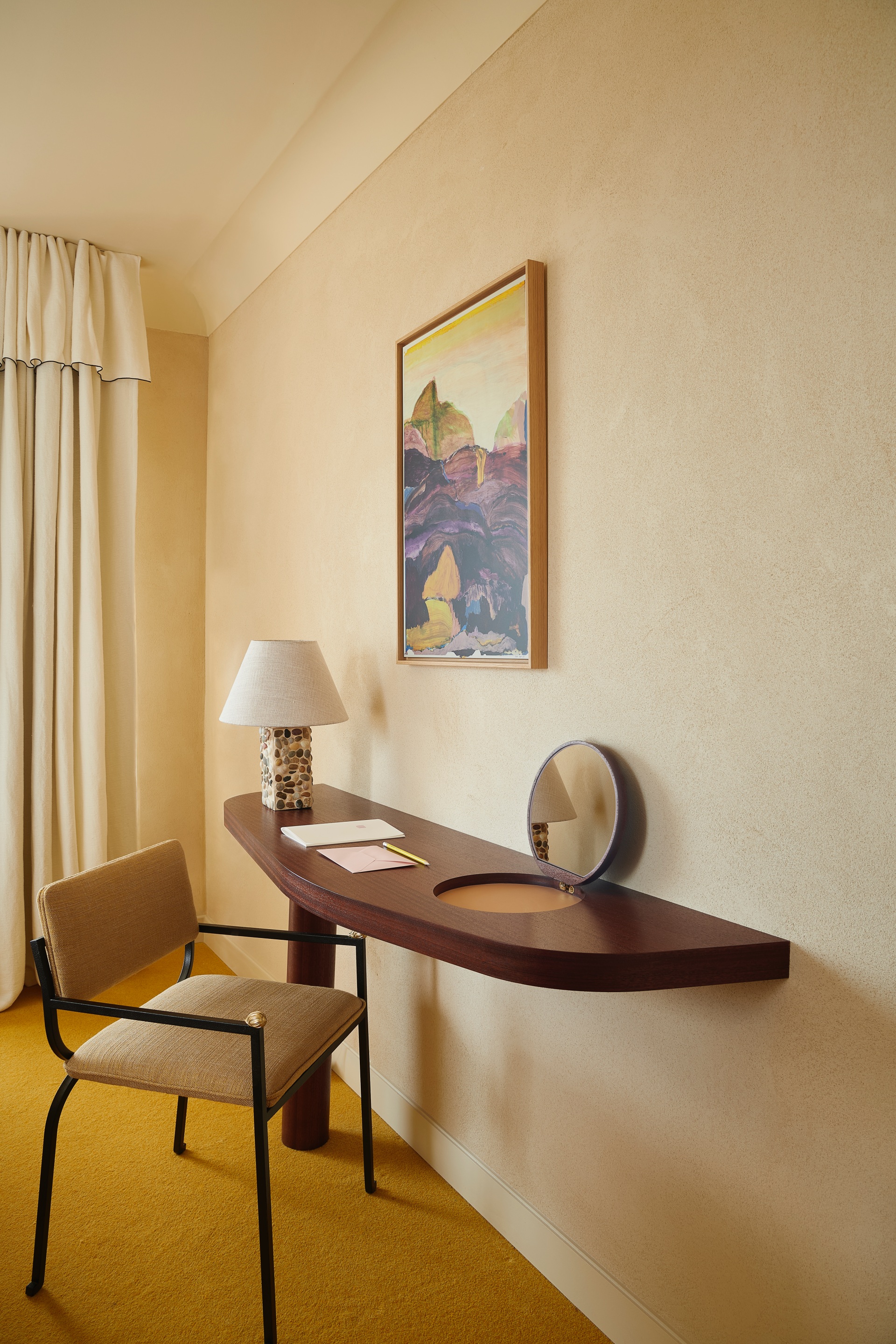
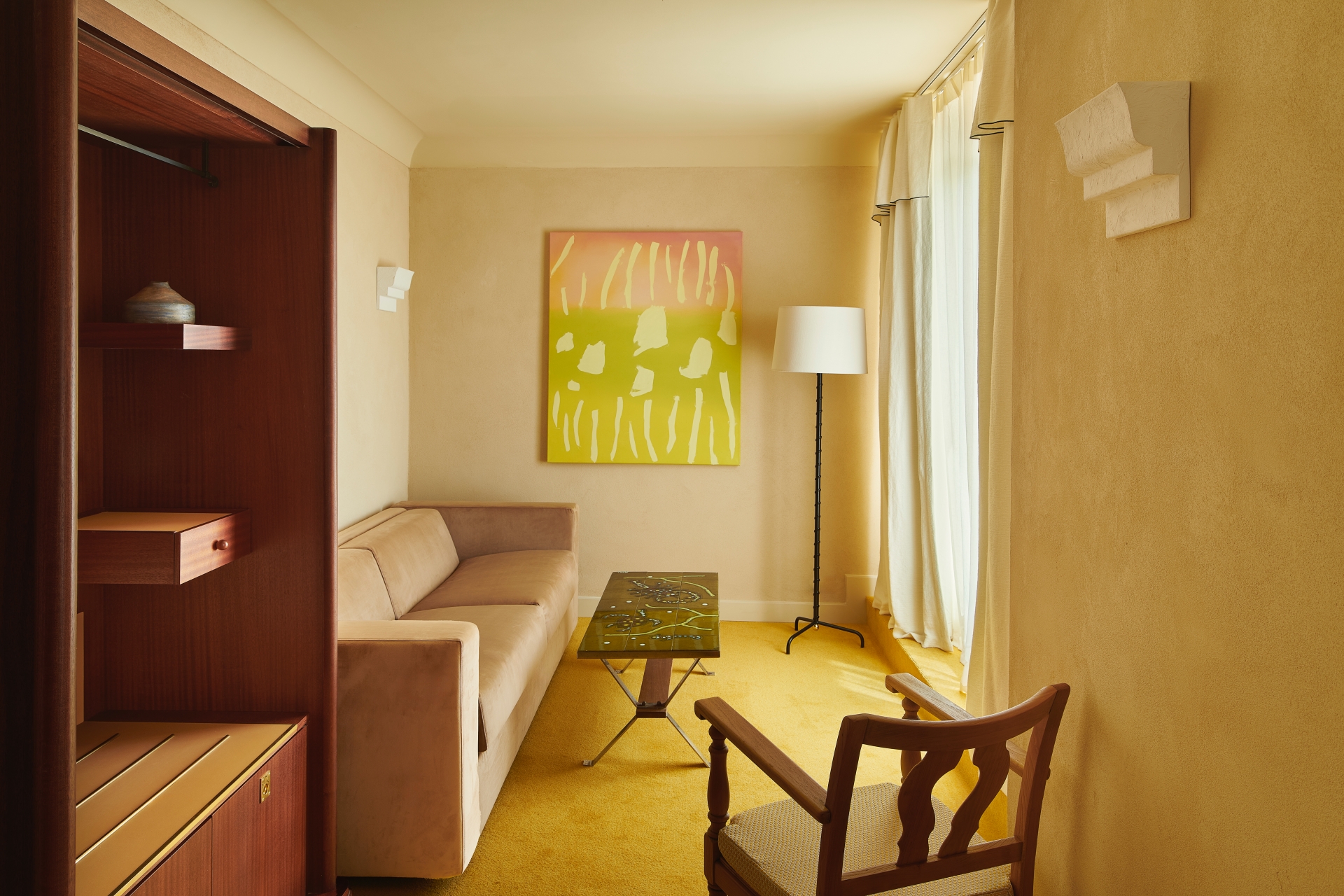
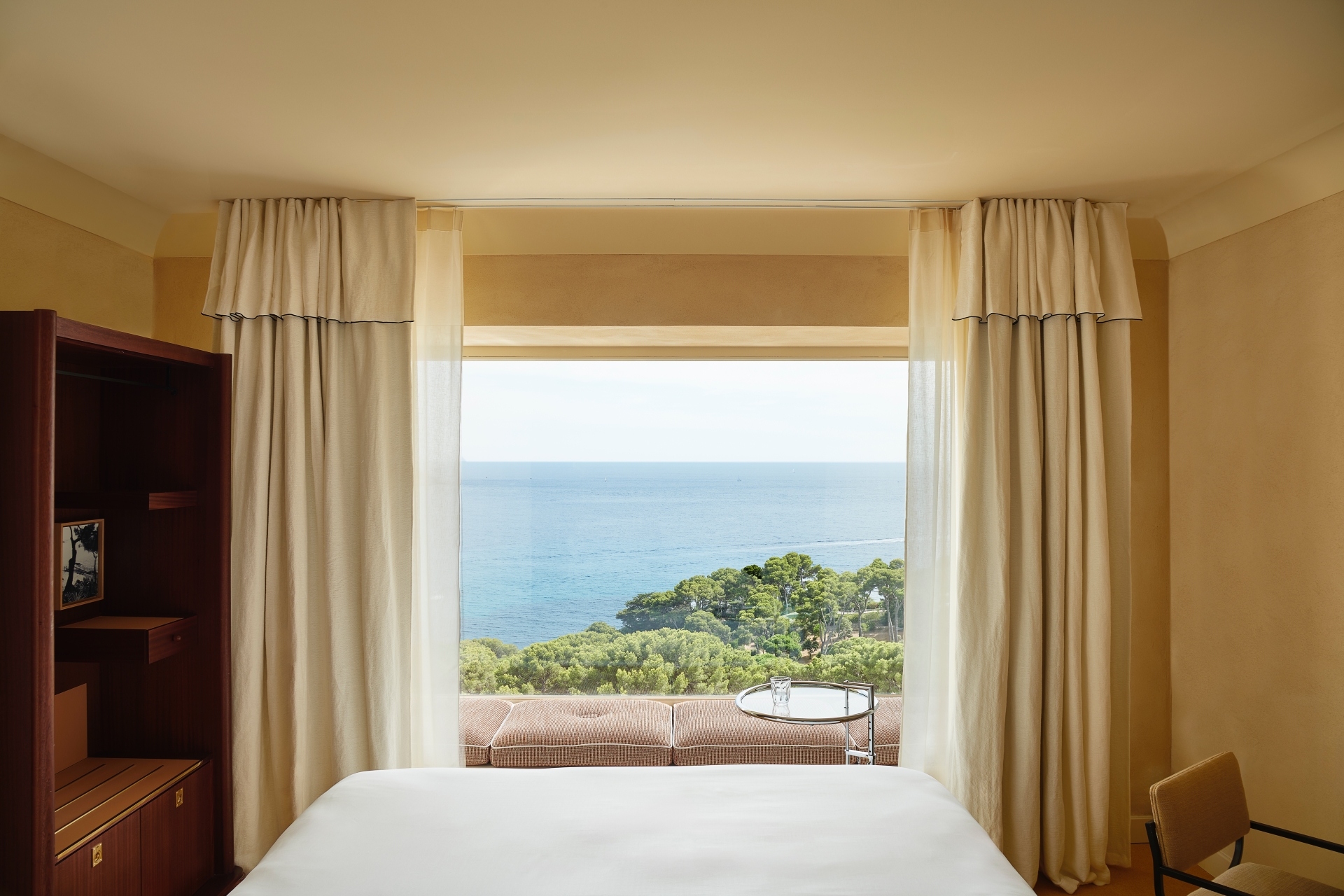
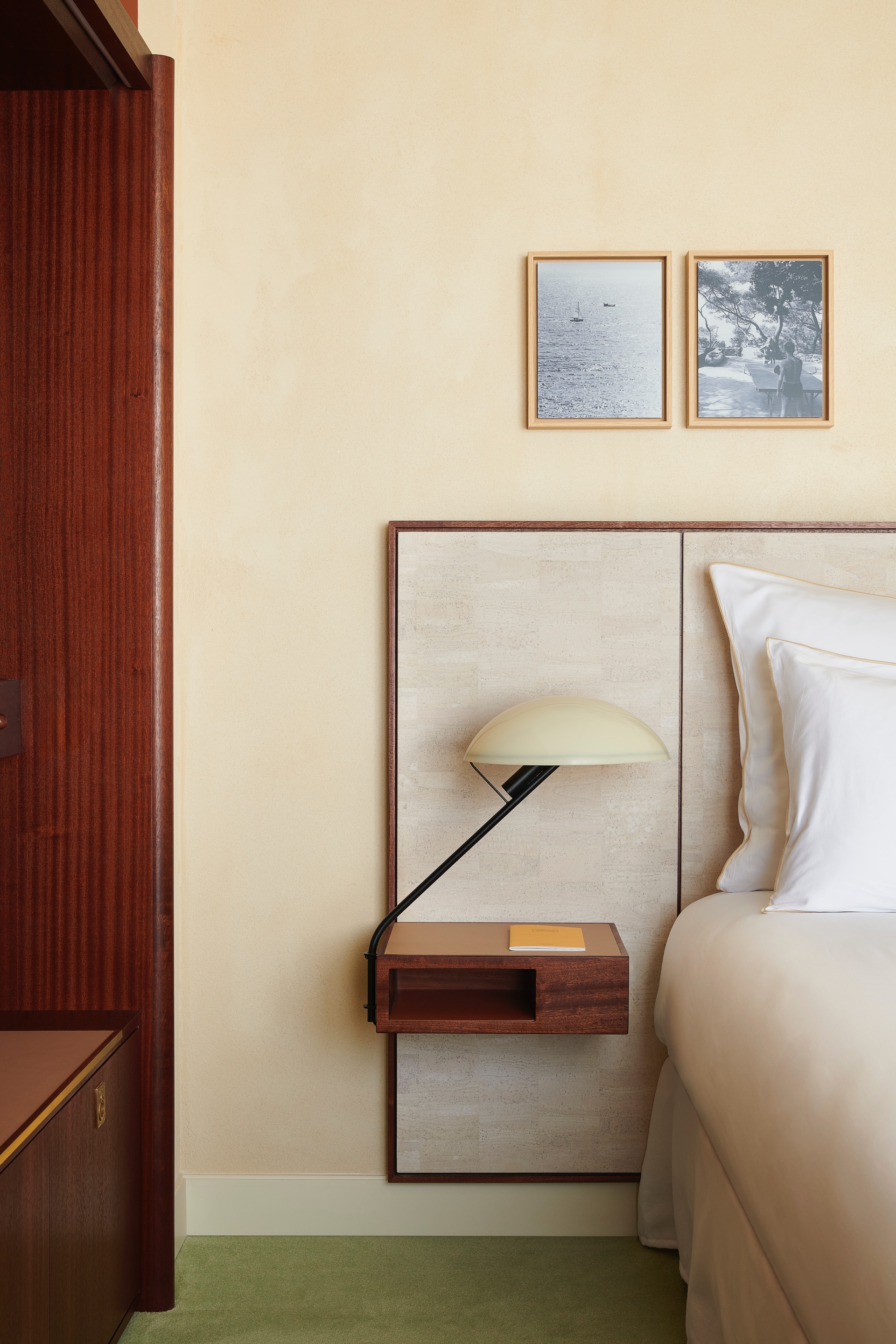
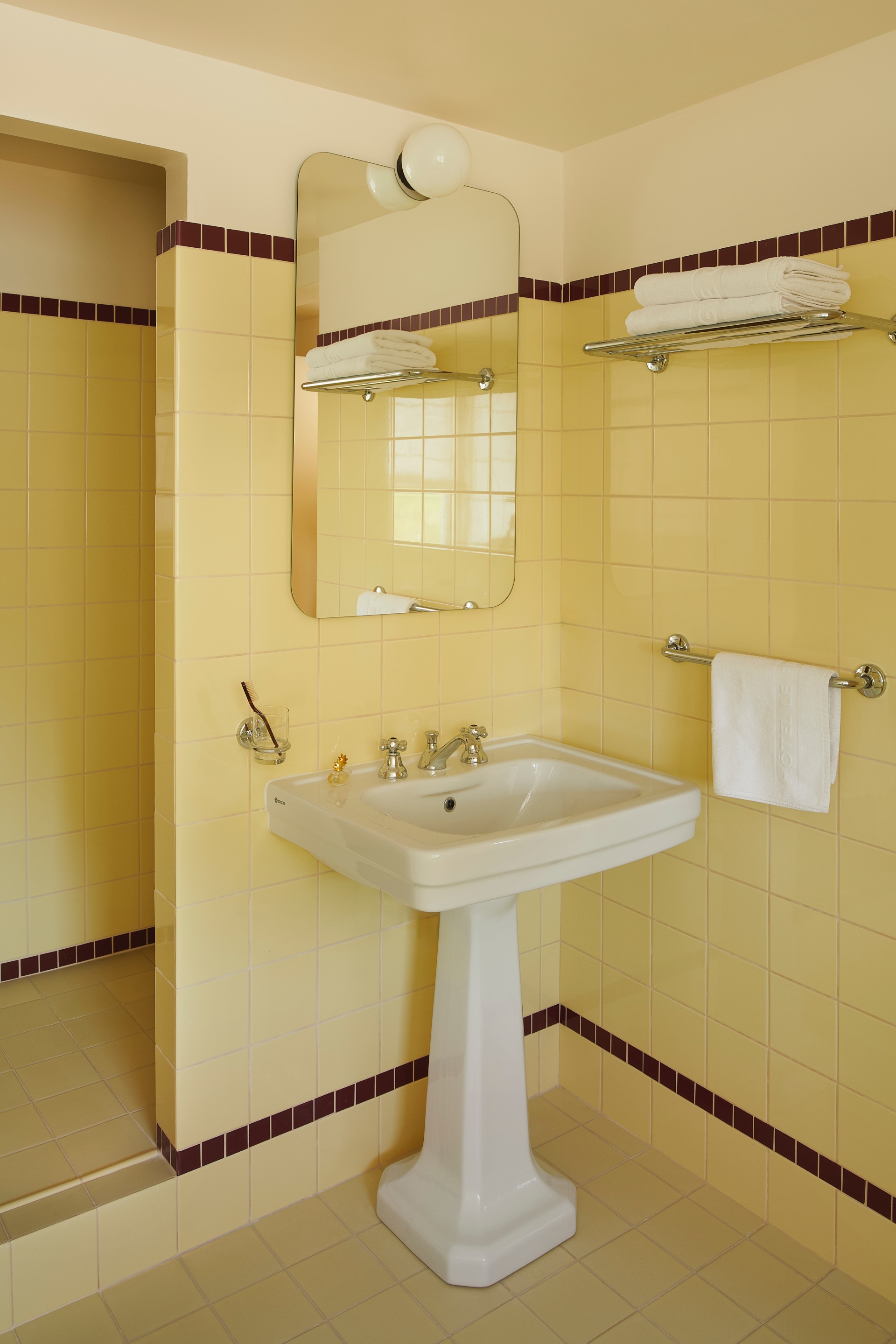
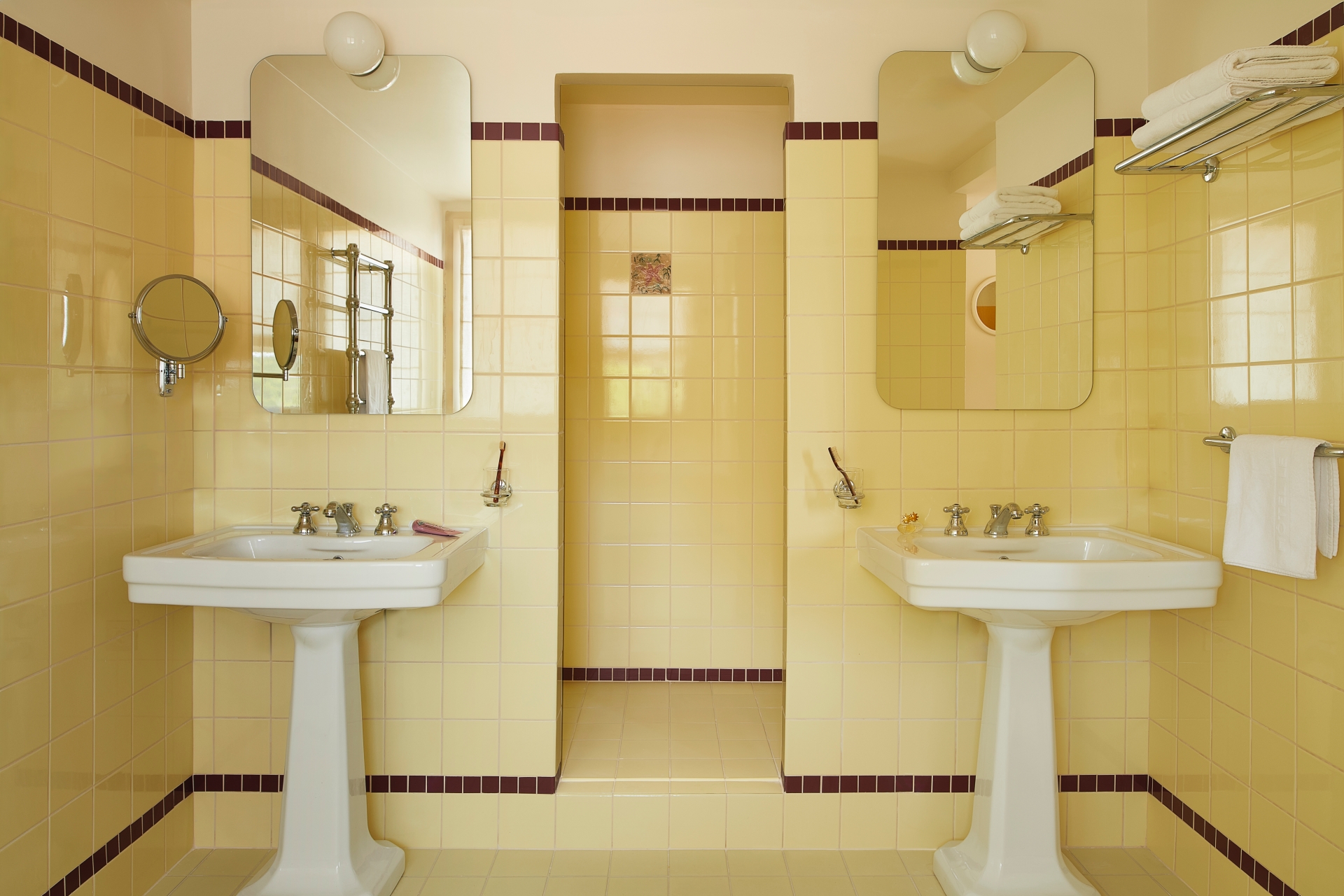
The Rooms and Suites: The 37 rooms and 4 suites upstairs embody a simpler, more open design, strengthening the visual and emotional connection to the sky and sea. The design is deliberately less cluttered: bright and full of light on the sea side, cooler and calmer on the village side. Playful accents come from soft carpets in sun-yellow or almond-green, and clean, geometric lines are introduced via red wood or colored cork headboards. The focus remains on texture—smooth walls, detailed ceilings—and the breathtaking views.
Adding to the property’s allure is Villa Barret, located across from the hotel, which offers an additional space for enjoying natural wines and refined tapas. Since October, the space was completed with a new spa and a sweeping 160 m² panoramic terrace, ensuring Le Provençal is poised to reignite its status as a timeless architectural and cultural landmark on the French Riviera.