PODCAST
WHAT MAKES A GOOD CONVERSATION? LOOK NO FURTHER THAN OUR ART OF THE CONVERSATION, FEATURING UNCONVENTIONAL STORIES AND PEOPLE WHO MOVE AND INSPIRE
LISTEN NOW


Louise Browne is the Principal and Studio Lead for 10 Design in Hong Kong, bringing over 20 years of international experience across transport, science and technology, education, culture, and mixed-use sectors worldwide. Throughout her distinguished career - including 14 years as Principal at Grimshaw working in studios across Sydney, London, Hong Kong, and Shenzhen - she has directed complex landmark projects such as the 900,000 sq.m. Shenzhen East Integrated Transport Hub, the Grand Egyptian Museum, the Parramatta Learning Precinct, and major metro systems in Dubai, Hong Kong, and Sydney.
A passionate advocate for diversity, organizational culture, and people-first leadership, Browne reflects in this conversation on her career journey, her approach to managing high-density urban developments, and how 10 Design leverages cross-border collaboration and innovation to build resilient cities. She also provides personal insights on navigating complexity, empowering the next generation of architects, and finding balance in Hong Kong.
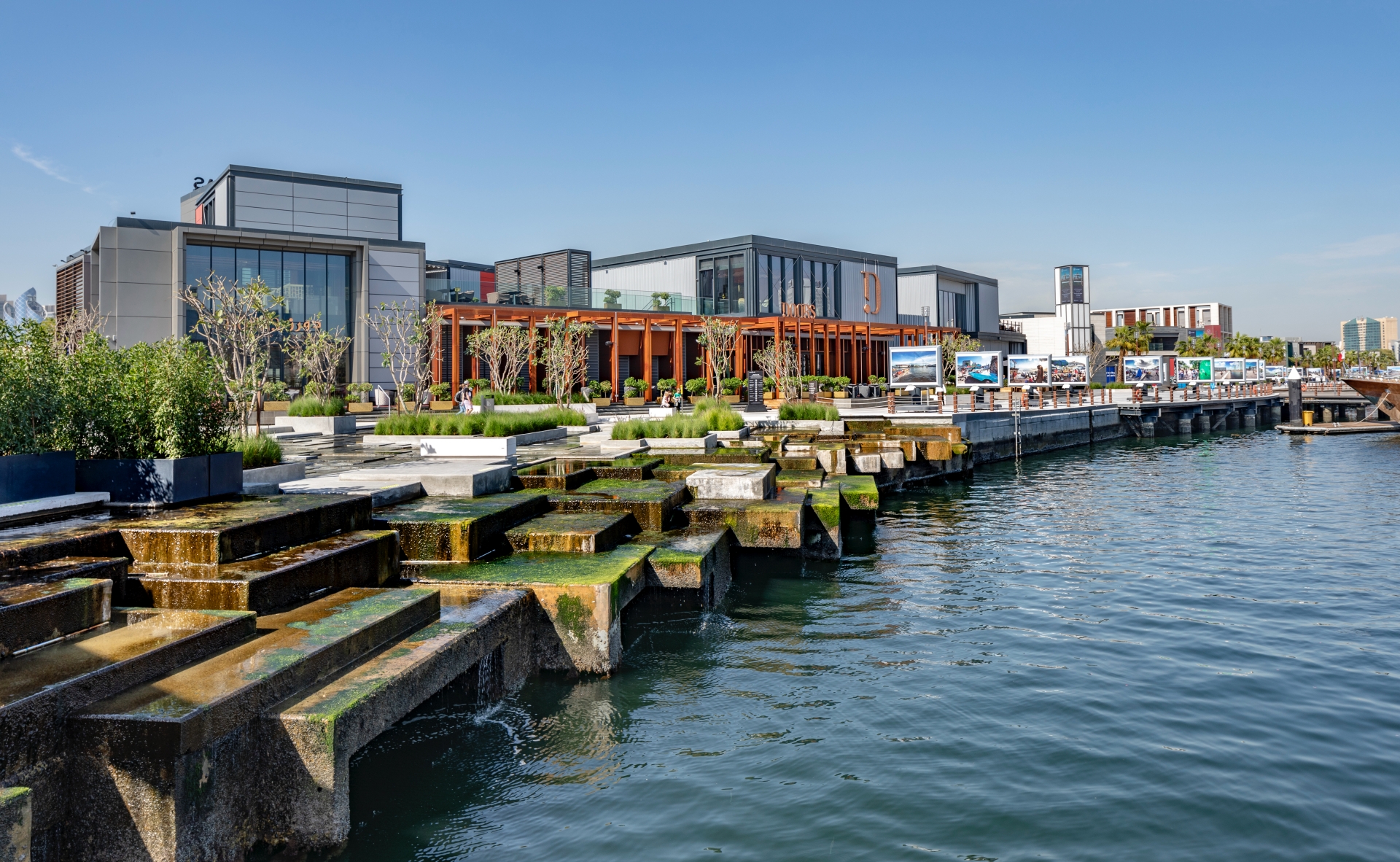
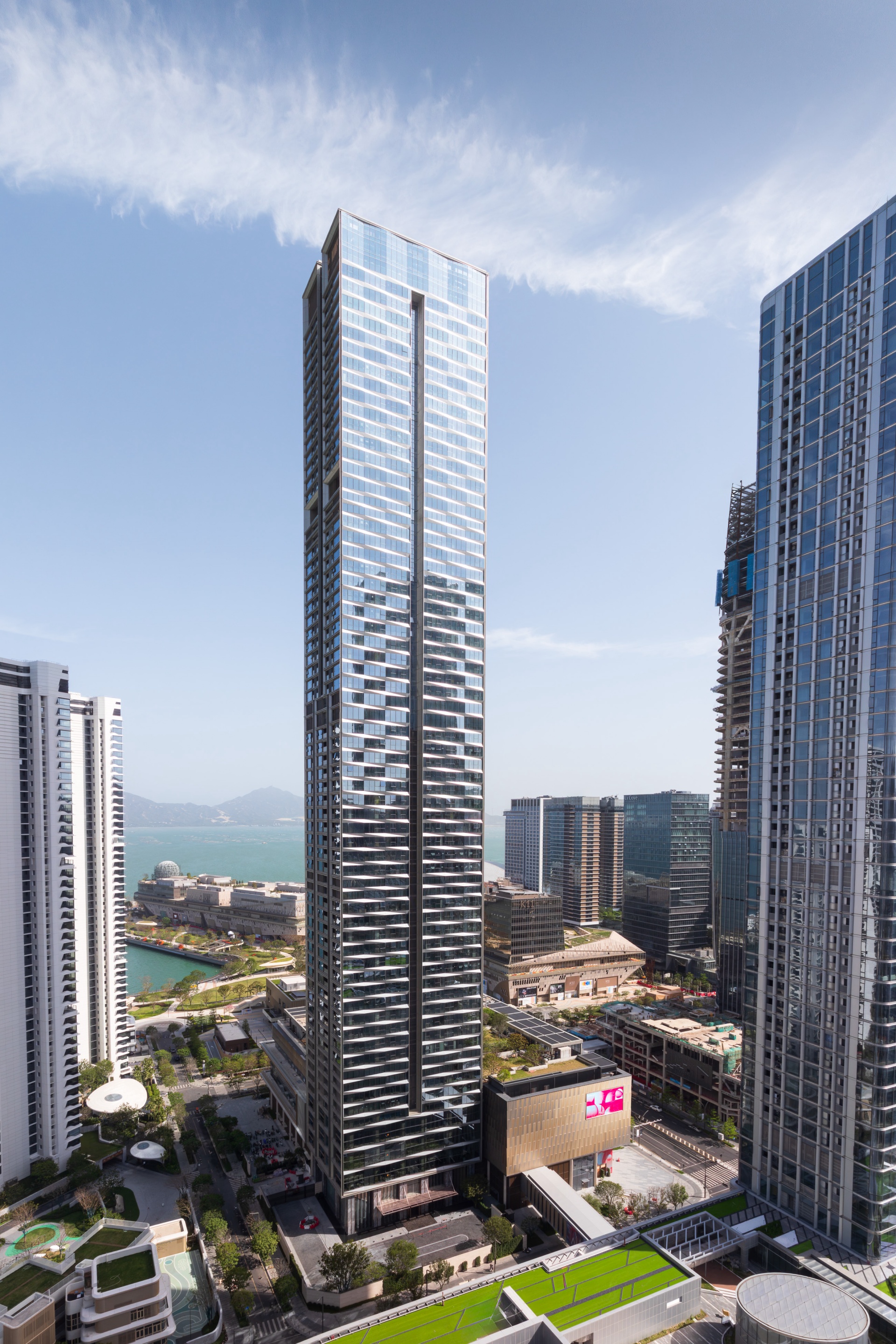
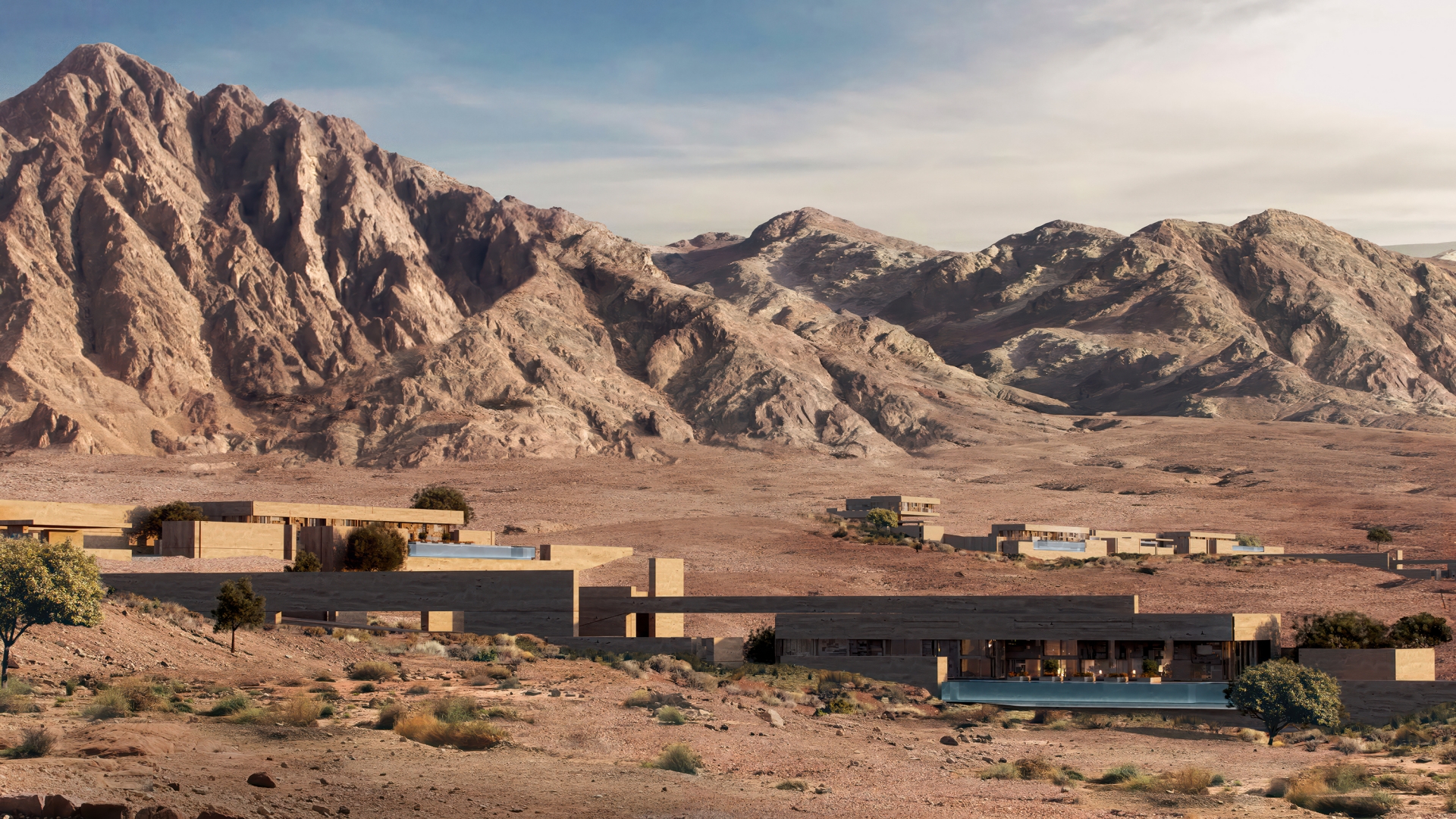
You’ve built your career working across multiple regions and cultures. How has this global exposure shaped your approach to collaboration and delivering design at scale today?
I’ve always been drawn to cities and how they evolve, even growing up in Dublin where that scale of transformation wasn’t really happening at the time. What I did gain early on, however, was a curiosity about the world beyond. As an island nation, there’s a natural tendency to look outward - and I was always fascinated by what felt different, unfamiliar, or culturally distinct.
My career shifted very quickly into the international arena. Straight out of university, I joined a practice that had just won a high-profile museum design competition in Egypt. Those first few years were a real baptism of fire, working with world-class consultants across borders, cultures, and disciplines. It fundamentally shaped how I see architecture: as inherently collaborative, global, and driven by shared intelligence.
Since then, I’ve consistently worked across teams in different cities and countries. What that experience taught me is that great design rarely comes from a single perspective. The strongest outcomes emerge when diverse expertise, cultural viewpoints, and ways of thinking are brought together around a shared ambition.
That’s why I feel so aligned with 10 Design. We are a true melting pot of talent, working across the globe at scale and pace. Every project benefits from the richness of that diversity. Combined with a common set of values and a commitment to design excellence, it allows us to deliver complex projects in a way that is both rigorous and deeply human.
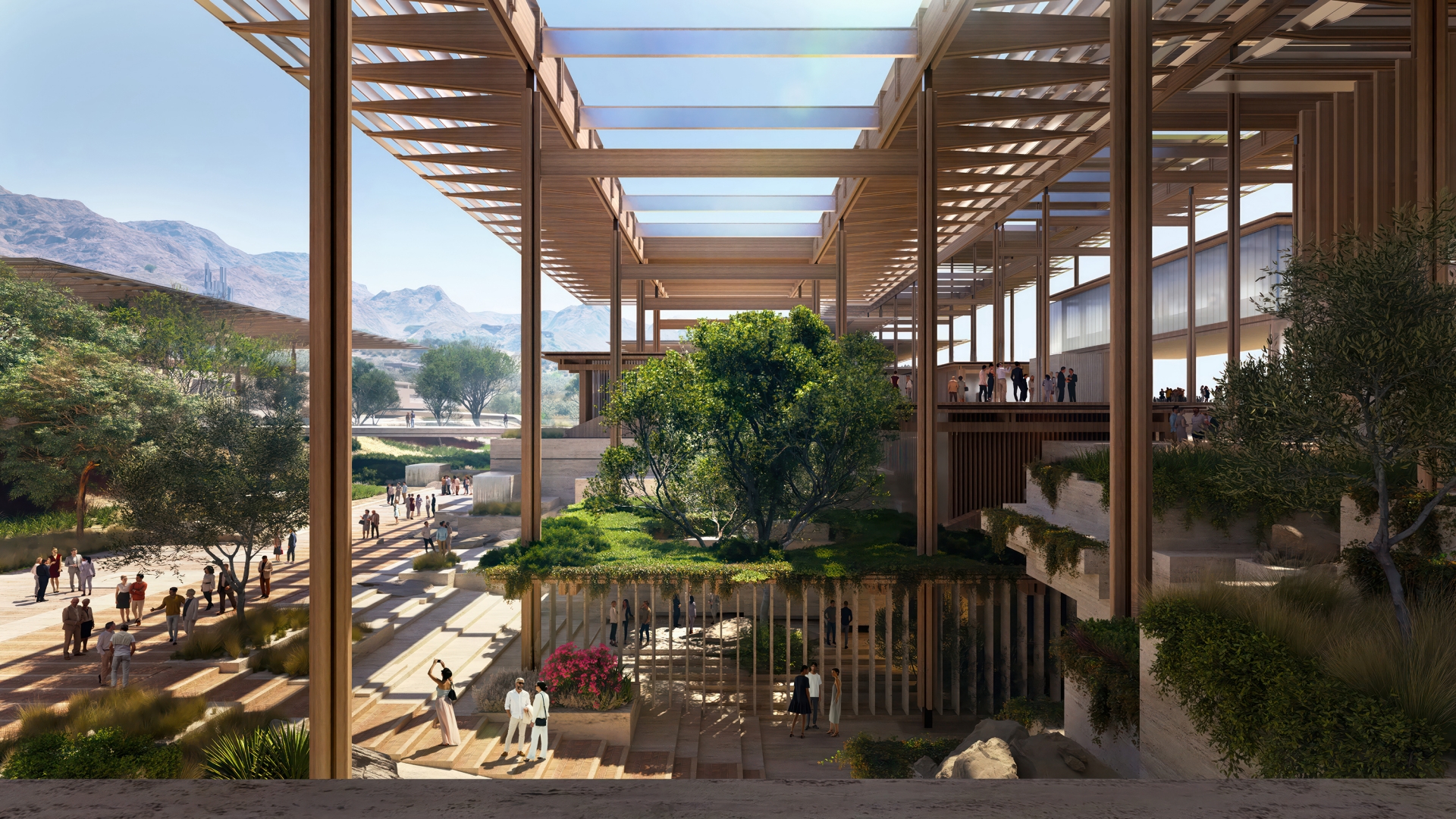
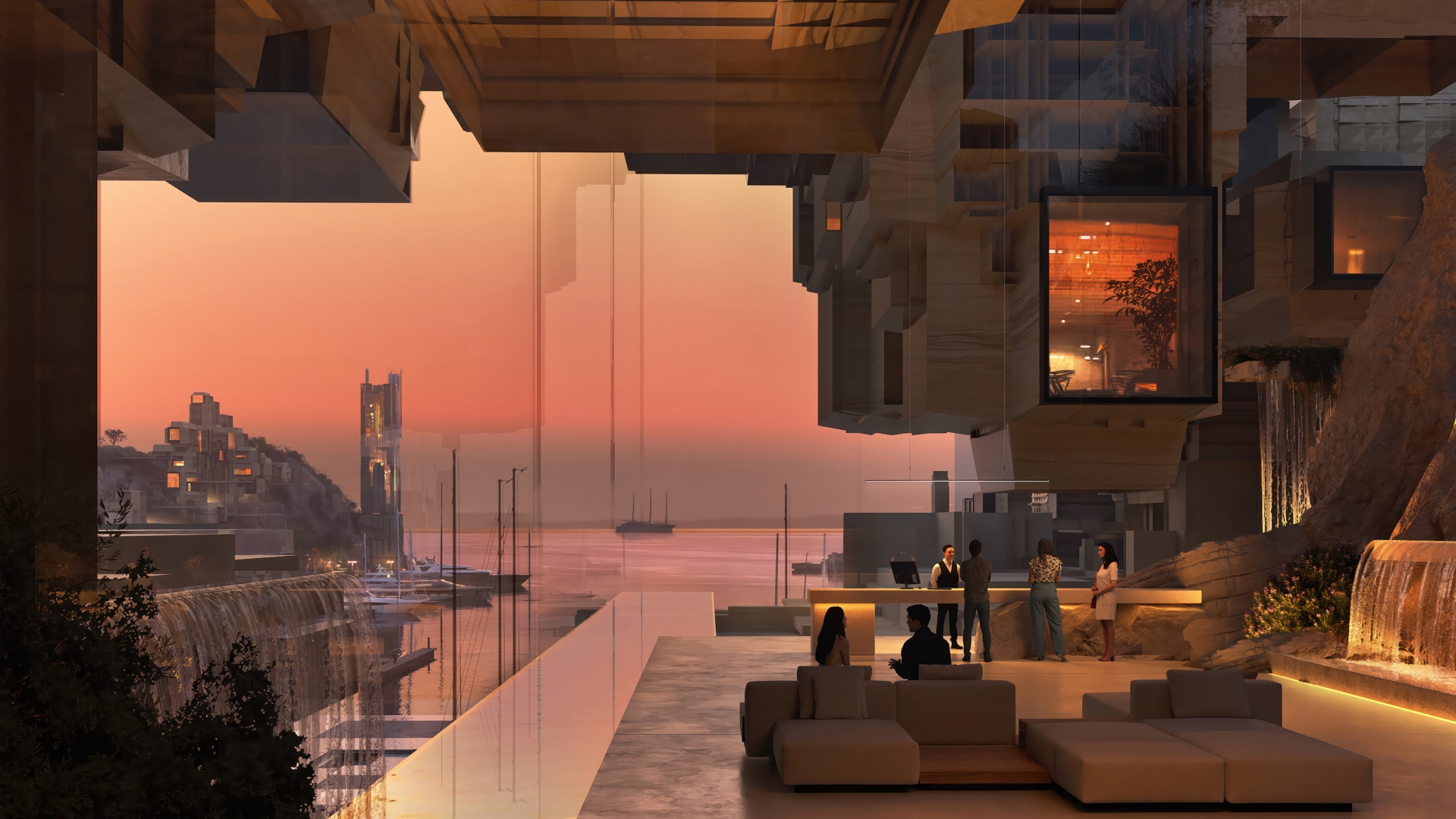
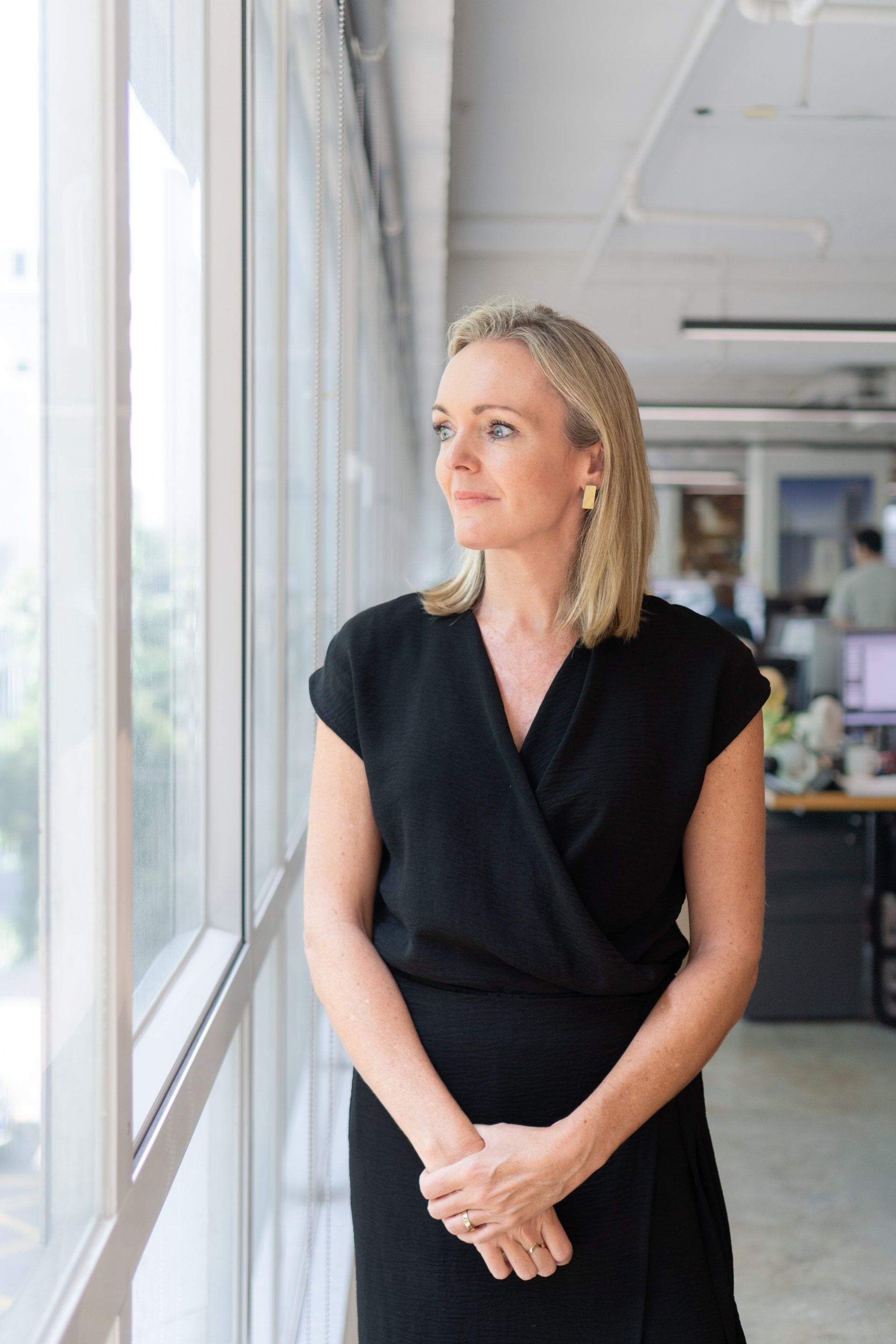
As the Hong Kong Studio Lead, what kind of culture are you building within the practice, and how does your journey influence your leadership approach?
For me, leadership is fundamentally about people and culture. You simply cannot deliver great work without a team that feels aligned, motivated, and connected to a shared purpose. In 10 Design Hong Kong, my focus is on creating a culture of transparency, inclusivity, and clarity. I want everyone to understand our “north star” - what we are trying to achieve, why it matters, and how their contribution helps us get there.
My own journey has shaped this perspective. Throughout my career, I was often given opportunities before I felt ready. That trust was critical - it pushed me to grow, build confidence, and ultimately find my own way of leading. I never found a single role model to emulate; instead, I’ve learned from many people along the way. That reinforced for me the importance of authenticity—being yourself rather than trying to follow a predefined template.
I’m also very aware of the generational shift within our industry. Expectations, values, and aspirations have changed, and while we work across many cultures, there are shared human fundamentals that remain constant: people want purpose, opportunity, respect, and a sense of belonging.
Importantly, I want to bring a sense of energy and enjoyment into the studio. We spend so much of our lives at work - it should feel purposeful, but it should also be engaging, collaborative, and rewarding. The best studios are places where people can do exceptional work, build meaningful relationships, and genuinely enjoy the journey.
10 Design is known for its human-centric approach to high-density urban environments. How do you interpret this in your work, from detail to city scale?
At 10 Design, we take a two-pronged approach. On one hand, there is a deep focus on detail - materiality, tactility, and how people physically experience space. On the other, we are working at the scale of the city - particularly in high-density environments - where we need to create places that are intuitive, inclusive, and people-first.
For me, human-centric design exists across every scale. It starts with how a hand touches a material or how a person navigates a space, but it extends all the way to how districts, neighbourhoods, and cities are connected.
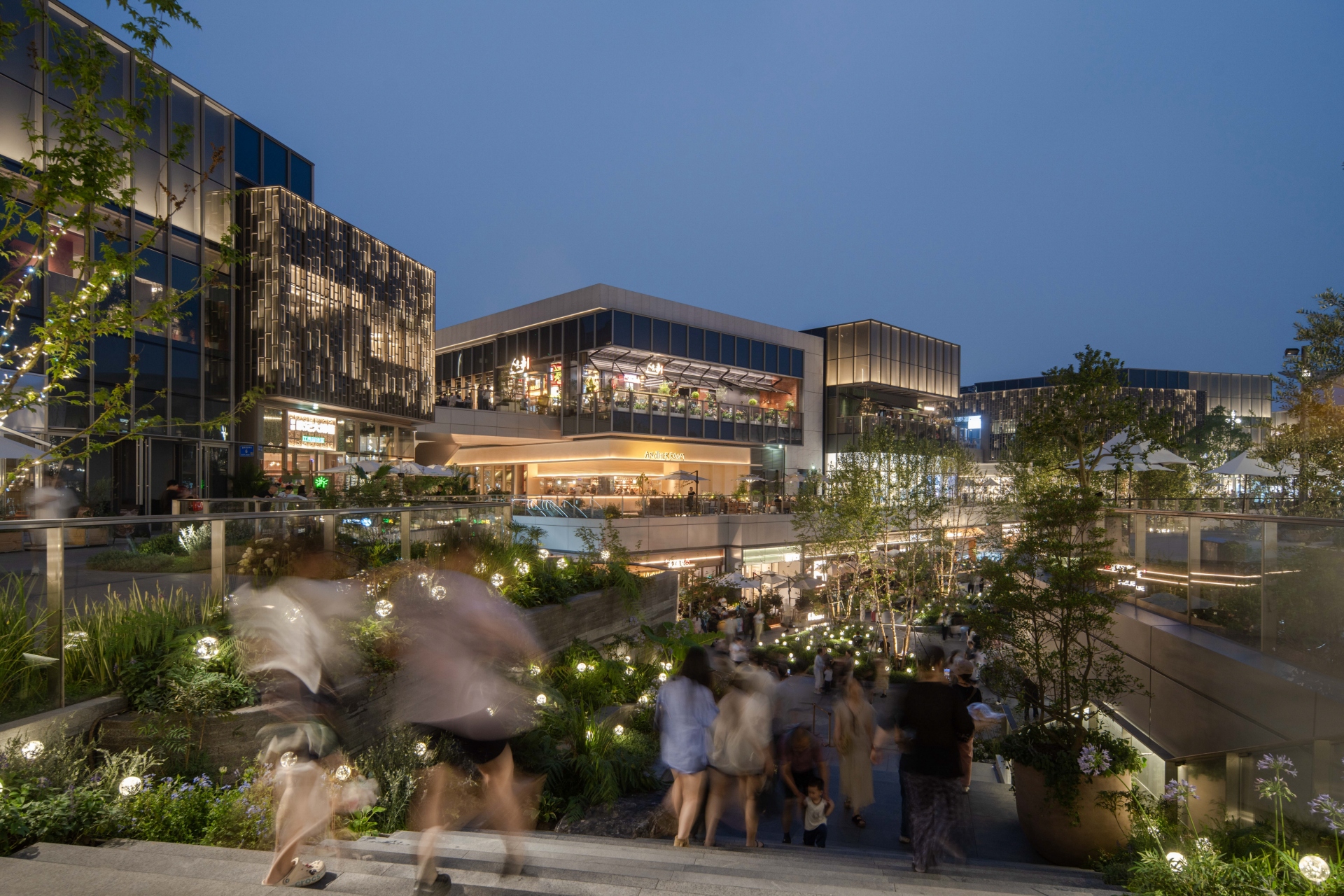
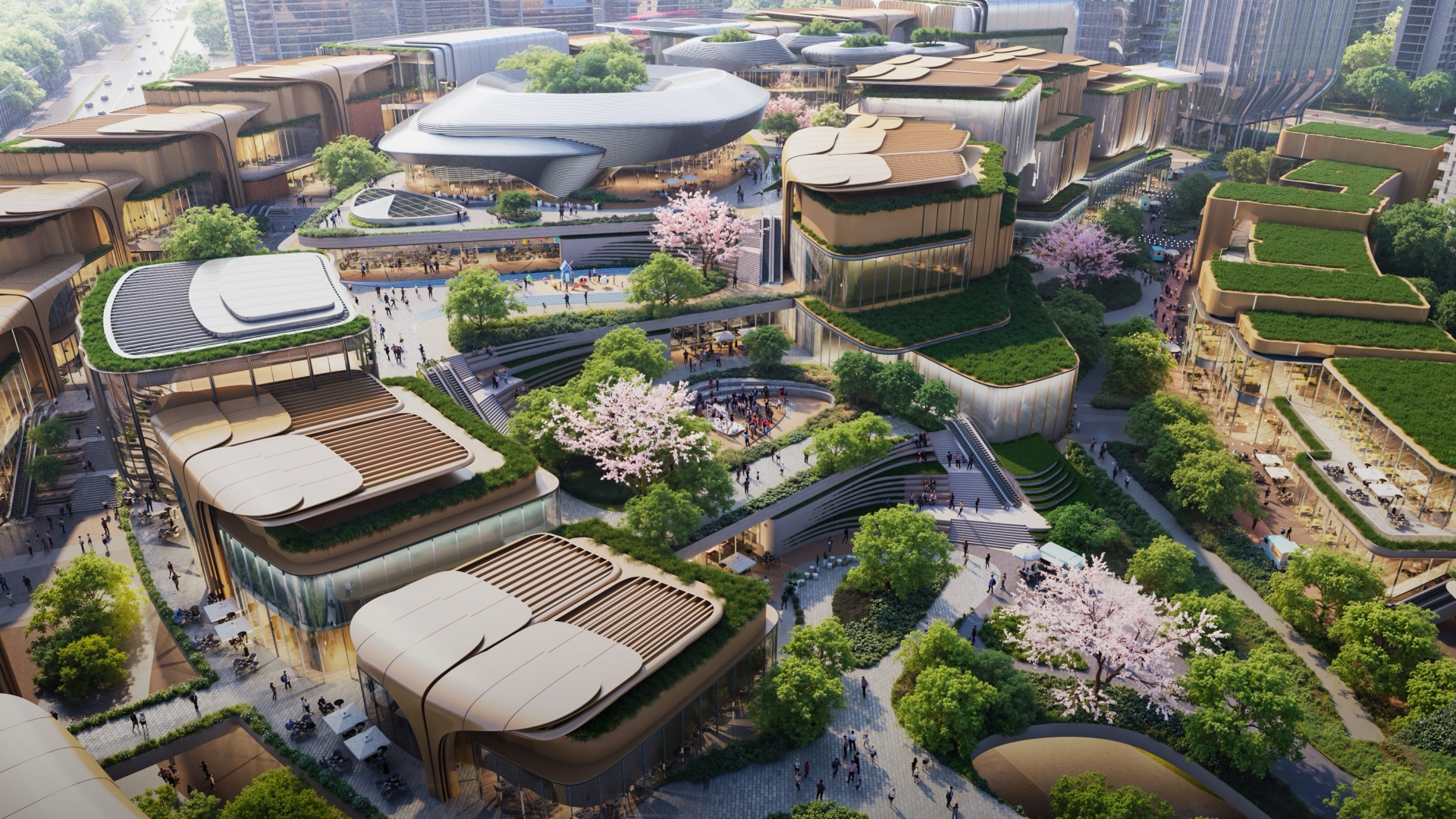
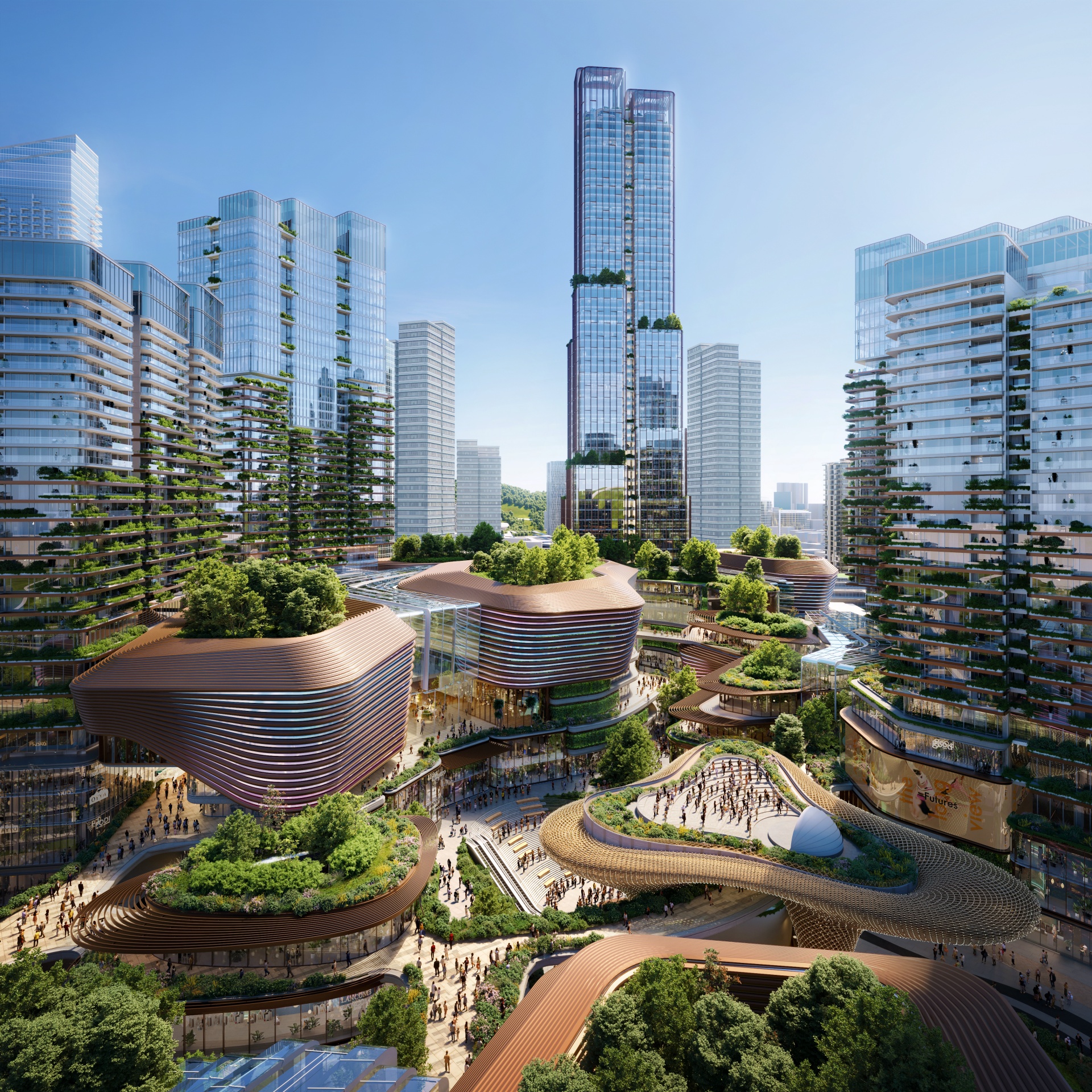
We are also seeing a clear shift in how cities are conceived. The traditional podium-and-tower model is evolving into more porous precincts - connected environments that encourage movement, interaction, and openness. In retail particularly, the focus is increasingly experiential, where architecture supports lifestyle, culture, and social connection rather than simply shopping.
Biophilic design plays an important role in this shift—not as an applied layer, but as a fundamental driver for reconnecting people with nature in dense urban settings. We have seen this in a number of our retail-led mixed-use projects, where landscape, climate responsiveness, and outdoor experiences are integrated from the outset to create more engaging and healthier environments.
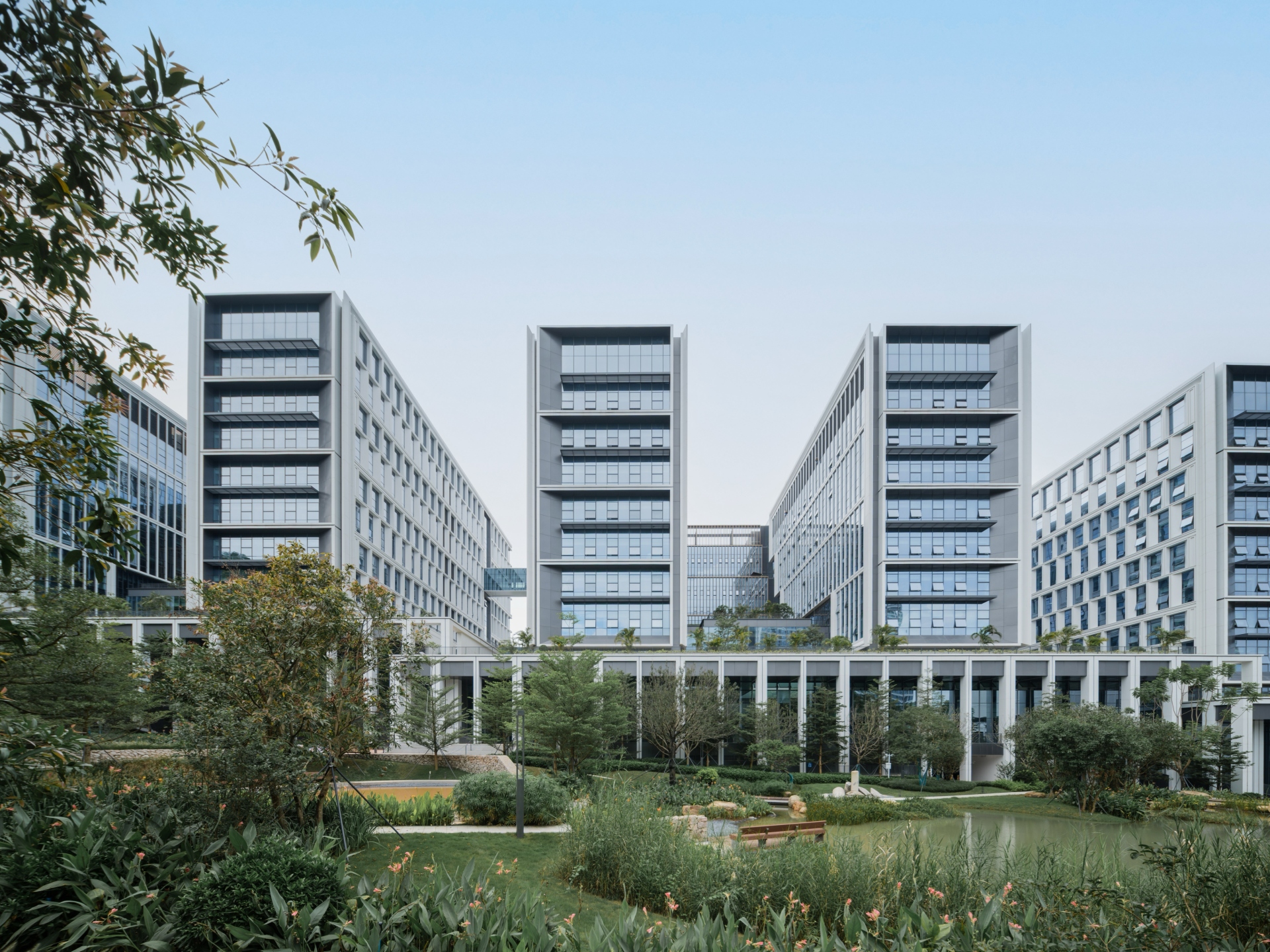
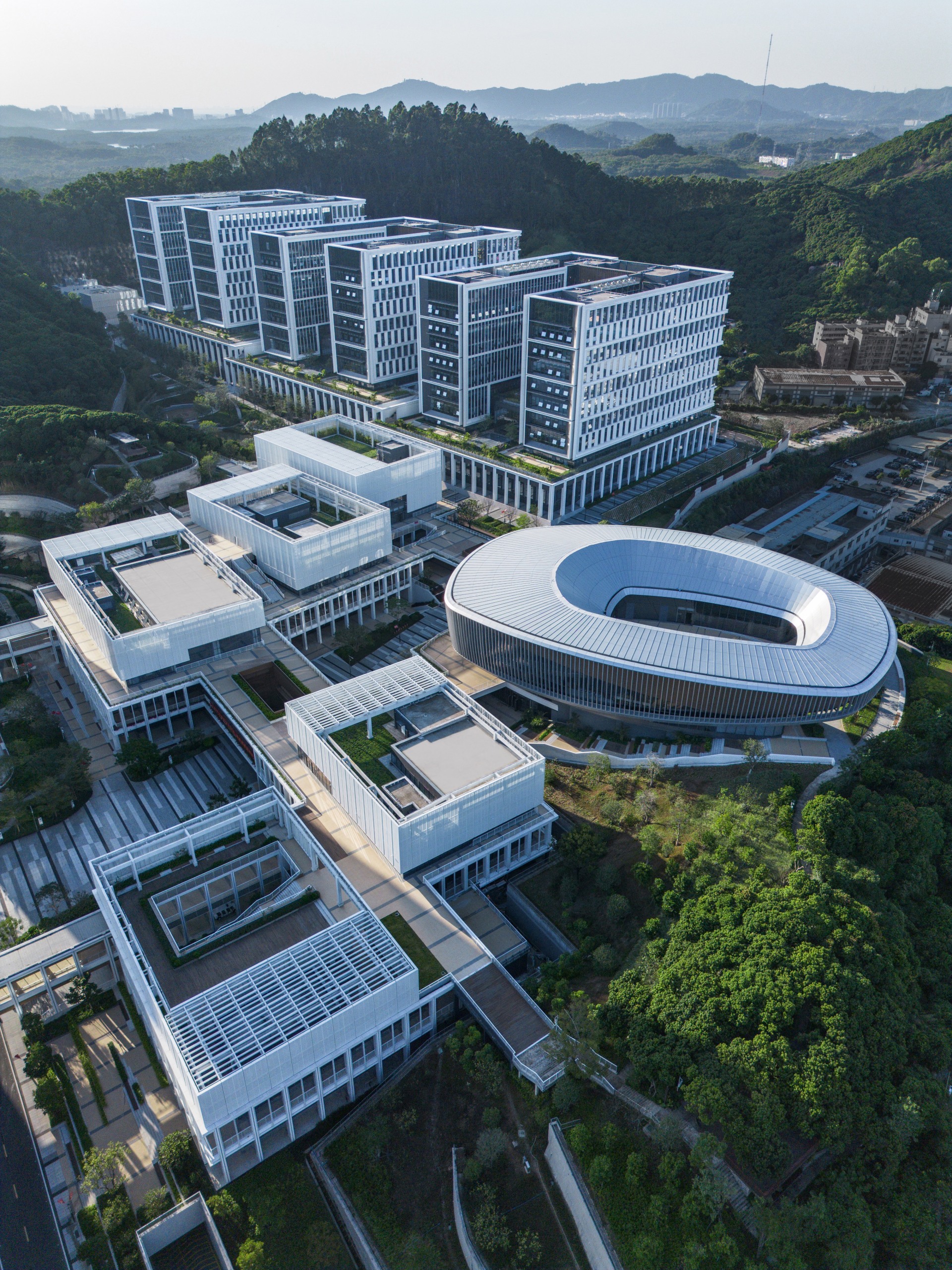
Working in the Greater Bay Area, we are also engaging with a rapidly evolving client base, particularly in science and technology. Projects such as Pengcheng Laboratory Park highlight how workplaces are transforming - into environments that support collaboration, innovation, wellbeing, research, and a broader spectrum of daily life. The boundaries between work, learning, and social interaction are becoming increasingly fluid, and architecture has a critical role in supporting that evolution.
You have extensive experience delivering complex, high-profile projects. What have these taught you about navigating complexity in architecture today?
My career has largely been centred around complex projects - large-scale cultural institutions, transport hubs, education and mixed-use developments. What I’ve learned is that the greatest challenge is rarely technical - it is the people.
These projects involve multiple stakeholders, competing priorities, and external pressures. Navigating that requires clarity, patience, and a strong, shared vision. Design is our most powerful tool in that process. Drawings and models become a universal language - helping to align different voices and drive decisions. Often, it is through design that clarity emerges, rather than through discussion alone.
There is also a responsibility to make complexity feel simple. Whether working on major transport hubs or large-scale masterplans, the end user should experience something intuitive and seamless. This is very much how we approach projects at 10 Design today. Many of our projects operate at significant scale and complexity across Asia and the Middle East. The ability to move with agility, while maintaining a clear design narrative, is essential.
How do you see your role in shaping the next generation of architects and building a more inclusive profession?
The next generation is a key focus for me. I’ve seen many practices struggle because they didn’t invest sufficiently in succession or develop future leadership. At 10 Design, we are very conscious of what comes next—how we evolve, develop talent, and continue to raise the bar as a practice.
There is still a clear gap in representation, particularly for women in leadership and senior design roles. As a woman in my forties with three children, I see very few female contemporaries still working within large architectural practices, which is something we need to actively address. The industry has made progress, but there is still much more to do.
I also strongly believe careers are not linear. Taking time out can provide clarity, perspective, and resilience—it is not a setback, nor should it be viewed as one. Some of the most valuable life experiences happen outside a traditional career path. For me, leadership is about creating opportunities and removing barriers. My role is to create an environment where people feel supported, challenged, and empowered to define their own path forward, rather than feeling they must follow someone else’s.
What excites you most about how technology is shaping urban life today, particularly in Asia?
The Greater Bay Area - and Shenzhen in particular - is one of the most exciting places globally for urban innovation. It is often described as a living laboratory, and in this case that feels very real. Technology is being tested, refined, and implemented at city scale in real time.
What’s particularly compelling is that this isn’t theoretical. The pace of application far exceeds many other global cities, making the region a true test bed for how technology integrates into daily urban life. You see it everywhere - from seamless digital payments and logistics systems to highly connected mobility networks and public services. There is an incredible level of convenience built into everyday life.
What is equally remarkable is the demographic profile. Shenzhen has one of the youngest populations among major cities in China, with an average age of around 35. That creates an environment that is all about convenience, accelerating the rate at which new technologies are adopted and scaled.
Beyond that, I’m particularly interested in how smart city ideas translate into emerging economies. The real opportunity lies not in technology itself, but in how smart principles can improve everyday conditions - whether through decentralised energy systems, improved sanitation, community-based infrastructure, or new economic models enabled through digital platforms and tokenised systems.
Technology should never be the objective - it should be an enabler. The focus must remain on improving quality of life, accessibility, resilience, and creating more equitable outcomes for communities.
How do your personal experiences shape your perspective, and how do you recharge?
Being a mother to three boys brings a very grounding perspective. Life at home is energetic and often chaotic, but it is also a constant reminder that what we design today shapes the world they will inherit.
There is a strong sense of responsibility in that, particularly around sustainability, and long-term thinking. Architecture is ultimately about creating places that endure, and becoming a parent makes you think much more deeply about legacy and the future.
Earlier in my career, I genuinely believed it might not be possible to have a family and reach the top of the profession. What I have learned is that there is no single formula for success. The only way to do it is in your own way and in your own style.
The reality is that it is a constant act of recalibration. Sometimes you feel you are not doing enough at work; other times you feel the same at home. There are periods when one aspect of life requires more focus than another, and things inevitably move out of balance. The important thing is recognising when that happens and consciously recalibrating before you drift too far in one direction.
I also think it helps to remember that life is a series of stages, each presenting unique opportunities and challenges. Nothing lasts forever. Rather than seeing life as one long train journey, it is more useful to think of it as a series of chapters that each require something different from you.
Hong Kong is an incredible place to recharge. Despite its density, so much of the city is natural landscape. Within minutes, I can be out in the hills running or hiking, which provides a real sense of balance and perspective.
I also value creative outlets - art, theatre, galleries, and travel. I’m particularly drawn to immersive journeys, such as travelling from Beijing through Tibet and across the Himalayas into Nepal. Experiences like that completely shift your perspective on landscapes, cultures, and how people live. They remind you how diverse the world is - and how much there is still to learn.