PODCAST
WHAT MAKES A GOOD CONVERSATION? LOOK NO FURTHER THAN OUR ART OF THE CONVERSATION, FEATURING UNCONVENTIONAL STORIES AND PEOPLE WHO MOVE AND INSPIRE
LISTEN NOW


In this reflective dialogue, Jessica Wan delves into the philosophy behind her practice, from drawing inspiration from ancient Greek thought to balancing diverse narratives in exhibitions spanning institutions like Tate and more intimate project spaces. She discusses the power of storytelling through the lens of the marginalized, shares her experience collaborating on projects like Latent Relics and the work of the artist collective Foreshadowing, and addresses what she views as the most pressing conversations in curatorial practice today regarding inclusivity and productive conflict.
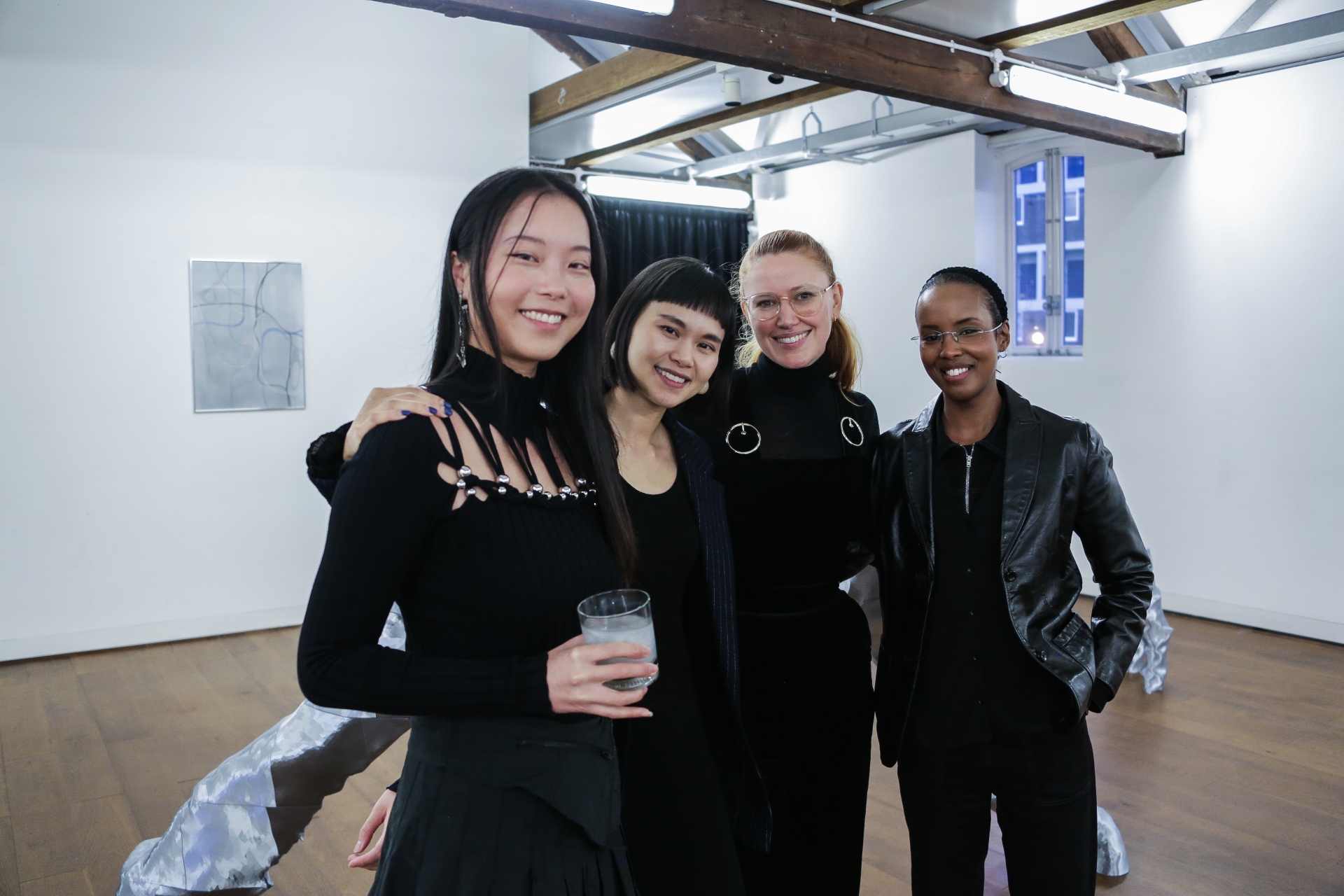
What first drew you to ecofeminism, transnationalism, and non-western contemporary practices, and how have these themes shaped your curatorial approach over time?
There’s a saying by Greek philosopher Heraclitus: “You never step into the same river twice.” I deeply believe in the idea of a constantly evolving identity and in our shifting relationships with the cosmos. Transnationalism - its focus on cultural hybridity and the movement of people and resources - offers a vital framework for understanding how we exist and coexist in an increasingly complex world. I’m drawn to themes that bring us closer to the tender, often overlooked fragments of everyday life. These perspectives have become central to how I curate: with attentiveness, care, and a desire to foreground narratives that complicate dominant frameworks.
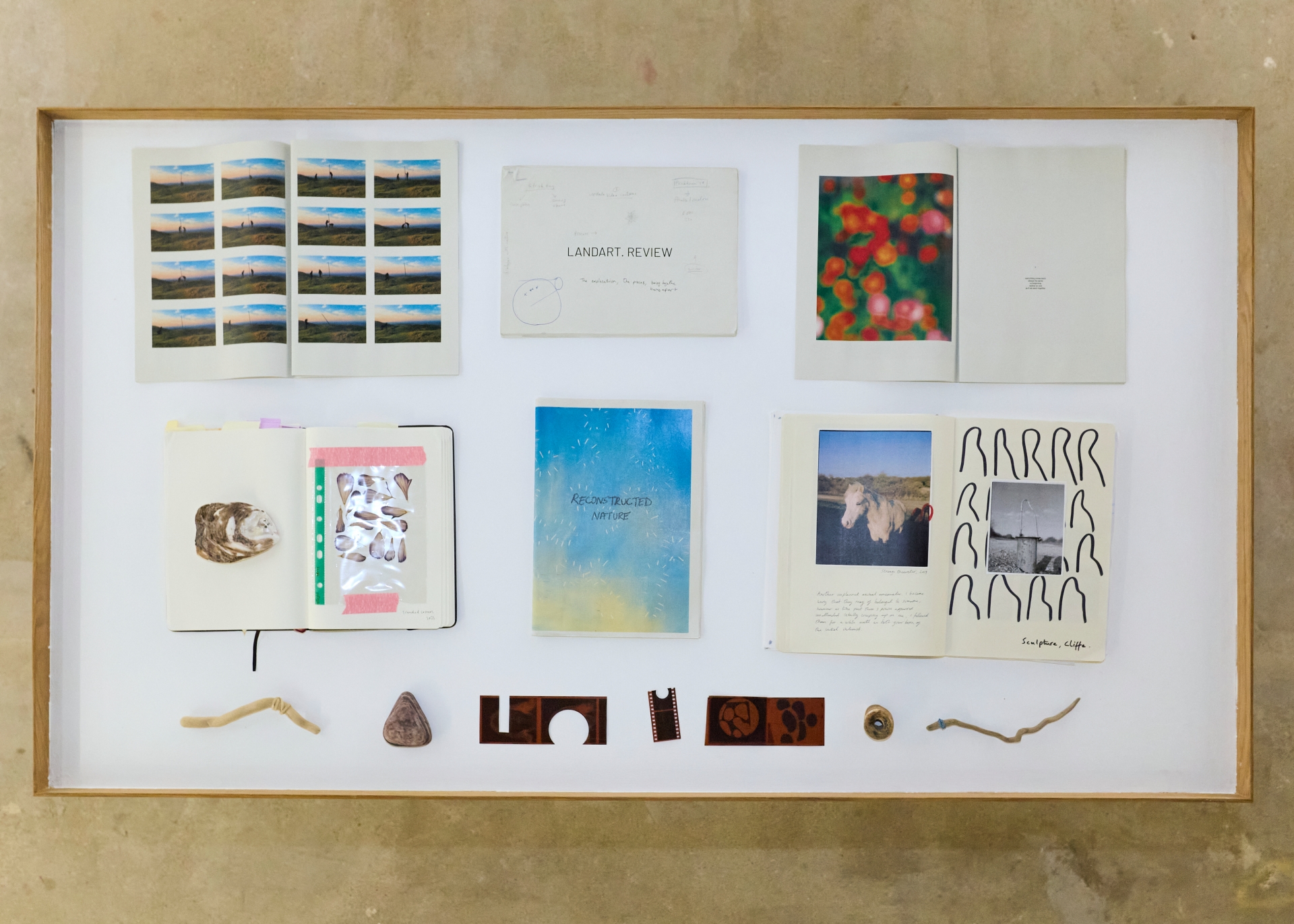
You describe your work as creating “culturally hybrid spaces.” How do you balance diverse narratives while ensuring authenticity in your exhibitions?
Much of my work hinges on storytelling, often through the lens of the marginalised and urgent social issues. I’m driven by the desire to present both new narratives and familiar ones seen in unfamiliar ways. We live in an inherently hybrid world, yet we’re also experiencing a heightened sense of division. Within the spaces I create, I try to support artists who take risks and share honest, often deeply personal stories. That means listening carefully, curating with respect, and making room for difficult conversations to unfold.
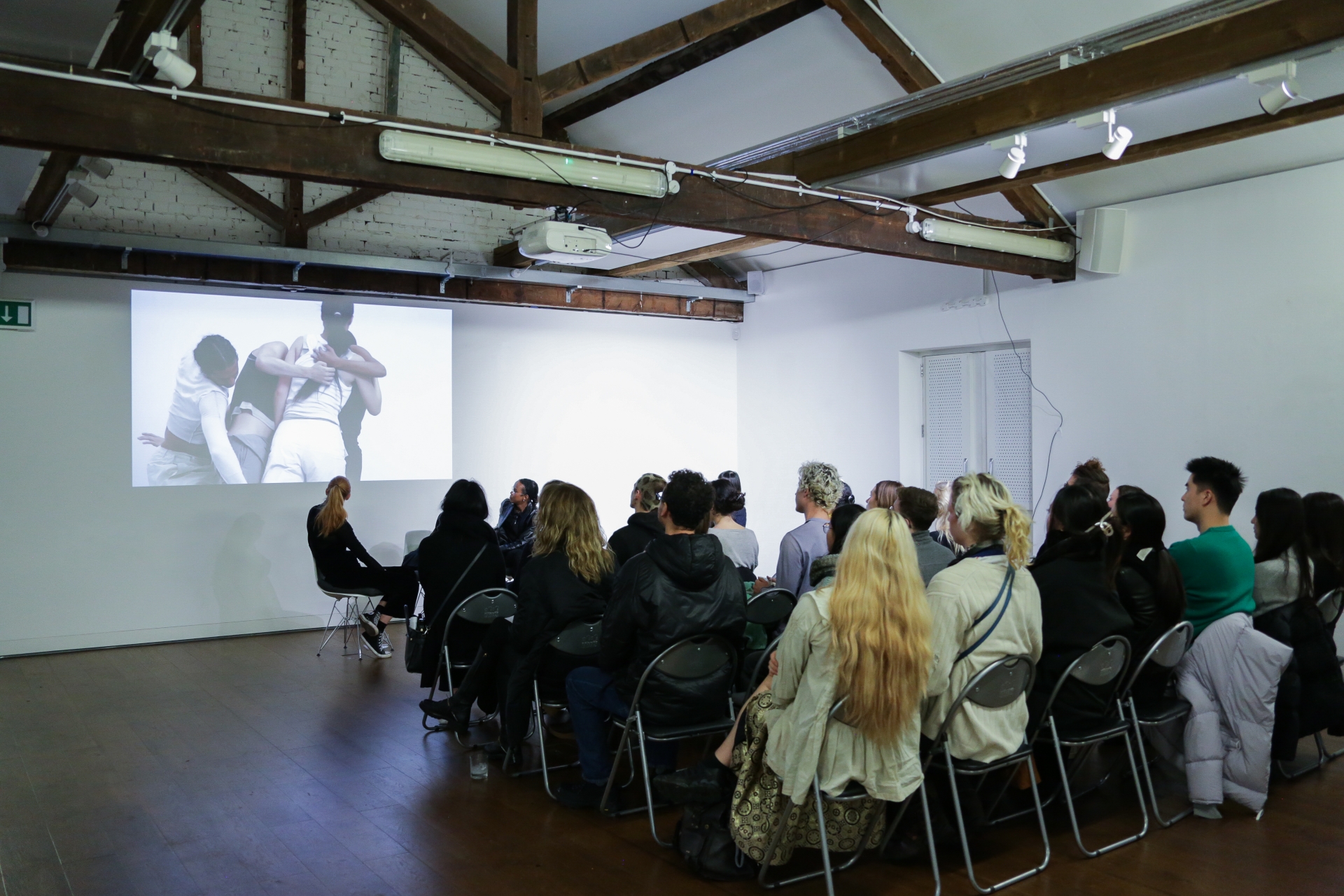
Having worked with institutions from Tate to Art Basel HK, how does each context shape your approach to exhibition-making?
Each context comes with its own set of expectations, audiences, and constraints. Working with large institutions like Tate means thinking broadly - about public engagement, accessibility, and relevance to the moment. It also requires a careful consideration of practical matters like health and safety, which play a crucial role in ensuring exhibitions are truly inclusive and open. In contrast, other spaces may allow for more experimentation or intimacy. I try to remain responsive, tailoring my curatorial methods to the nuances of each setting.
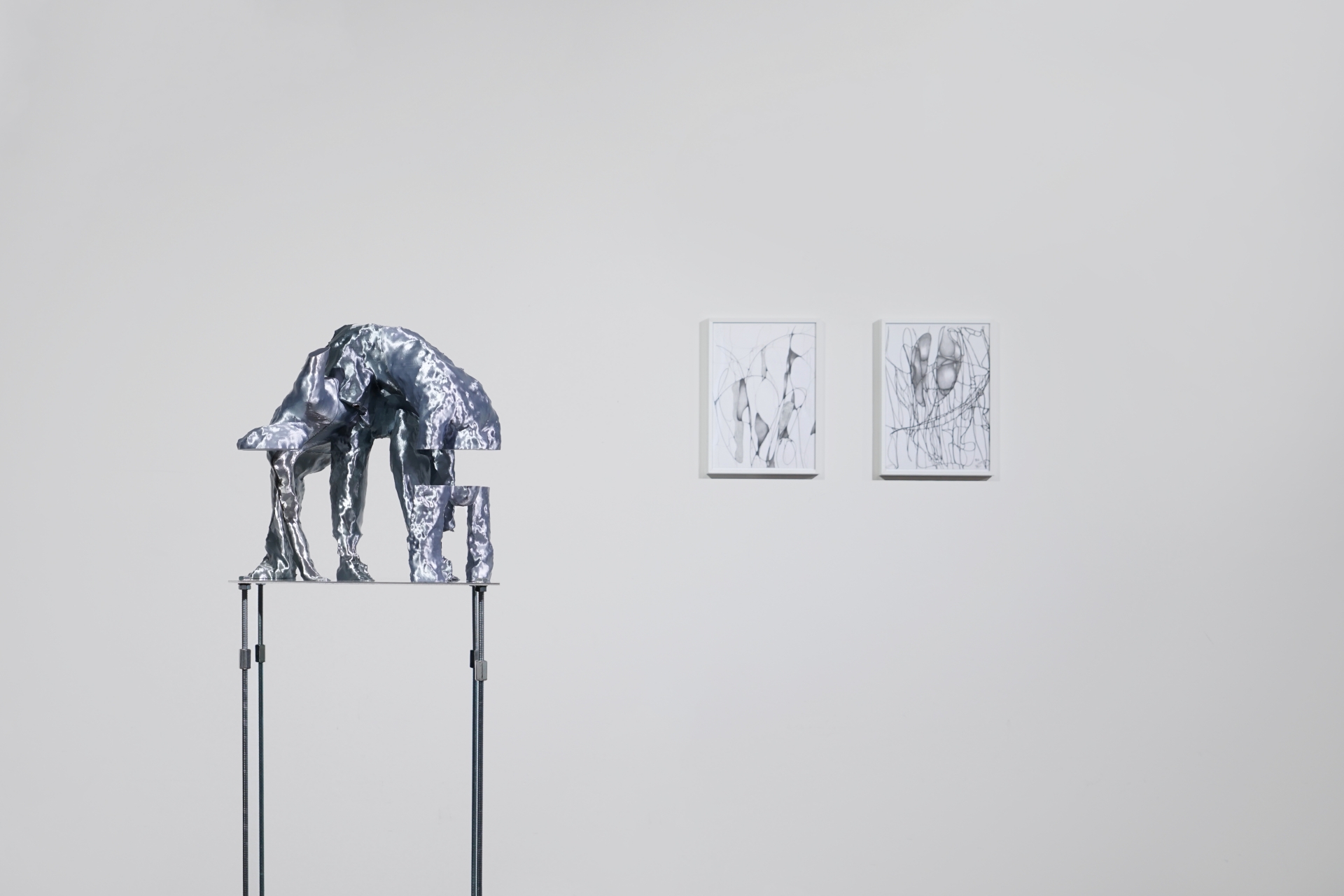
Collaboration is central to your practice. Can you share a particularly impactful experience of working with an artist or thinker?
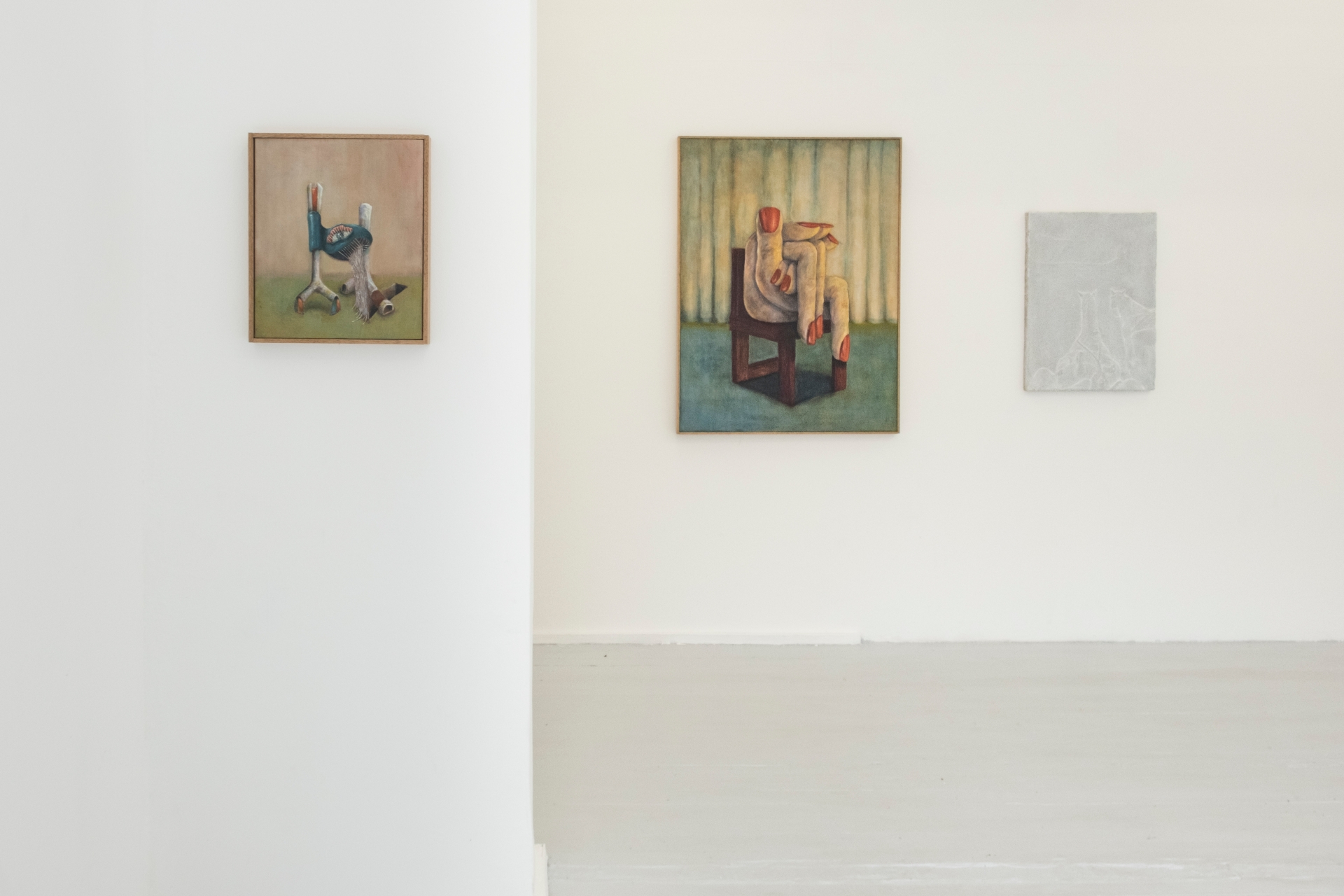
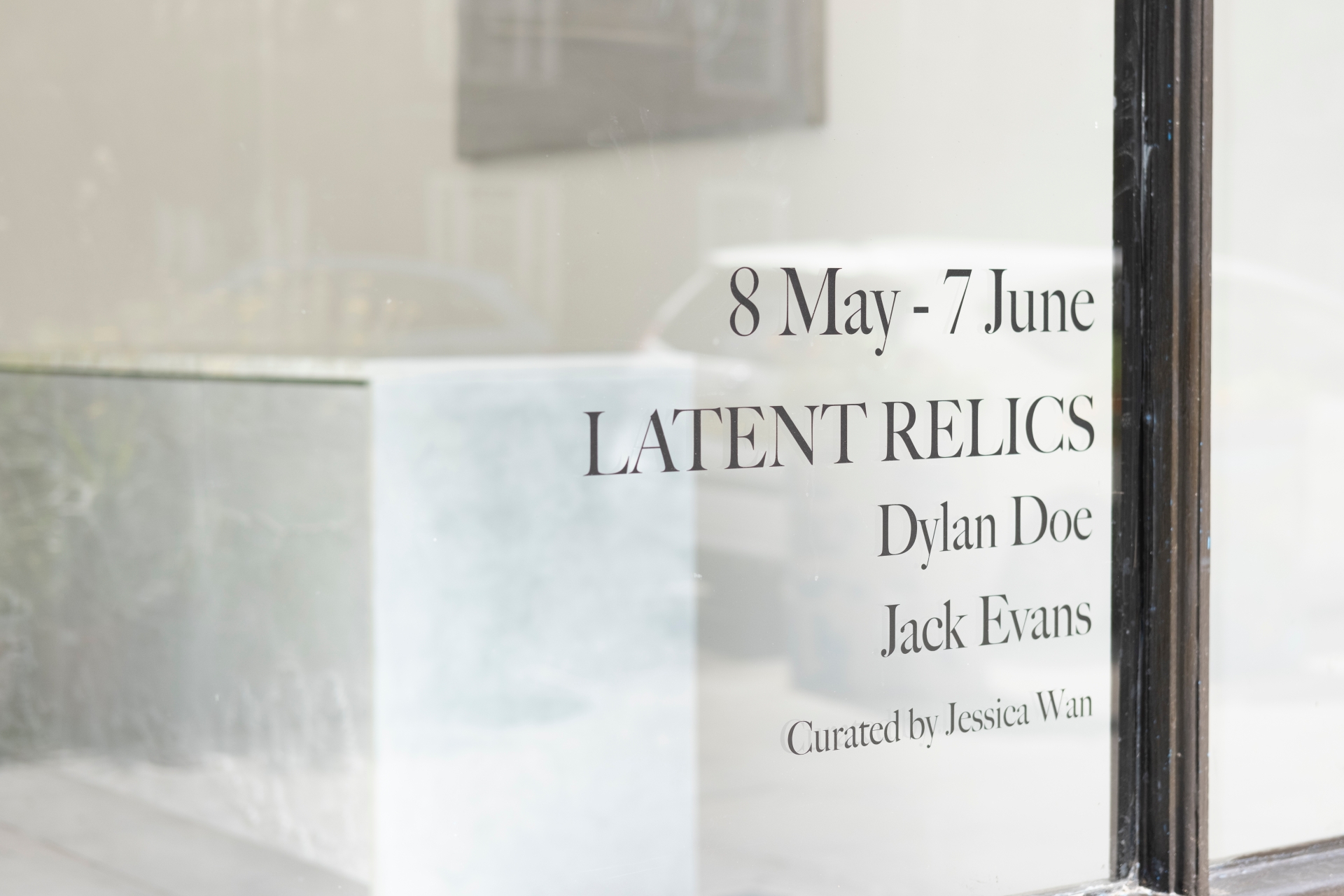
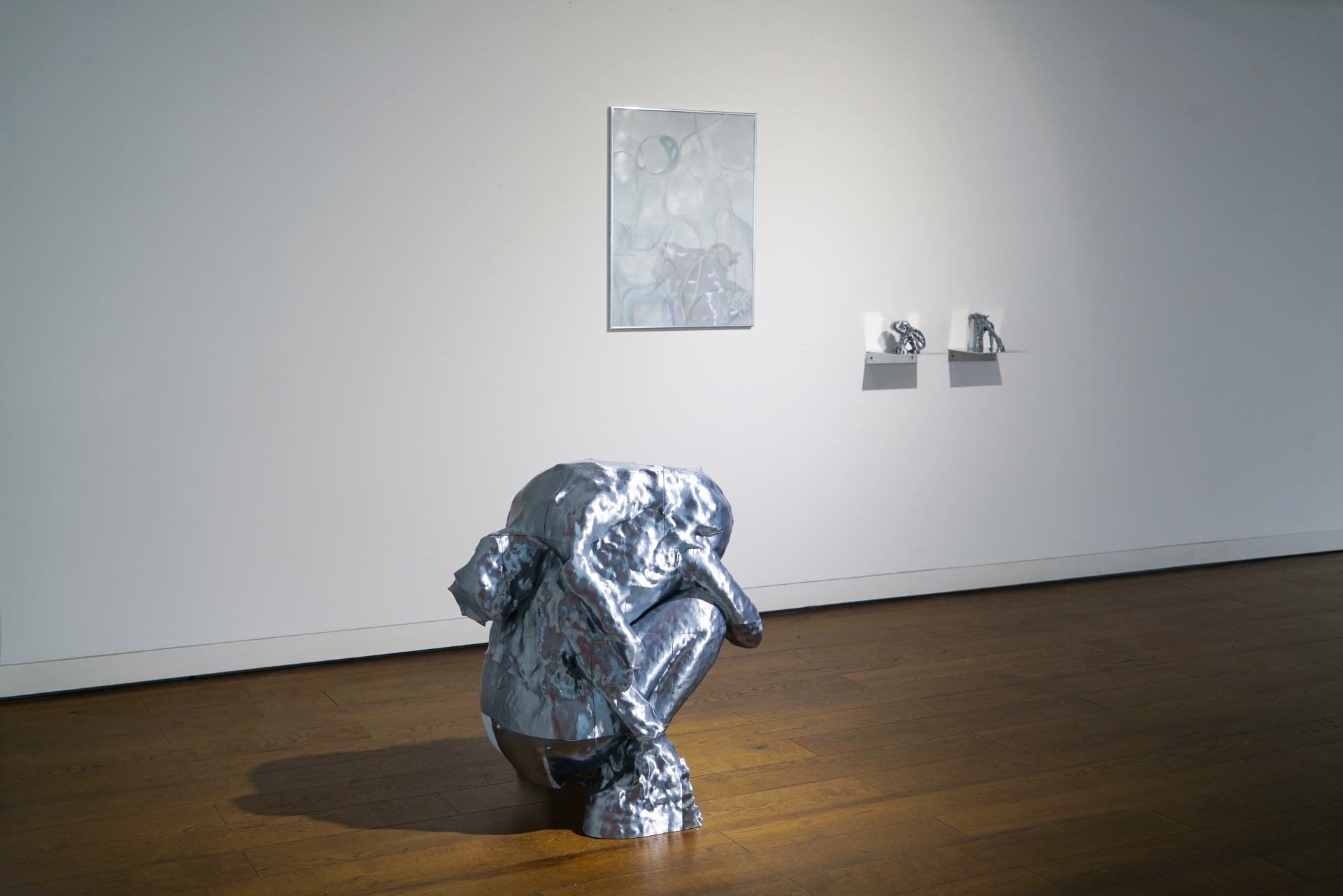
This is my first time working on a duo show. collaborating with Jack (Evans) and Dylan (Doe) in the past few months has been a thought-provoking process of unpacking how our attention and behaviours have been shaped by technological processes. The exhibition, Latent Relics, was born out of conversations around sci-fi works we admire - such as Silo - and reflects on what remains after humanity, and what post-human conditions might look like.
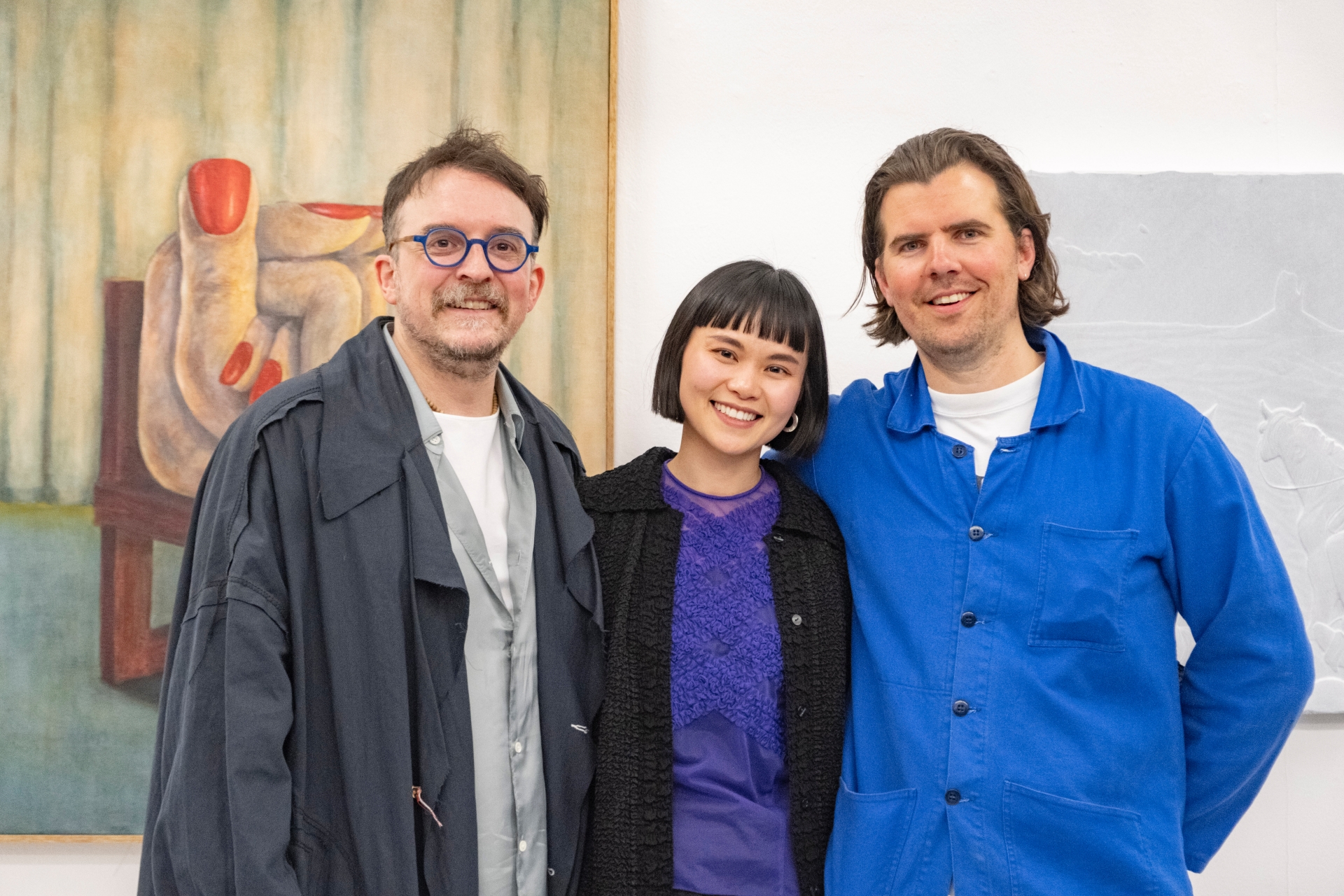
I have also been working with the artist collective Foreshadowing whose practice is rooted in ecological grief and collective witnessing. We’re holding a gathering later this month at Delfina Foundation, which has been incredibly supportive under the direction of Aaron Cezar and with the thoughtful guidance of curator Erin Li. These collaborations have expanded my understanding of what it means to witness, to hold space, and to grieve collectively.
What do you see as the most pressing conversations in curatorial practice today, especially regarding inclusivity and knowledge dissemination?
I’m curious to what extent we can sustain “pressing” conversations - those that challenge us - without retreating into echo chambers. How do we hold space for productive conflict, rather than polarization? I worry that we’re losing the ability to speak across differences, to remain curious about those we disagree with.
Are there any upcoming curatorial projects or research directions that excite you?
I’m currently curating Lulu Wang’s upcoming institutional solo exhibition, which opens this November in a Black-led space. I feel incredibly grateful to be working with such a dedicated and thoughtful team. The show explores layered narratives of diaspora, resilience, and tenderness and I’m excited for the conversations it will spark.
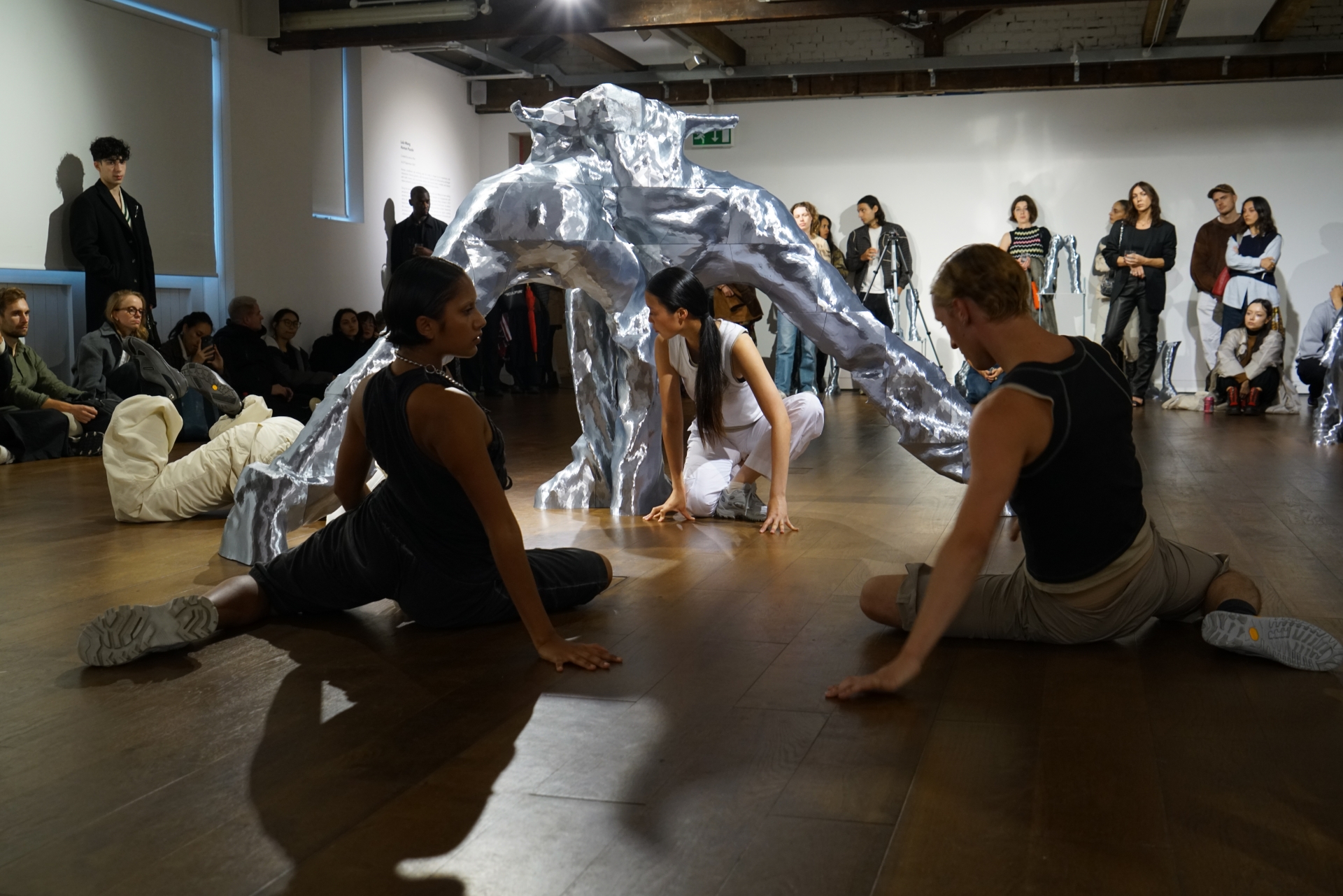
If curating an exhibition were like composing a soundtrack, what kind of music would best reflect the themes you explore?
Dylan (Doe), who was a full-time musician before becoming a painter, created a sound collage from his old archive that plays in the back storage room of the show. There’s a sense of ‘non-place’ in that sound, something slightly unsettling, where you don’t quite know what’s coming next. That feeling resonates with me. I enjoy letting go of control, allowing myself to listen deeply, and being carried by whatever arises. Curating, like sound, can be about embracing uncertainty with a spirit of openness.