PODCAST
CHI WING LO: THE ARTIST WHO TEACHES US HOW TO LIVE AND ALLOWS US TO SELF REFLECT
LISTEN NOW


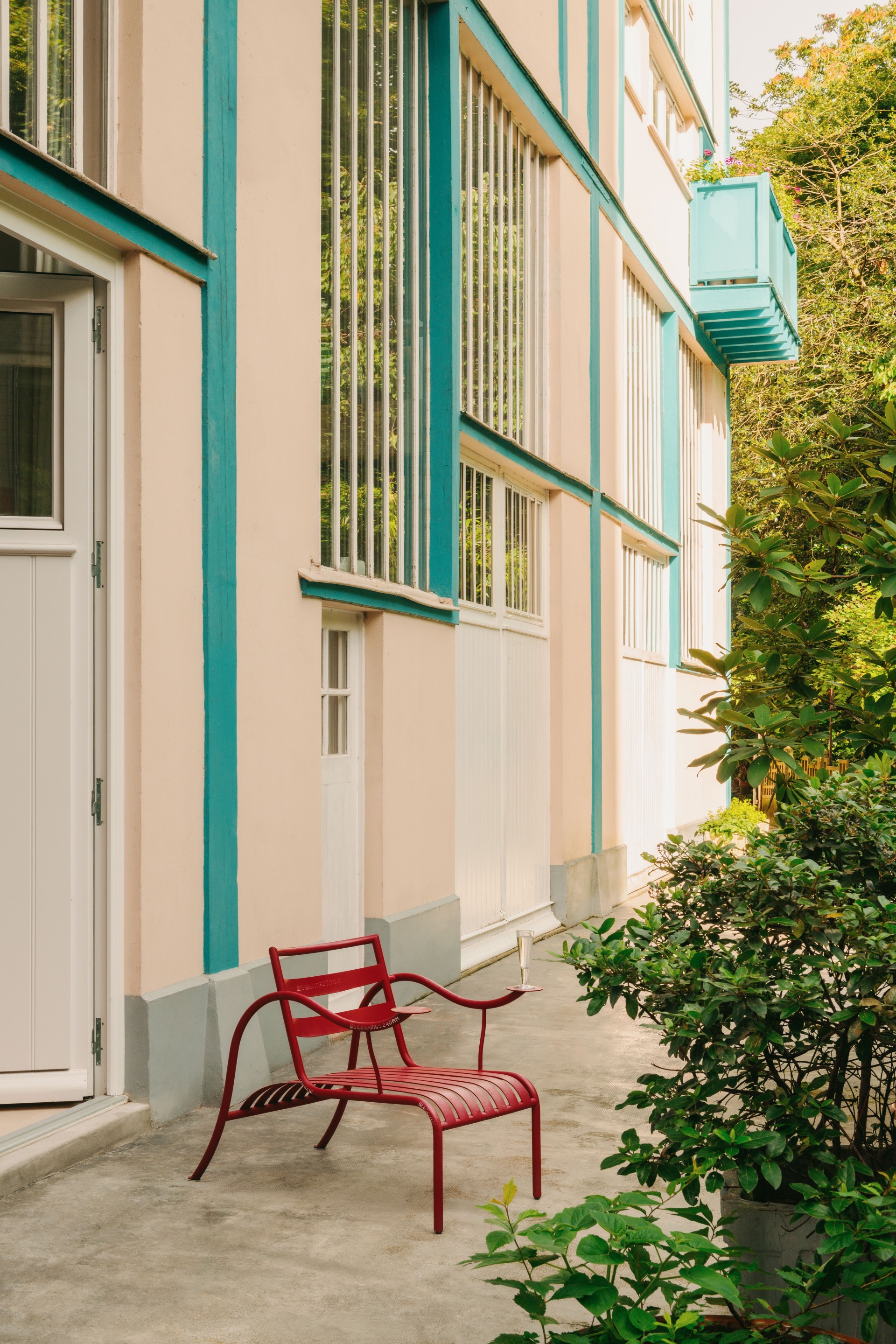
Nestled within Paris’s 15th arrondissement, a silent sentinel of early 20th-century elegance stands: a building designed by Pierre Patout. From the curb, the façade exemplifies Art Deco restraint, characterized by its meticulous cut stone, warm facing brick, and intricate ironwork. At the rear is where the building truly breathes. Here, the former studios of legends - Jules Cavaillès, Jean Vénitien, and Camille Pissarro - are bathed in the ethereal, northern light of the Petite Ceinture, their vast glass roofs framing a verdant urban sanctuary.
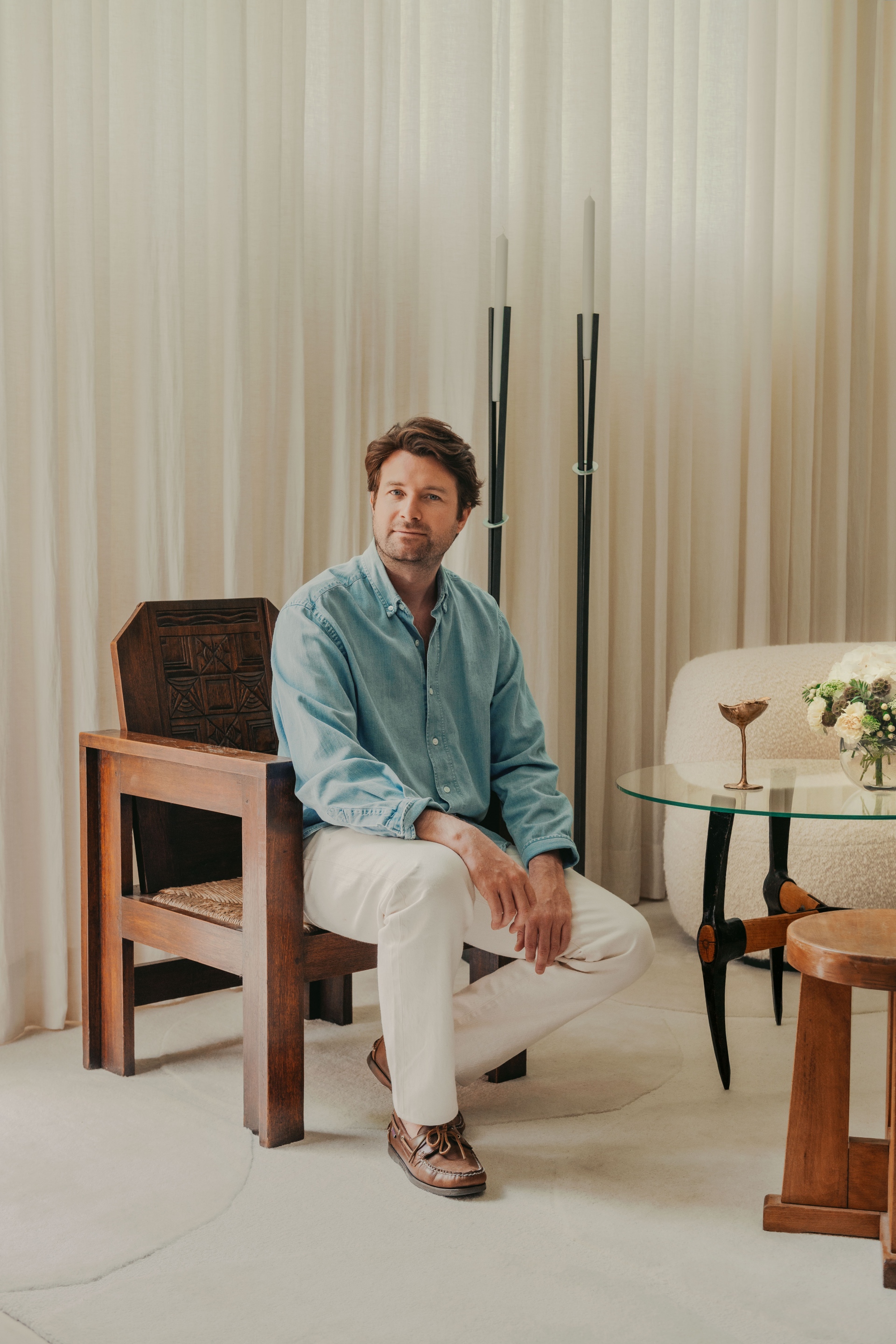
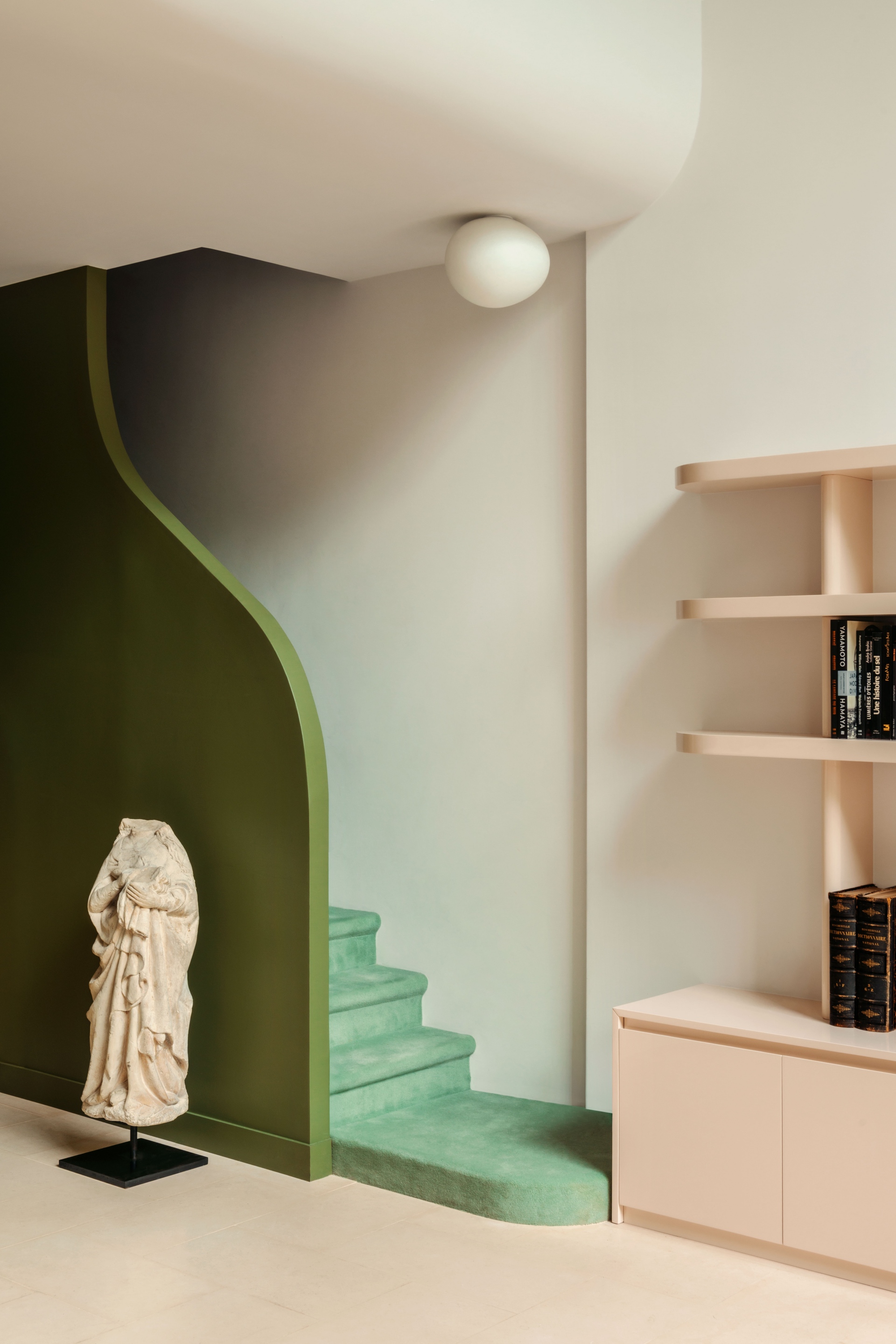
Within this historic cradle of creativity, architect Martin Massé has staged an intervention. The duplex in question, spanning the ground and first floors, was a labyrinth of traditional partitioning until Massé’s precise hand reimagined its flow. The objective was clear: to honor the industrial soul of the artist’s workshop while cultivating an intimate, sophisticated residence that functions seamlessly as both a sanctuary and a workspace.
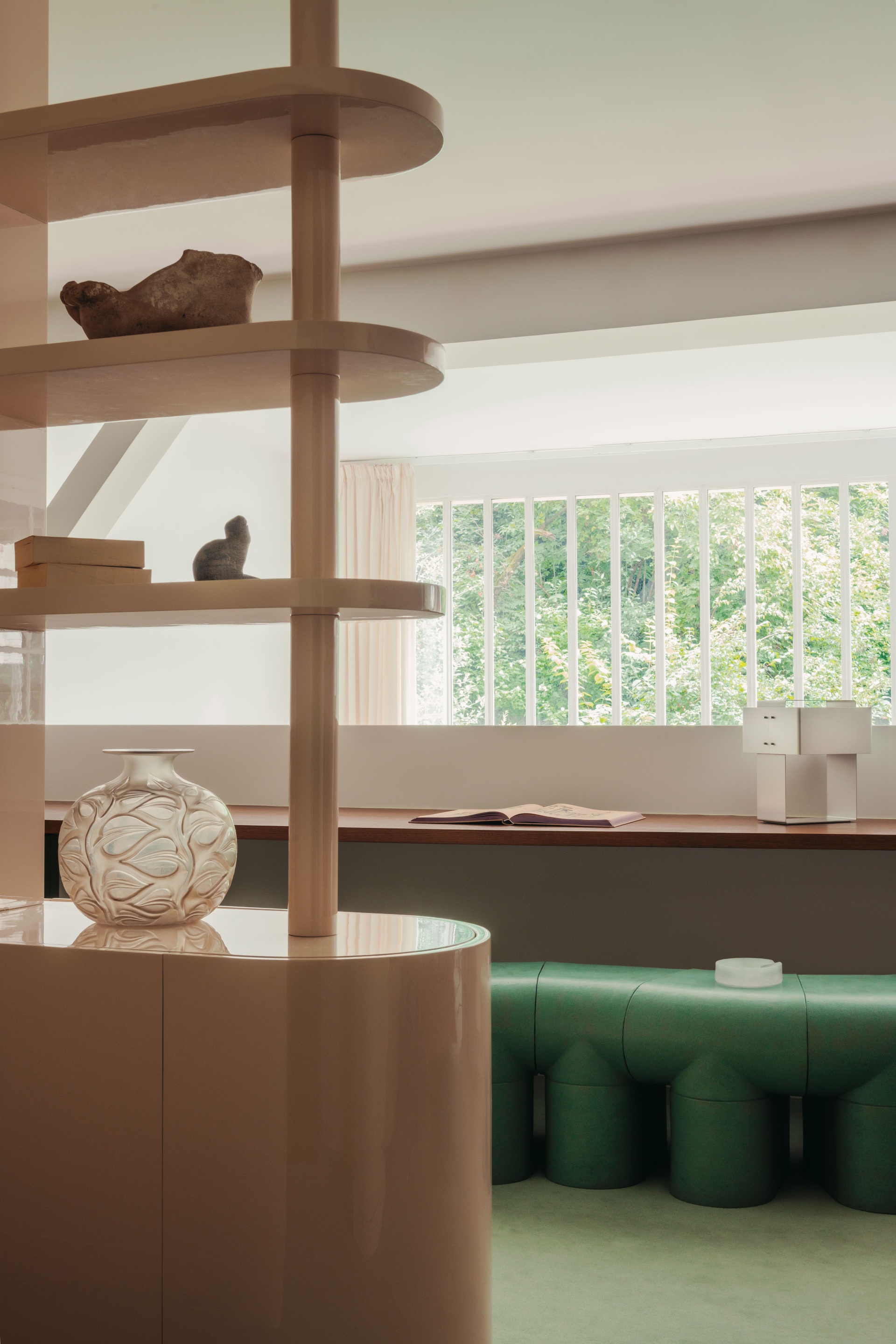
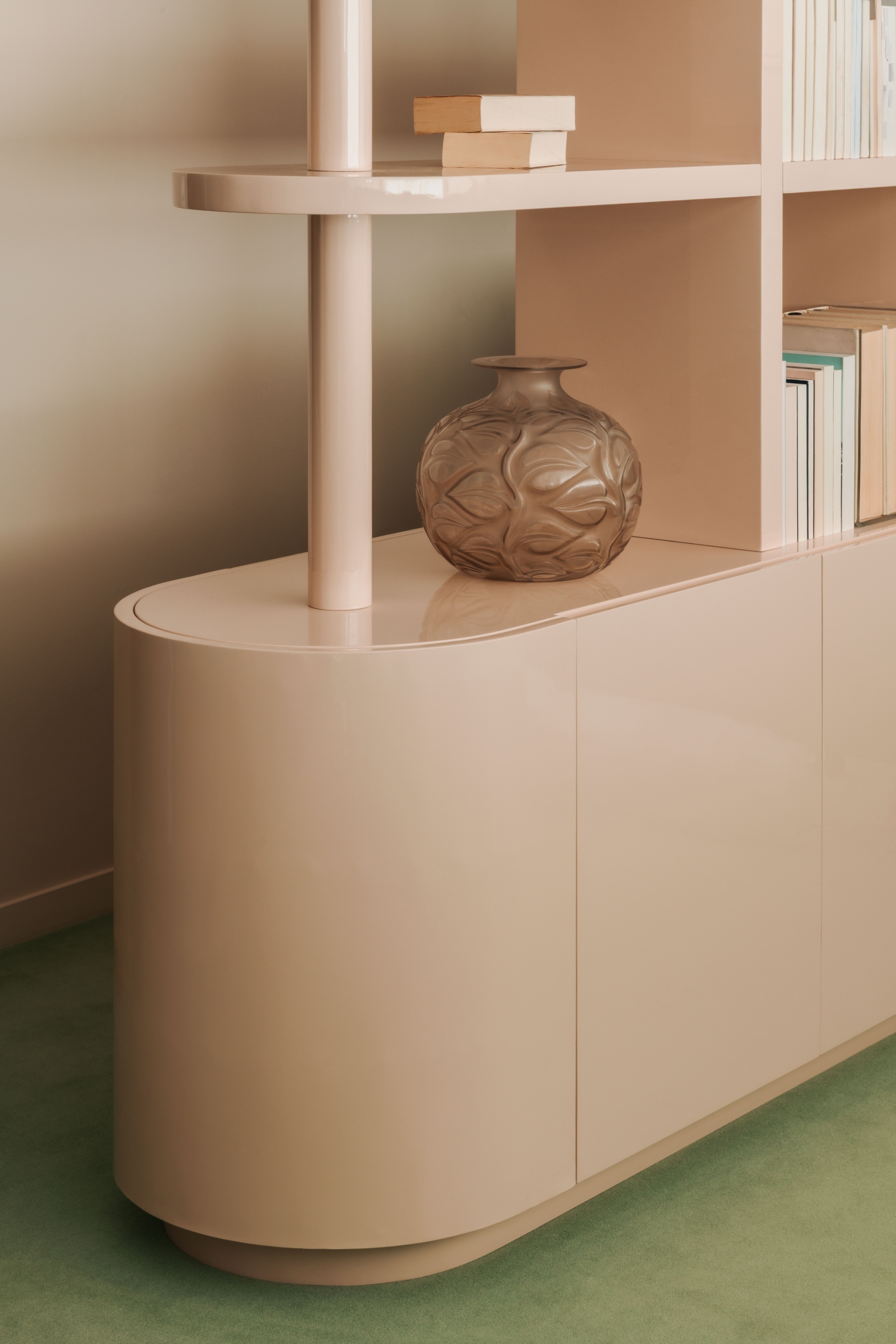
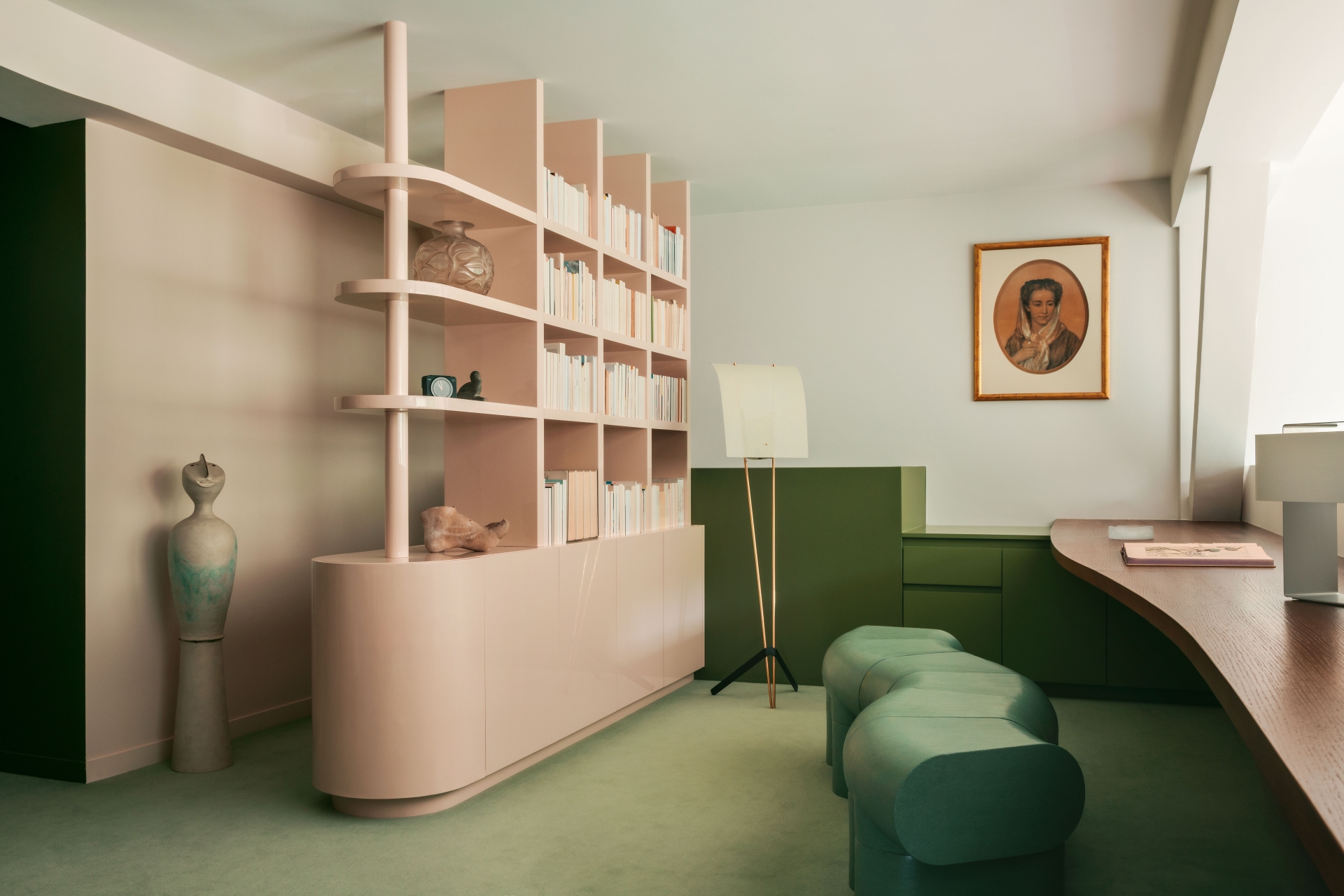
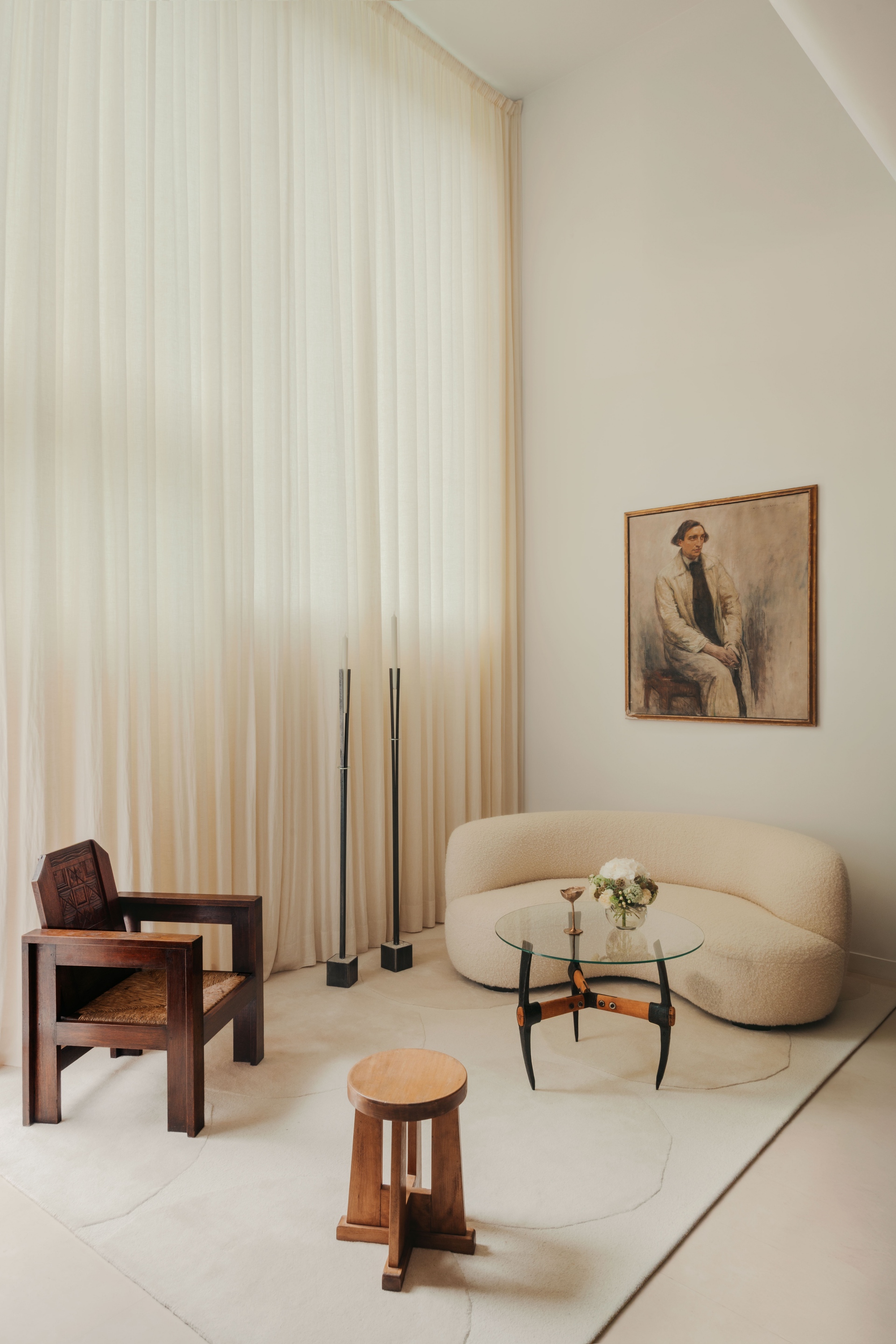
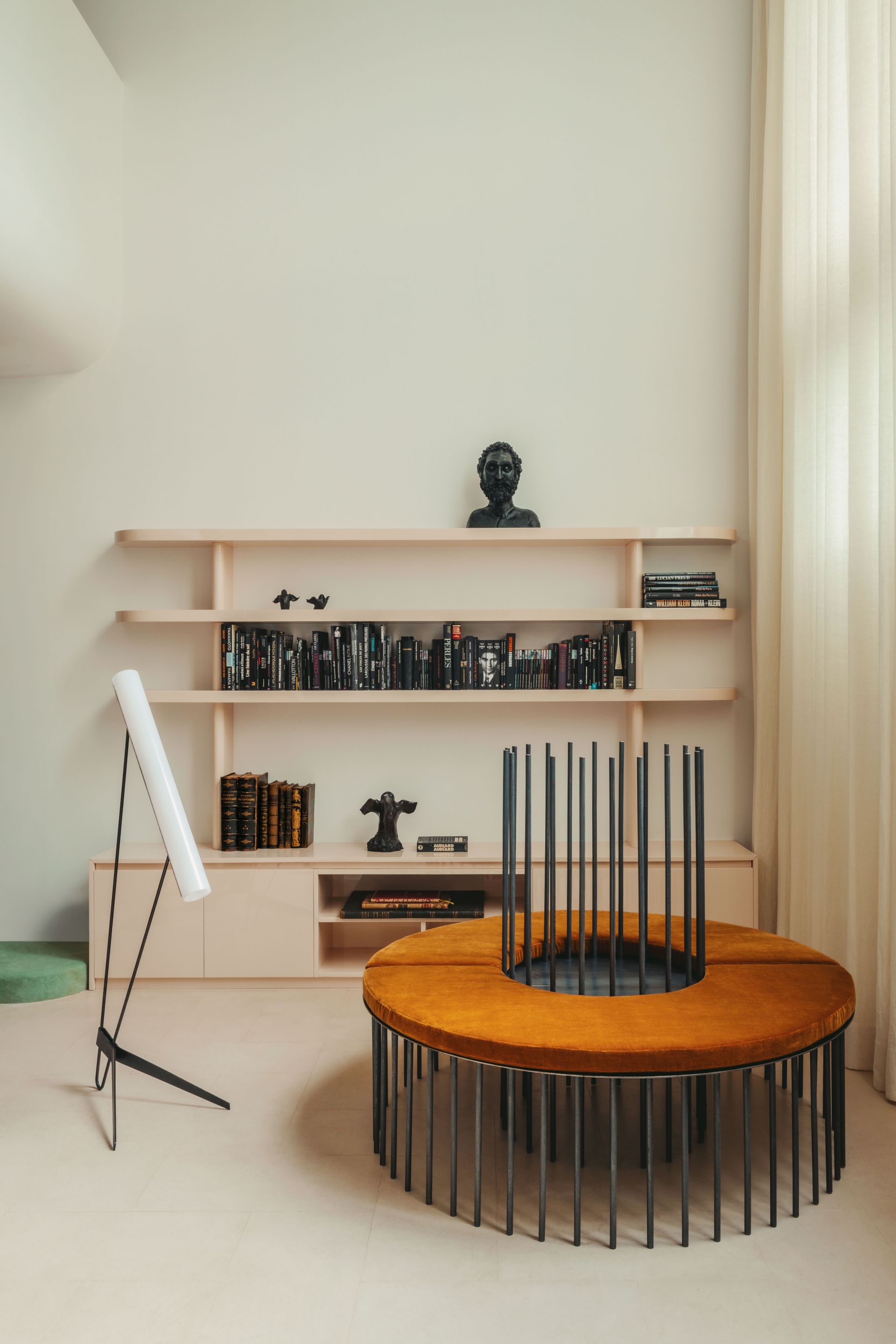
Massé’s most daring move was a complete inversion of the domestic hierarchy. The soaring 3.5-meter double-height space, once relegated to a workshop layout, is now the home’s public heart. Upon entering from the quiet courtyard, one is greeted by a living room and library that feel almost outdoor-adjacent, thanks to the immense glass roof. The palette here is one of serene minimalism - Portuguese stone floors in ghostly white, immaculate walls, and a cream-lacquered bookcase whose curves nod to the modernist grace of Eugène Printz.
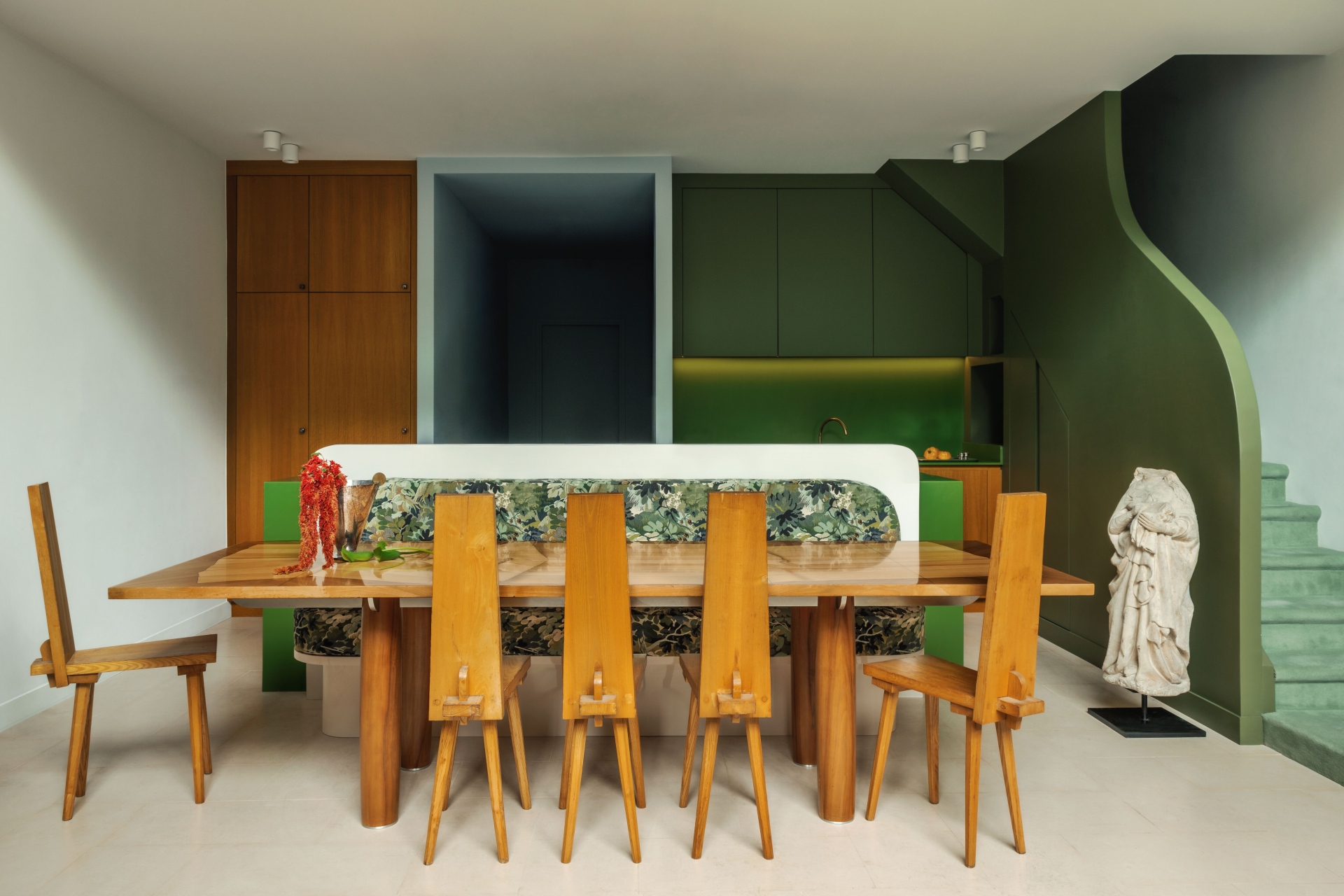
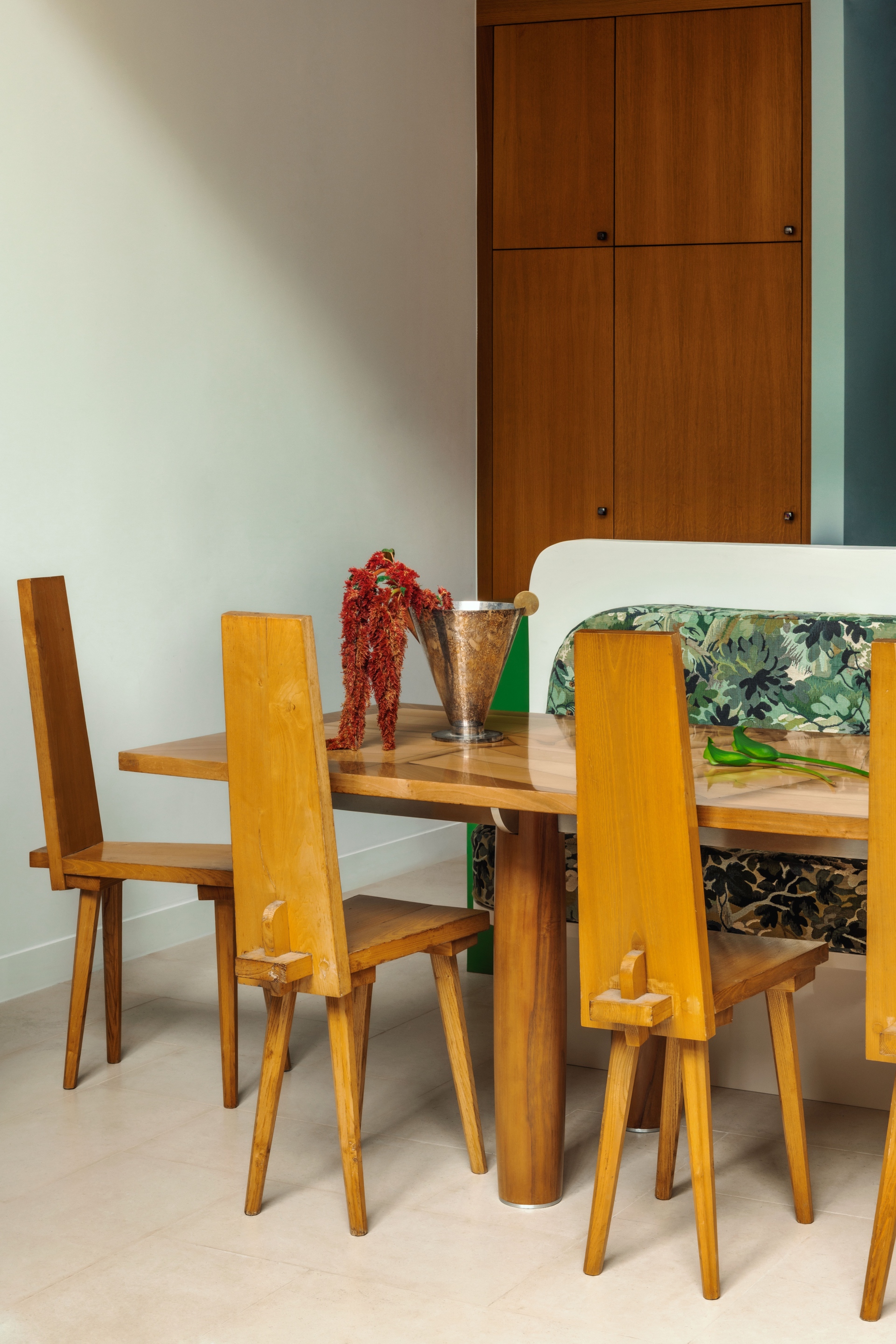
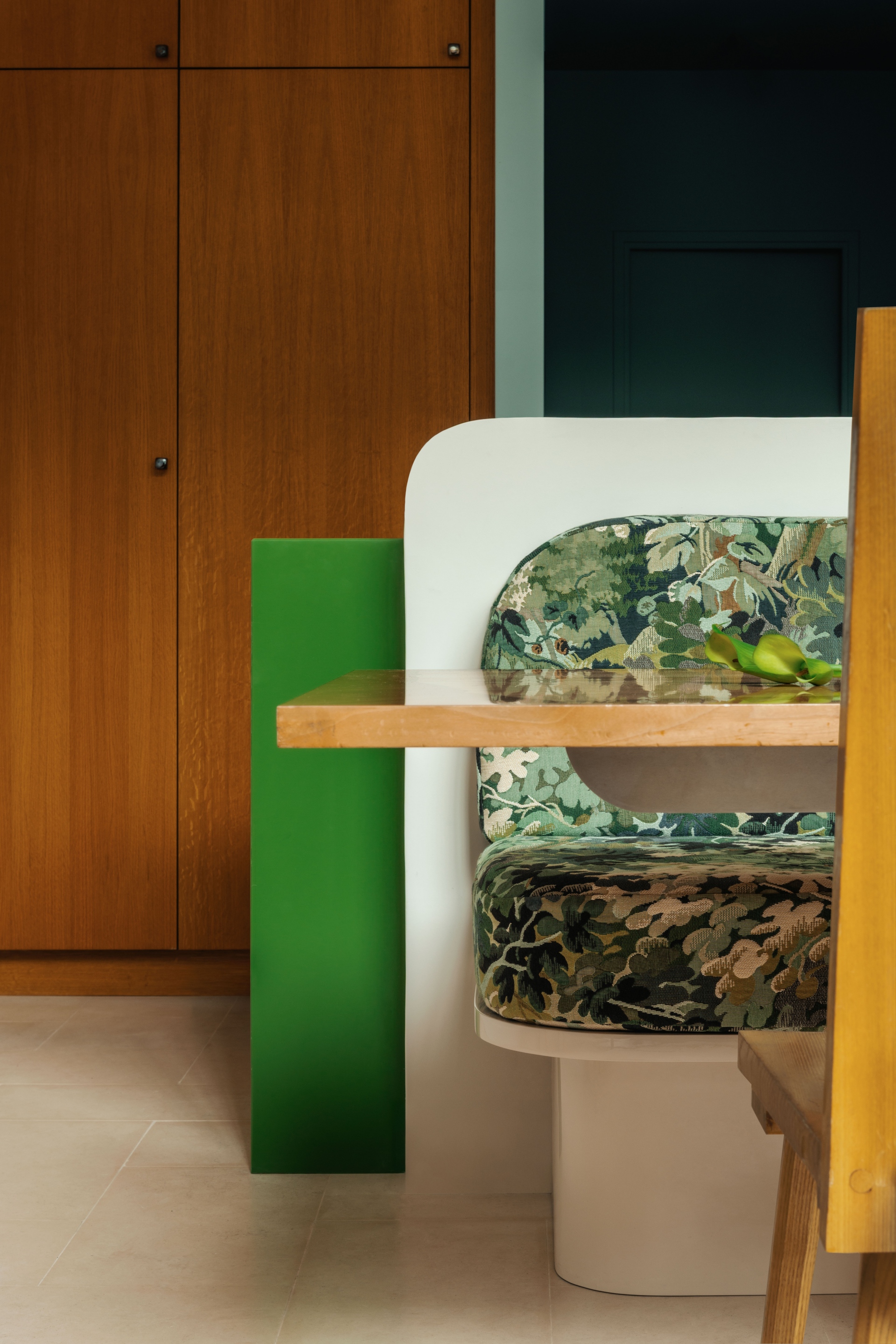
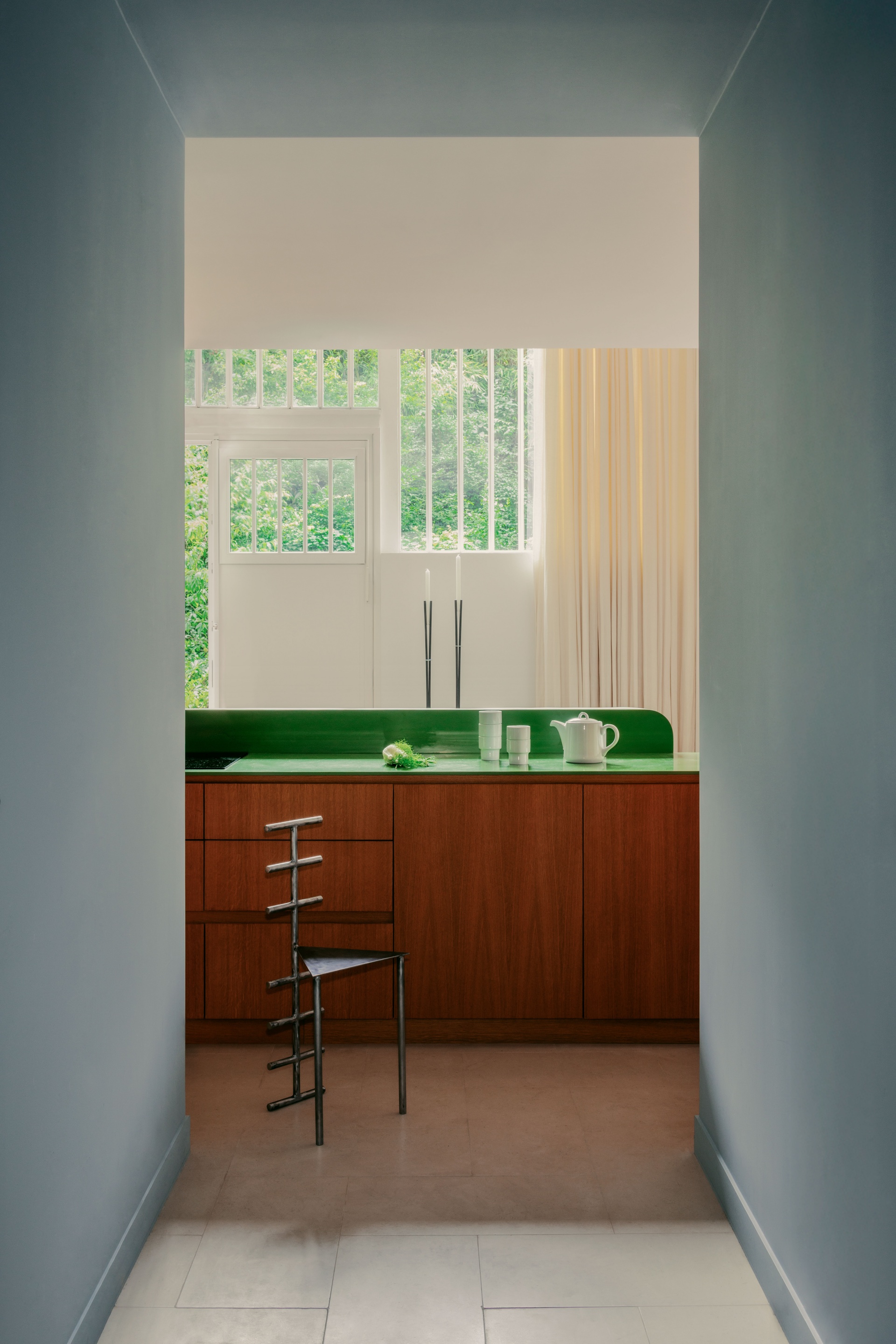
As one moves deeper into the ground floor, the serenity gives way to a bold, pictorial drama reminiscent of a Serge Poliakoff canvas. Massé has layered textures and tones with the confidence of an Old Master: a spring-green bench upholstered in Braquenié x Pierre Frey fabric sits against a sculptural green Corian island. Storage units in warm, orange-tinted oak provide a rhythmic counterpoint, while a winding handrail of wavy slats conceals the ascent to the private quarters.
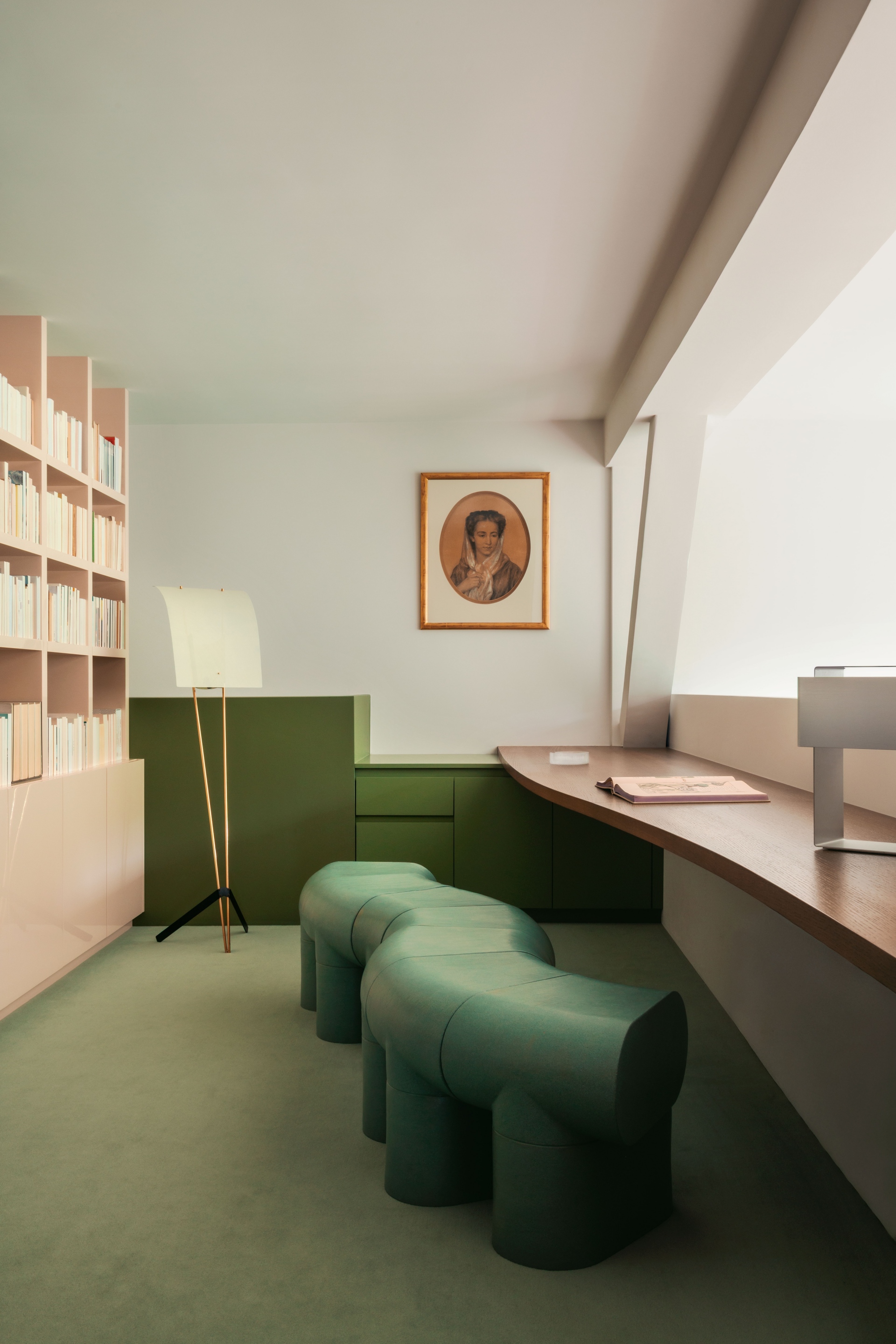
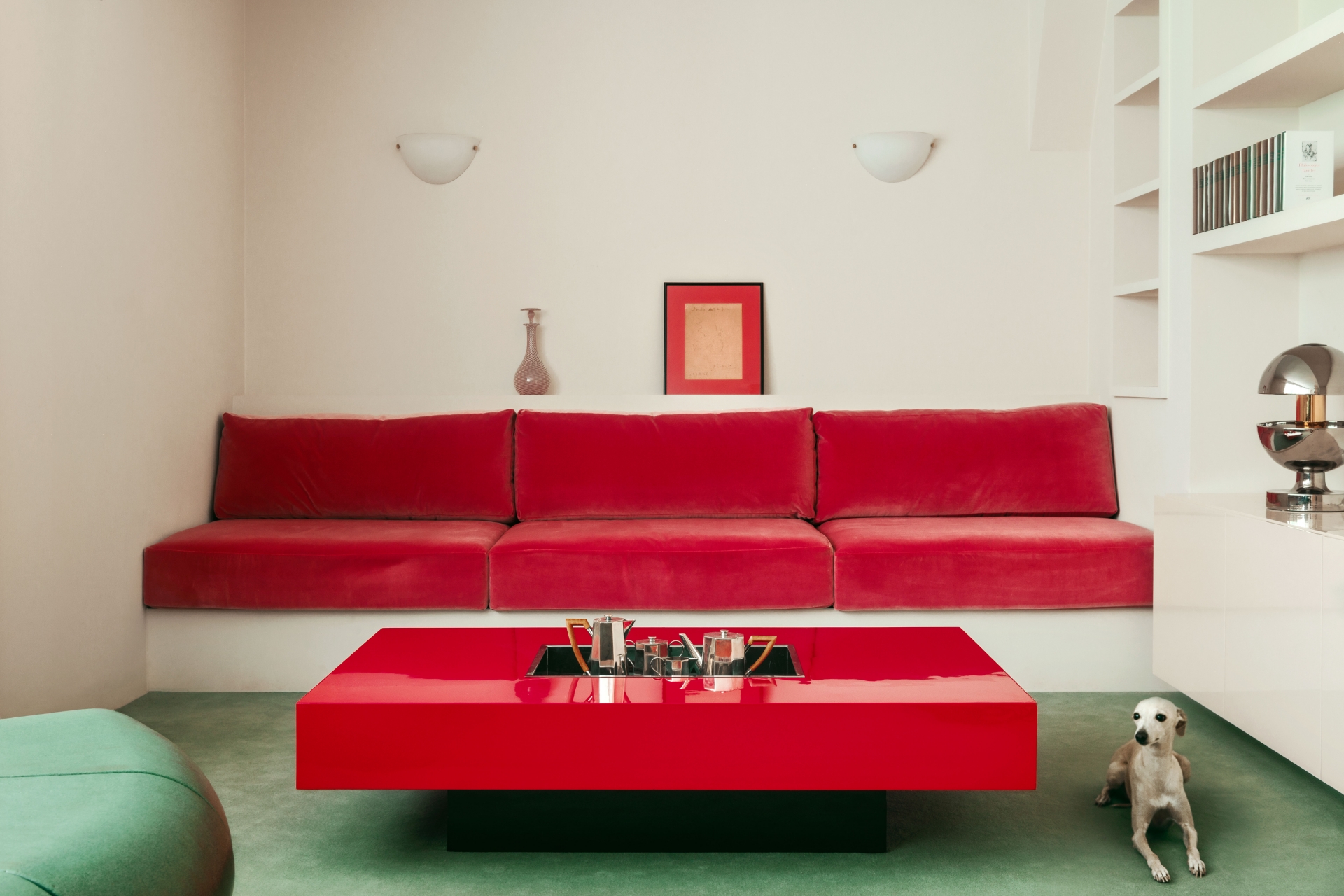
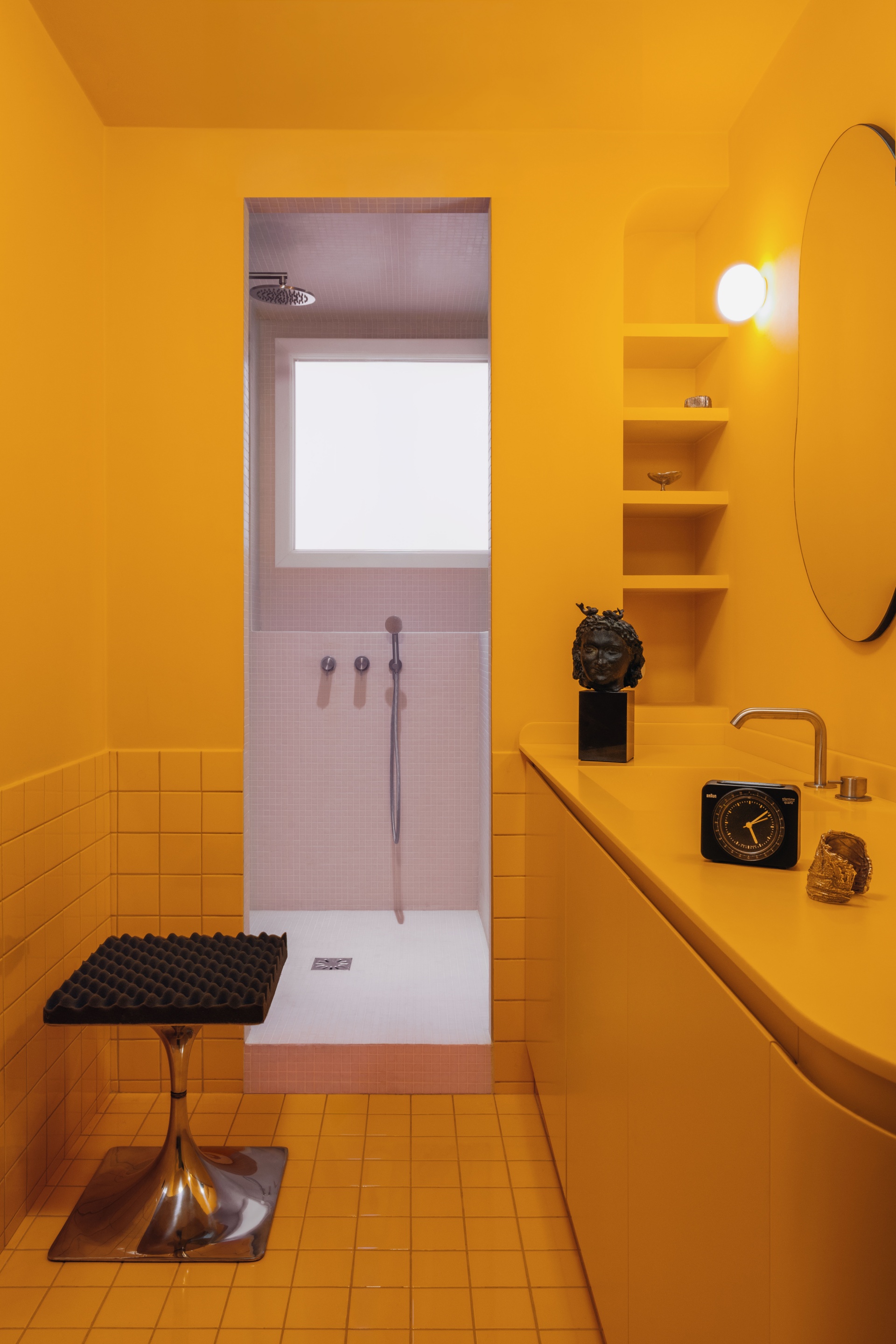
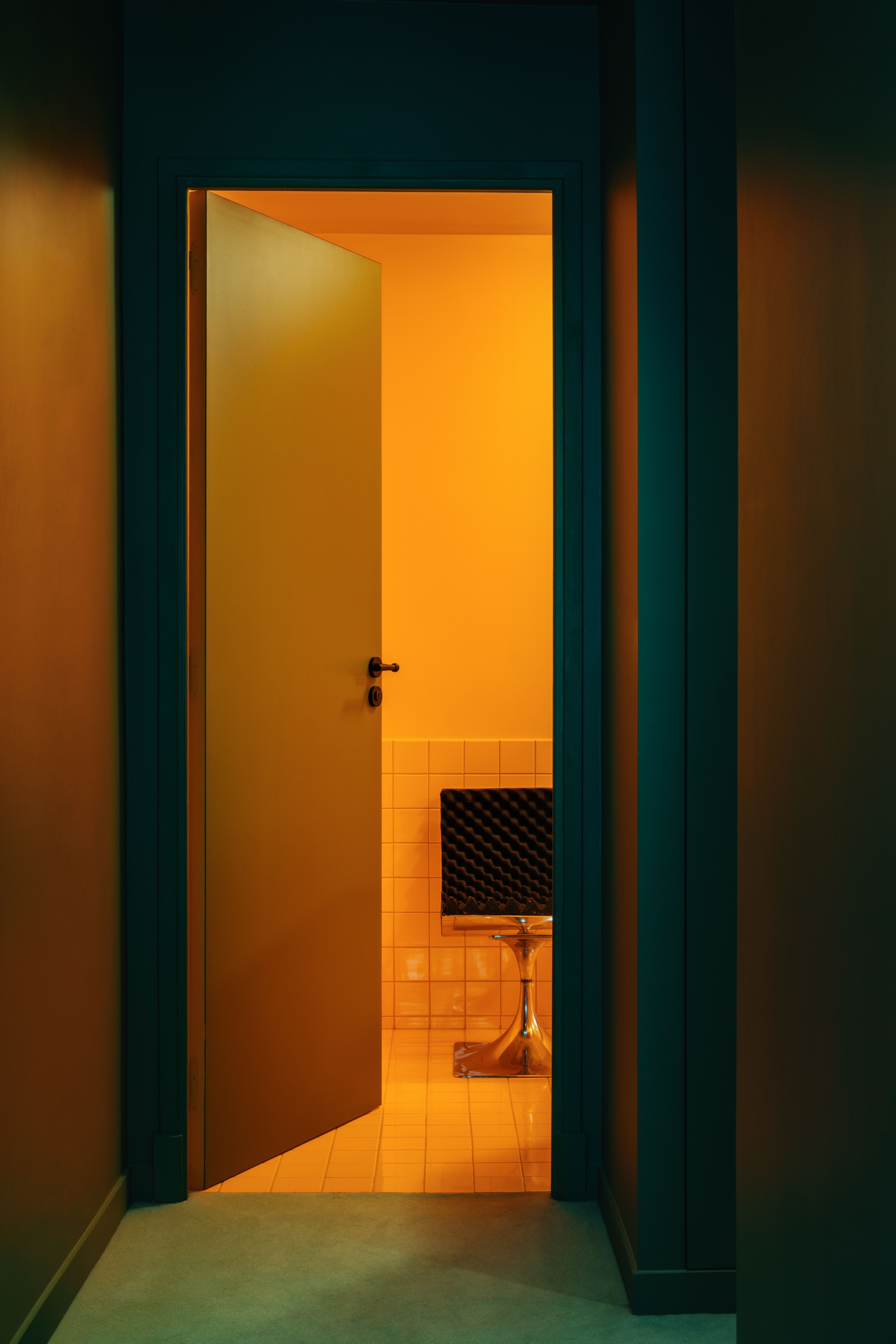
The upper level is an enveloping retreat, anchored by the plush luxury of green carpeting. A bespoke, curved desk traces the balustrade of the mezzanine, offering a contemplative view of the greenery outside. In the private lounge, a pink velvet bench and a 1970s red lacquered coffee table create a striking, jewel-toned vignette against cream walls. The transition to the bathroom is a journey into chromatic immersion. Inspired by the cinematic precision of Wes Anderson—specifically the saturated world of Hotel Chevalier—the space is a monochromatic yellow dream of glossy ceramic tiles and lacquered cabinetry, softened only by a delicate pale pink Bisazza mosaic in the shower.
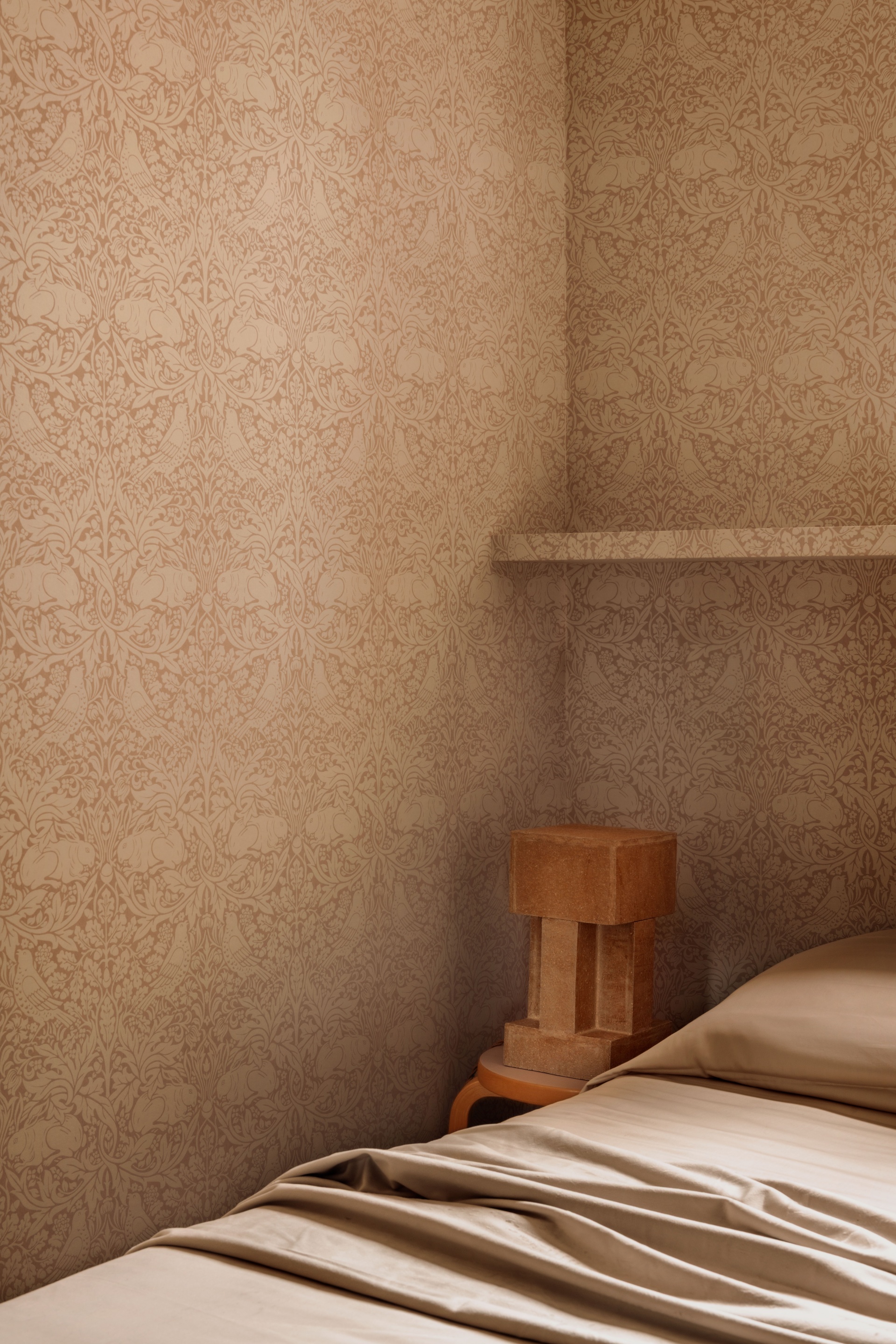
The final act of this architectural narrative is the bedroom, a deliberate departure from the modernist frame. Here, Massé invokes the late 19th century with a floral Morris & Co wallpaper, creating a feminine, Art Nouveau escape that feels like a poetic respite from the structured elegance of the rest of the flat.
Massé’s signature is written in these precise proportions and fine materials. A graduate of the École Spéciale d’Architecture and a protégé of Joseph Dirand and Wilmotte & Associés, Massé brings a multidisciplinary rigor to his work. His furniture - functional sculptures like those found in his award-winning ORSETTO collection - complements the architecture, ensuring that every detail, from the play of light to the curve of a handrail, contributes to a unique, evocative atmosphere.