PODCAST
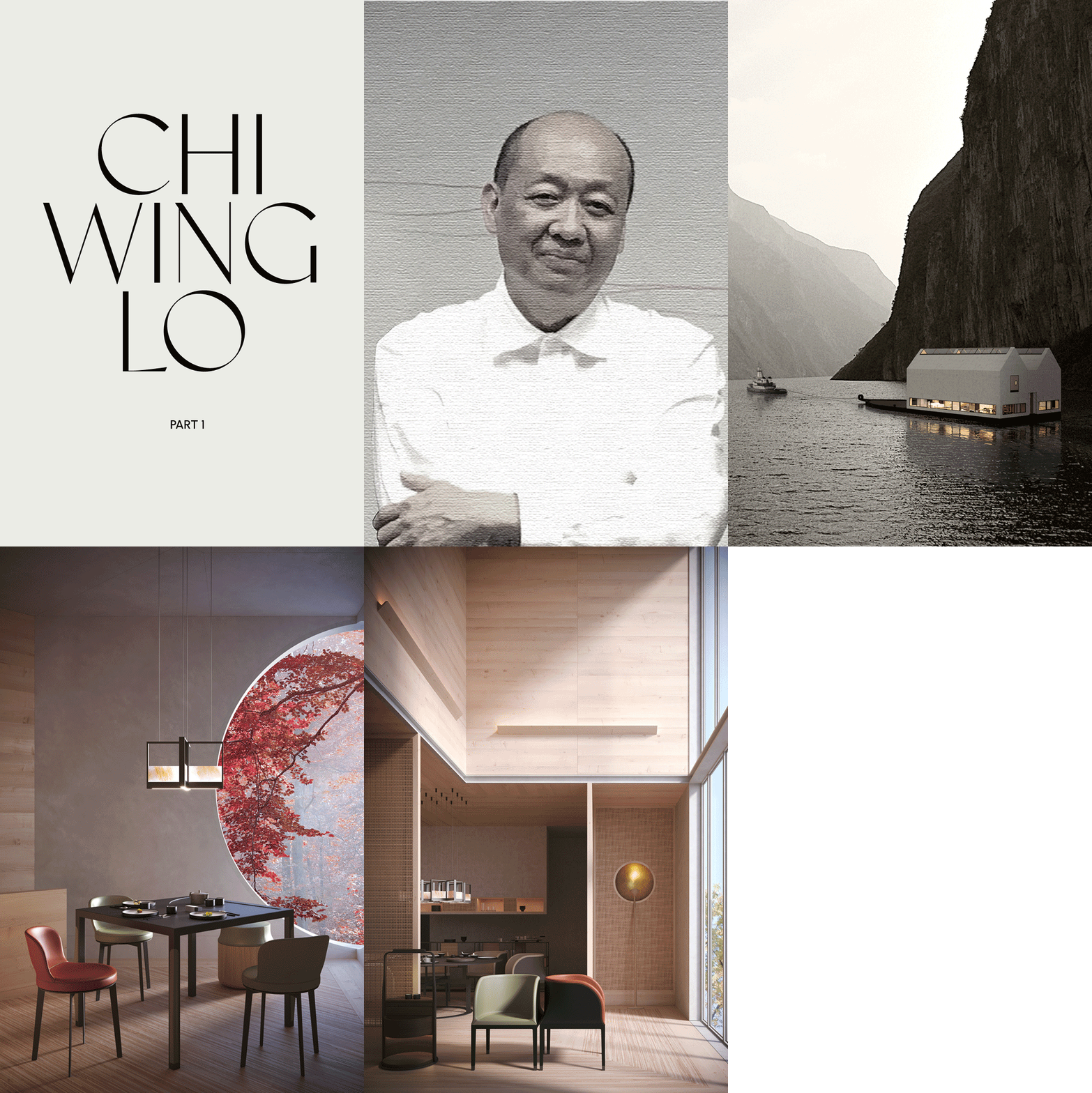
CHI WING LO: THE ARTIST WHO TEACHES US HOW TO LIVE AND ALLOWS US TO SELF REFLECT
LISTEN NOW


Returning to London for the 1-54 Contemporary African Art Fair is always a compelling pilgrimage. Visiting the inaugural edition at Somerset House in 2013 felt like a quiet revelation—an encounter that instantly challenged the Western-centric biases of the global art market and exposed the sheer depth, vigor, and sophistication of contemporary African practices.
Thirteen years later, 1-54 returns to Somerset House for its 14th London edition with what organizers describe as its most structurally significant evolution to date. For the first time, African Modernism receives a dedicated curatorial focus alongside the contemporary fair, positioning mid-twentieth-century pioneers in deliberate, resonant conversation with practitioners shaping the global aesthetic discourse today.
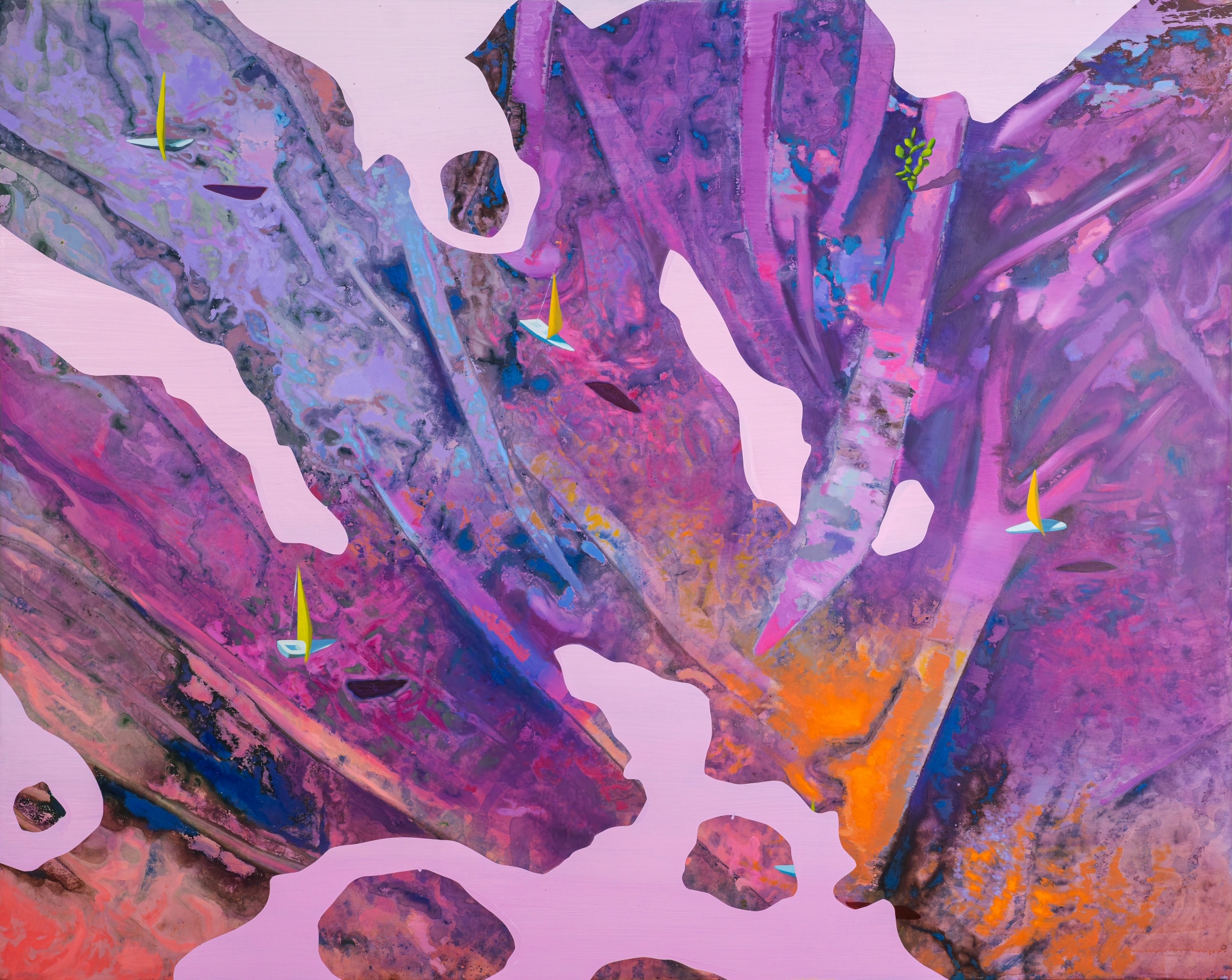
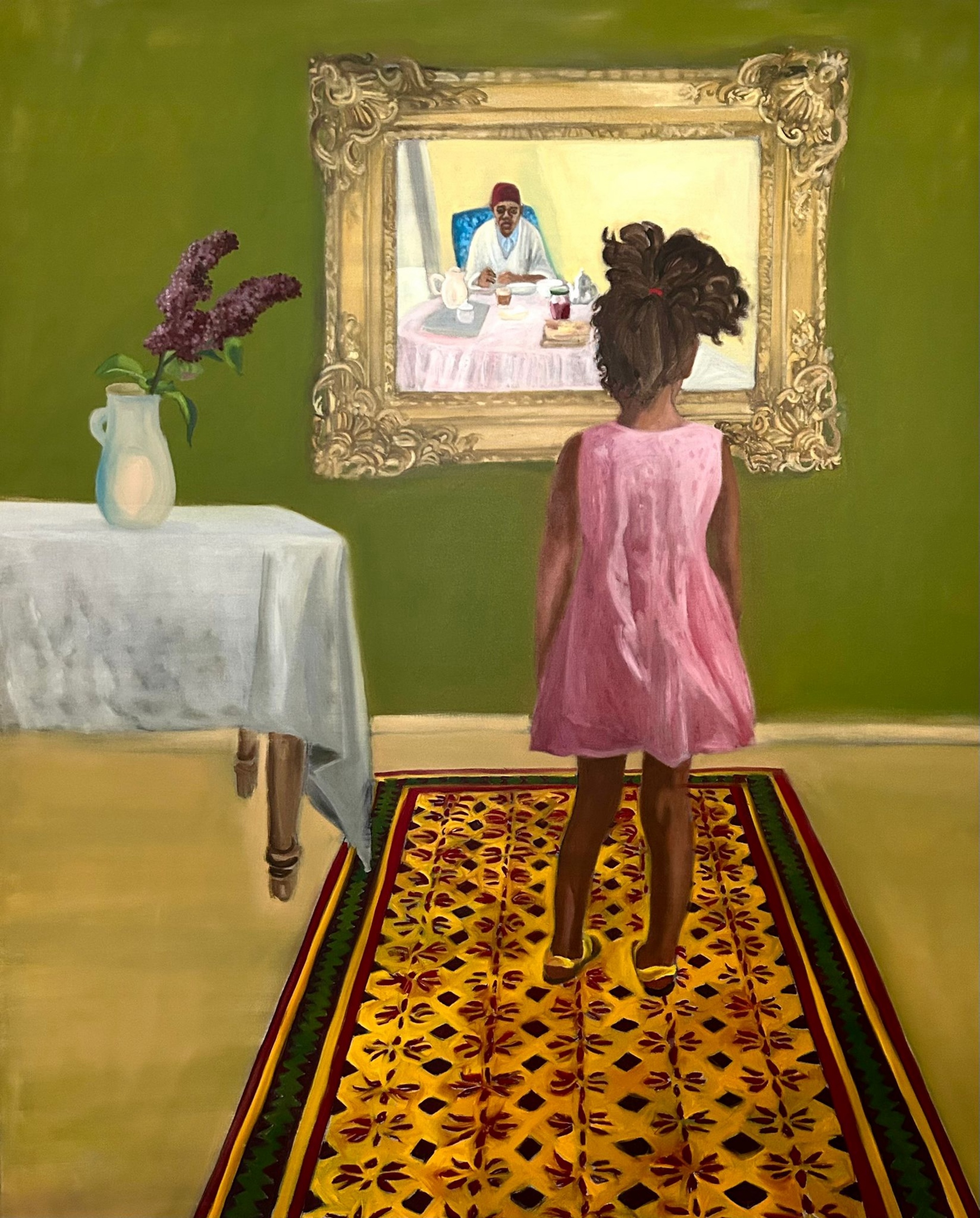
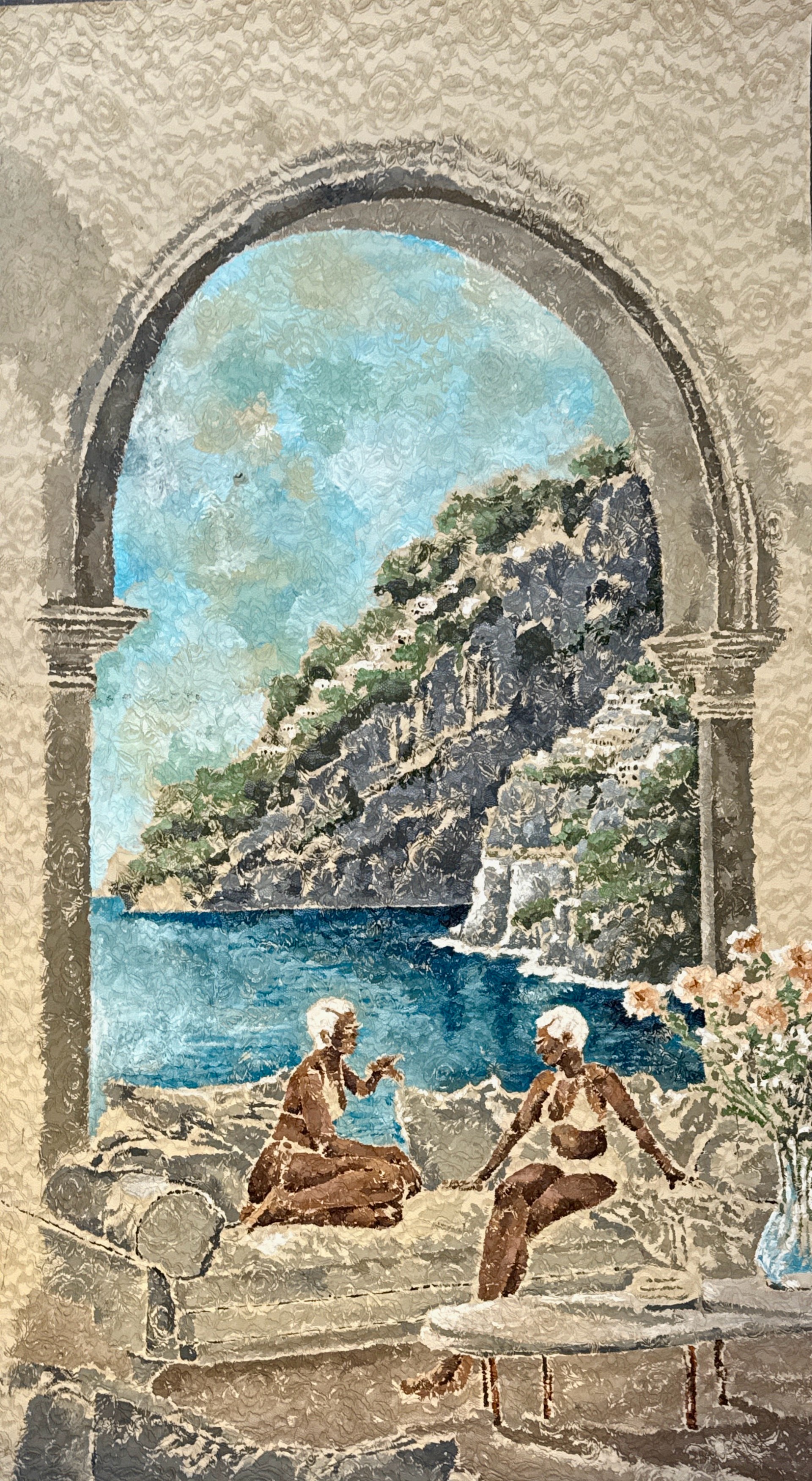
Founded in 2013 by Moroccan-born Touria El Glaoui—daughter of the celebrated painter Hassan El Glaoui—1-54 derives its title from the 54 nations that comprise the African continent. From its origins in London, the fair has expanded strategically to New York and Marrakech, anchoring international appreciation for artists across Africa and its global diaspora. By expanding its lens backward, 1-54 now interrogates the historical canons of Modernism, according proper stature to masters whose contributions have long been marginalized in mainstream global art histories.
This curatorial pivot is both vital and long overdue. While twentieth-century Western Modernism is routinely framed through Picasso, Matisse, and the European avant-garde—frequently omitting the foundational influence of African visual vocabularies on their work—modernists across Africa were forging distinct, highly sophisticated aesthetic frameworks. Reacting to indigenous artistic traditions, colonial fractures, independence movements, and rapid urban transformation, these masters built visual languages that demand critical engagement on their own terms.
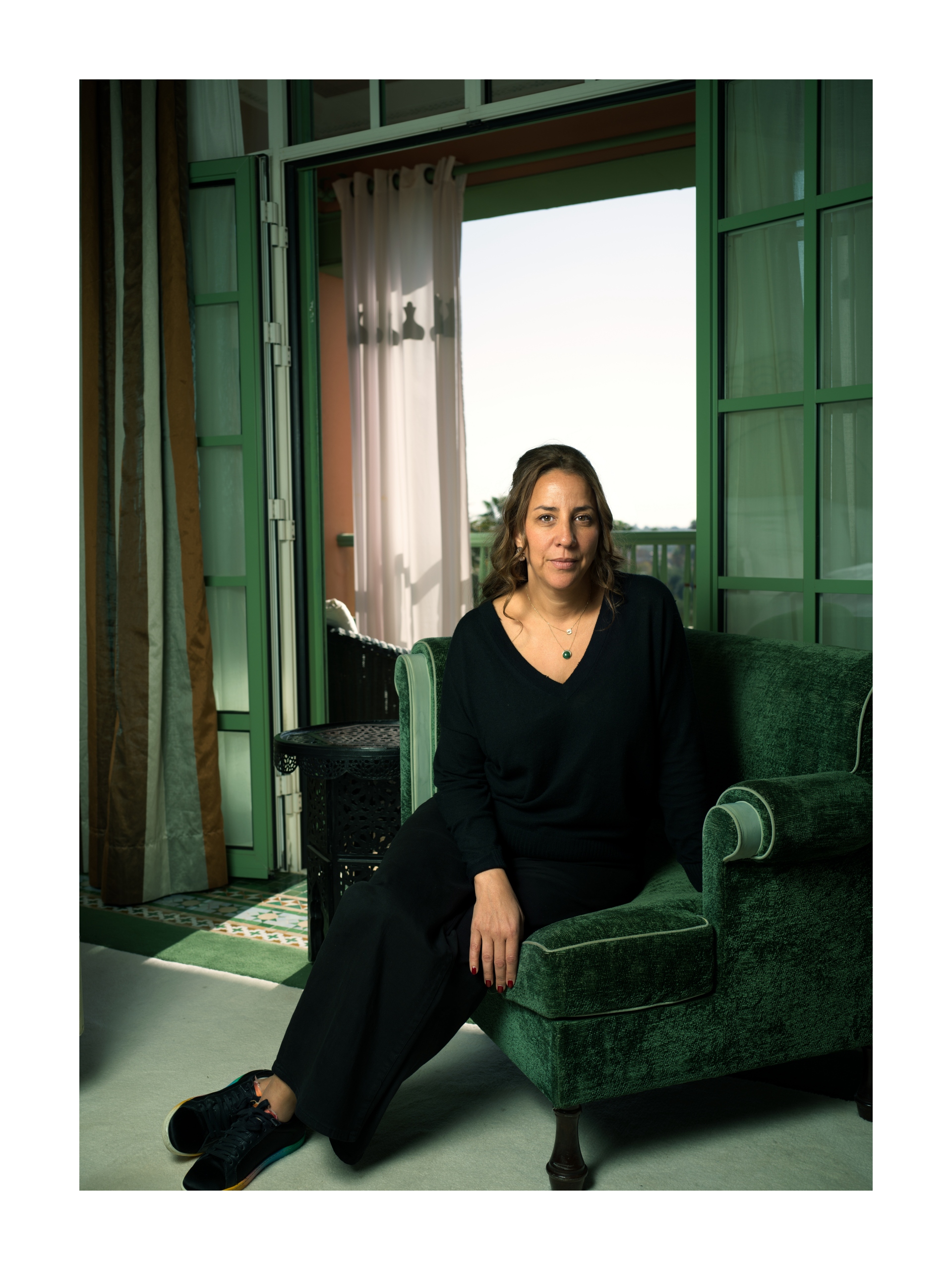
Anchoring this historic pivot is West Wind, a flagship exhibition curated by South African-Portuguese art historian Dr. Nancy Dantas. Drawing its name from Miriam Makeba’s iconic 1966 anthem, the survey explores an era when artists across the continent re-articulated identity and social reality during periods of profound political transition. Key highlights include Sudanese master Ibrahim El-Salahi, who seamlessly fused Arabic calligraphy and traditional African motifs with rigorous geometric abstraction, and South African painter Gerard Sekoto, whose empathetic depictions of urban life offer a poignant witness to the human realities under apartheid and segregation.
Particularly arresting is the inclusion of Algerian artist Baya (Baya Mahieddine), whose vibrant compositions brim with lyrical female figures, fauna, and rich, dreamlike landscapes. Unfolding with exuberance and singular authority, her work captures an entirely autonomous imagination. While Picasso famously drew inspiration from her studio practice, Baya’s legacy stands on its own immense artistic merits, entirely independent of European validation.
The broader Modernist survey expands across regional contexts, featuring works by Mozambican master Bertina Lopes and Senegalese pioneer Papa Ibra Tall, alongside a curated spotlight on trailblazing Egyptian women Modernists. Interweaving these historical masters alongside cutting-edge contemporary presentations establishes a nuanced continuum, elevating the fair into an essential site of cultural and intellectual exchange.
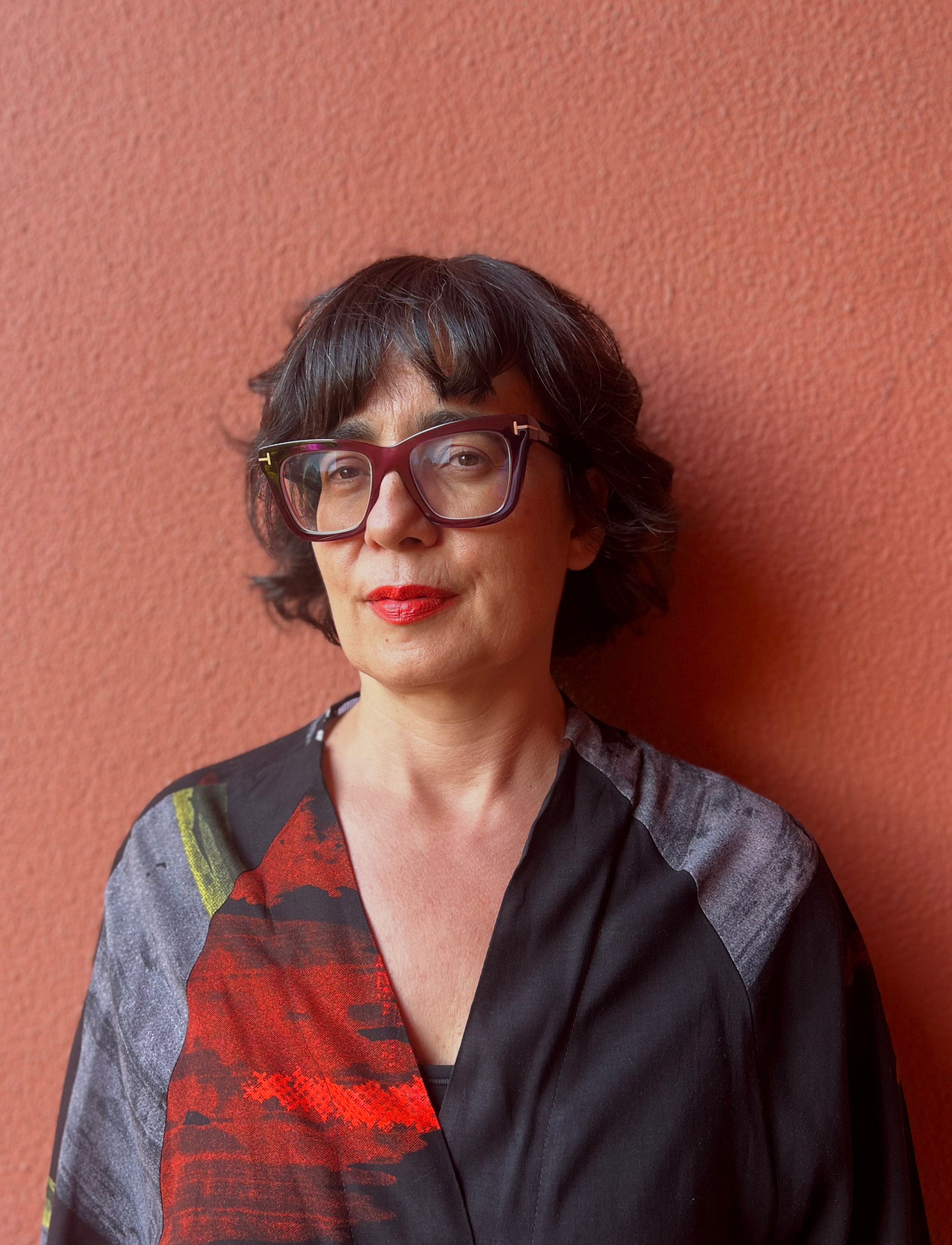
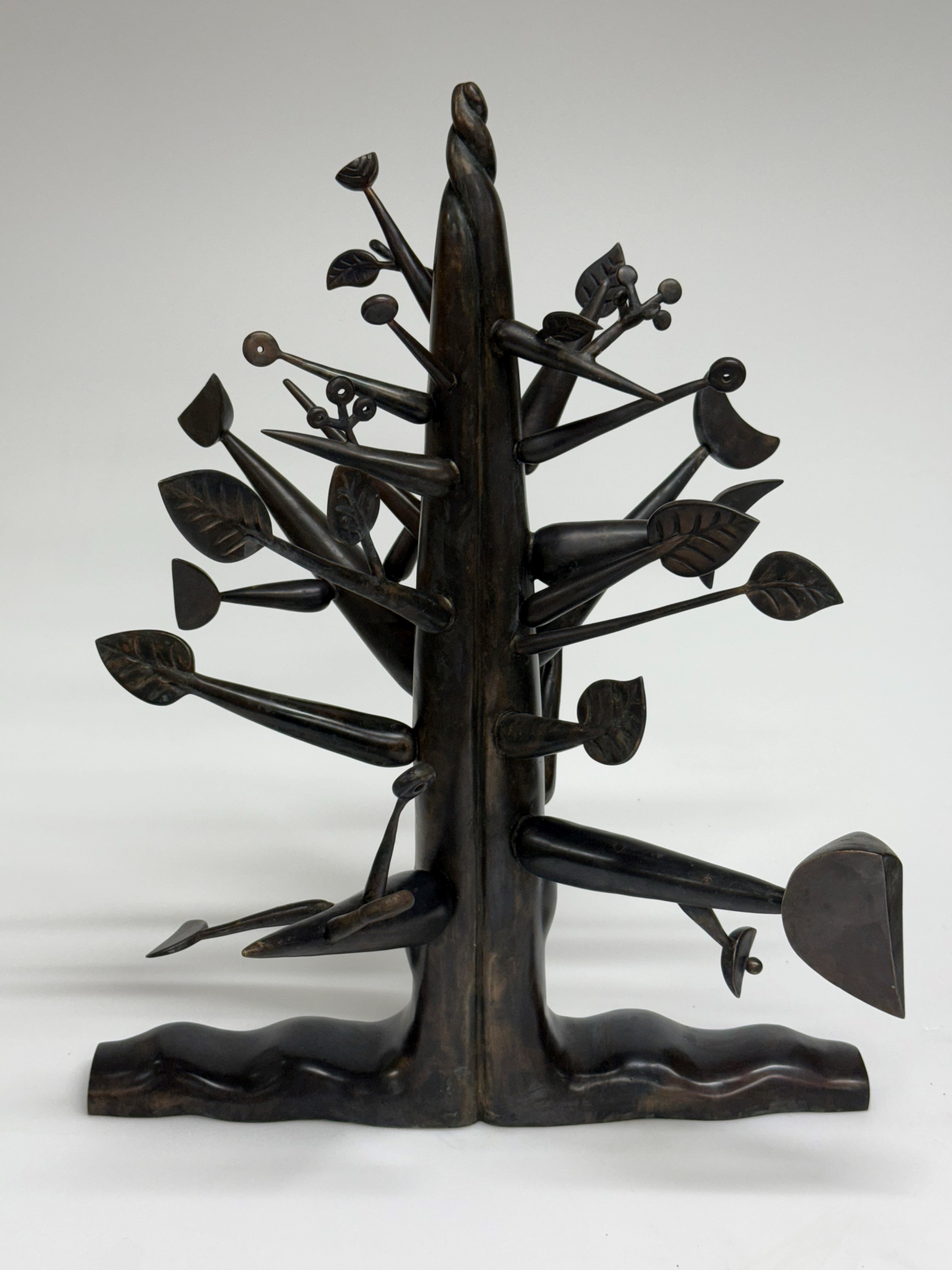
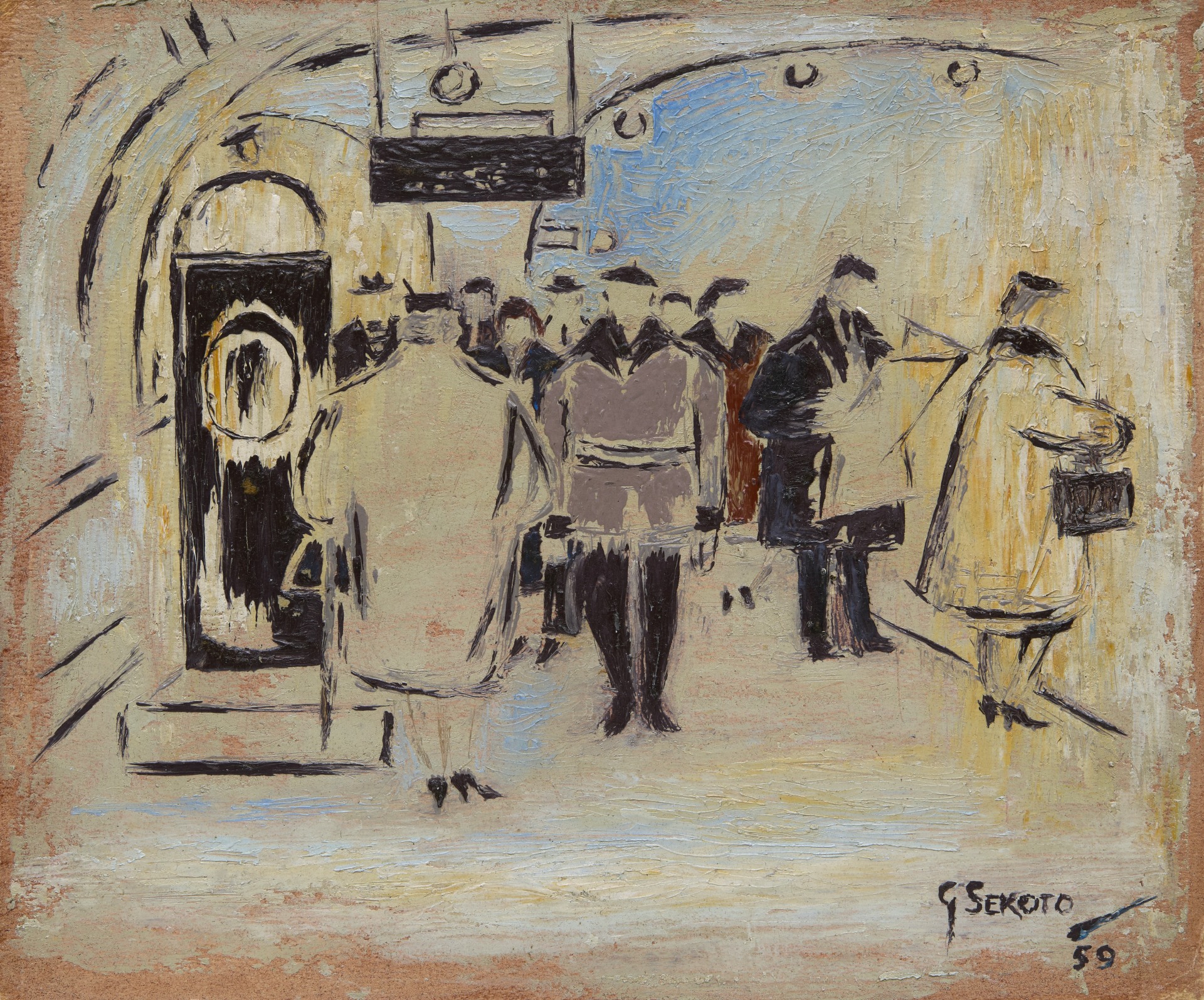
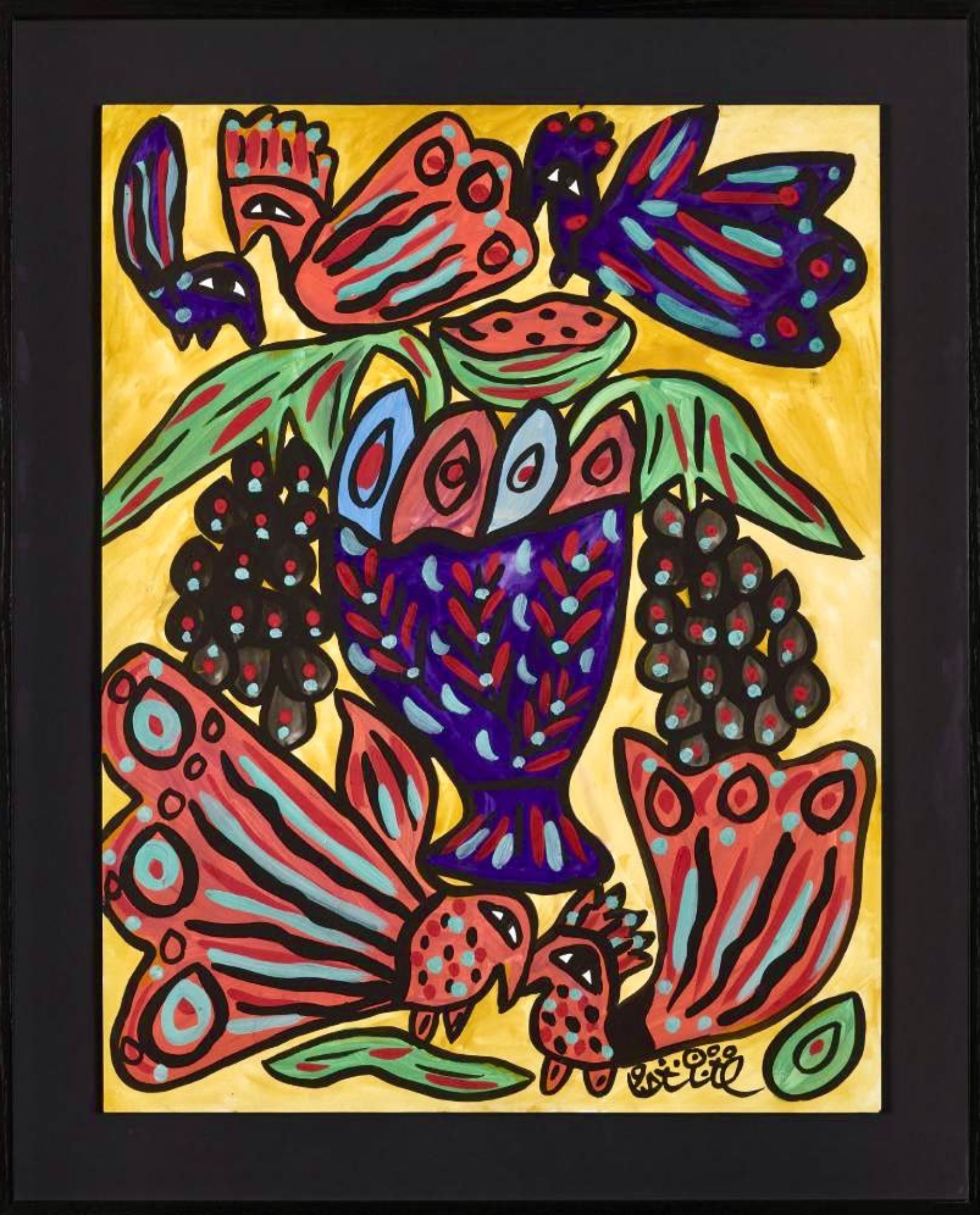
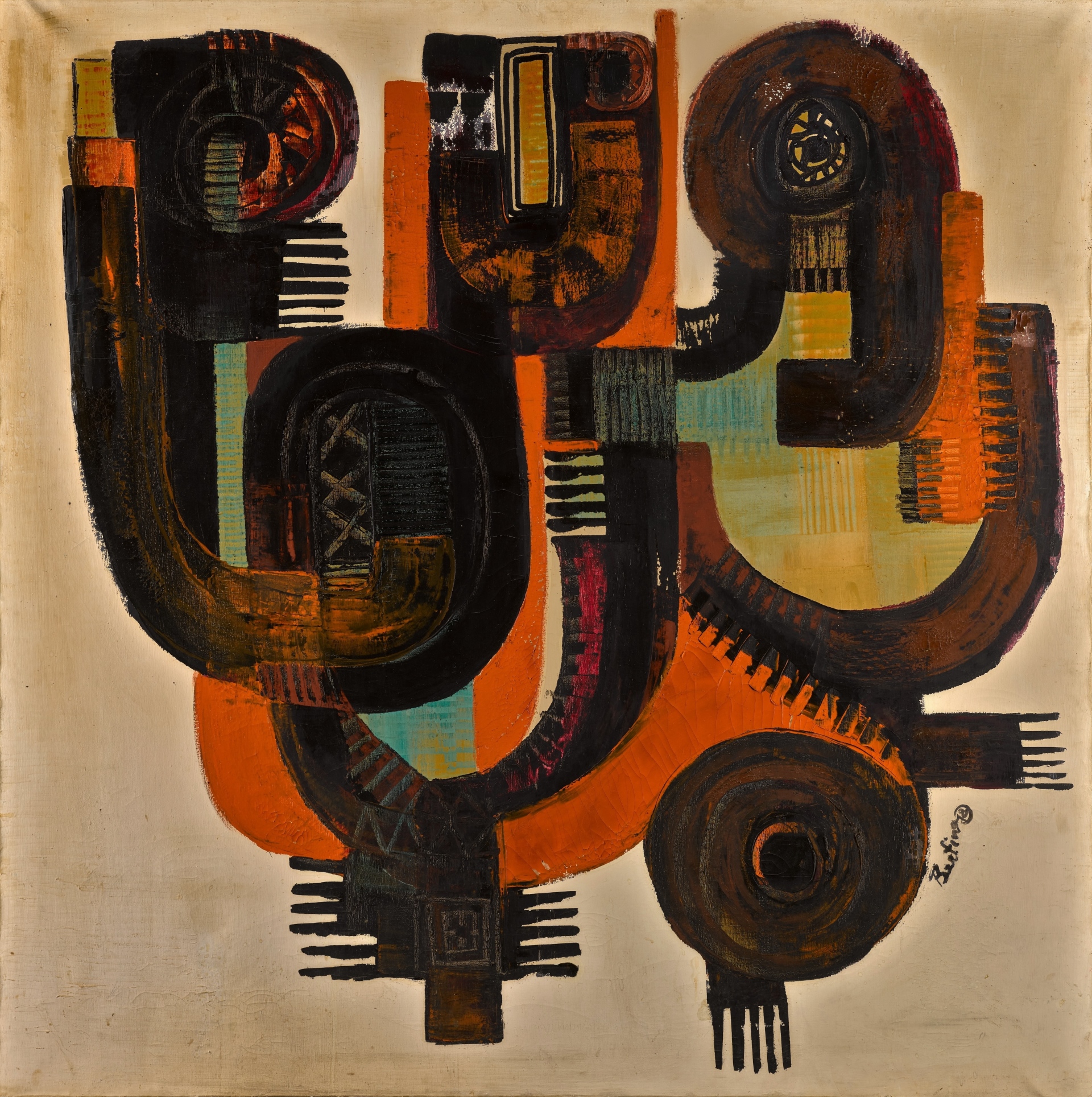
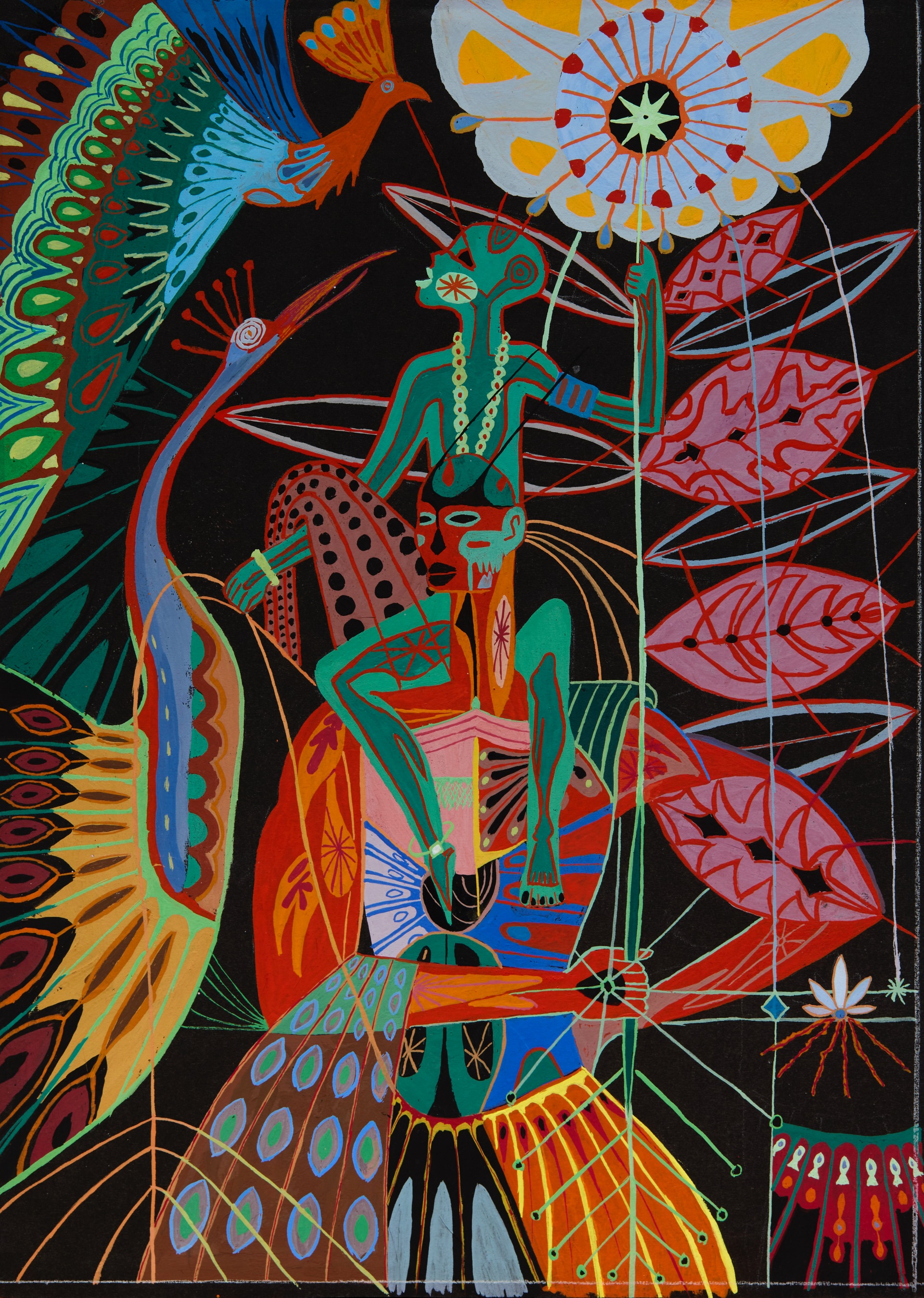
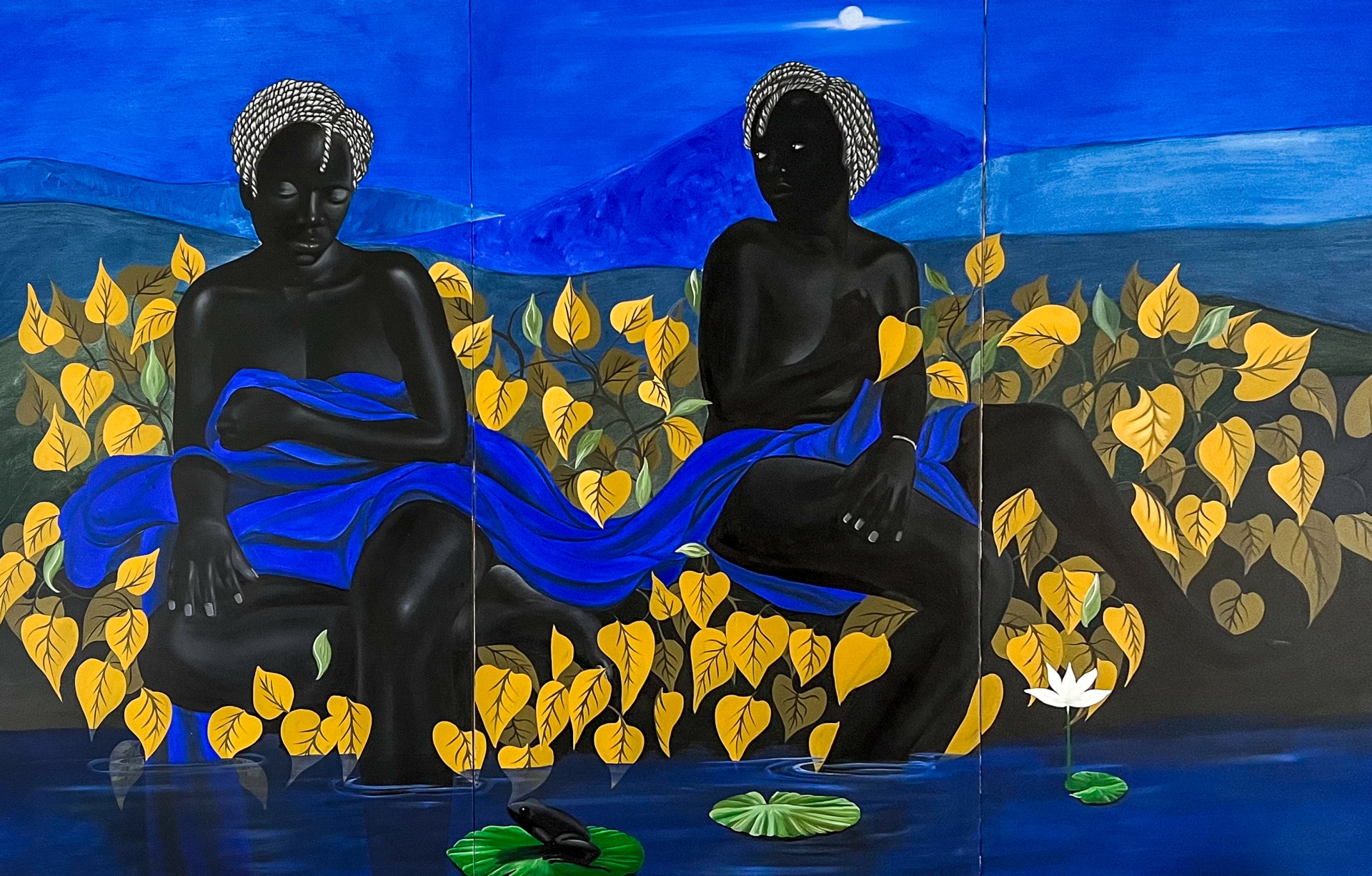
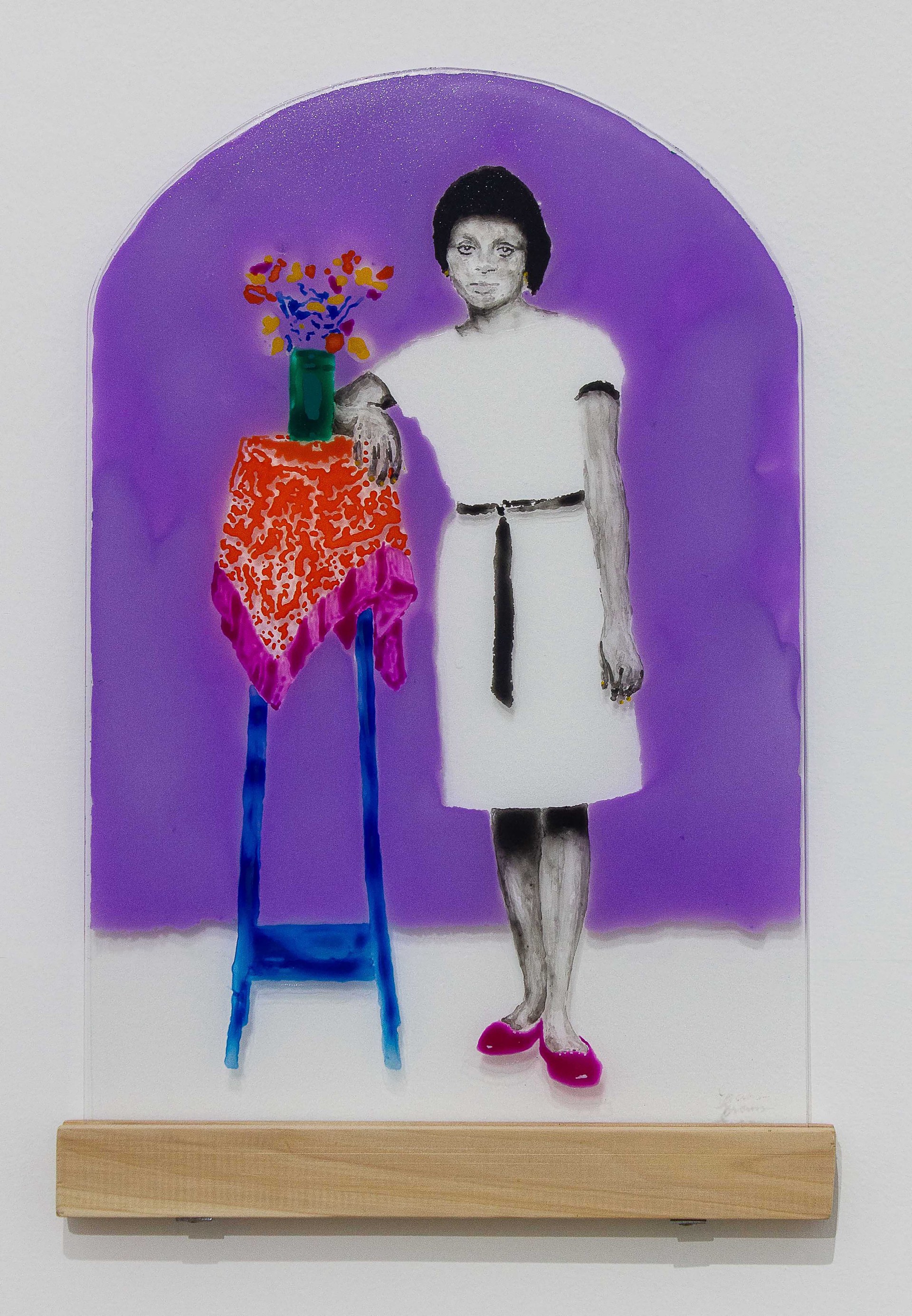
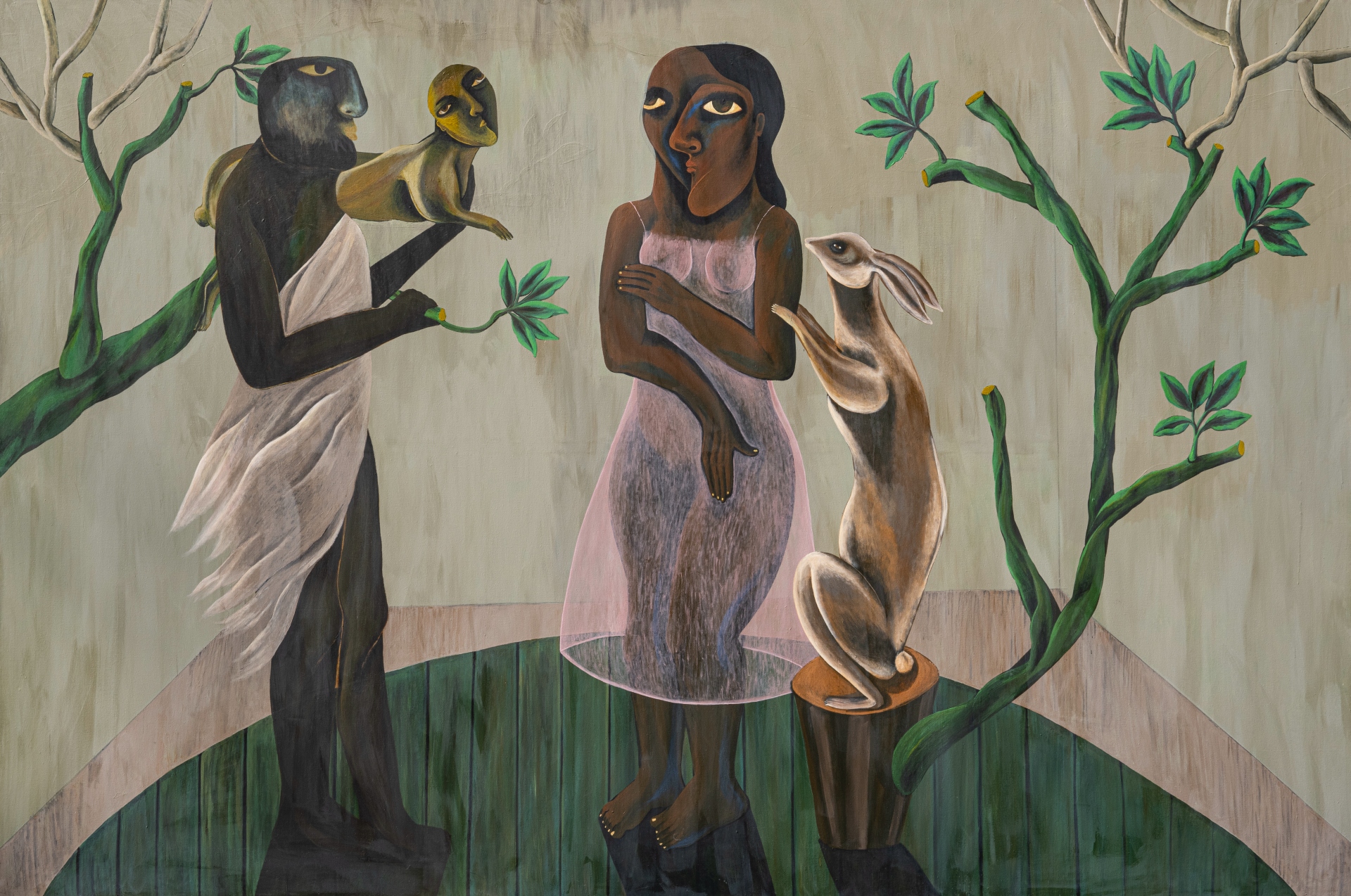
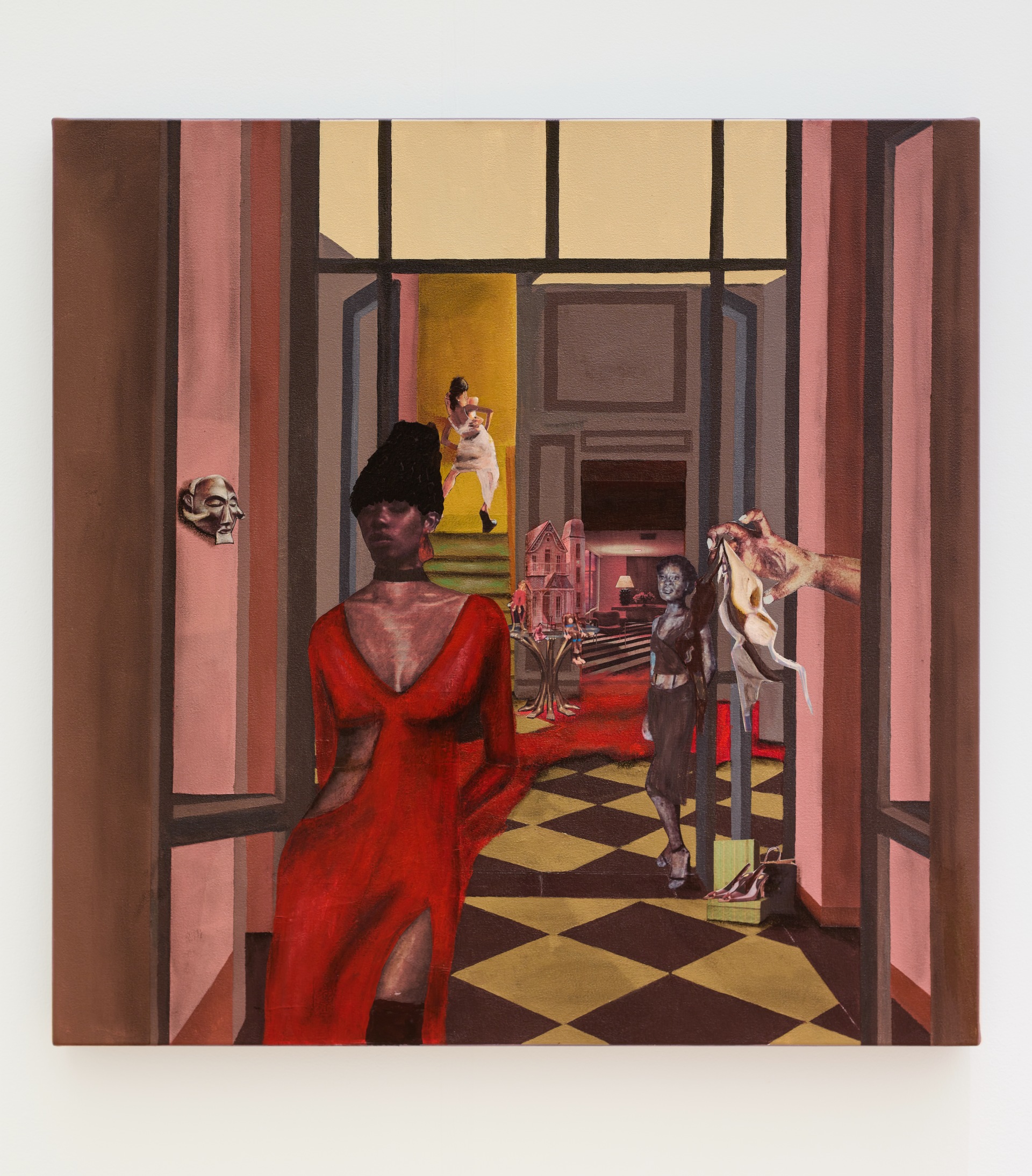
Beyond the curated historical solos, the contemporary sector inhabits Somerset House’s East, West, and South Wings, as well as the Terrace Rooms. Here, dynamic presentations of painting, photography, sculpture, textiles, and ceramics sit in dialogue with neoclassical architecture. Established galleries, emerging spaces, and solo presentations are paired with a robust talks series, offering visitors rare access to the voices and intellectual frameworks shaping contemporary African art.
Among the standout presentations is The Gallery of Everything’s poignant tribute to the late Senegalese sculptor Seyni Awa Camara, who passed away earlier this year. Having learned traditional pottery techniques from her mother, Camara developed a deeply singular sculptural practice in terracotta. Her expressive figures—marked by multiplying limbs, interwoven bodies, and surprising faces emerging from raw clay—evoke an extraordinary tactile vitality. The retrospective gathers over fifteen pivotal sculptures across her oeuvre, including several of her remarkable final creations.
Ceramics take a conceptually rigorous turn at October Gallery with Zimbabwean artist Xanthe Somers’ presentation, Cleaner, Carer, Mother, Maker. Her intricate, glazed-stoneware forms embrace ceramic decorative traditions while confronting gendered domesticity and the unseen labor expected of women. Subverting domestic motifs into bold, sculptural statements, Somers seamlessly bridges the boundaries between fine art, craft, and material culture.
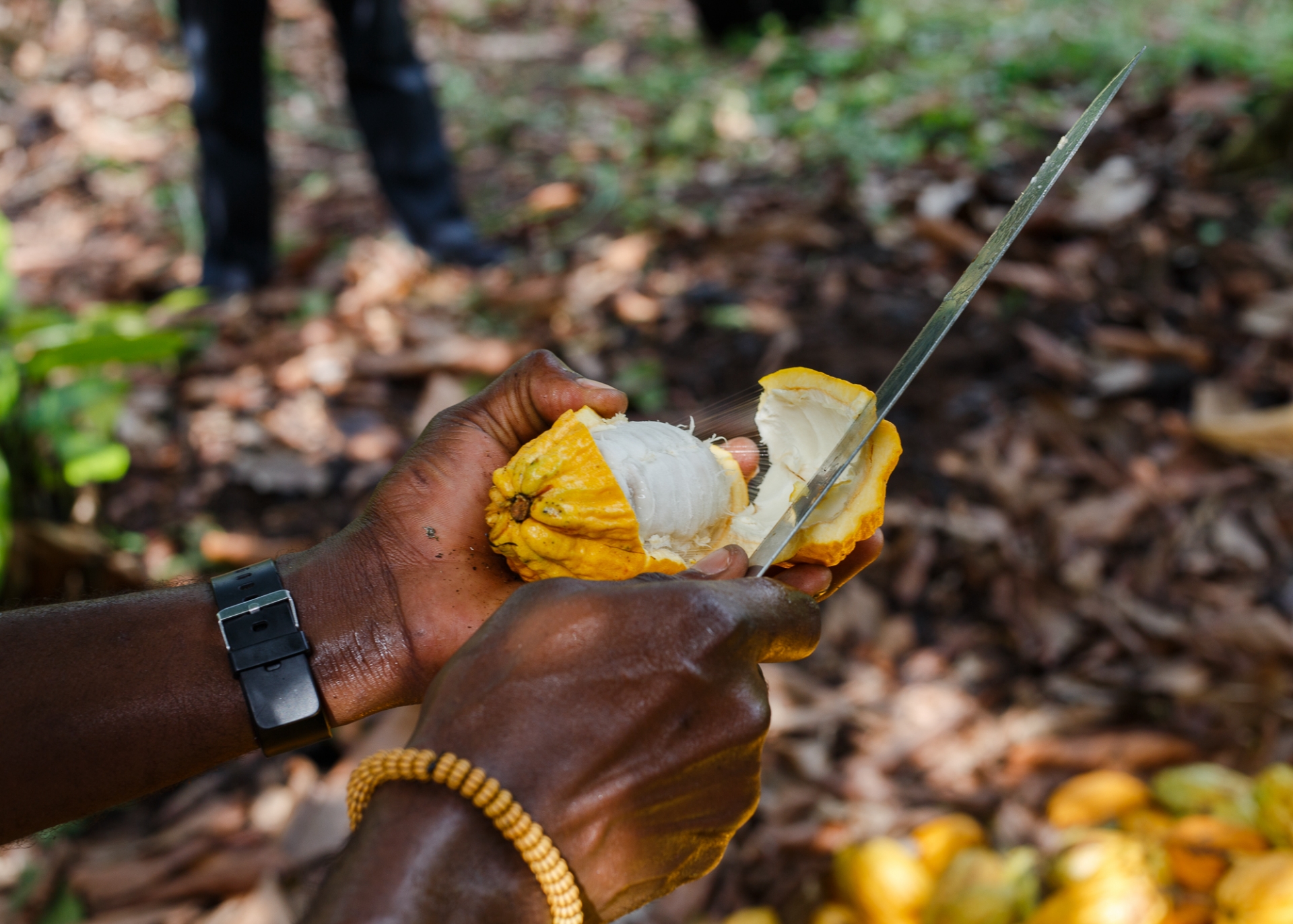
The fair’s special projects further expand its architectural and cultural scope, notably Commodity / Couture, presented by Ghana’s Midunu Institute and conceived by artist and cultural strategist Selassie Atadika. Centered on cocoa—one of West Africa’s primary global exports—the multi-sensory installation moves beyond commercial consumption to examine the human labor, heritage, and economic disparities behind global trade. Integrating the aroma of raw cocoa, ambient recordings of agricultural workers, structural textiles fashioned from cocoa sacks, and a bespoke brass cocoa pod crafted by Ashanti artisans in Kumasi, the work offers a trenchant reflection on craft, value, and raw materials.
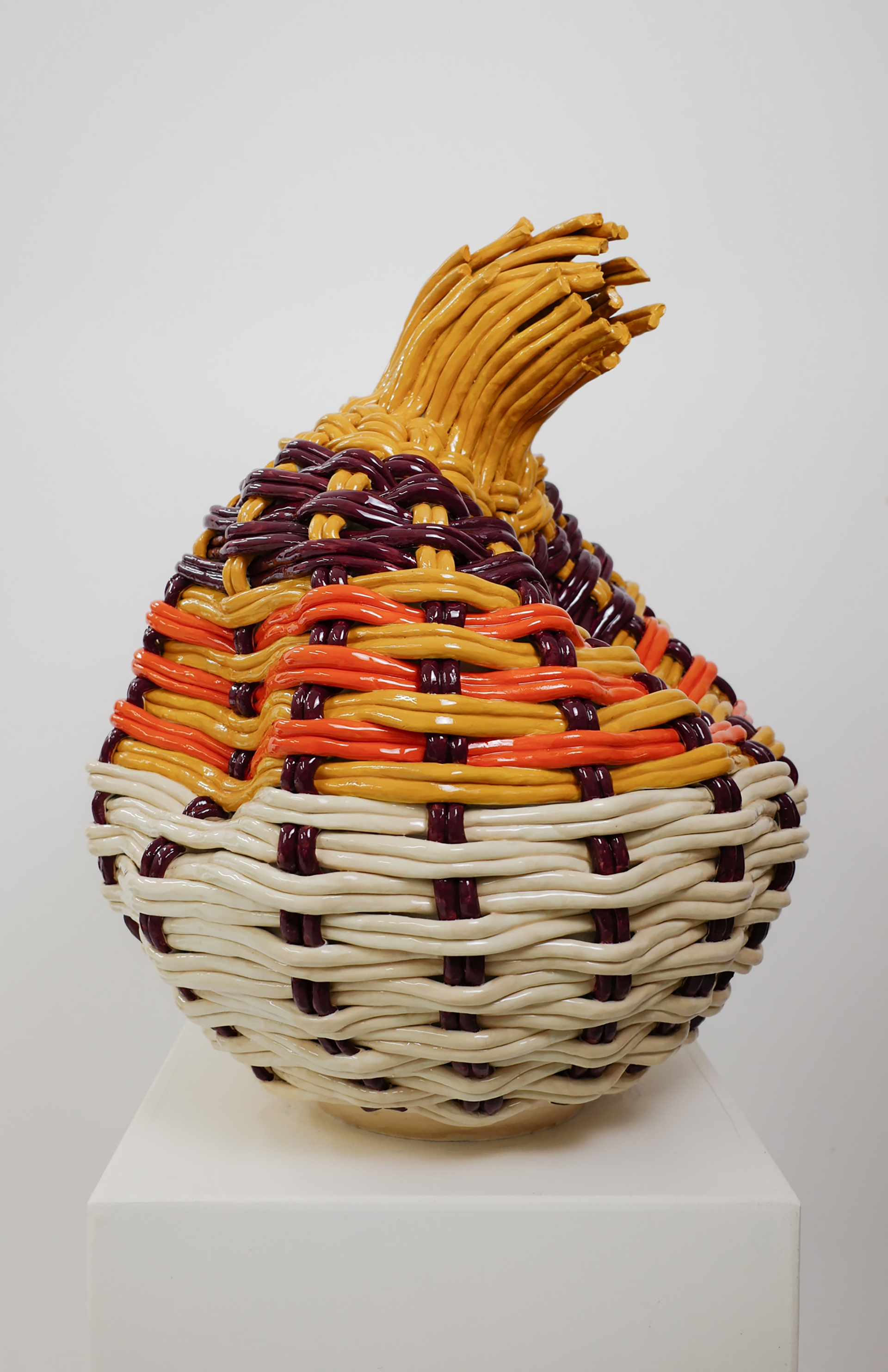
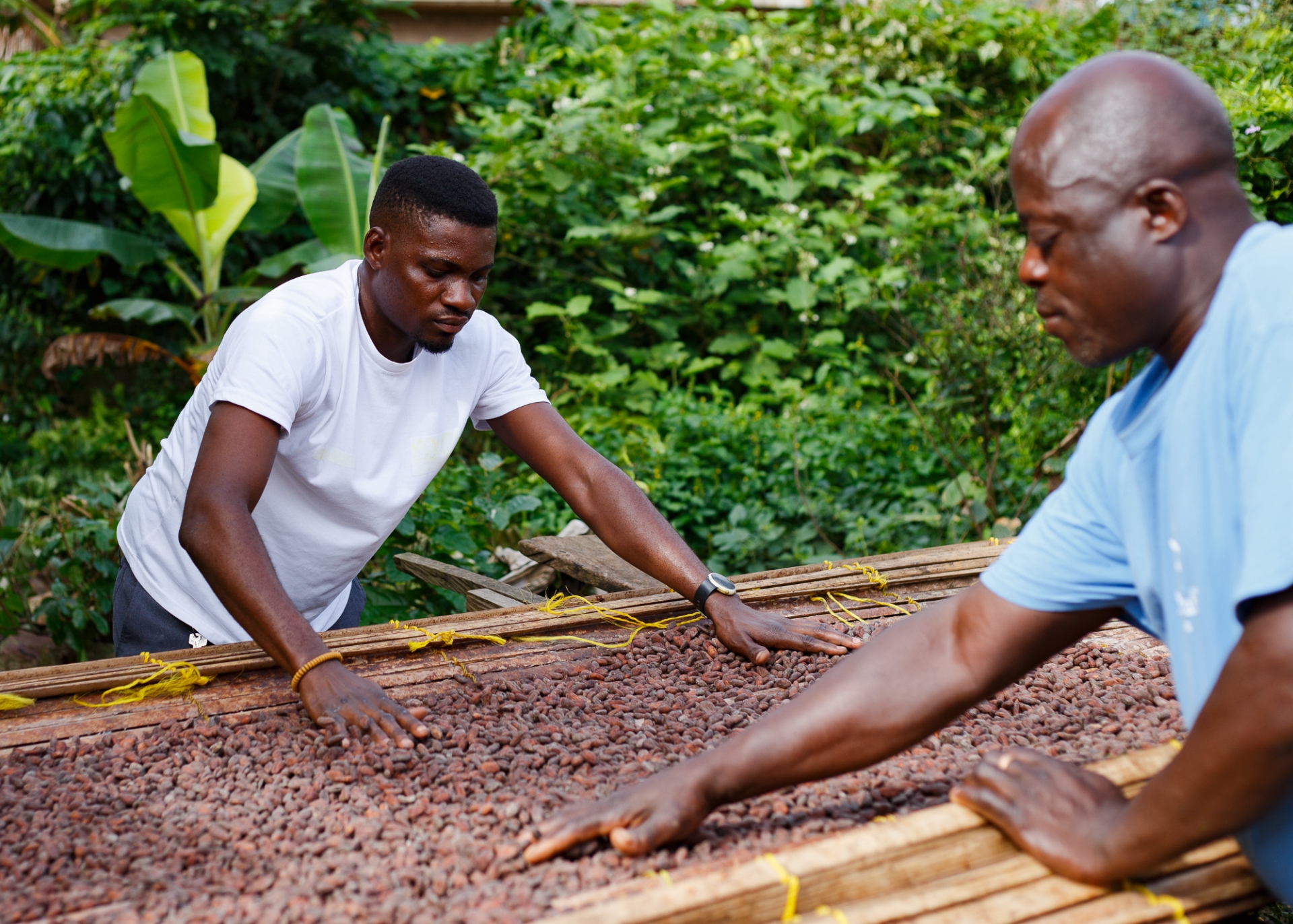
Another compelling cross-cultural dialogue emerges in a collaboration combining the geometric visual heritage of South African master Esther Mahlangu with traditional Indian Dhurrie weaving. Rooted in Ndebele mural painting, Mahlangu’s iconic motifs translate effortlessly into tactile, handwoven tapestries, demonstrating a harmonious synthesis of global craft, material heritage, and geometric abstraction.
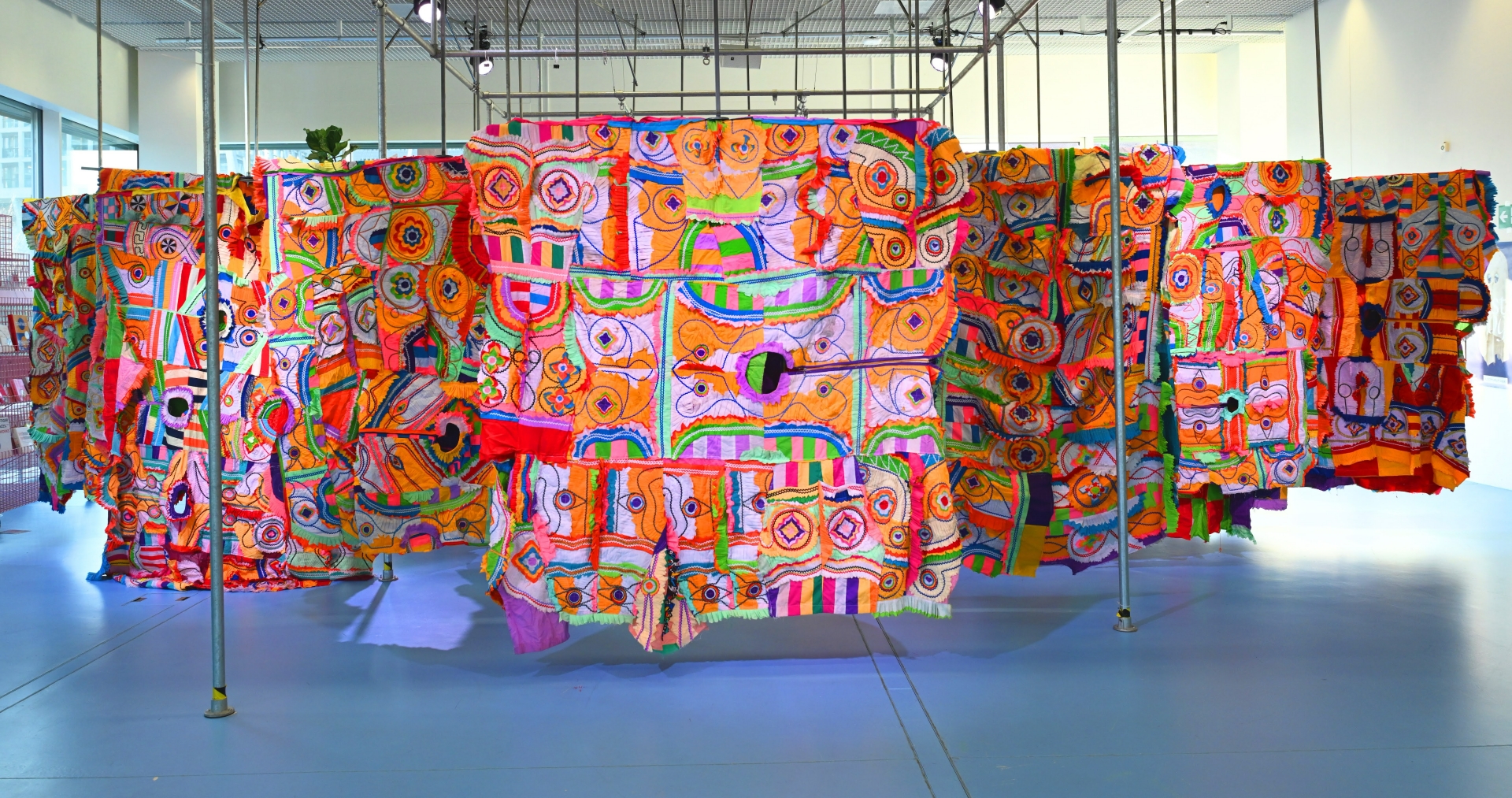
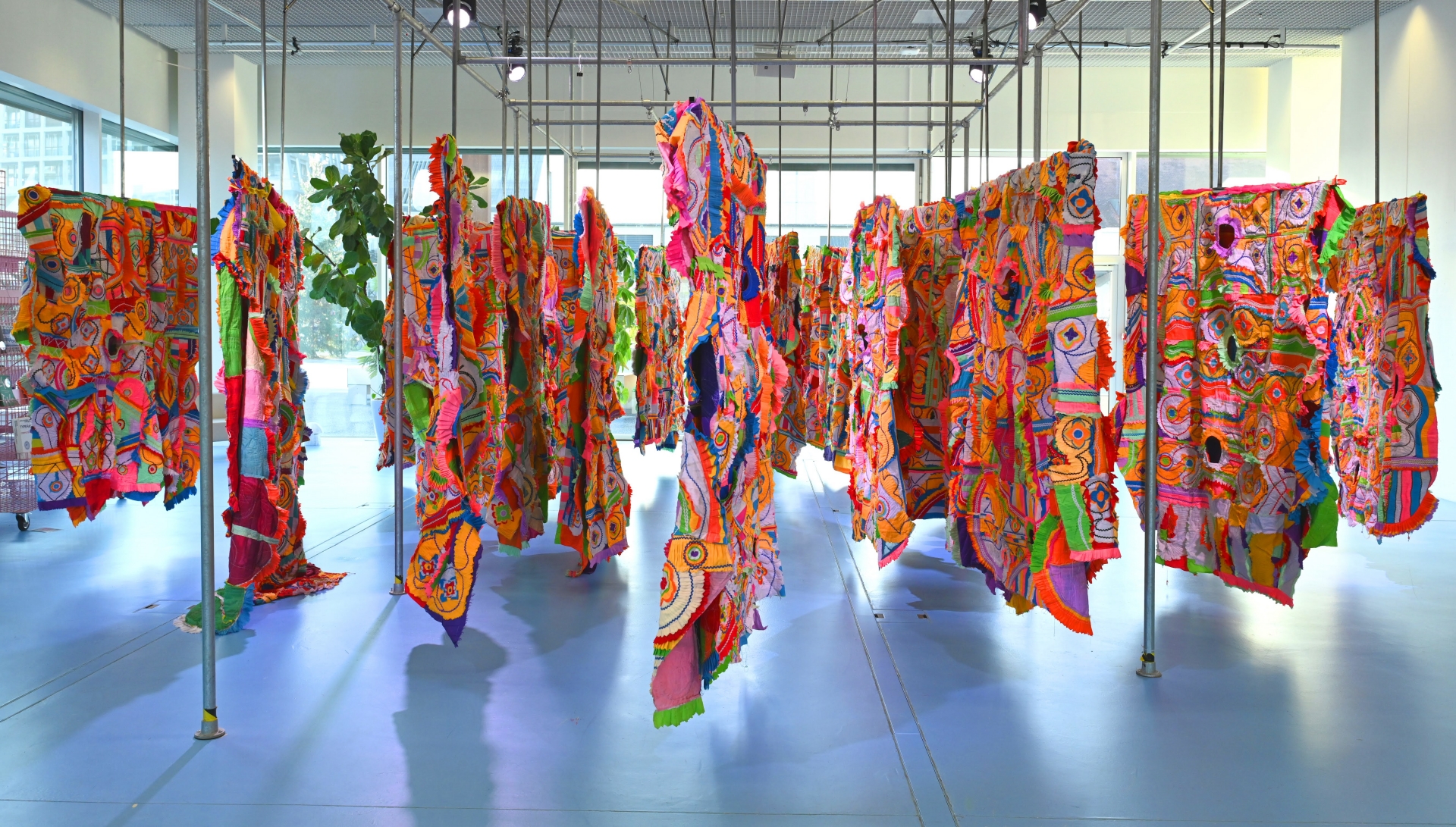
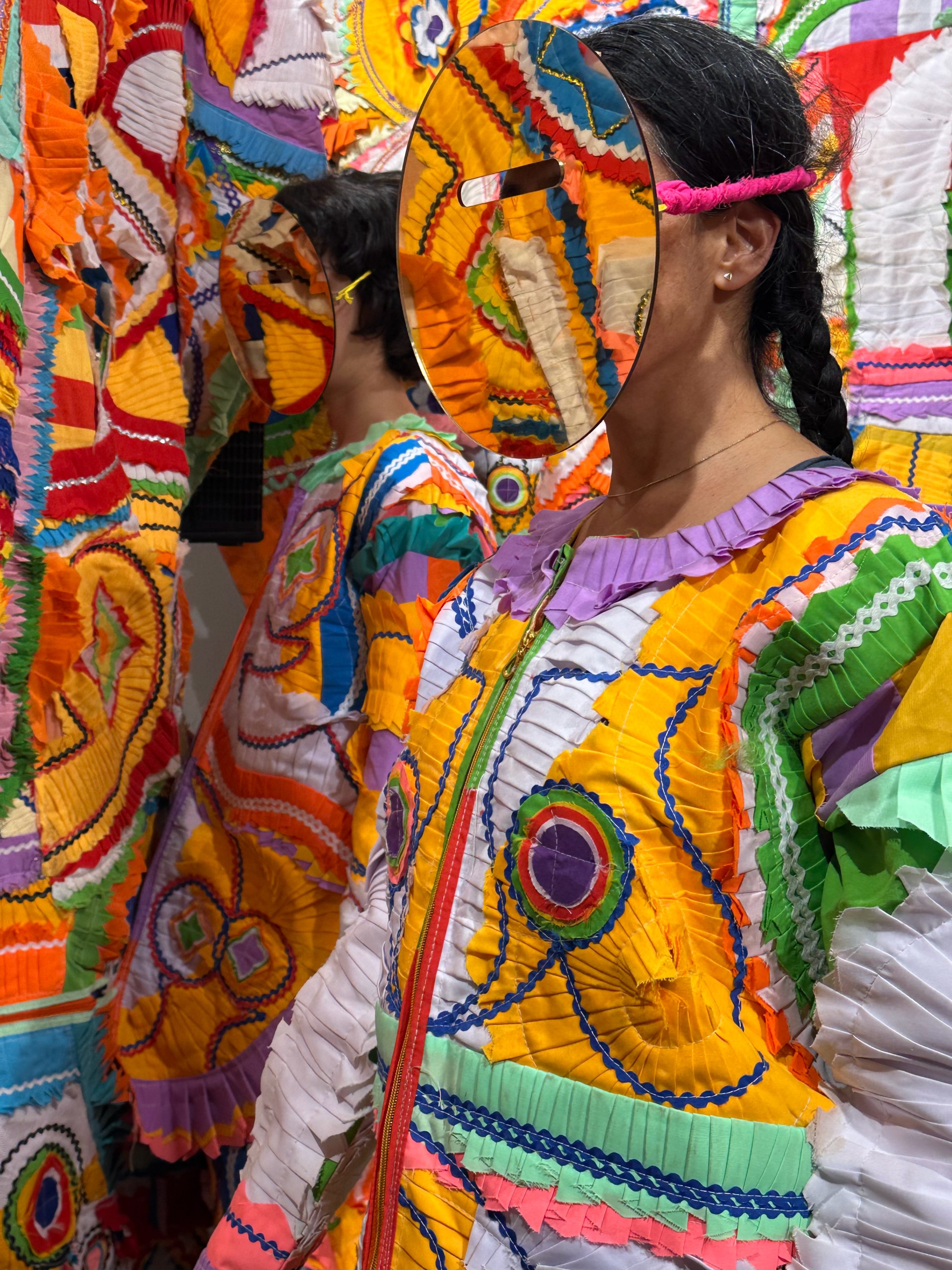
Outside in Somerset House’s courtyard, Flowing Upstream transforms the neoclassical Edmond J. Safra Fountain Court into a vibrant public installation. Designed by Martin Wöllenstein in collaboration with Ghana’s Supreme Masqueraders Society, the work reclaims discarded costumes from West African Ankos masquerades, assembling them into sweeping, colorful textile panels. Framed against the courtyard’s pale stone facades, the installation brings performance, movement, and living tradition into striking dialogue with London’s urban architecture.
What makes this edition of 1-54 particularly resonant is its commitment to historical depth and curatorial rigor. While the fair has long served as an essential global showcase for contemporary practices, integrating African Modernism enriches the viewer's journey, revealing the deep lineage, intergenerational dialogue, and intellectual continuity framing modern and contemporary African art.
Thirteen years on from its debut, wandering through Somerset House remains one of the most rewarding highlights on the international art calendar—an opportunity to encounter visionary masters, discover fresh talent, and engage with the vital cultural narratives shaping our world today.
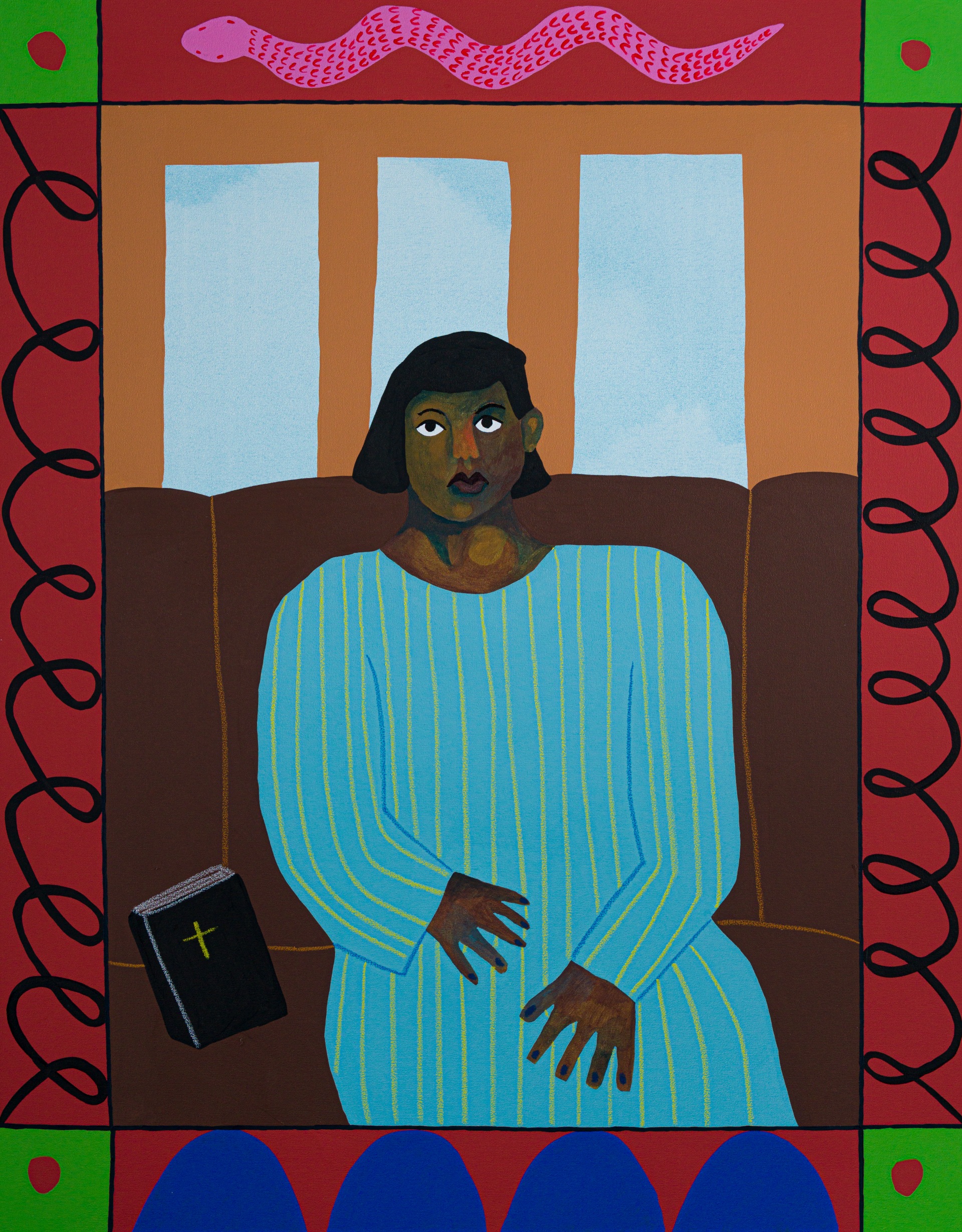
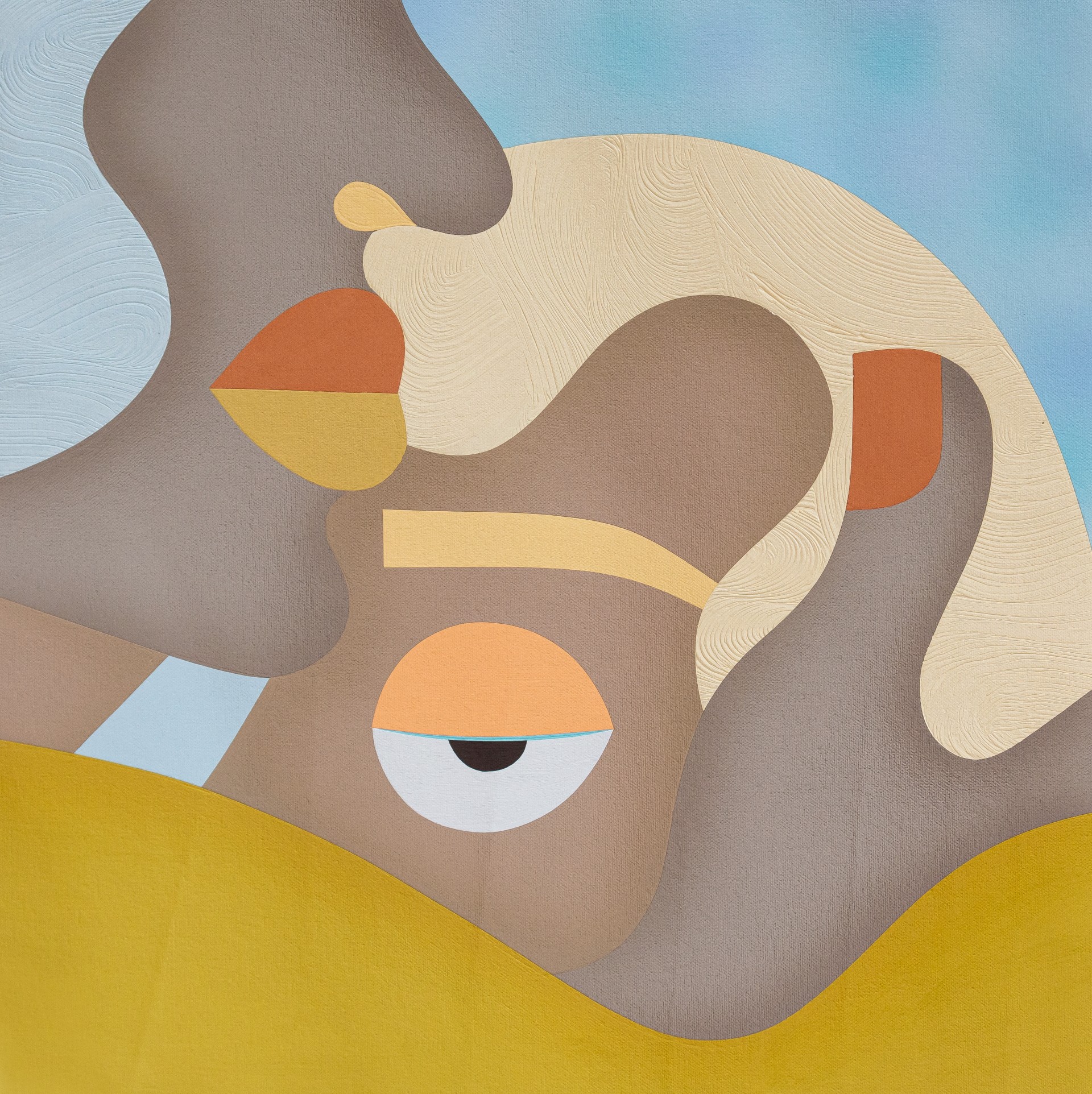
1-54 Contemporary African Art Fair
15–18 October 2026
Somerset House, Strand, London WC2R 1LA