PODCAST
CHI WING LO: THE ARTIST WHO TEACHES US HOW TO LIVE AND ALLOWS US TO SELF REFLECT
LISTEN NOW


“We want our guests to feel as though they are visiting a friend’s home”
- Colin, Front Desk Manager
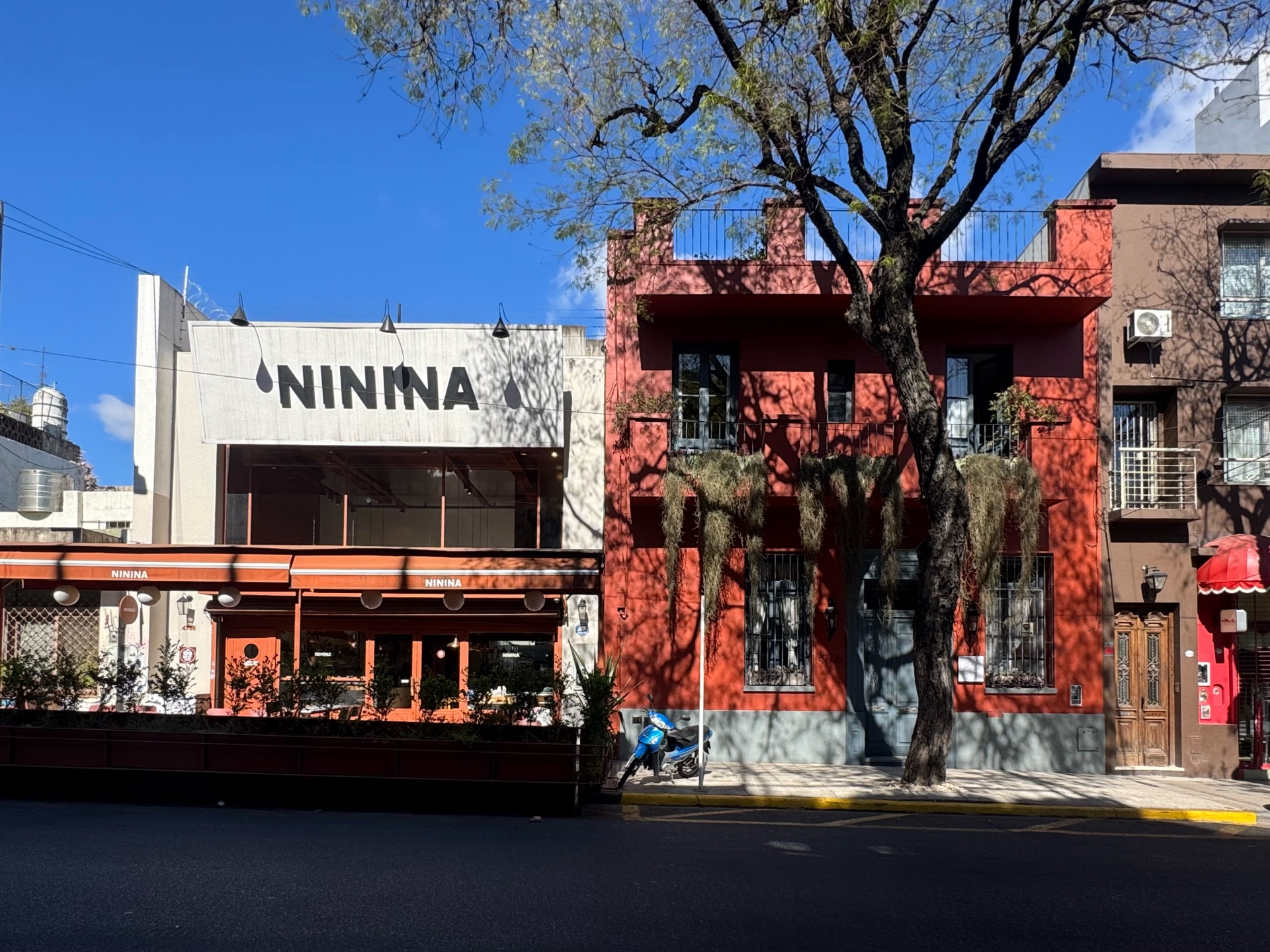
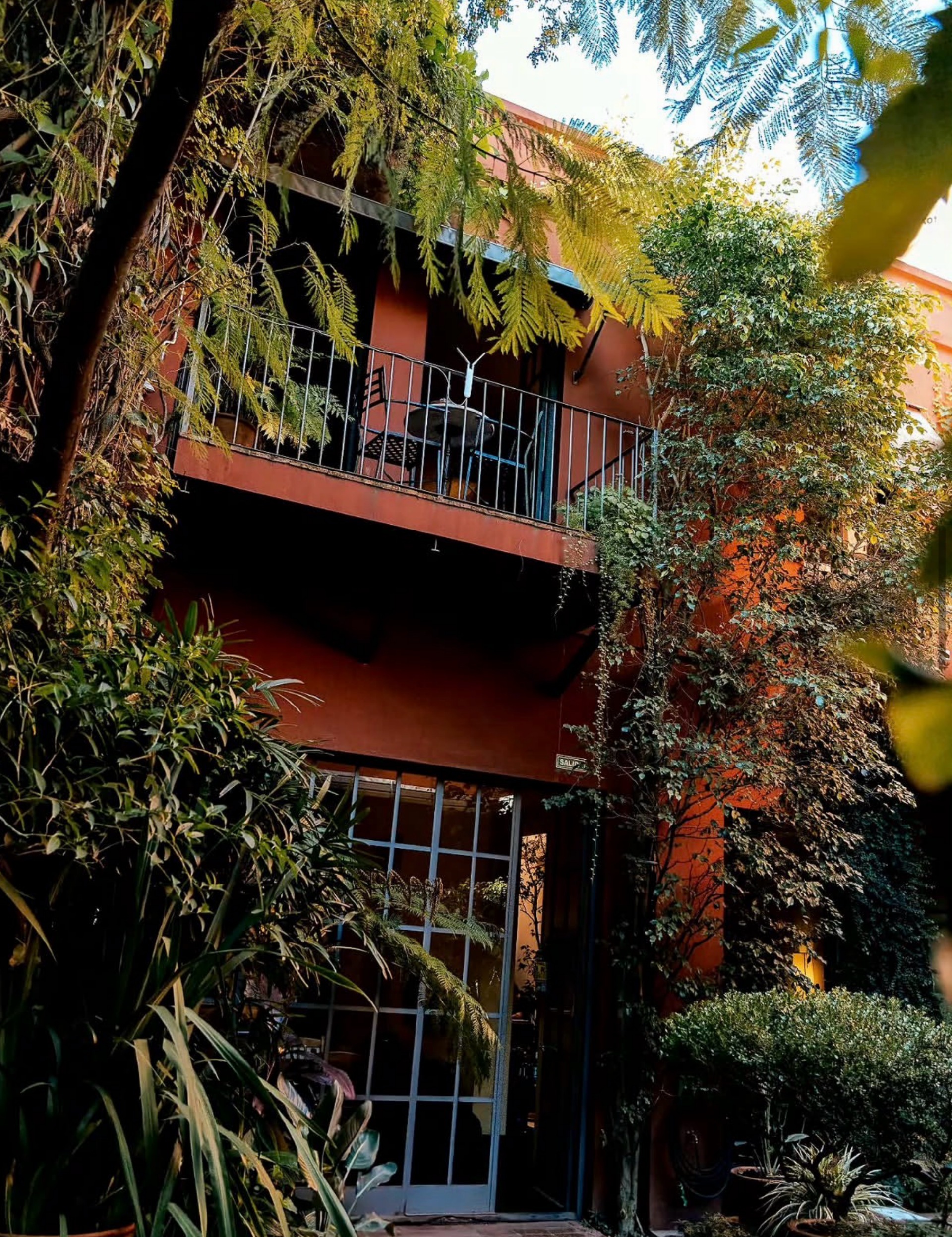
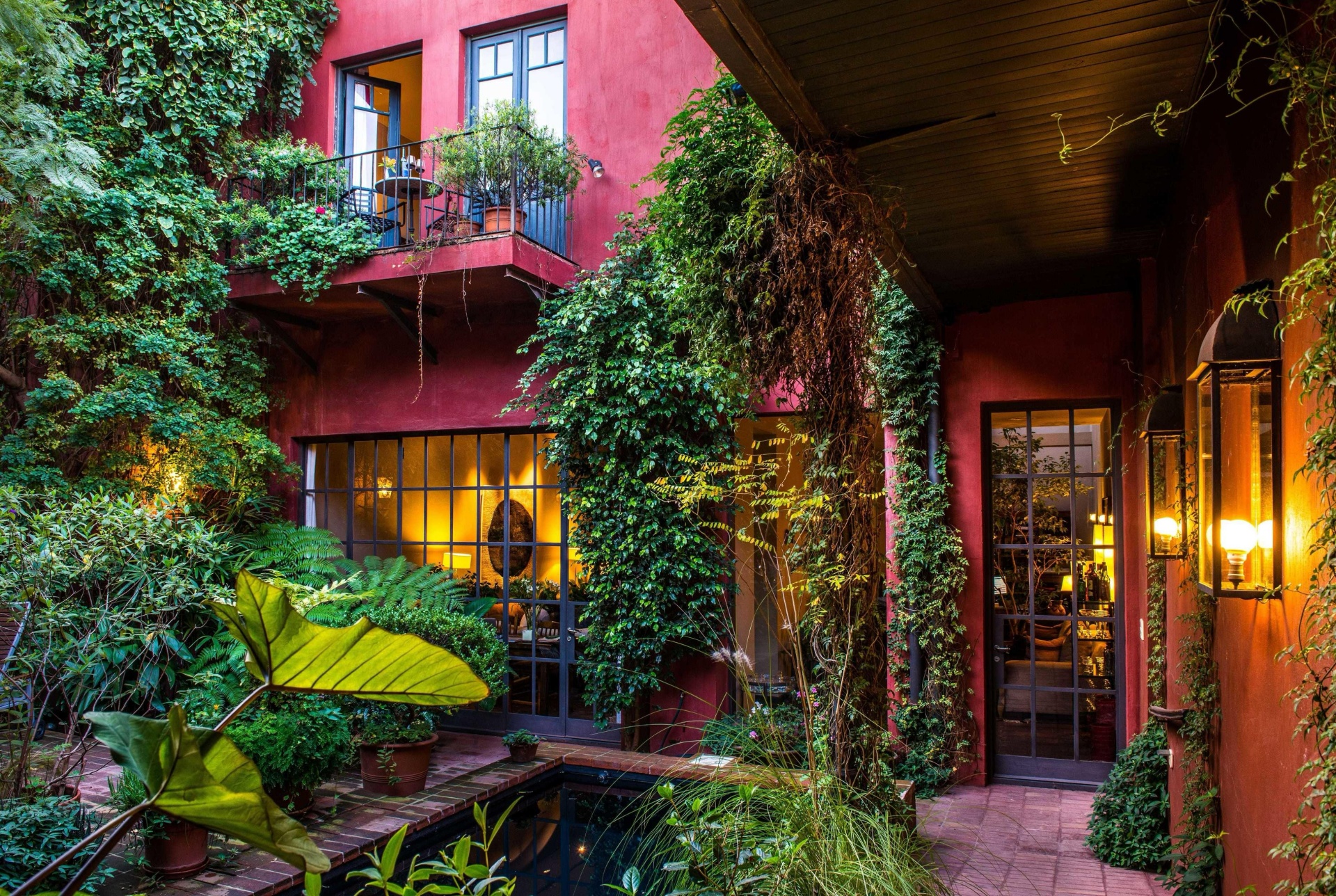
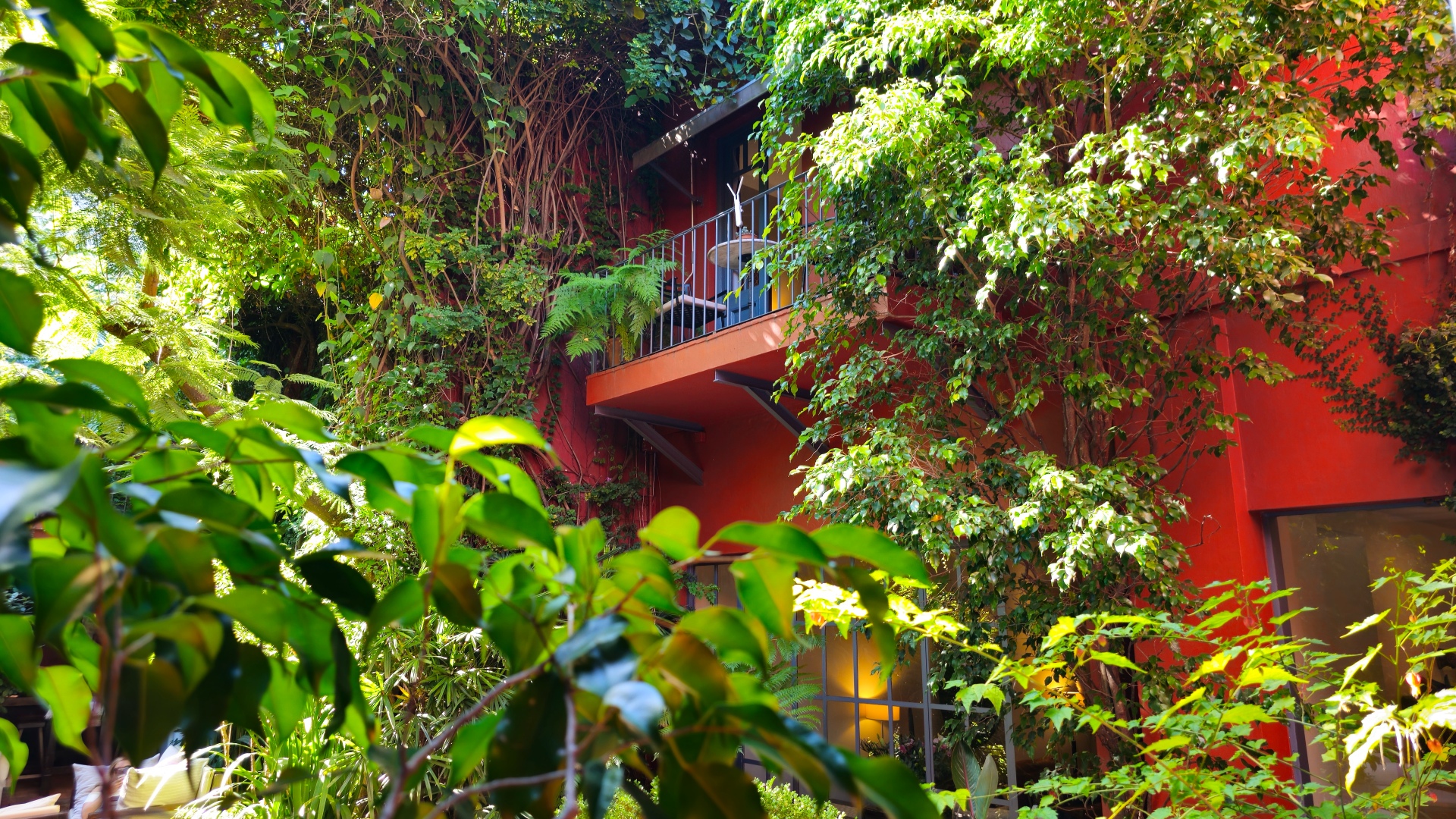
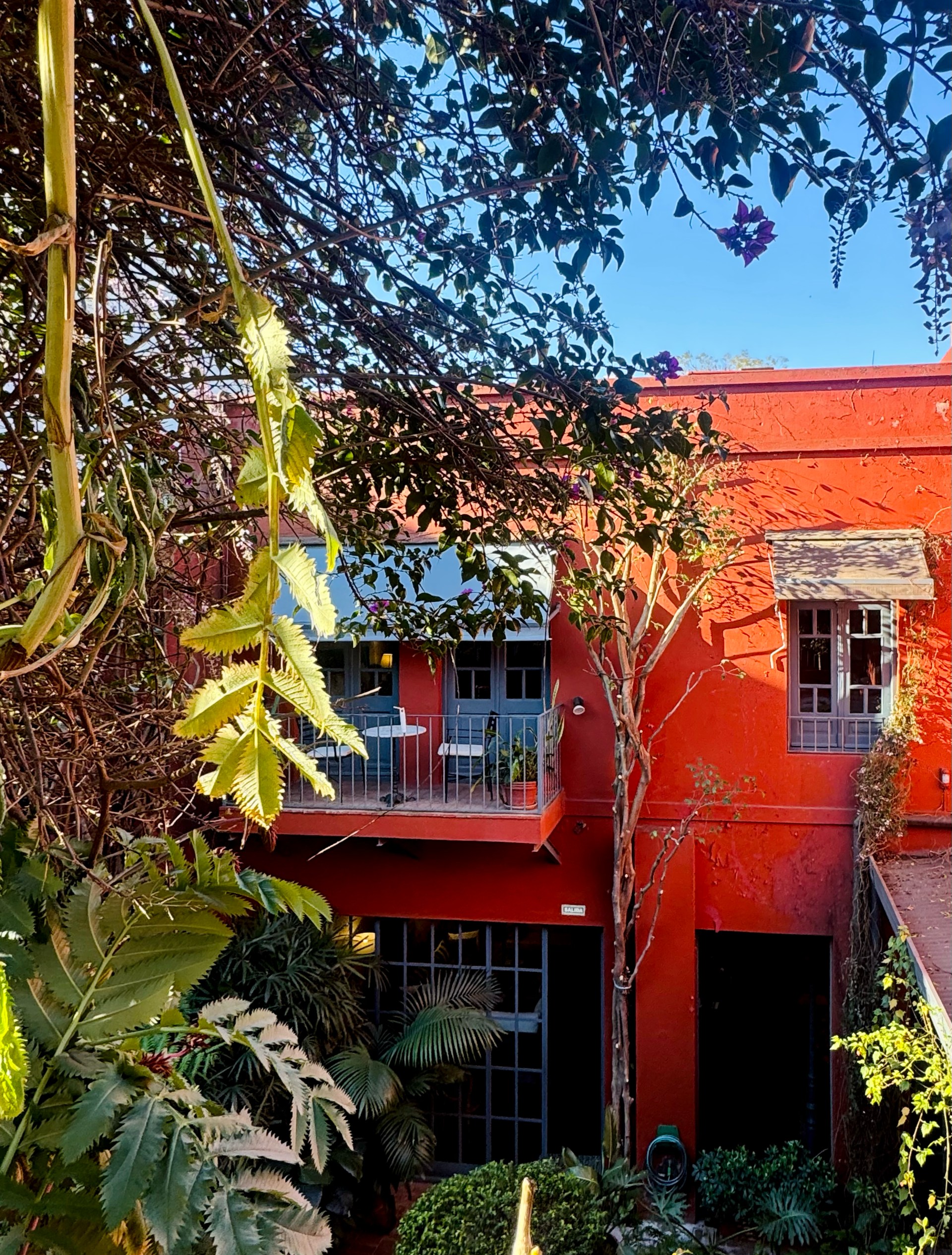
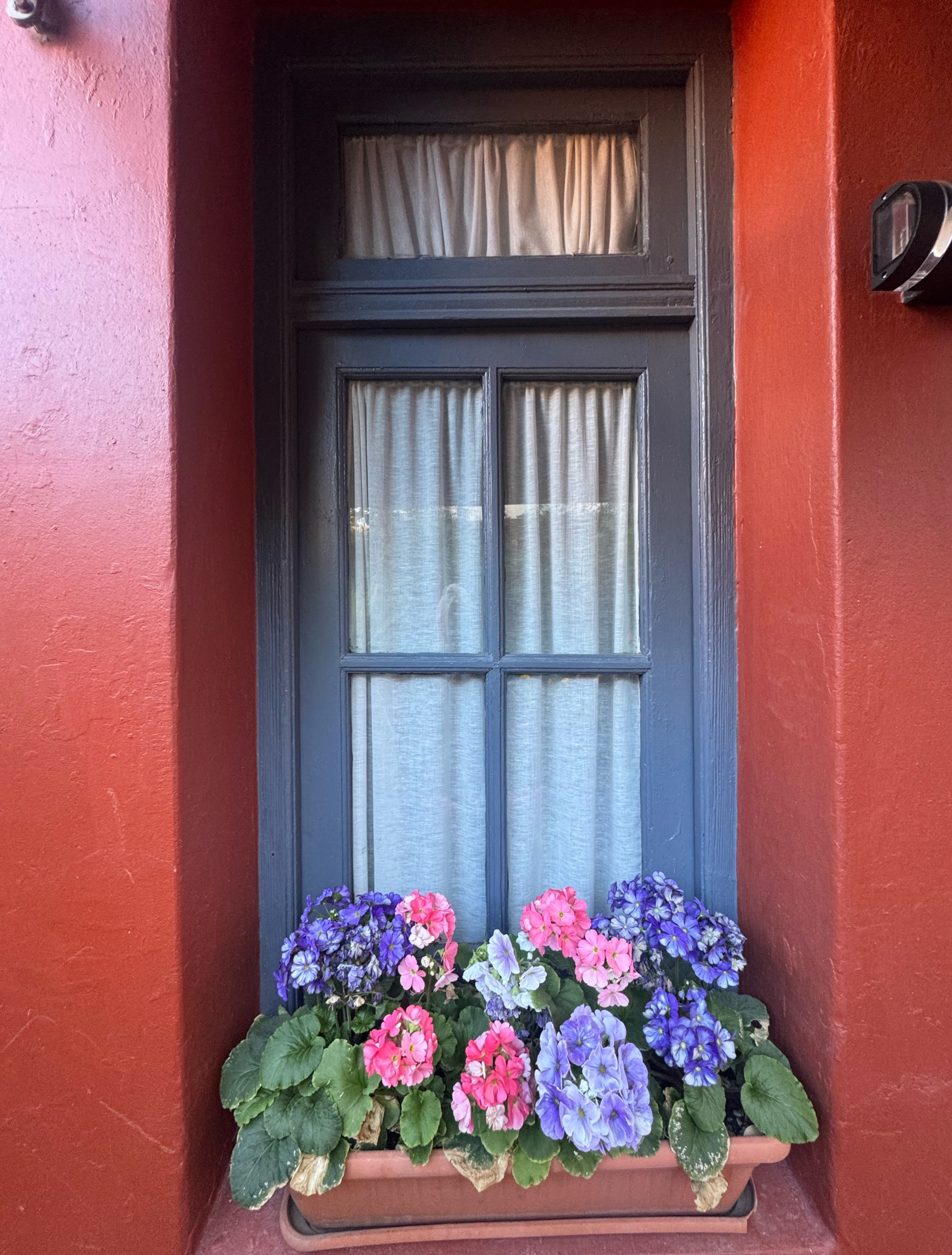
From the street, Jardín Escondido is remarkably discreet, its deep-red façade and greenery folding easily into the low-rise streetscape of Palermo Soho. There is no obvious hotel frontage, no porte-cochère or polished arrival sequence. Mature trees, cafés, independent fashion stores, wrought-iron balconies, vines and street art give the neighbourhood its intimate scale. A specialty café sits on one side, an independent fashion boutique on the other. Behind that unassuming entrance lies the former Buenos Aires home of Francis Ford Coppola.
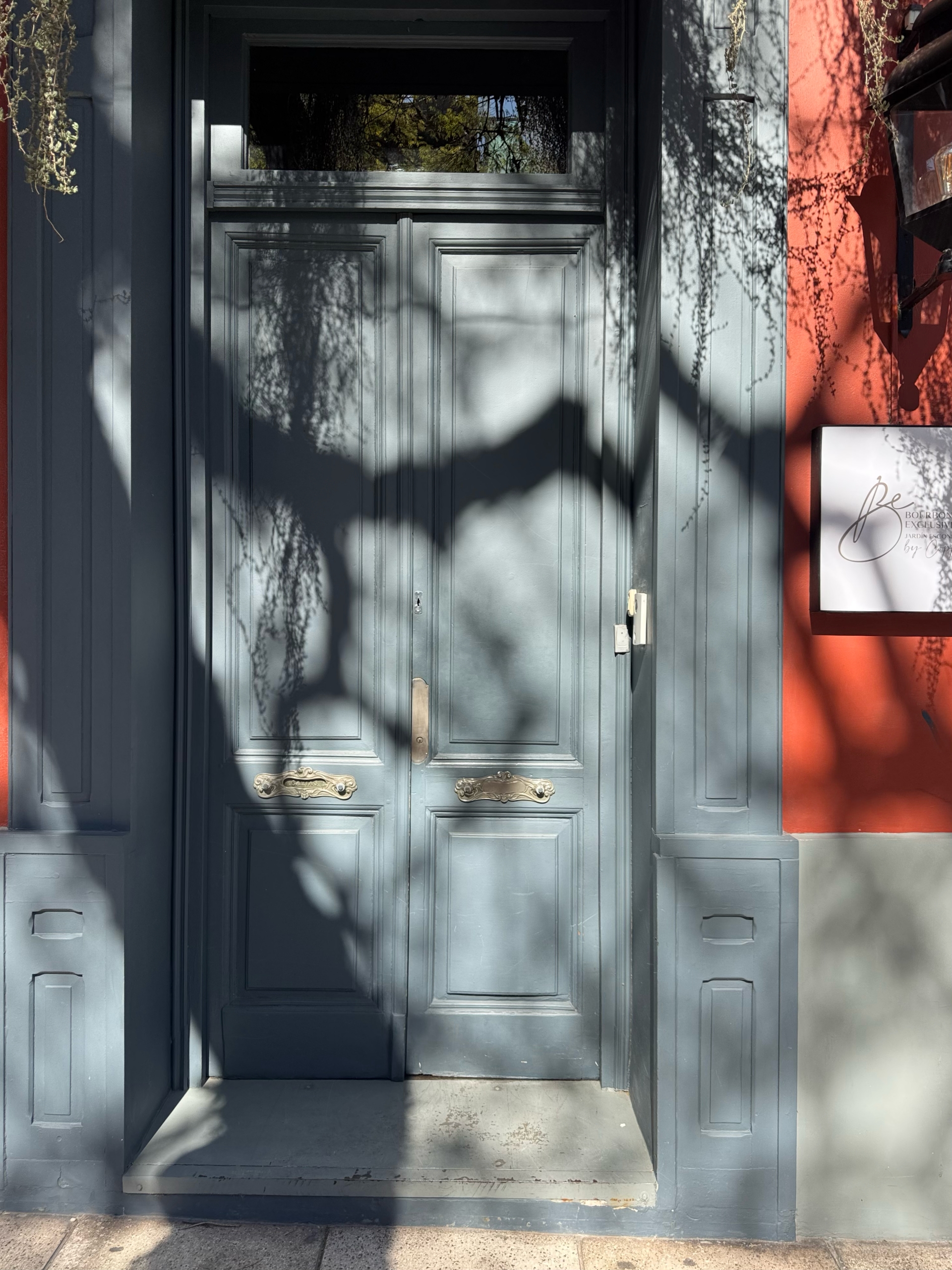
Coppola arrived in Buenos Aires in 2008 to shoot Tetro, residing in this Palermo Soho residence alongside his wife, Eleanor. Upon completing the film, the family elected to retain the property, opening it in 2010 as Hotel Escondido by Coppola. Though operational stewardship transitioned to the Bourbon group in 2013, front desk manager Colin notes that the core ethos remains unaltered: to preserve the authentic, personal atmosphere Francis originally envisioned.
“We want our guests to feel as though they are visiting a friend’s home,” Colin tells me. It sounds like the sort of thing hotels say. Here, unusually, it describes how the place actually works.
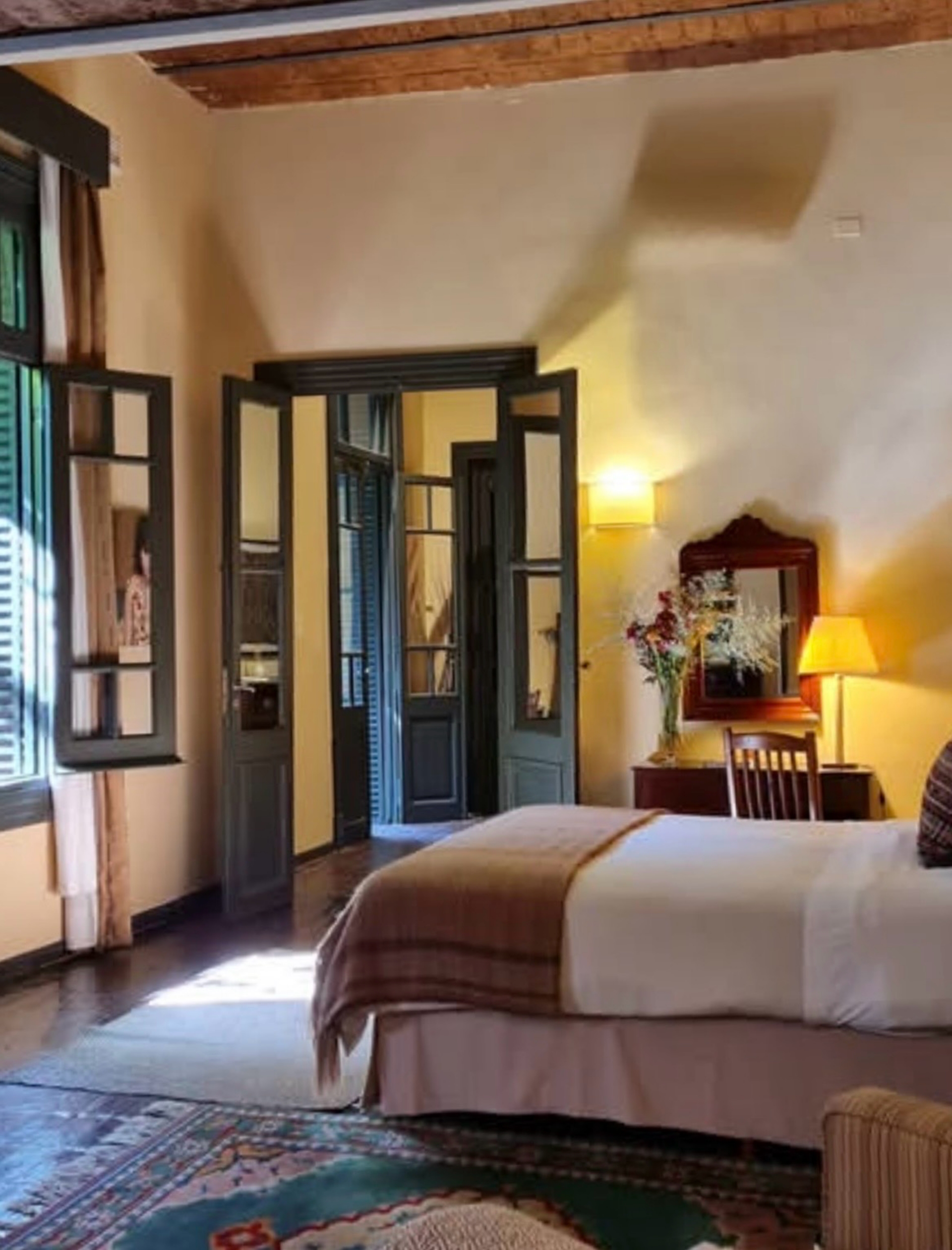
The estate comprises just seven guest rooms. Front-facing quarters carry the names of literary figures favoured by Coppola - Cortázar and Bolaño - while others honour family members: Francis, Eleanor, Sofia, and Roman. The seventh, Studio, occupies the exact workspace where Coppola wrote and directed.
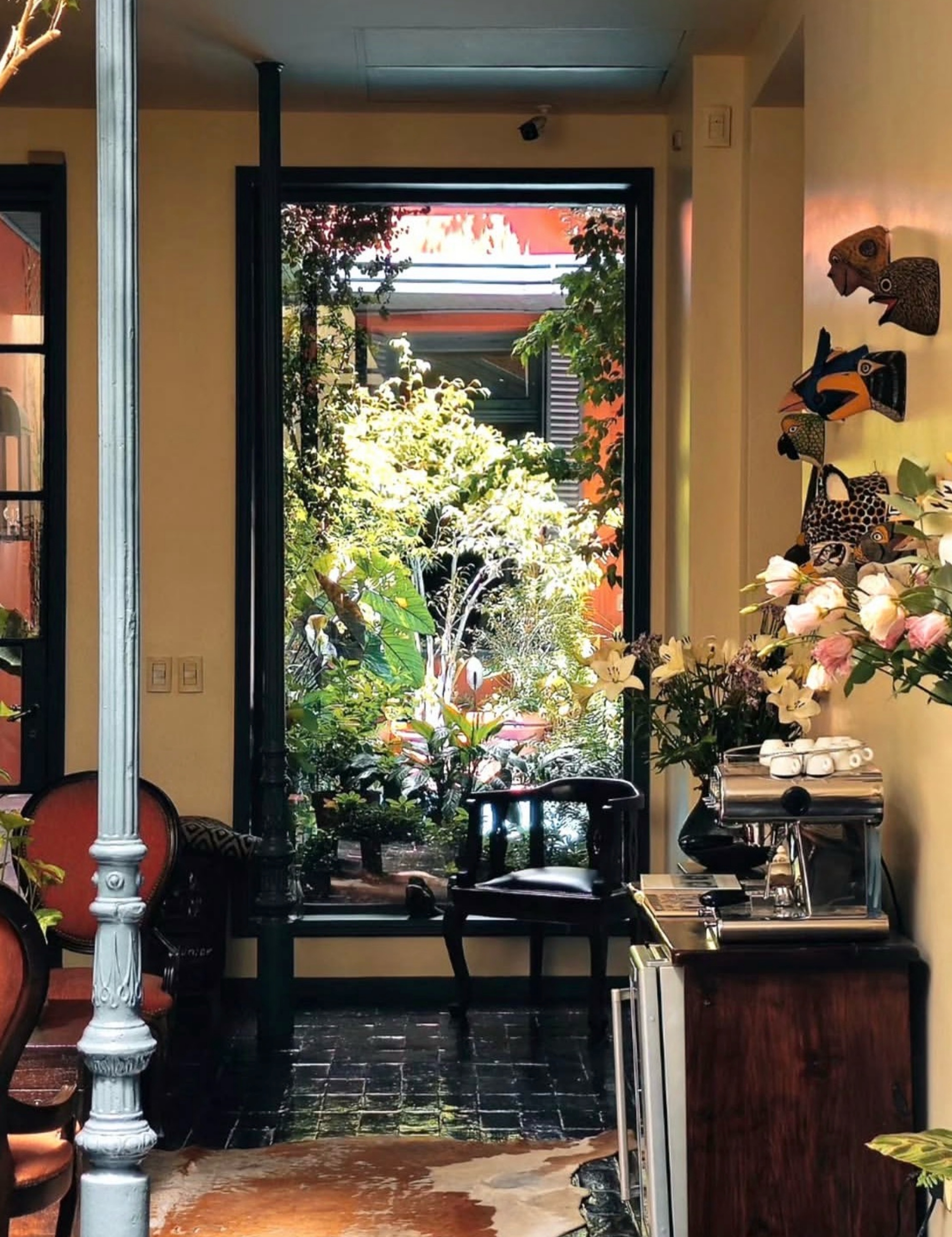
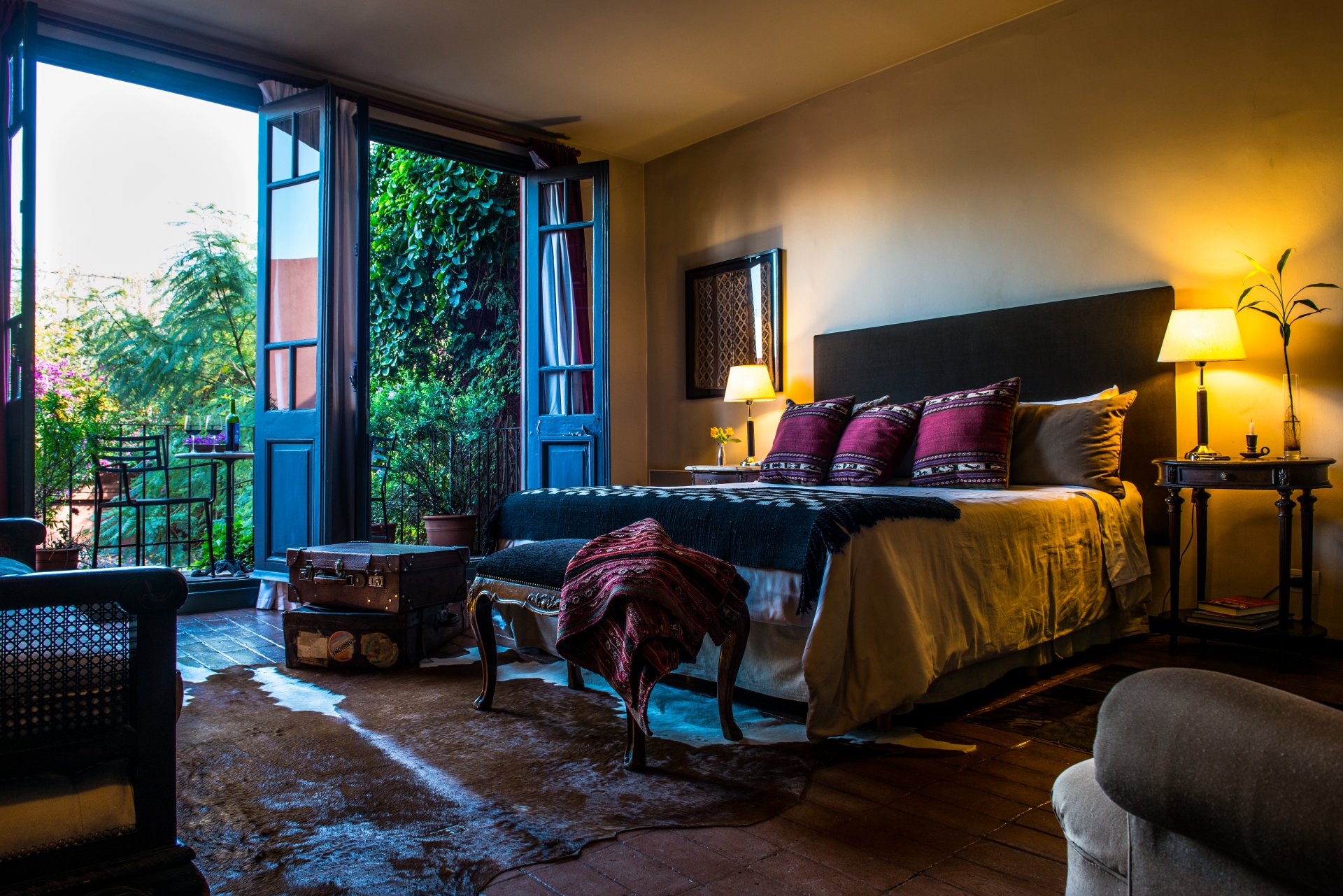
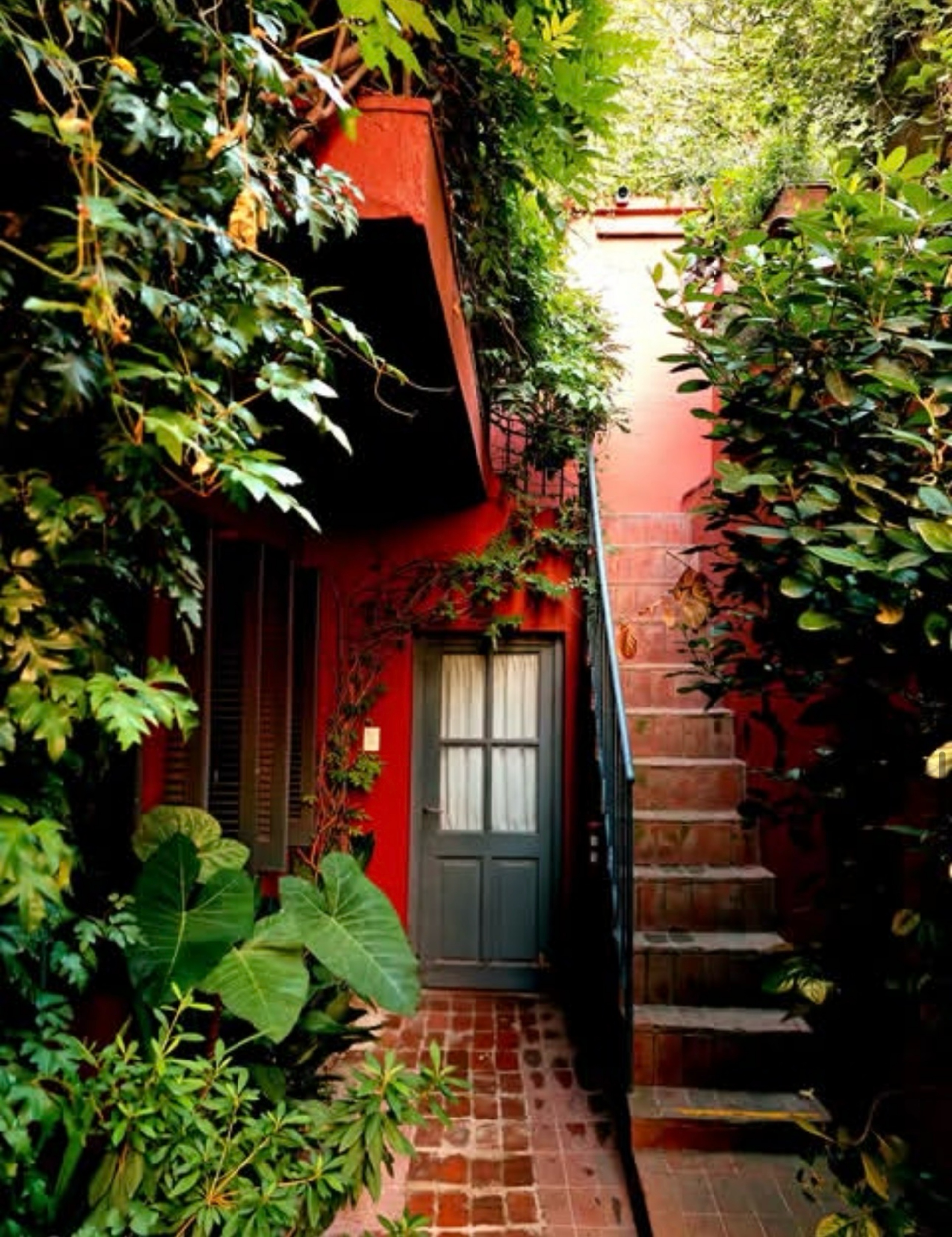
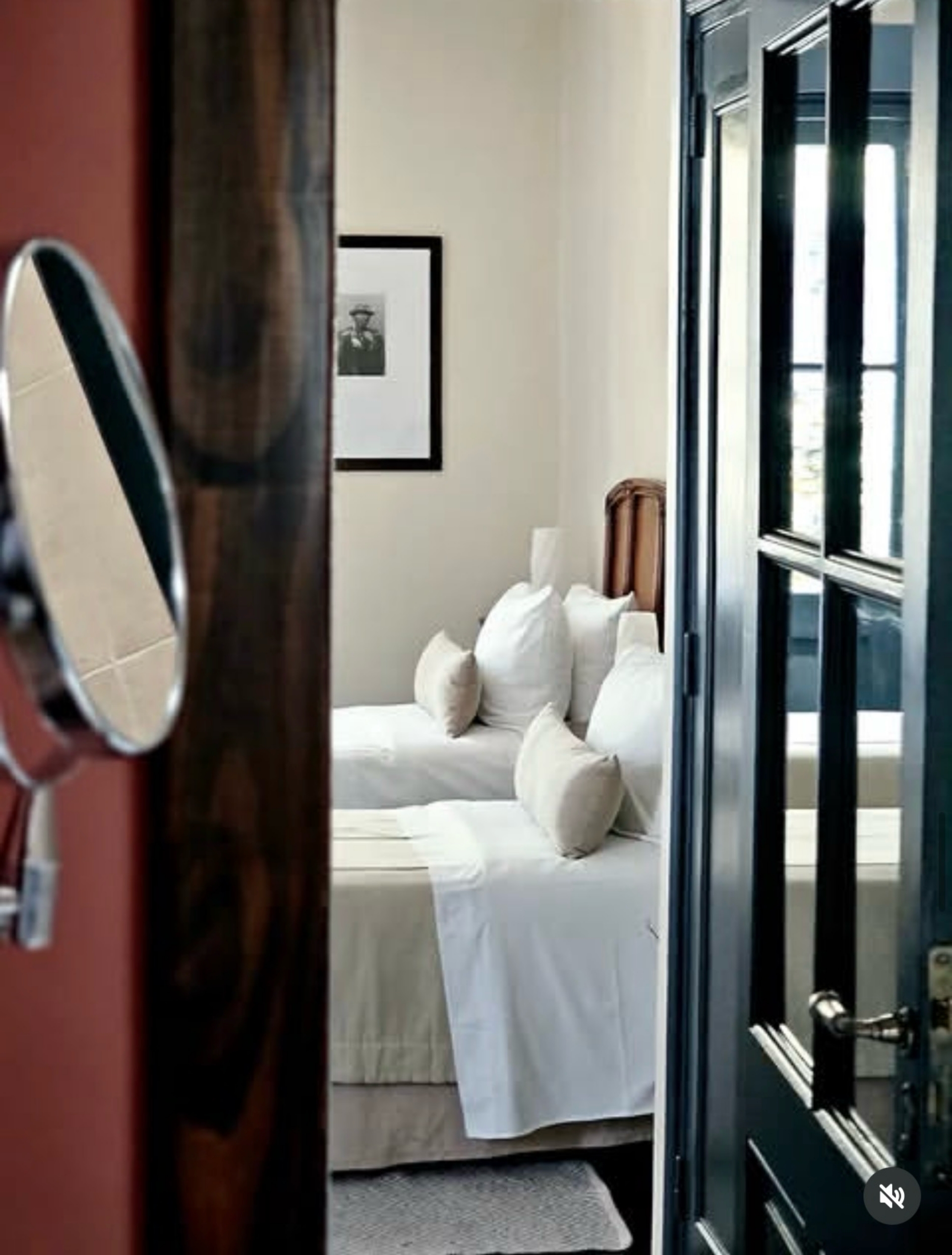
We spent our first night in Francis, on the ground floor across the garden from the main salon, with Eleanor opposite. Above is the Studio, reached by steps from the garden, with the roof terrace beyond. Later we moved upstairs into Roman, with Sophia next door. Moving rooms turned out to be a rather good way of understanding the house. Each shift revealed another relationship between rooms, garden, terraces and the life that had once moved through them.
The Studio is perhaps the most evocative space of all. A small folding desk and chair sit at the window looking towards the garden. They are not props added to manufacture a Coppola story. Colin says they have never been removed from the room. Coppola worked there, but not religiously. Sometimes he took himself outside to the table in front of the Studio; sometimes he worked elsewhere in the property. The desk is portable, practical and surprisingly modest. There is something rather lovely about that.
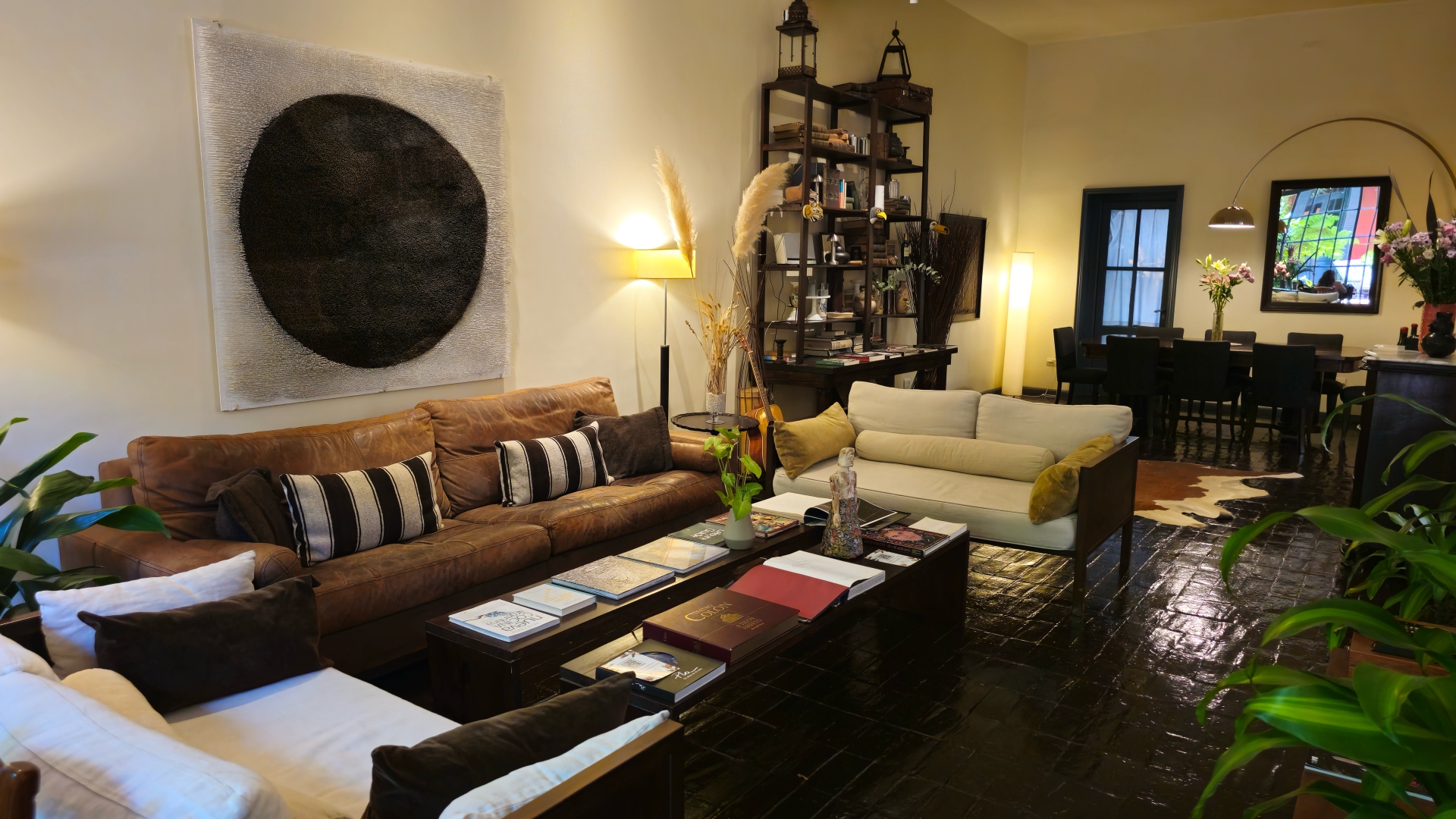
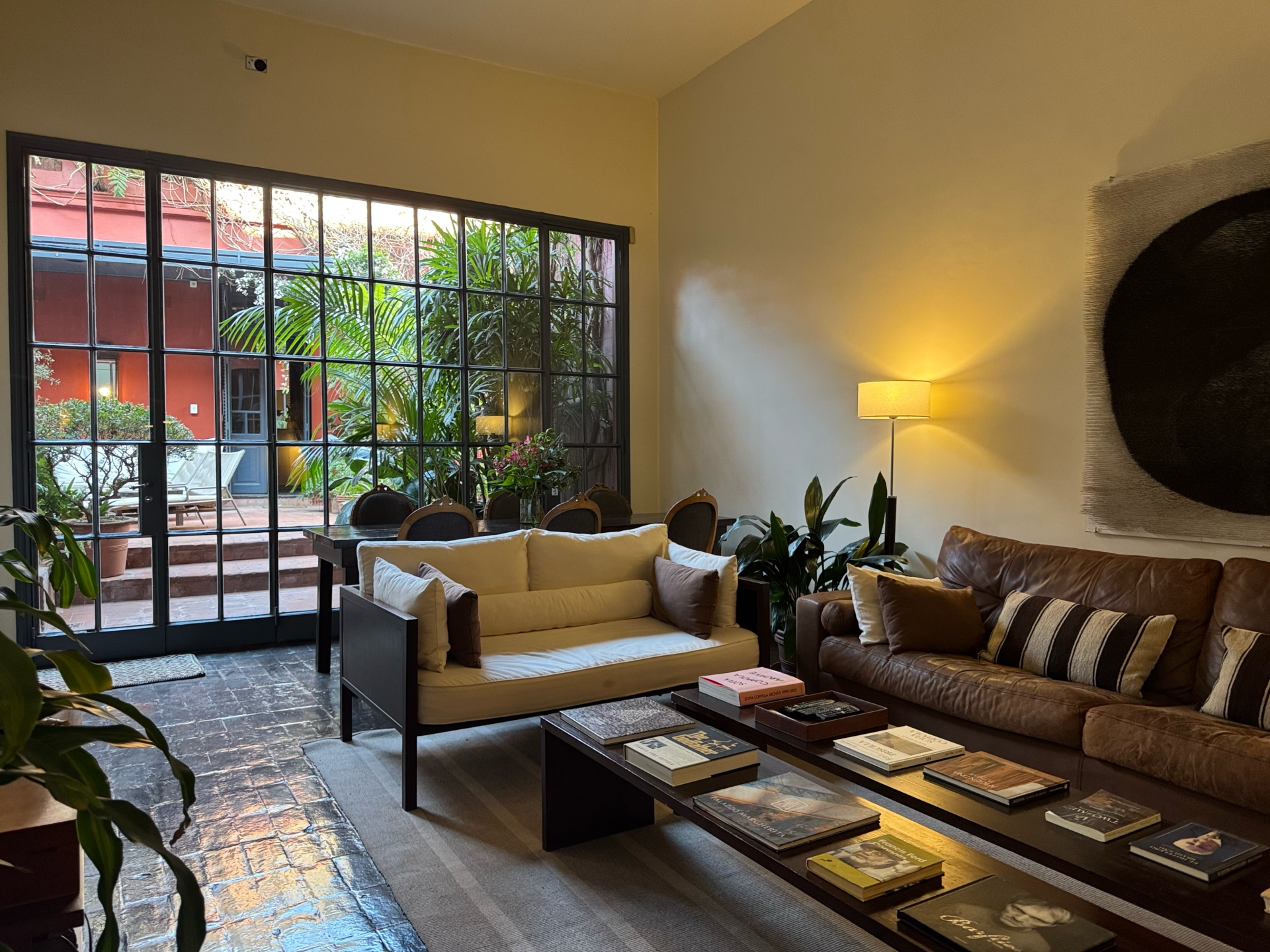
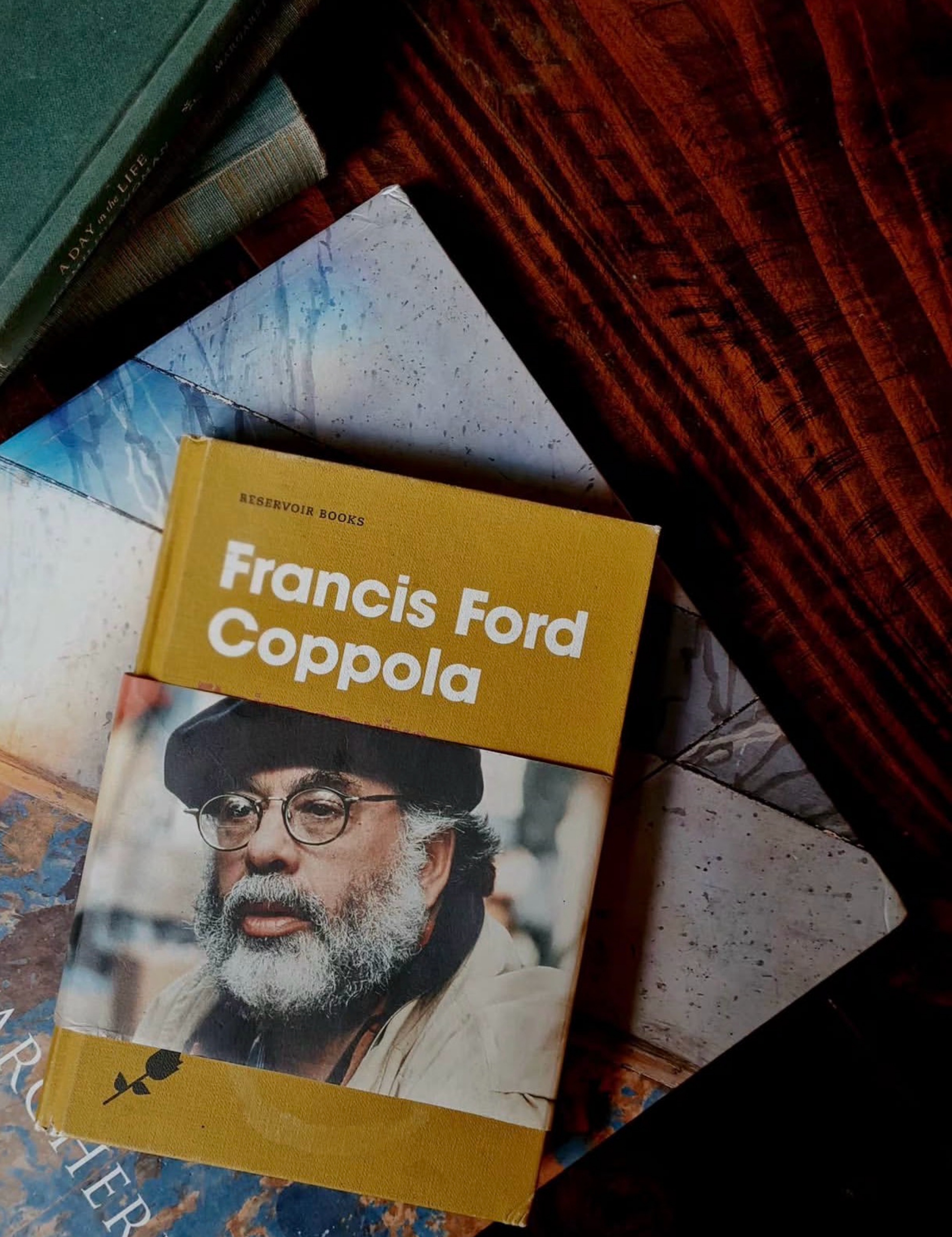
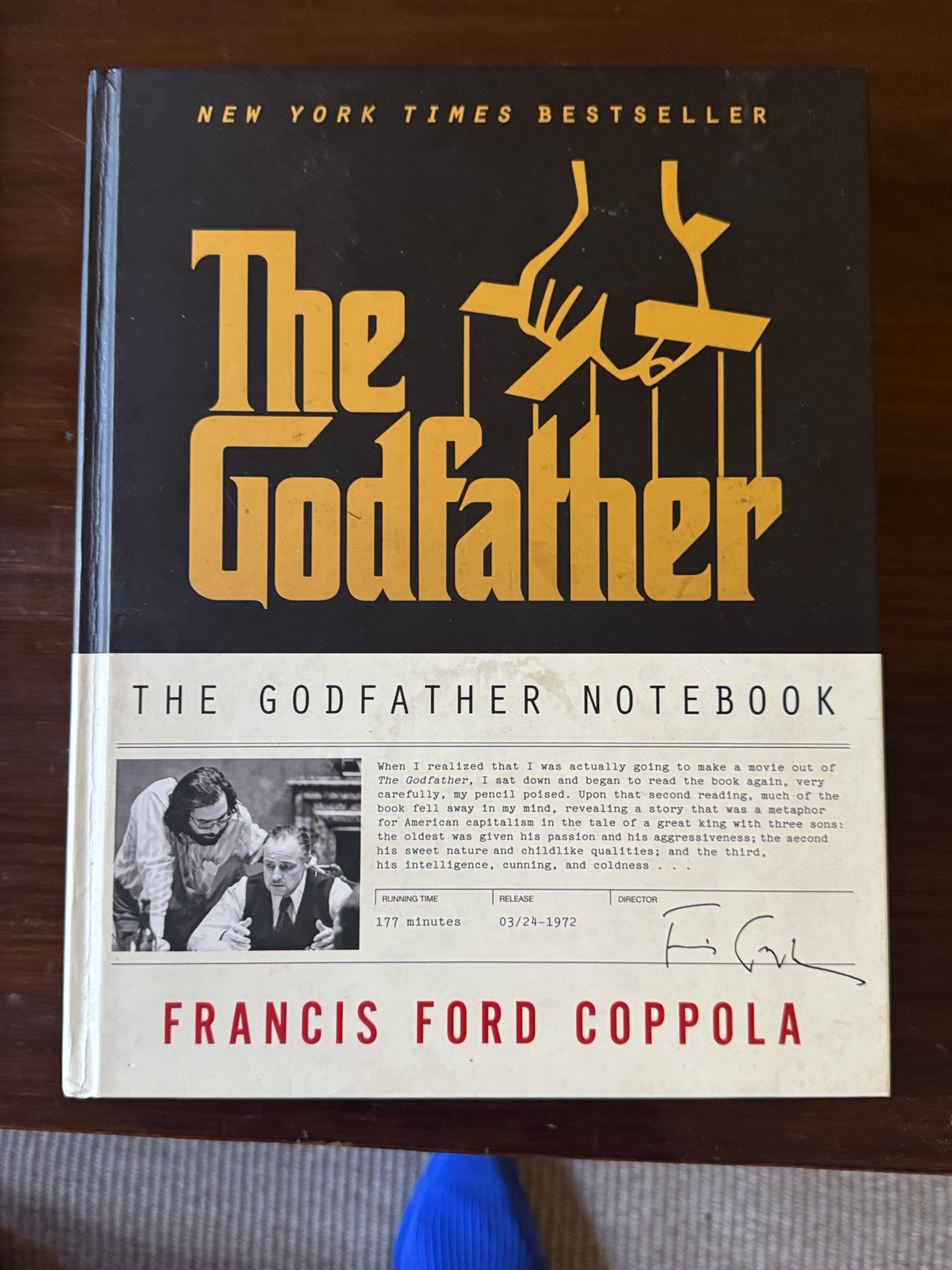
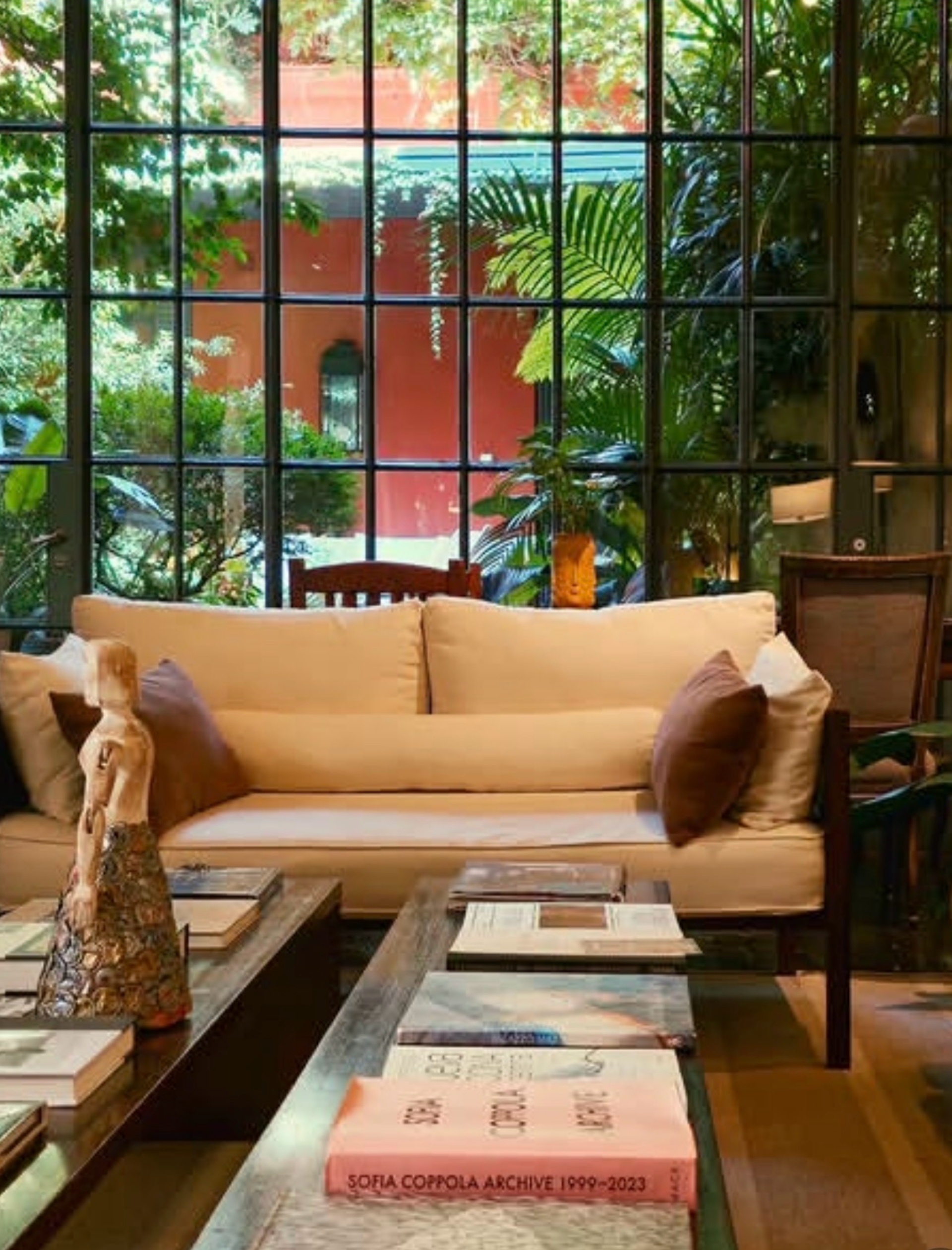
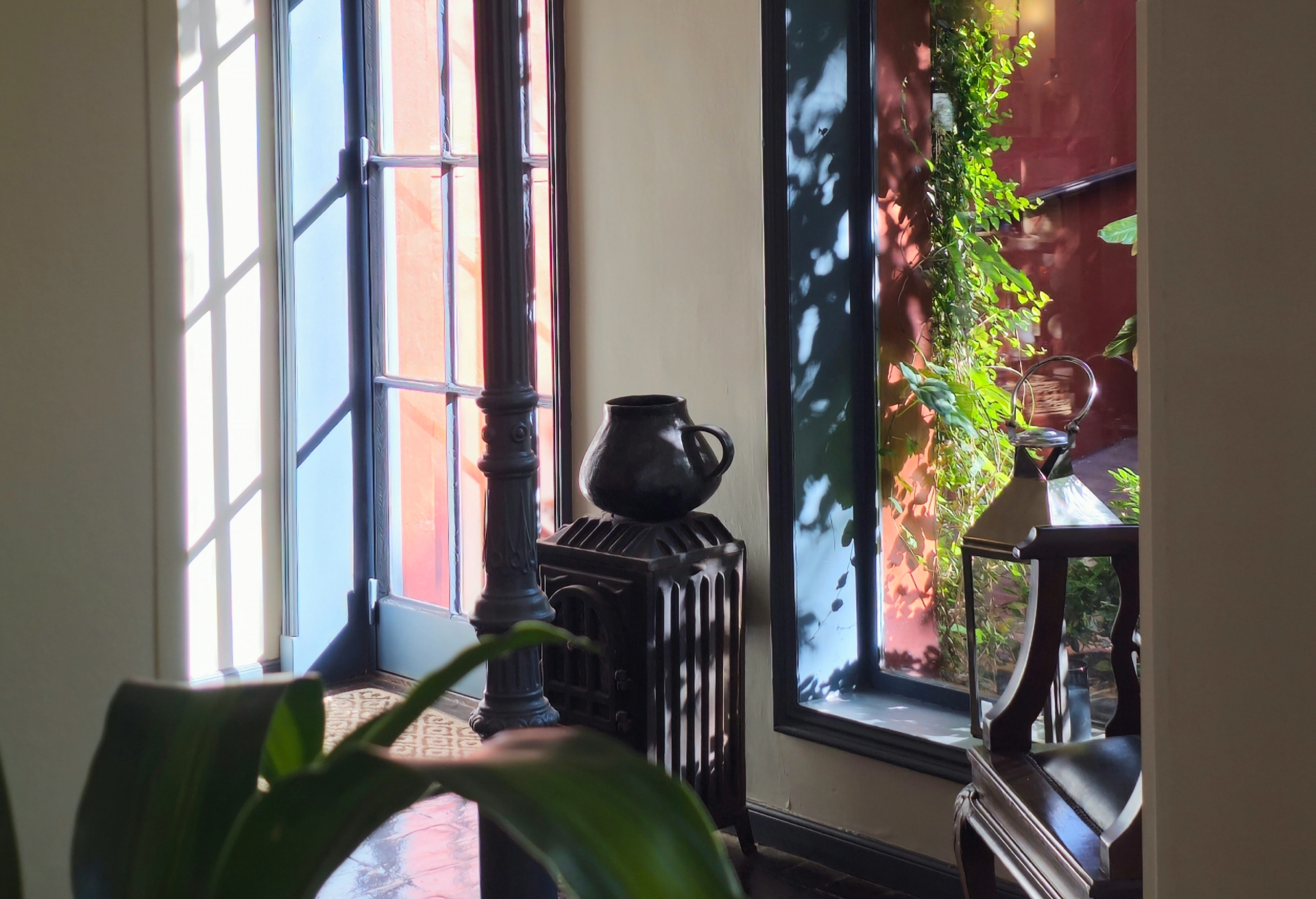
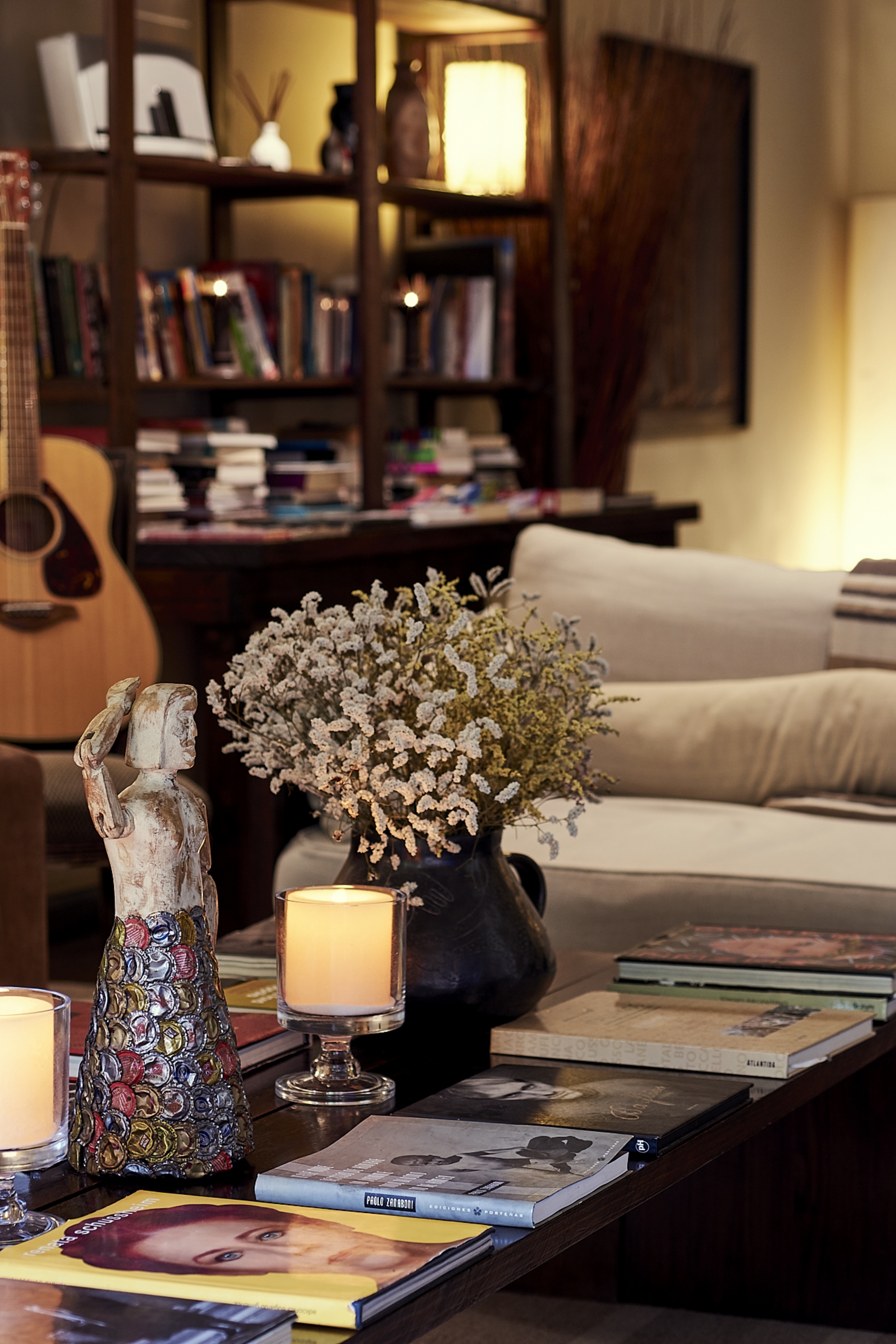
The same is true downstairs. Books, films, photographs and Coppola wines occupy the salon without turning it into a shrine. You are aware of whose house this was, but nobody has felt the need to underline it in red. The Coppola story is simply embedded in the rooms.
And Eleanor’s presence is more significant than a guest might realise.
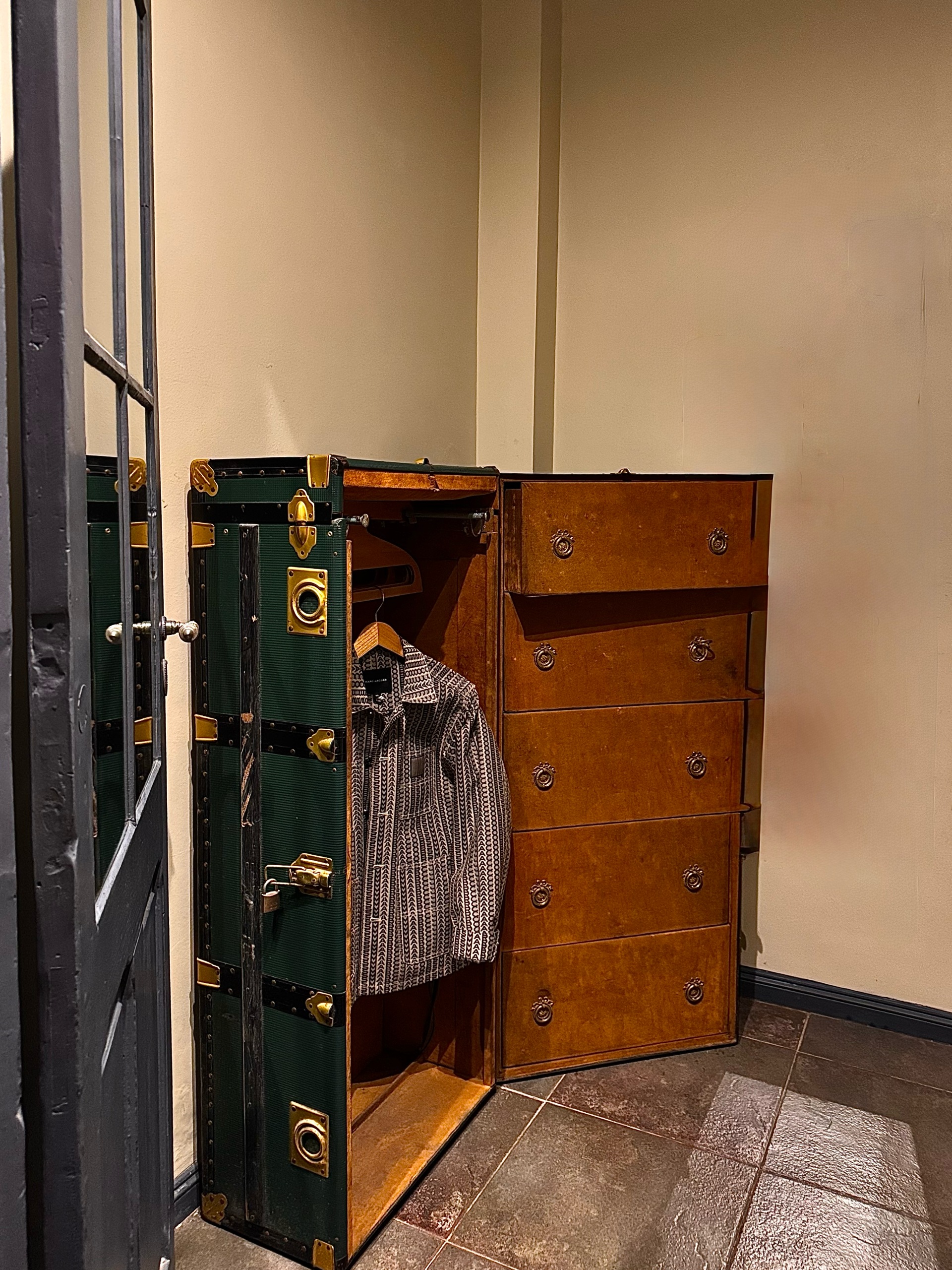
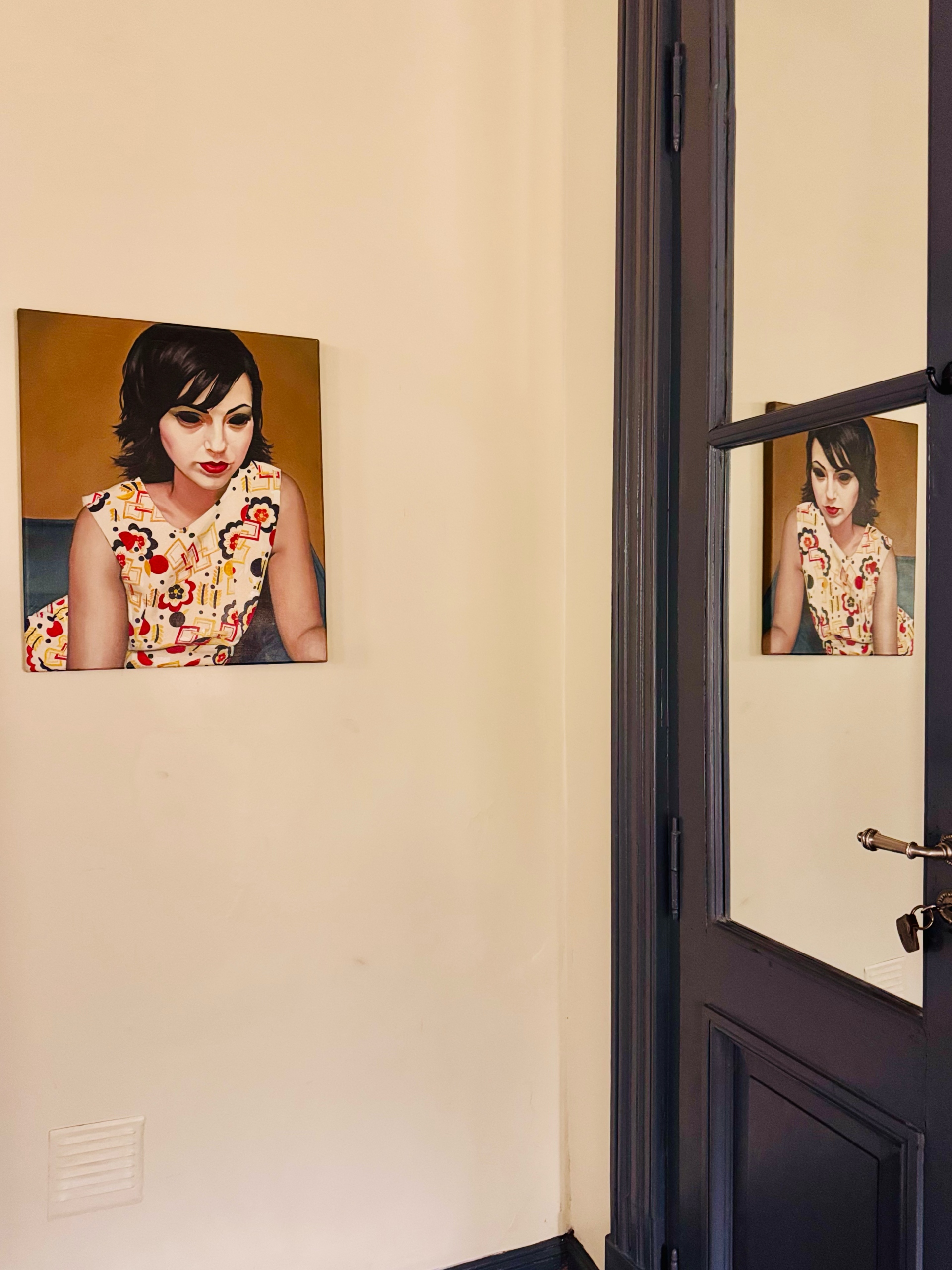
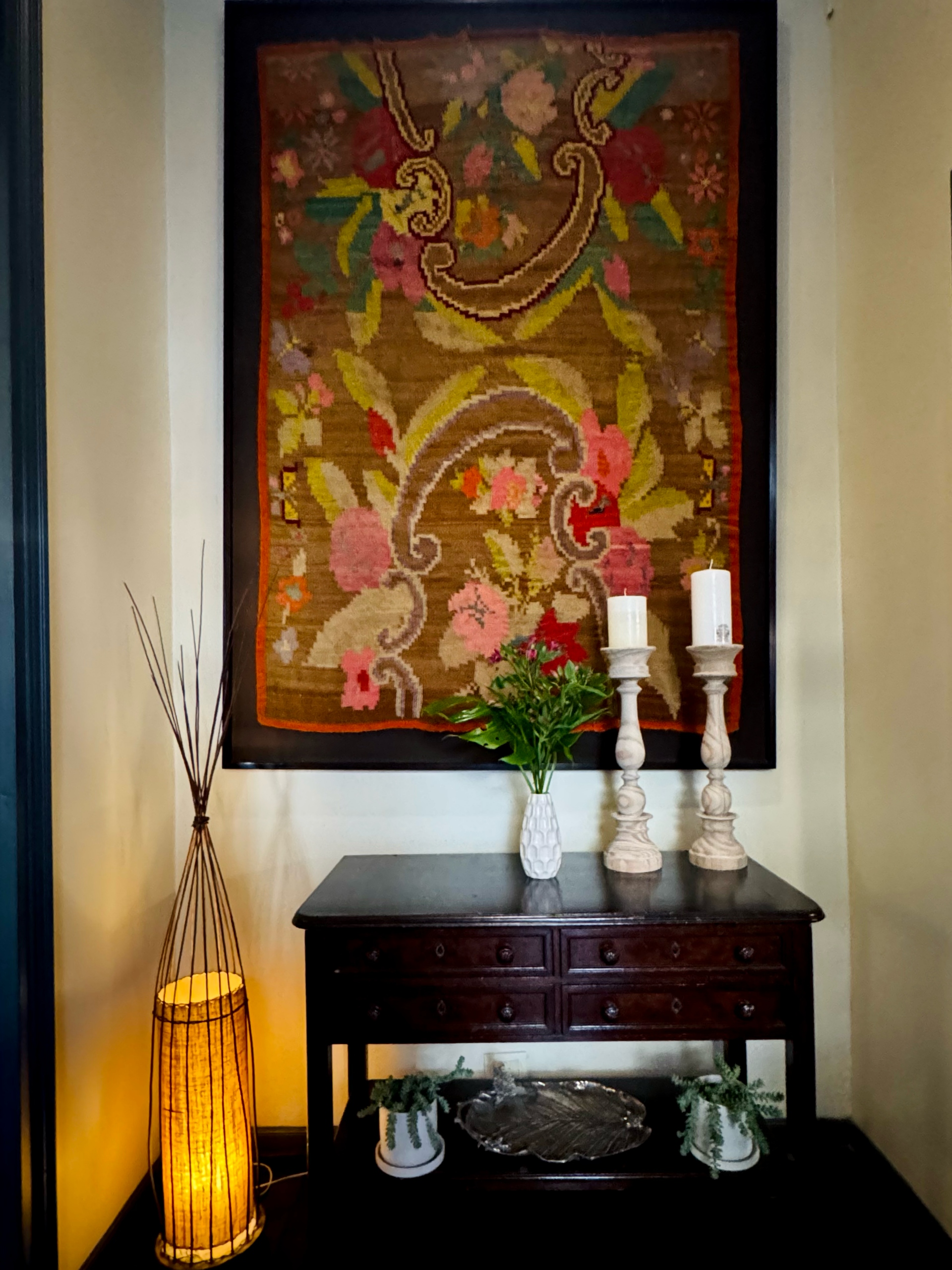
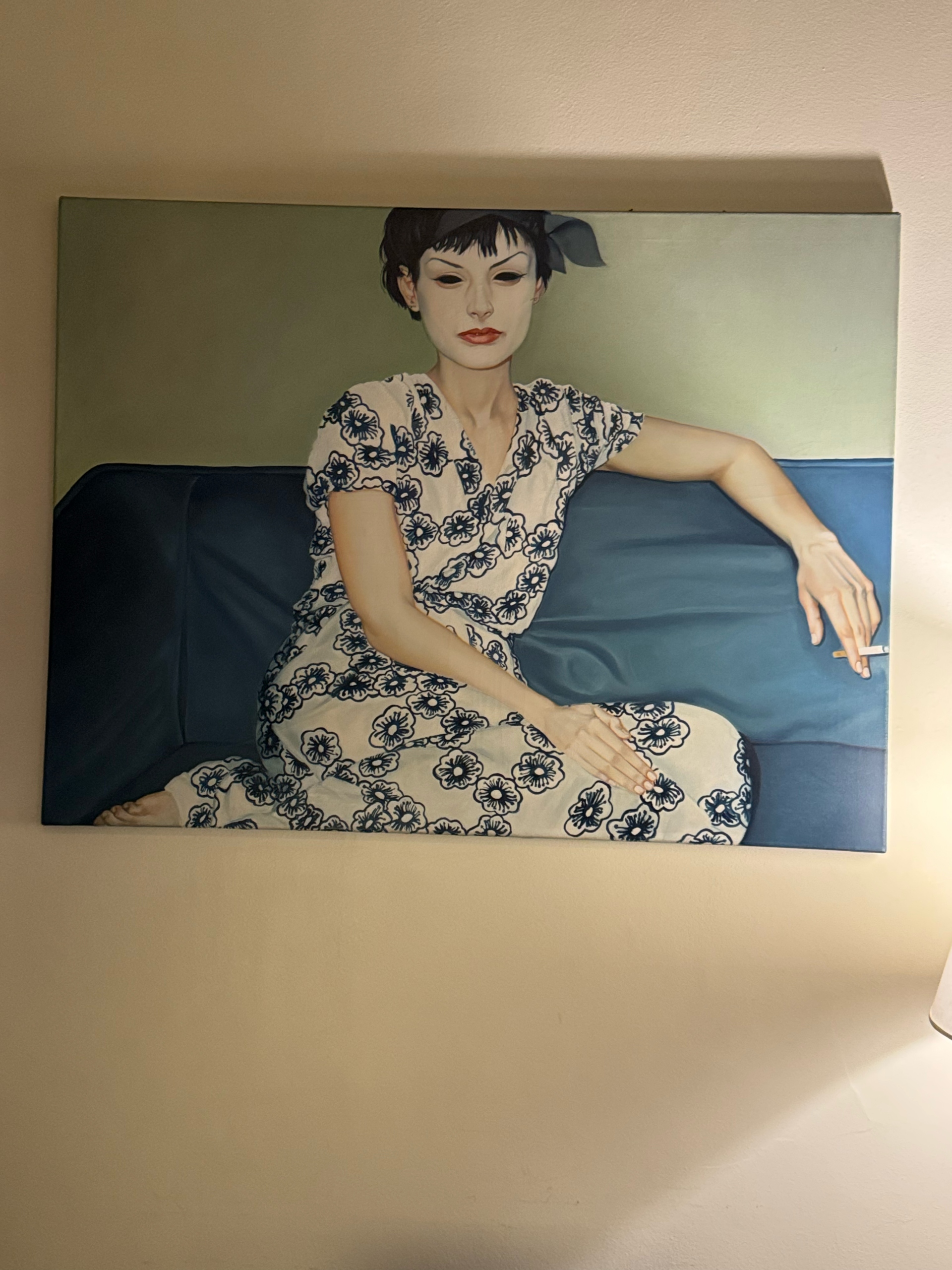
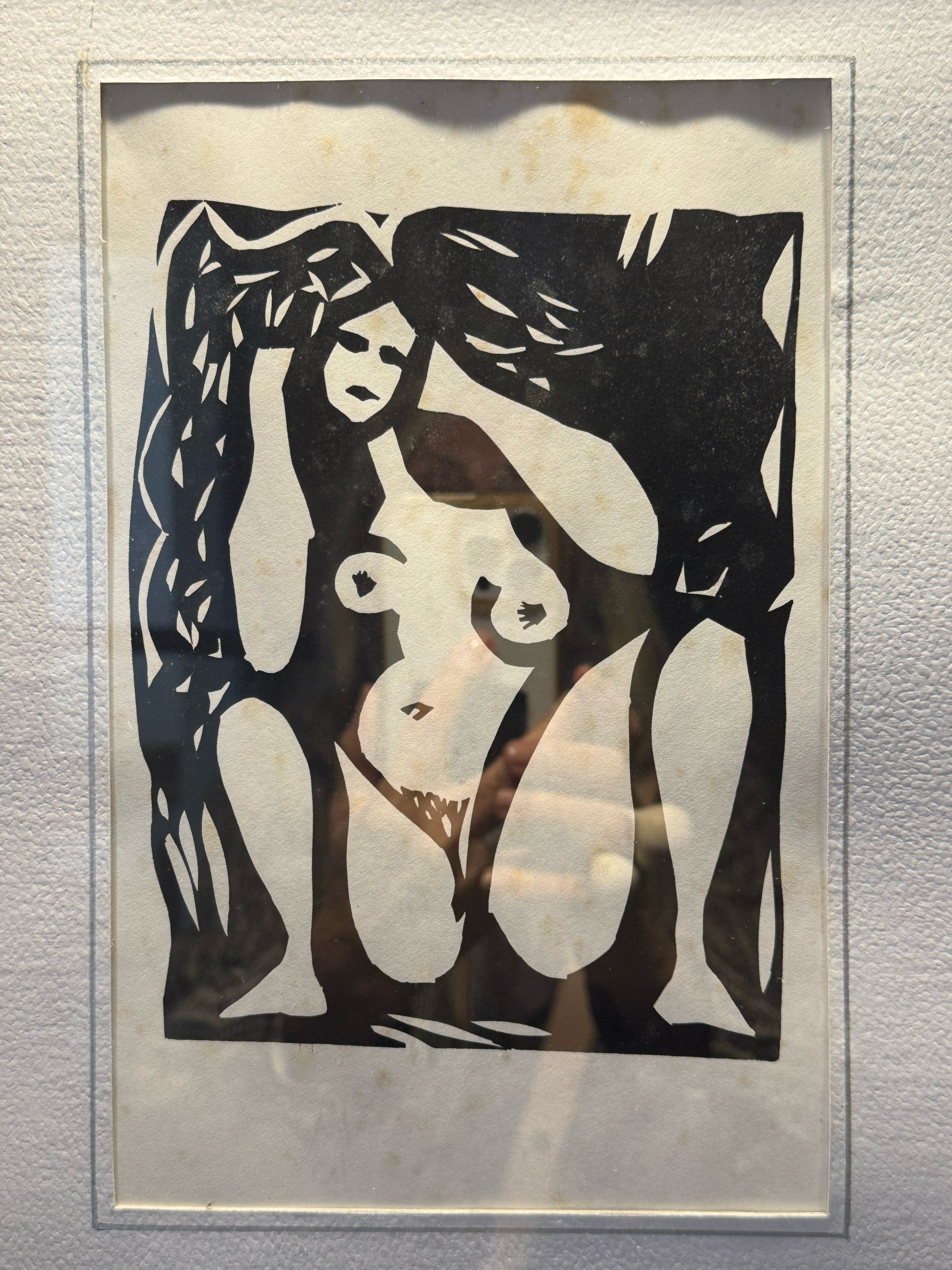
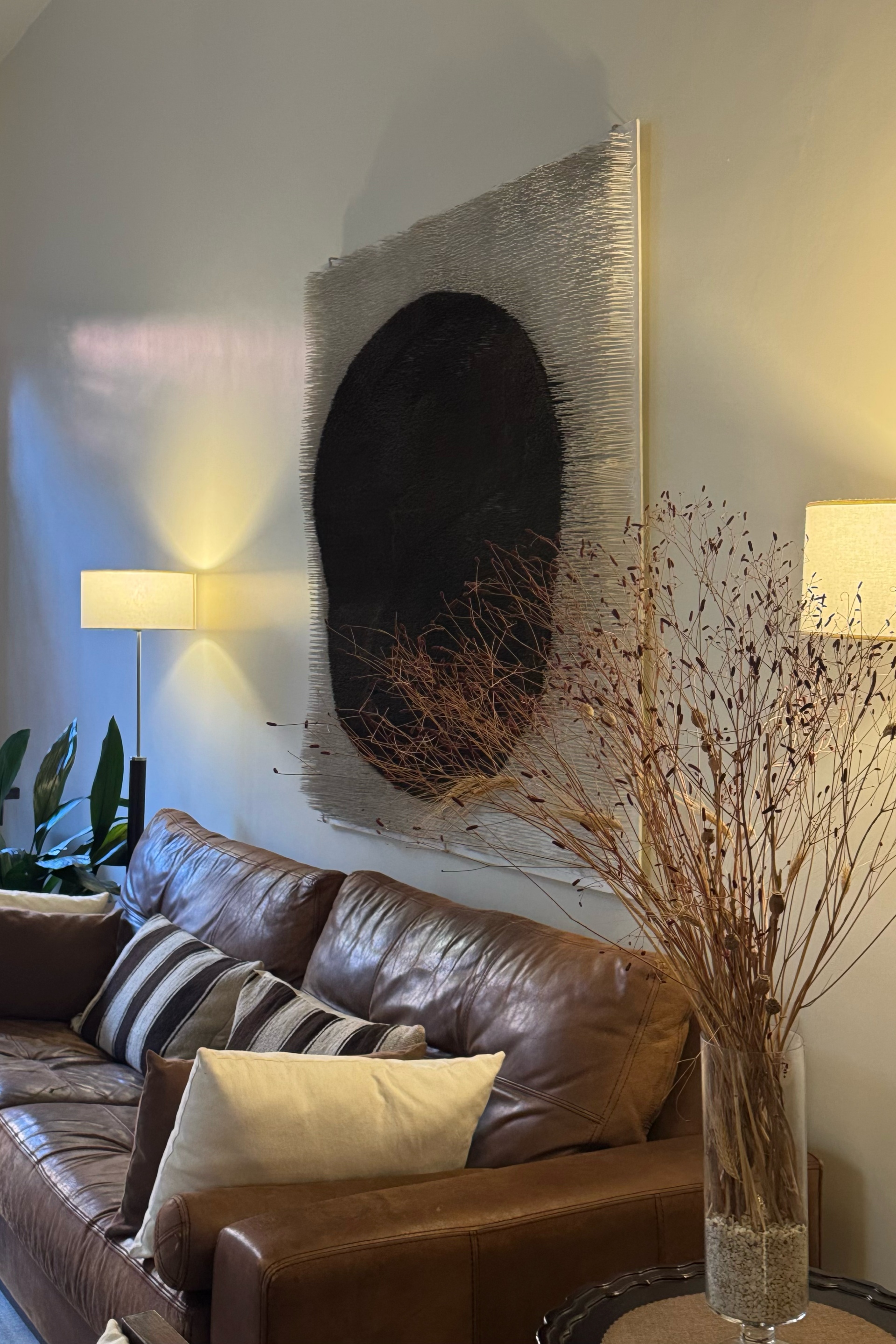
Eleanor’s contribution to the property’s aesthetic identity is central. She personally selected the rugs, tapestries, artwork, and furnishings. The resulting spaces feel organic and layered rather than rigidly designed, embodying the lived-in character of a private residence rather than a standardized hotel room.
Then there is the garden.
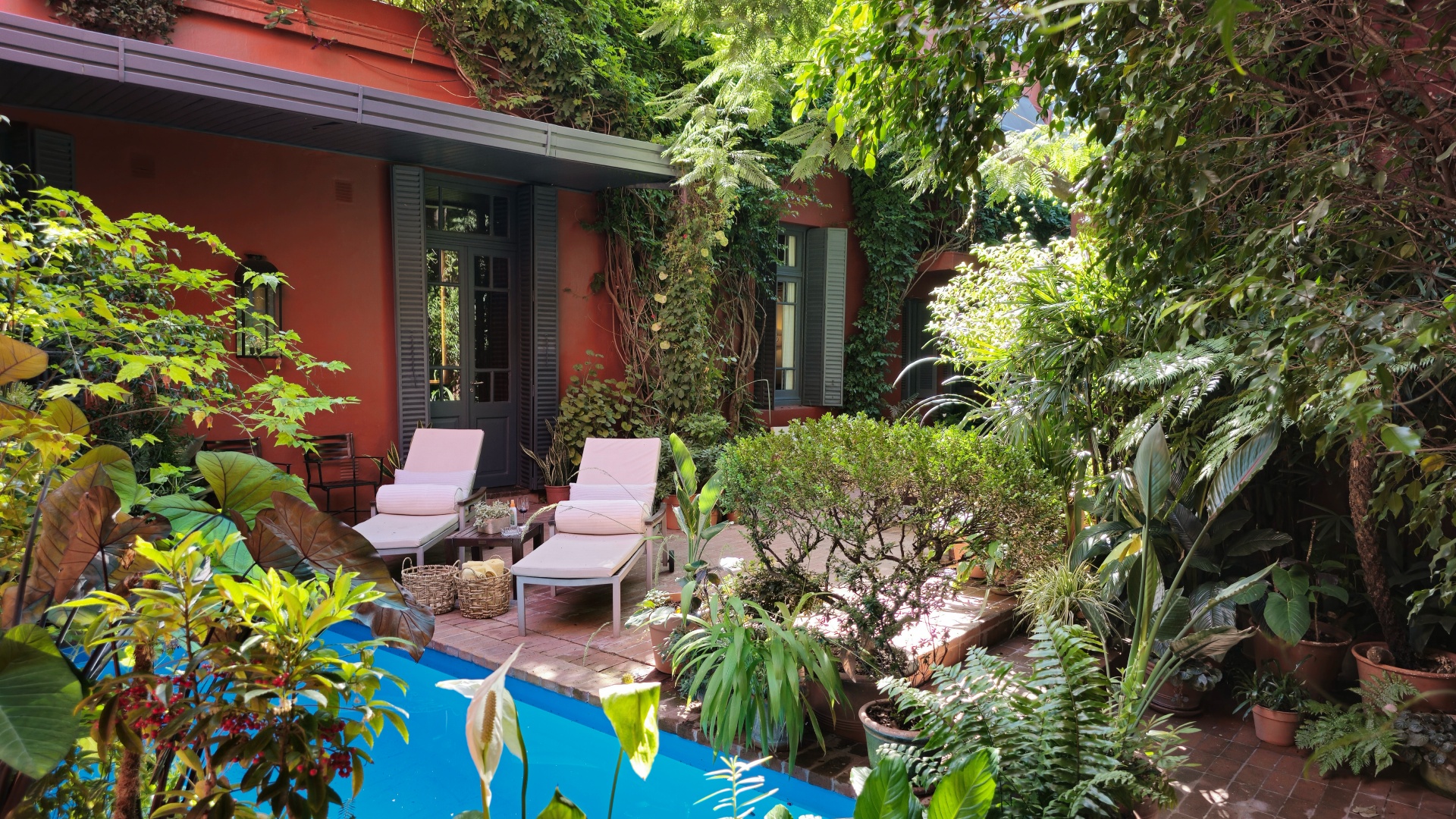
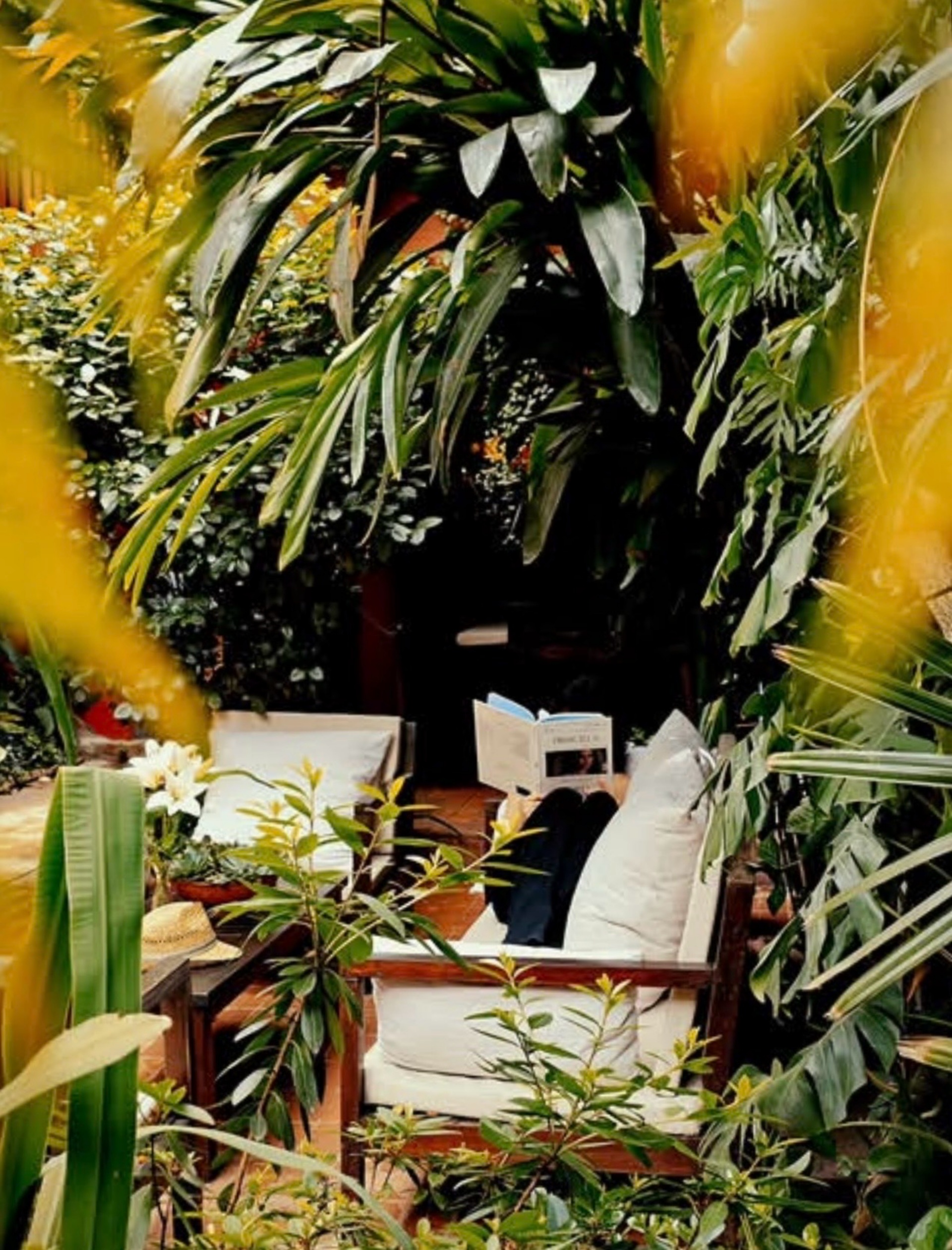
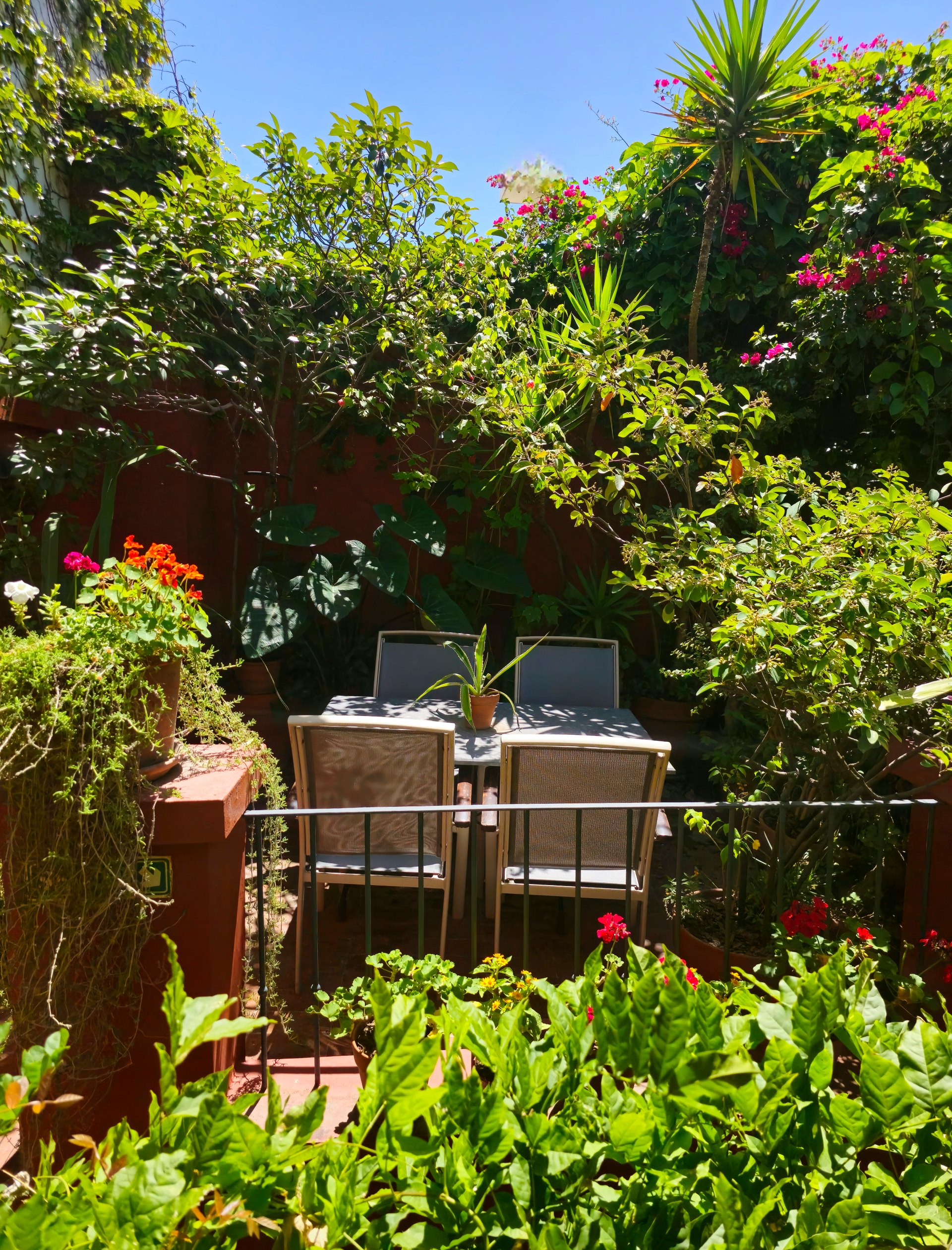
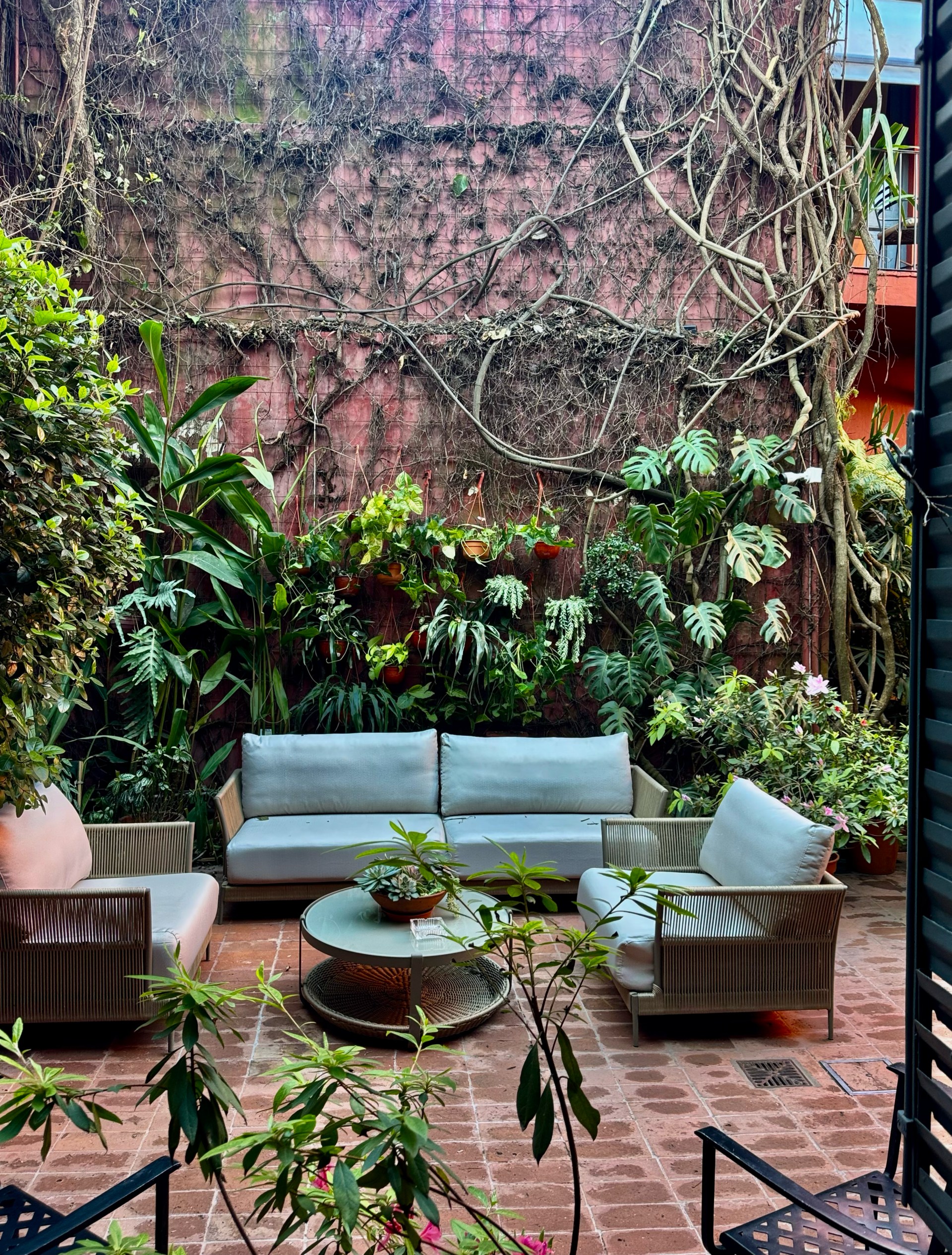
It is not simply a pretty courtyard placed between bedrooms. The garden and house are inseparable here. In places, the architecture seems almost to have been absorbed by it: vines climb the walls, foliage spills across balconies and windows, and the building appears to have grown into the garden rather than simply been landscaped around it.
Colin tells me that landscape designer Daniel Bazzano was responsible for the landscaping and that the bignonia, passionflower and wisteria have been here since Coppolas' time. Gardens and parks, he says, have always been important to Francis, and the same gardener cared for this one for many years.
Coppola also changed the architecture around it. The balcony overlooking the garden was his addition. The pool was already here, while the roof terrace, now another place to disappear with a book or coffee, was originally empty and, Colin says, “almost a wreck.”
This matters because the garden becomes the organising centre of the stay. You cross it to reach rooms. You look down into it from balconies and terraces. You eat beside it. Doors open onto it. Wisteria falls around it. It is not landscaping seen through glass but part of the circulation and daily life of the house.
That sense of domestic life extends to the way Jardín Escondido operates.
Service follows a similar domestic rhythm. Guests will find no automated coffee machines or kettles in the bedrooms; espresso is prepared to order in the living room. Breakfast is cooked individually with no rigid buffet hours, served anywhere across the dining room, private balconies, or courtyard garden until 2:00 PM.
Again, this is intentional. Colin describes the idea as creating a place where people can simply be, feel free and unwind, away from stress and rigid rules but still surrounded by personal attention.
It is a subtle distinction, but an important one. Luxury here is not about adding more things.
Quite often it is about removing the machinery of hotel life. There are proper room keys. Fresh flowers. Divinely puffy beds. There are no television screens greeting you by name and very little of the standardised language that follows you around contemporary hotels. Nobody appears particularly interested in reminding you that you are a guest.
Step outside and the neighbourhood continues the same rhythm. Gorriti, Honduras, El Salvador, Gurruchaga, Armenia, Malabia and Thames are made for walking. Independent shops, cafés, restaurants and bars occupy buildings that often retain the proportions and details of the old neighbourhood. You can leave without a plan and find your day within a few blocks.
We had originally booked three nights at Jardín Escondido. We stayed a fourth.
What distinguishes Be Jardín Escondido is its precise balance: retained legacy without becoming a museum. Coppola’s influence persists through architectural and spatial details—the garden balcony he constructed, the studio desk, the curated library—offering a quiet, elevated sanctuary within one of South America’s most vibrant cultural capitals.
And Eleanor is there too, in a quieter way: in the rugs underfoot, the tapestries, paintings, sofas and furniture she chose, and in the sense that these rooms were assembled for living rather than staged for guests.
Colin tells me that visitors often fail to realise how old the house is. What they do pick up on, he says, is its “history, mystery and memories of the past.”
I think he is right.
The most interesting thing about Jardín Escondido is not that Francis Ford Coppola once lived here. It is that the transition from private house to hotel was never allowed to erase the house itself.
A filmmaker came to Buenos Aires to make a film. He and Eleanor made a home here. He worked above the garden. She chose the things they lived among. They planted, altered, furnished and inhabited it, and when the film was finished they decided to let other people inhabit it too.
Sixteen years after it became a hotel, you still ring the bell to be let in.
And for a little while, the house is yours.