PODCAST
WHAT MAKES A GOOD CONVERSATION? LOOK NO FURTHER THAN OUR ART OF THE CONVERSATION, FEATURING UNCONVENTIONAL STORIES AND PEOPLE WHO MOVE AND INSPIRE
LISTEN NOW


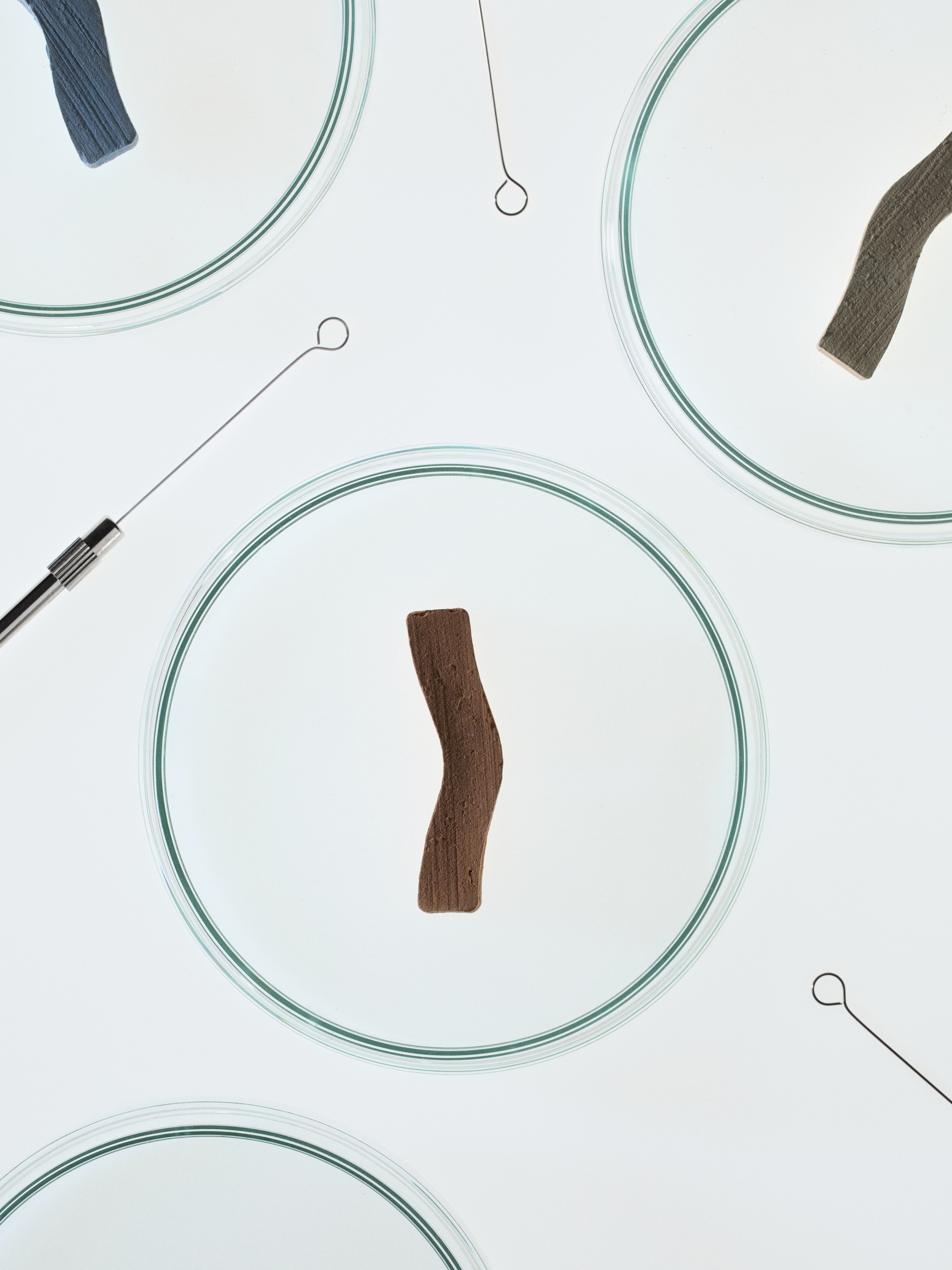
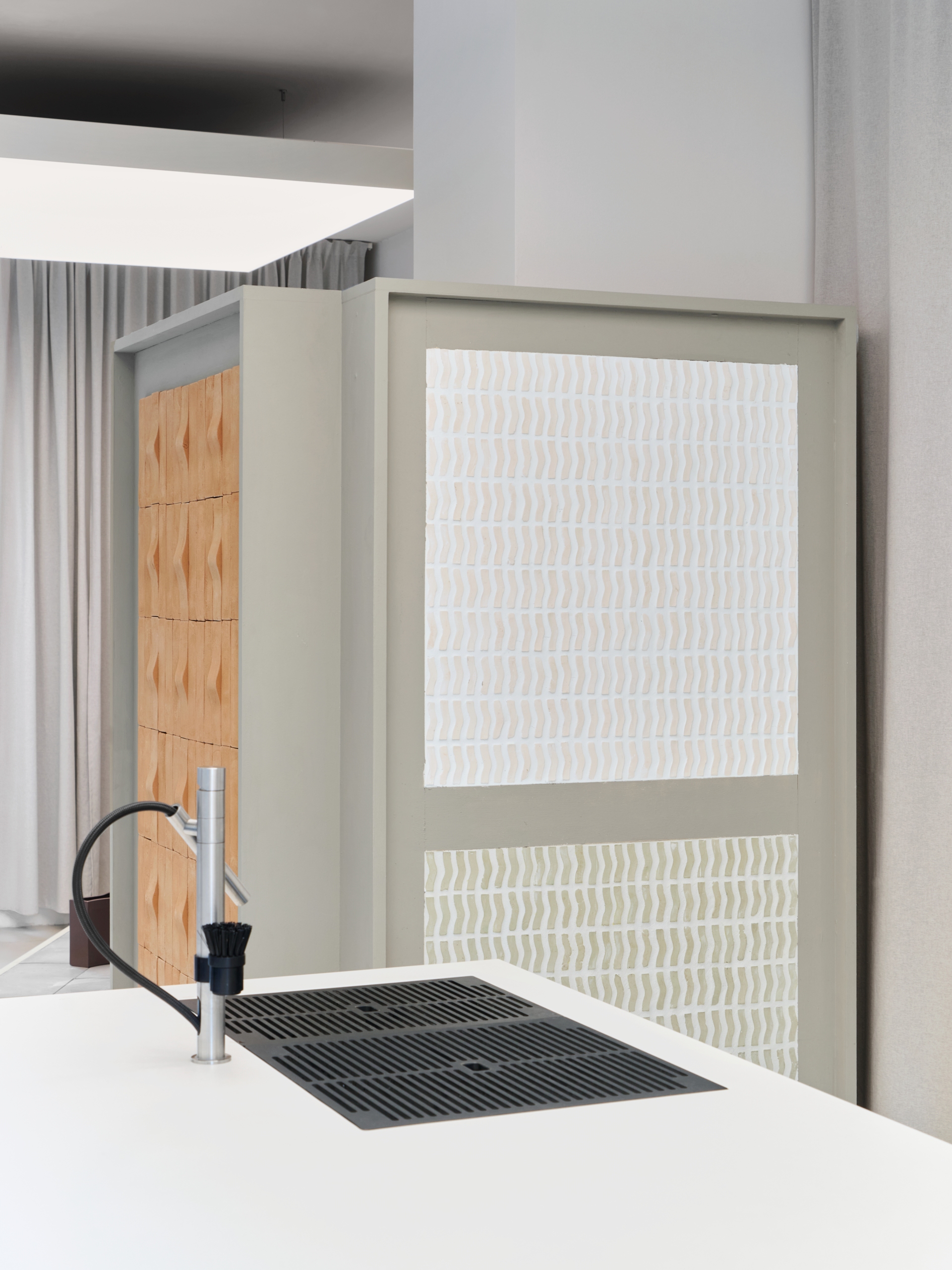
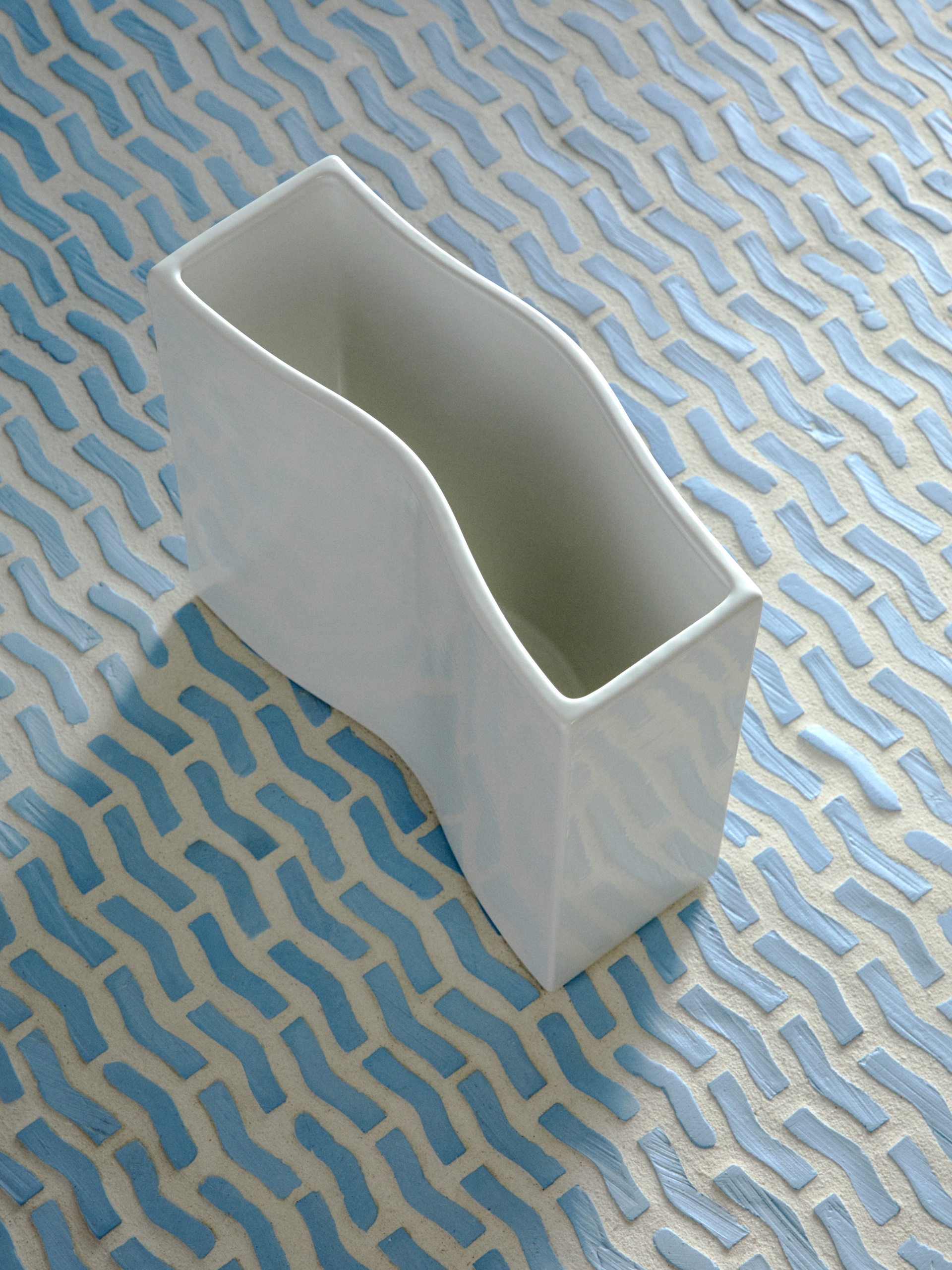
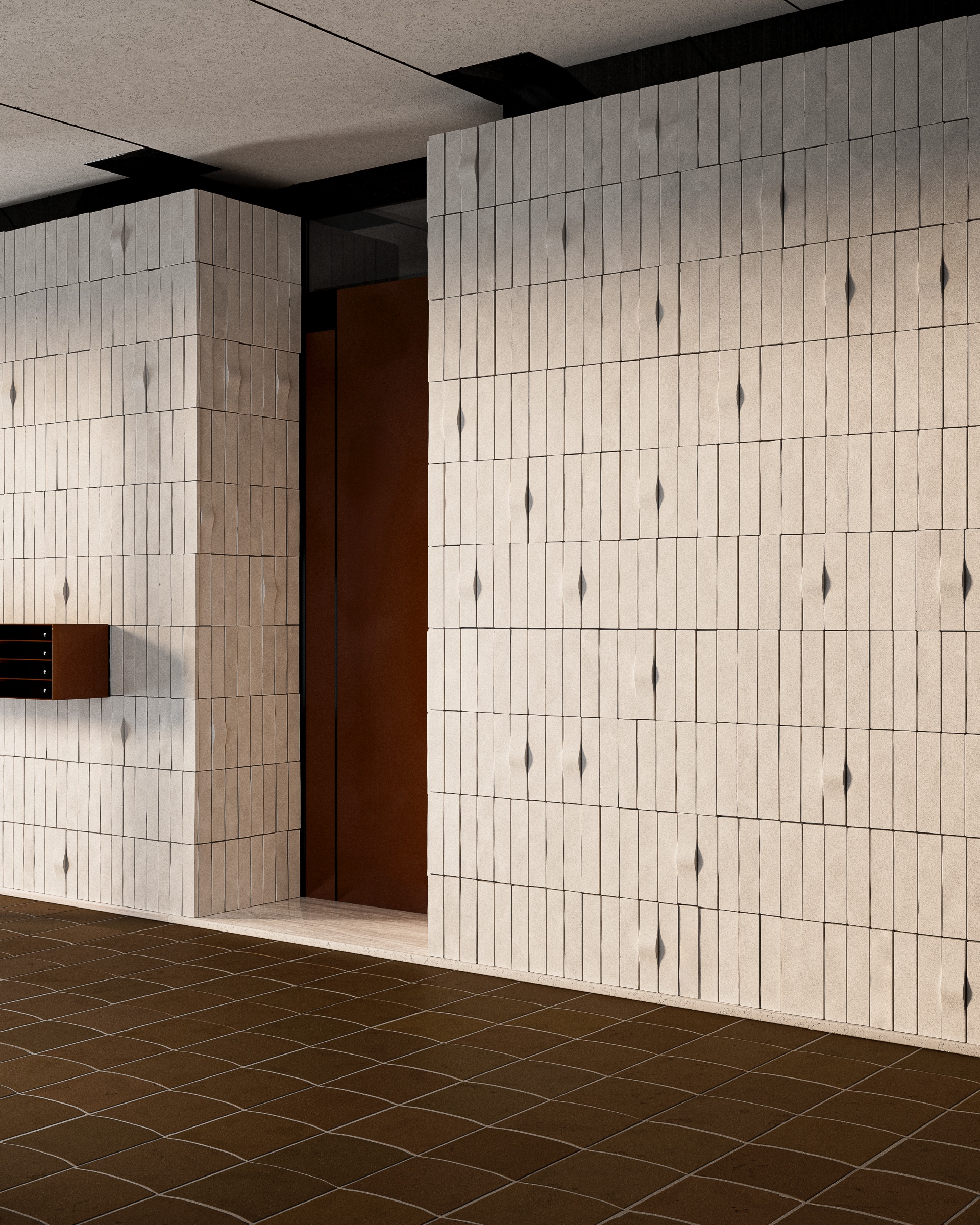
At the intersection of ancient craftsmanship and modern biomorphic design, the Microbia collection marks a pivotal collaboration between the Milan-based studio Finemateria and the historic terracotta house Fornace Brioni. Rooted in the observation of natural systems, the project reimagines terracotta not merely as a surface material, but as a living ecosystem - one where clay tiles mimic the organic growth, aggregation, and transformation of microorganisms. By adhering to their core philosophy that “material precedes form,” designers Gianluca Sigismondi and Stefano Bassan have crafted a series that spans from architectural flooring to sculptural wall coverings, inviting a new, tactile dialogue into contemporary spaces.
Finemateria was founded in 2020. How has your vision evolved since then, and what defines your studio today?
Finemateria began in 2020, a very particular moment, with one non-negotiable idea: to give voice to materials, more than to drawing, more than to function. The name itself, Finemateria, holds several layers of meaning, but above all it says "the end is the material, the matter itself." From there came our most essential vision: material precedes form.
In the beginning we were very pure, almost anarchic. We truly did only what we wanted. Fortunately, over time you become a professional, and you learn to engage with different realities, which requires a degree of compromise. It's even more satisfying to reach the right compromises without losing your identity. I'd say our vision today is to be a brand that creates projects, a design house that inspires passion and spreads a shared imagination into everything it touches. We're never intimidated by the scale of a project. Finemateria will always be ready to propose a direction, a material, a production technique, an aesthetic sensibility, a pairing, a feeling, a project.
House of Finemateria has become a hub for collaboration. How does this space shape your practice and community?
HOF, as we call it, was an important choice. We chose to root ourselves in the area that felt most representative of who we are, within what was accessible for the space we had in mind: the district around Milan's former slaughterhouse and the great fruit and vegetable market, inside a complex originally built for ATM tram workers.
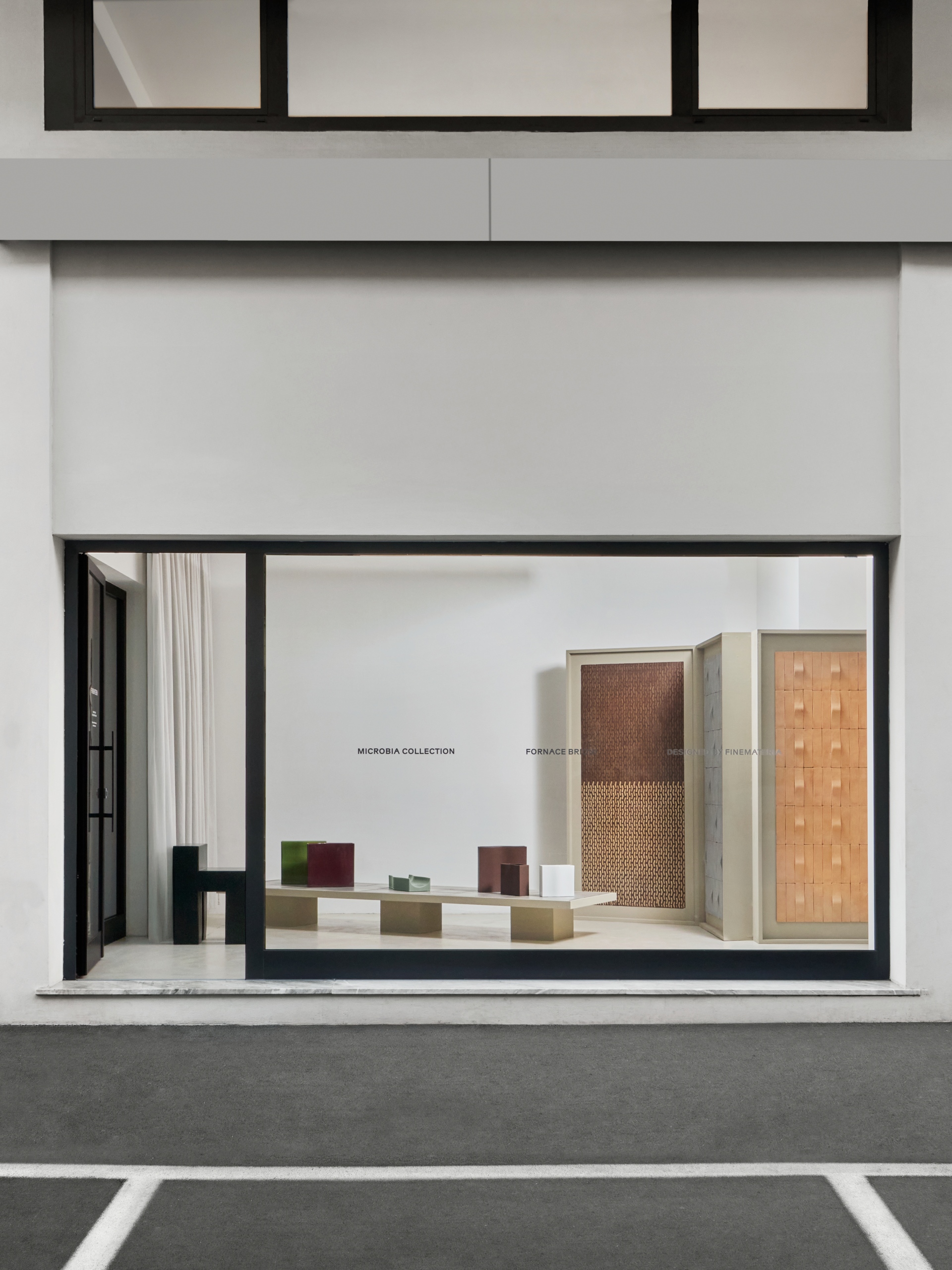
I strongly believe this has helped, on a practical level, to make people understand what Finemateria is as an ecosystem. Even the "cube" aesthetic of the space, distinctive as a façade, shows how Finemateria adapts, in this case to a working class neighborhood, without ever losing its own notes.
On a community level, HOF gives back enormously. We dedicate part of the space to presenting the work of others, as long as it's work we genuinely believe in, and as varied as possible. This draws in different audiences and makes us proud to grow a community that isn't an elitist little circle, but something open, always elegant in manner, and in how we choose to be people in 2026.
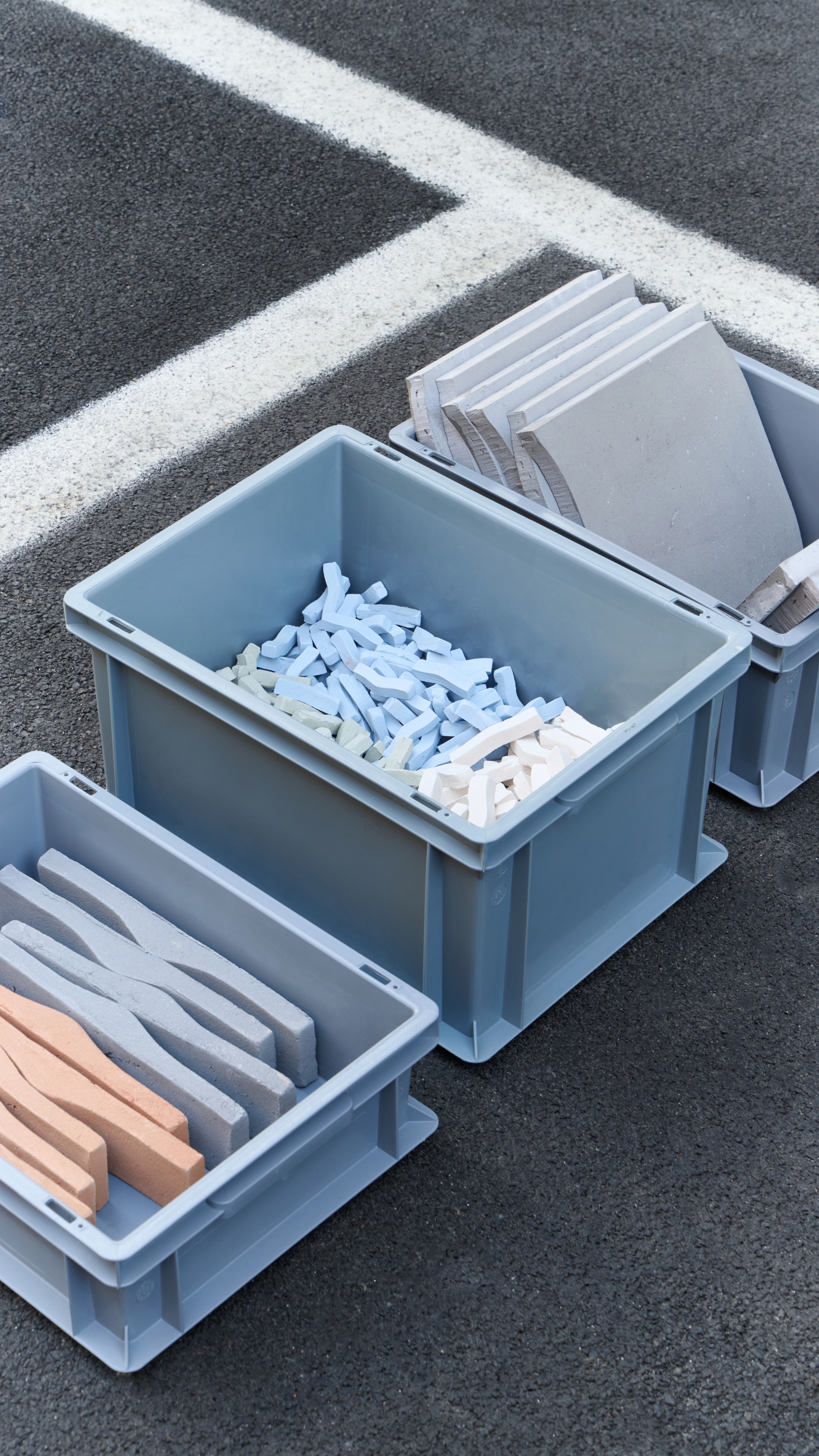
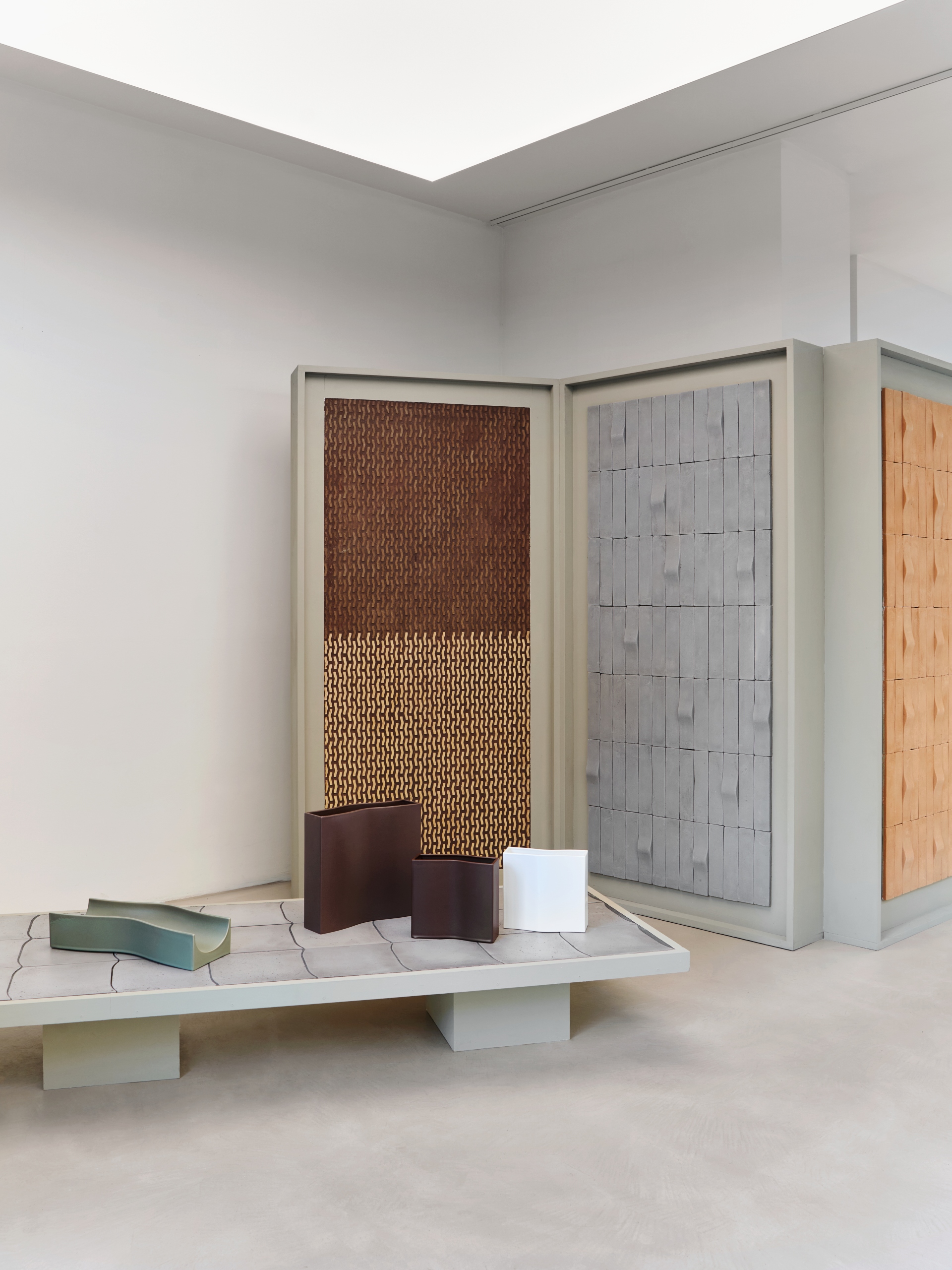
Microbia draws from microorganisms and natural systems. What inspired this theme, and how did you bring it into material form?
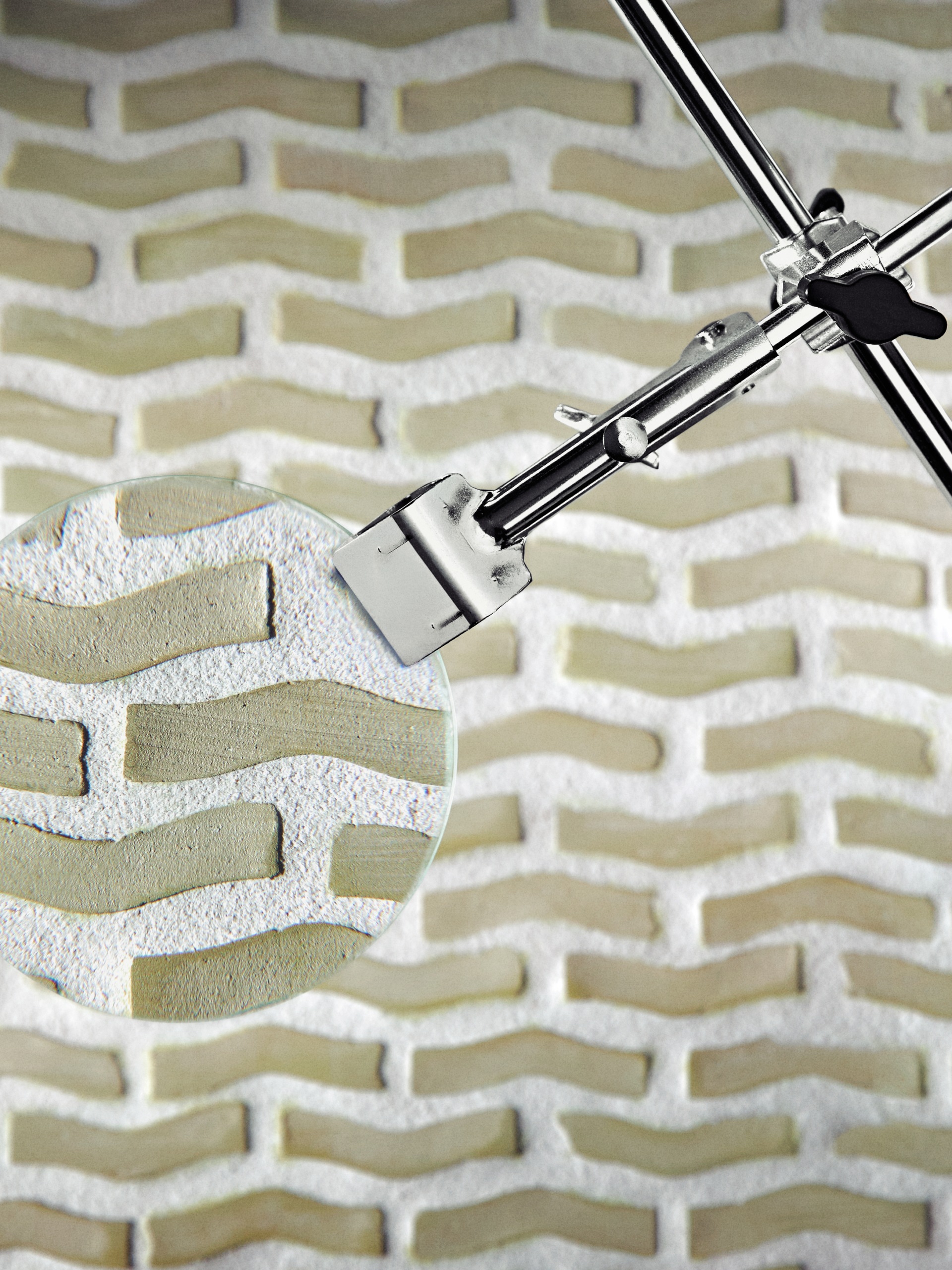
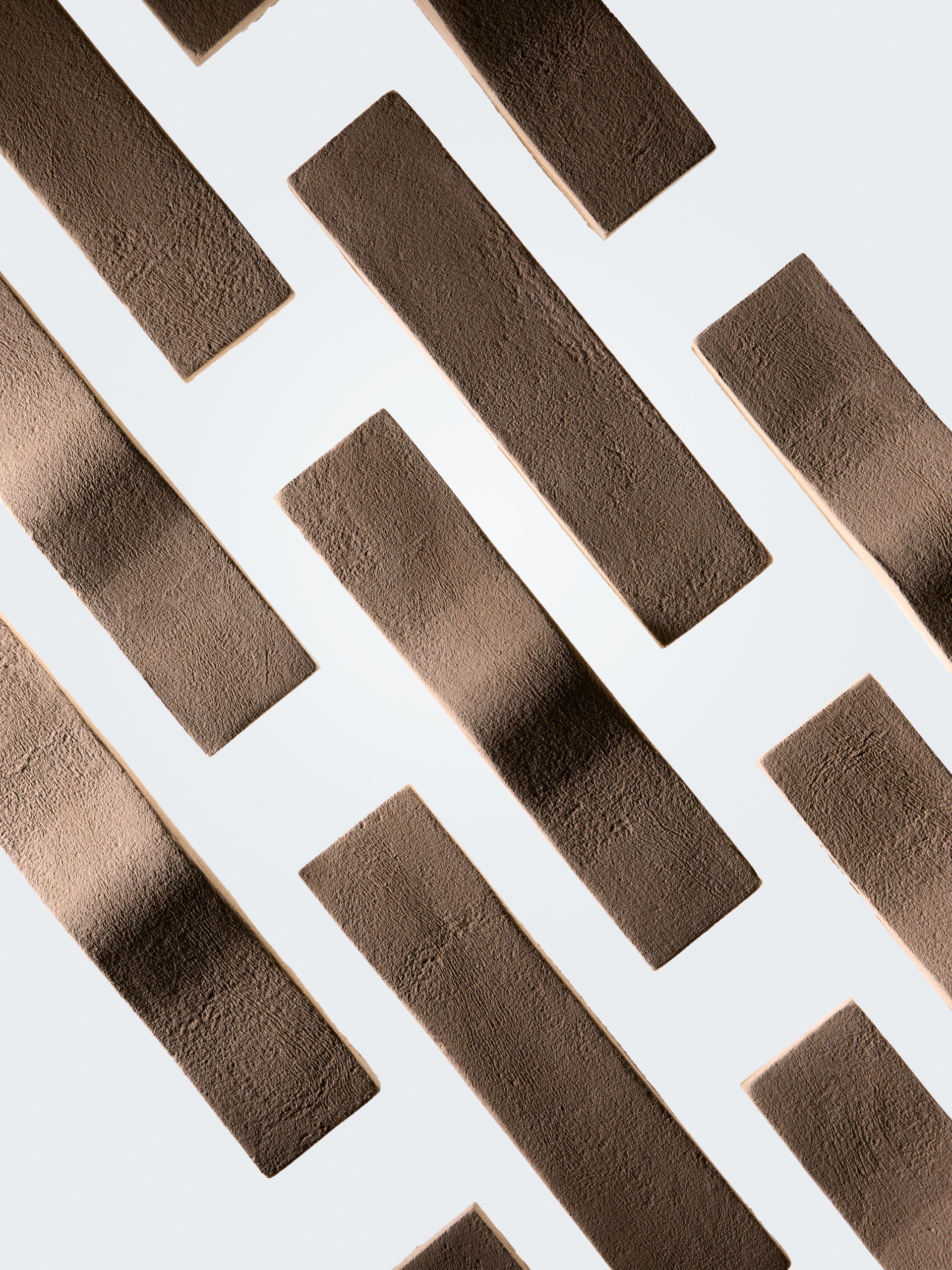
We were inspired by earth, by clay. Earth becomes earth over time, and what shapes it into earth, depending on geography, are the microorganisms that work it. We liked the idea of a stylistic mark that started from there: a simple line that quickly evokes an archetype, something between a small worm, a microbe, a bacterium. This single line is the thread from which every category in the collection develops.
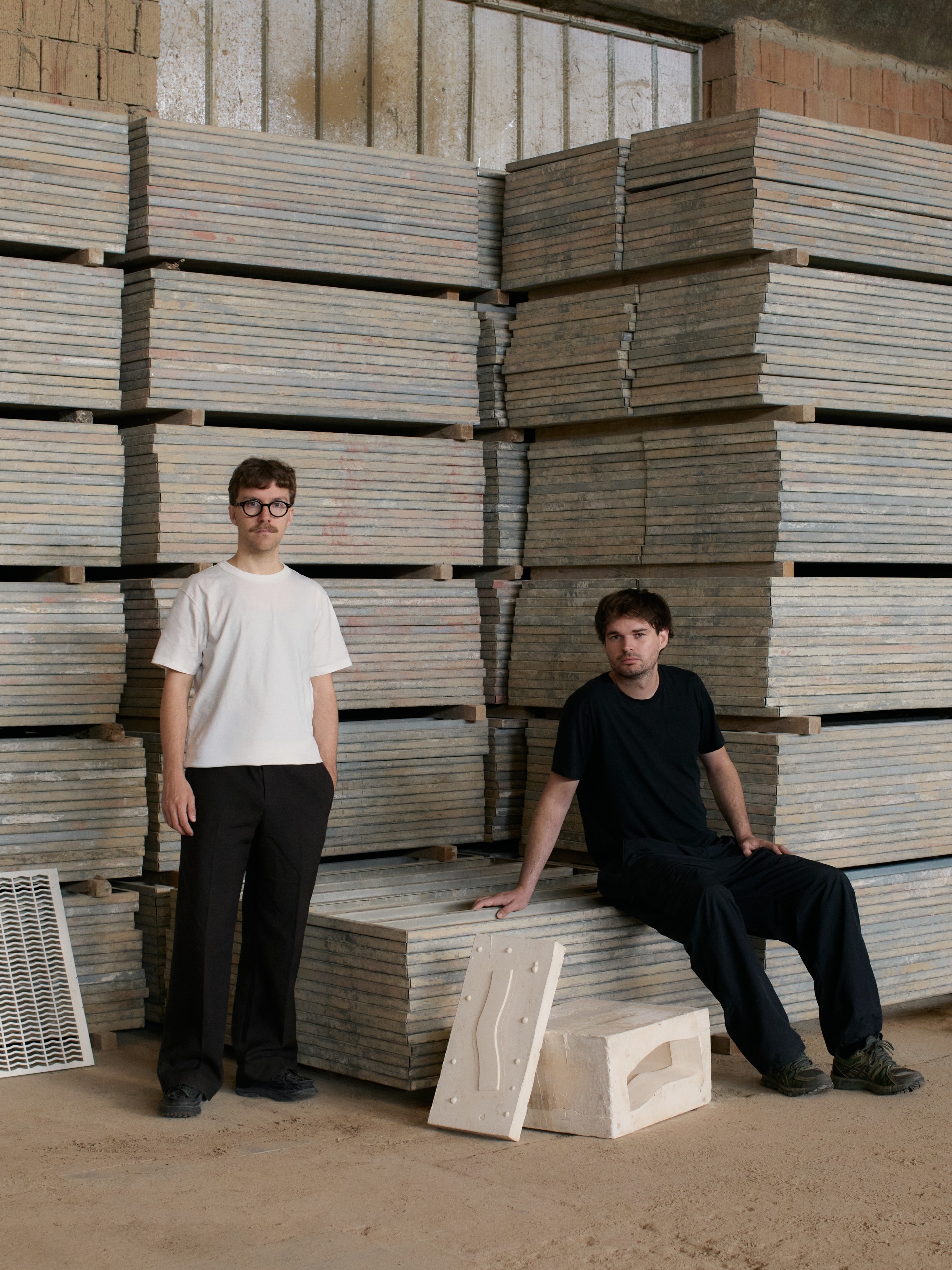
The collection spans mosaics, flooring, 3D coverings, and accessories. How do you see these elements interacting as a living ecosystem?
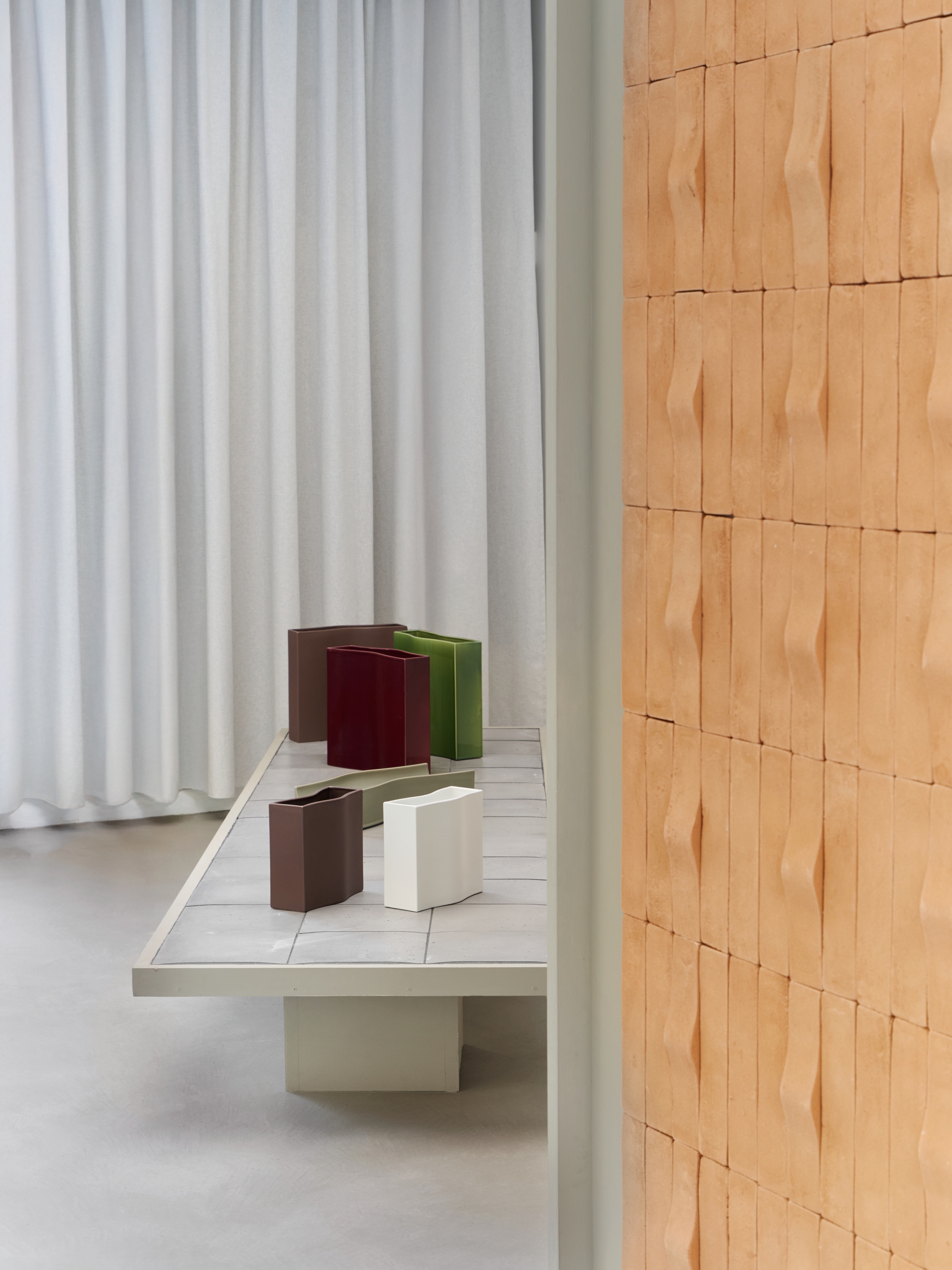
We believe the collection needs to respond to the different uses a space can require, though that doesn't mean everything was designed to be used together. I'd say even we would use no more than two elements paired within a single space. That doesn't mean they aren't part of one collection. It means each product is built to resolve a specific type of need particularly well.
We imagine the flooring in the renovation of a monastery, the wall strip in a bakery or in a fashion brand's retail space, and the mosaic in a beautifully soft bathroom in a home with a large window opening onto pure nature. It's also a collection designed to let Fornace Brioni work well commercially.
Your philosophy that “material precedes form” runs through your work. How does this principle guide your creative process more broadly?
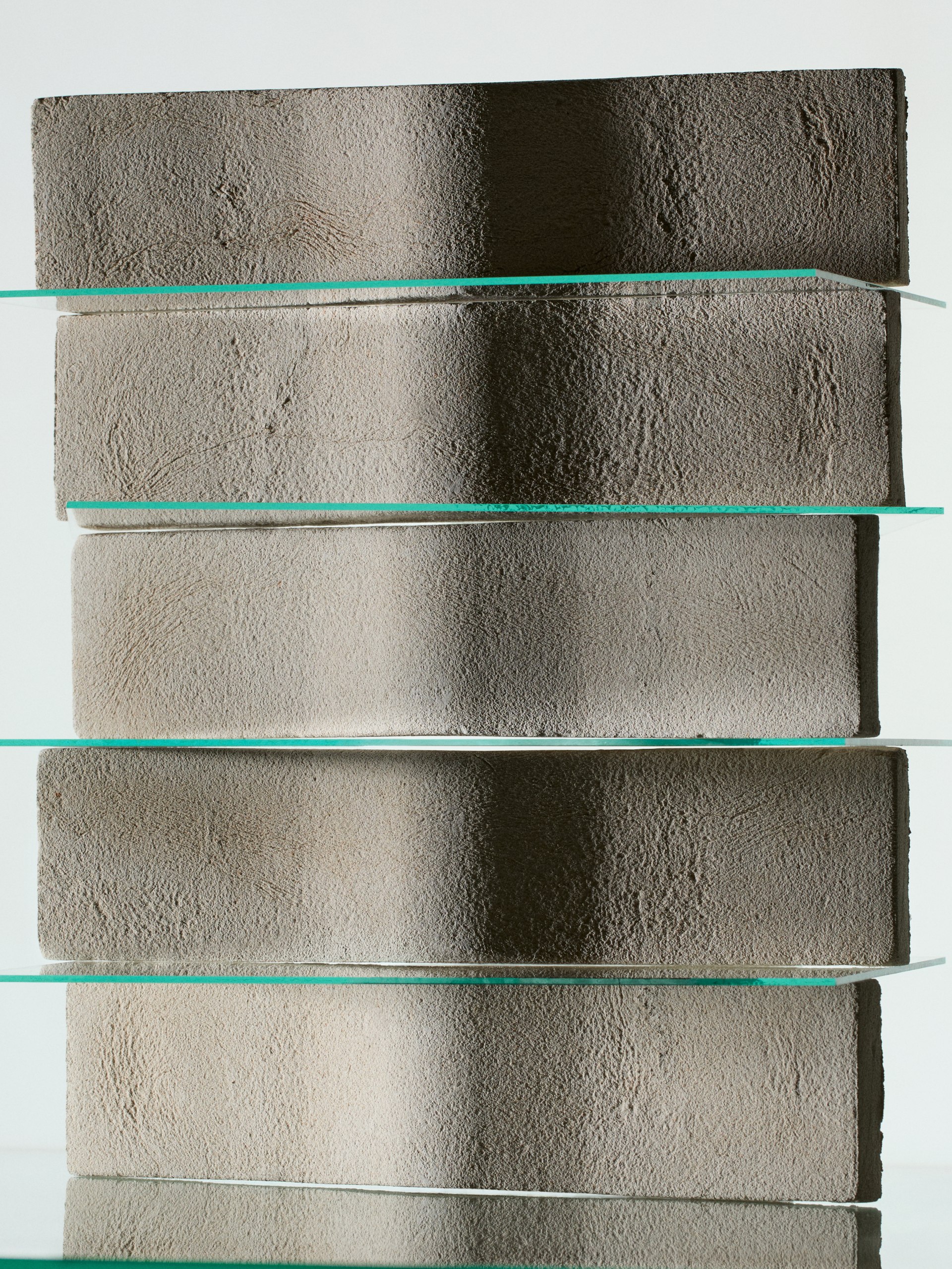
We love this concept because it genuinely helps us approach the beginning of a project. We study the material: who produces it, the character of the person operating the machine responsible for a particular detail. Working this way, by the time you actually arrive at drawing, you already know what not to do, and conversely, what to bring out most from what you've seen and what already exists.
This doesn't mean being against innovation. It means doing things that work well for everyone: for us, for the company, for the makers, for those who transport the material. If you start drawing right away, you often end up chasing that idea at all costs, forcing everyone else to adapt and change. We prefer the opposite: we improve what already exists, or we try to, but we also want everyone involved to feel good and at ease along the way. Italy is so rich in techniques and craftsmanship that if you look closely, you find something beautiful in almost anything already being made, often taken for granted and not given the value it deserves.
Looking ahead, what directions or collaborations excite you most, and what continues to ignite your drive to create?
We think mostly about the future. I have to say we'd love to design a fully tailored domestic space for a client who shares our taste, perhaps a second home where we could enclose a complete soul of our work. That's the most basic, yet deeply visceral, desire we feel. But I'd say both Stefano and I are driven by an instinct to chase new kinds of design work in general: designing a green space, a park, or the interior of a national train, just as much as anything else. We feel good in what we do, and we hope never to lose that fire, but rather to keep finding new contaminations to feed it.